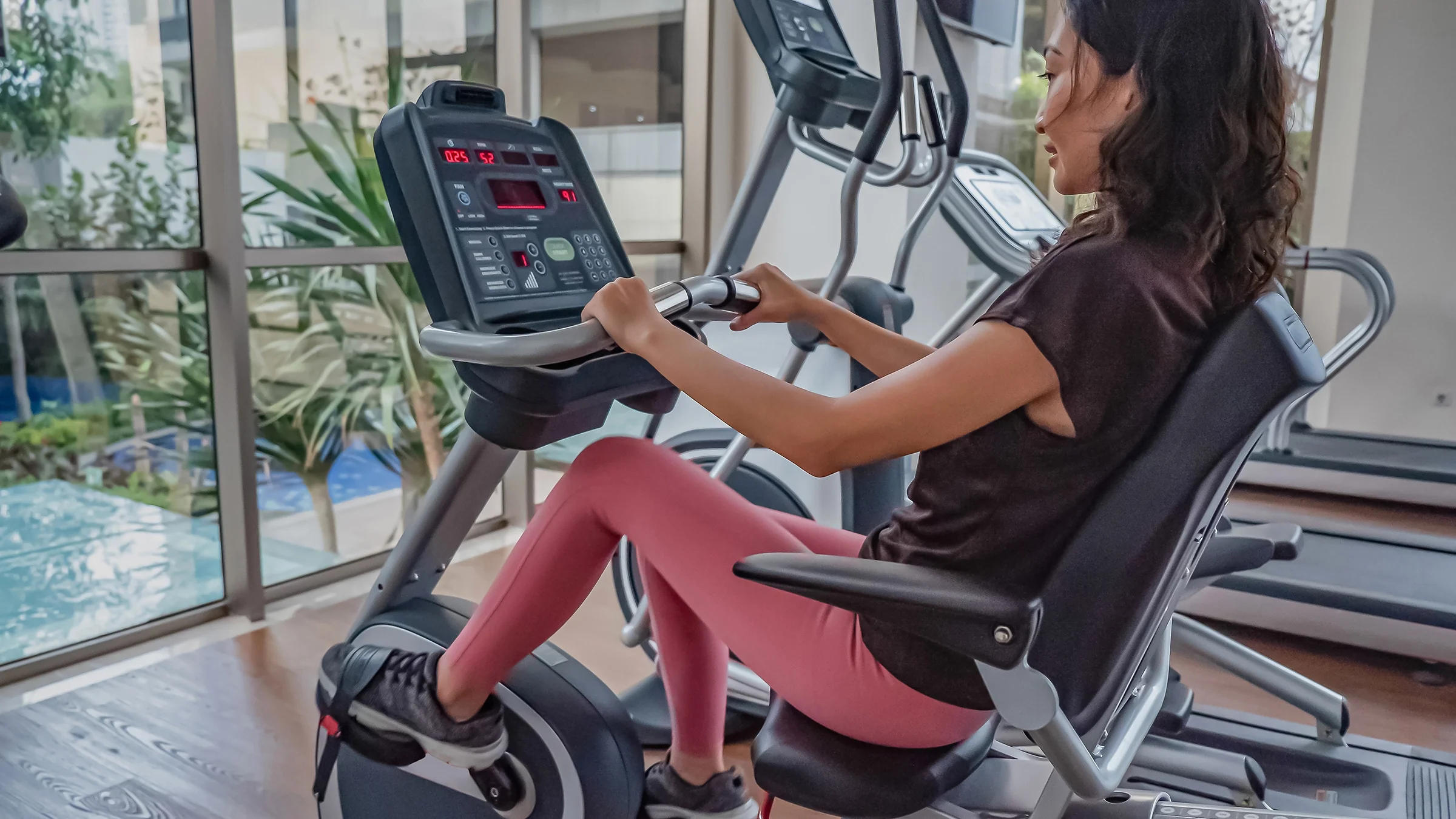
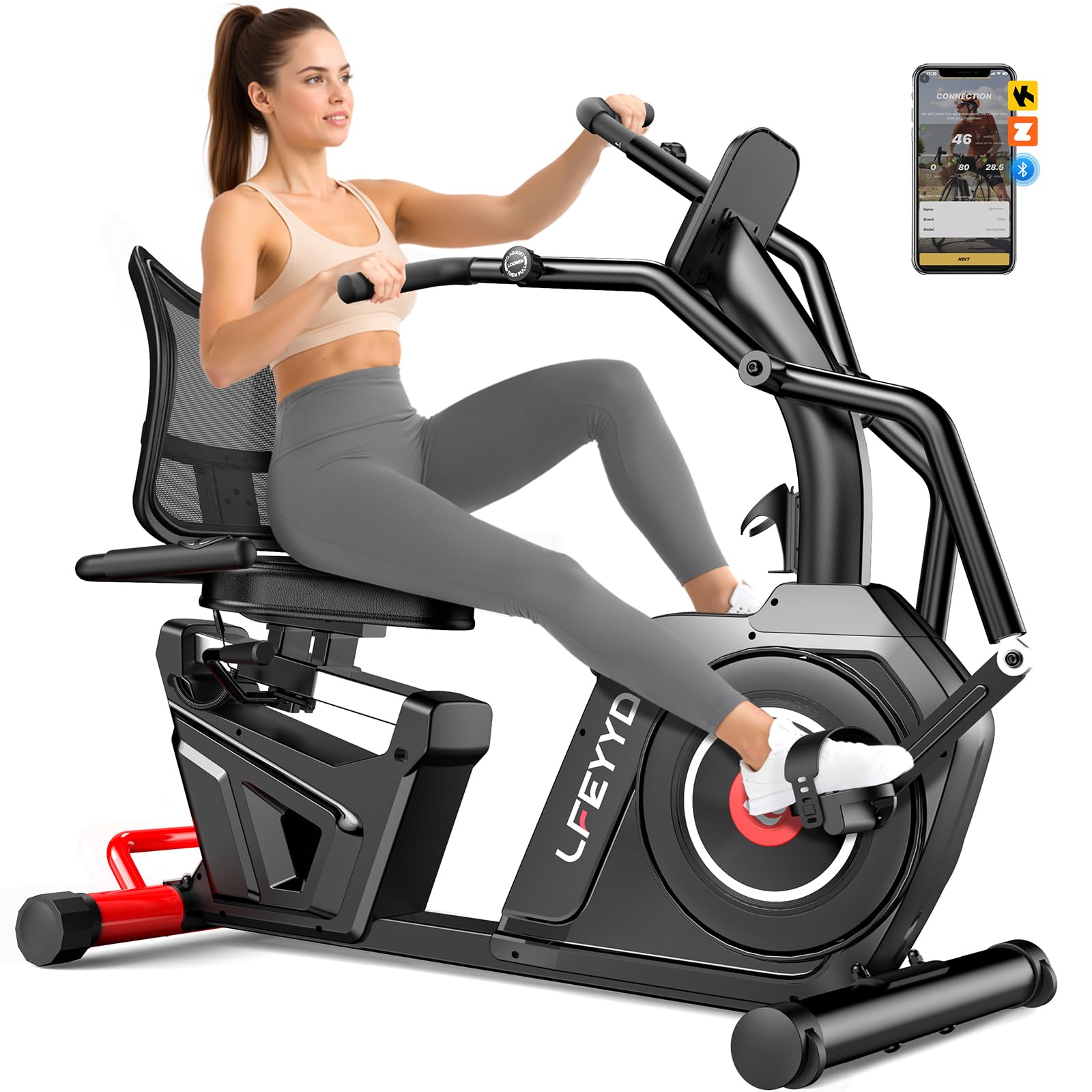
Finding the right recumbent bike transforms your home workouts by combining low-impact cardiovascular conditioning with exceptional lumbar support and joint protection. Whether you are recovering from an injury, managing back pain, or seeking a comfortable machine for daily endurance training, choosing a model with the correct resistance levels, ergonomic adjustments, and frame stability ensures a productive, pain-free ride.
When searching for the 5 best recumbent bikes for your ride, you must evaluate structural durability, seat adjustability, console functionality, and resistance mechanisms. Unlike upright stationary bicycles, recumbent bikes place the user in a reclined position with legs extended forward toward the pedals. This design distributes body weight across a larger surface area, eliminating pressure on the sit bones, wrists, and shoulders while reducing spinal compression. Selecting the ideal model requires balancing your budget, available floor space, and specific fitness objectives against features like magnetic resistance, heart rate monitoring, and app integration.
Understanding Recumbent Ergonomics and Biomechanics
Recumbent bikes are engineered to provide a comfortable biomechanical environment that differs substantially from traditional upright bicycles. Understanding how your body interacts with the machine helps prevent common injuries and maximizes workout efficiency.
Spinal Alignment and Lumbar Support
The defining feature of a recumbent bicycle is its bucket-style seat equipped with an elevated backrest. Traditional upright bikes often force riders to lean forward, which can strain the lower back and neck over extended periods. Recumbent designs support the natural curvature of the spine. When adjusting the seat, your lower back should rest flush against the mesh or padded backrest, and your pelvis should remain stable throughout the pedal stroke. This alignment protects the vertebrae and allows riders with chronic lower back pain to exercise comfortably.
Knee Joint Preservation and Pedal Stroke Dynamics
Pedaling forward rather than downward changes the angle of engagement for the quadriceps, hamstrings, and calves. The extension angle reduces shear stress on the patellofemoral joint, making recumbent bikes an ideal choice for individuals undergoing physical therapy or managing arthritis. To protect your knees, ensure the seat distance is adjusted so that your leg maintains a slight bend—roughly 5 to 10 degrees of flexion—at the furthest point of the pedal extension. Locking your knees out fully places unnecessary strain on the joint capsule.
Key Selection Criteria for Recumbent Bicycles
Evaluating exercise equipment requires looking past marketing claims to examine core mechanical and structural specifications. The following criteria dictate how a bike performs over years of daily use.
Resistance Systems
Most modern recumbent bikes utilize magnetic resistance systems, which can be manual or computer-controlled (electronically adjustable).
- Eddy Current Brake (ECB) Systems: These use electromagnets to create resistance without physical friction, resulting in an exceptionally smooth, silent ride and precise resistance scaling.
- Manual Magnetic Resistance: Adjusted via a tension cable and dial, these systems offer reliable resistance but typically require manual intervention to change intensity levels.
Flywheel Weight and Momentum
The flywheel dictates the fluidity of the pedal stroke. Heavier flywheels store more rotational momentum, eliminating dead spots at the top and bottom of the pedal rotation. Look for flywheels weighing between 13 and 25 pounds for a balanced, road-like feel, especially if you plan on performing high-cadence interval training.
Frame Construction and Weight Capacity
A sturdy frame prevents wobbling during intense, high-speed sessions. Inspect the maximum user weight capacity as an indicator of build quality. Models with heavy-gauge steel frames and wide stabilizer feet provide a secure platform for heavier or more aggressive riders.
Detailed Review of the 5 Best Recumbent Bikes
To help you make an informed investment, we have analyzed five of the most reliable, feature-rich recumbent bikes available for home fitness environments. Each machine caters to slightly different user priorities, ranging from compact footprints to heavy-duty commercial builds.
1. Schwinn 270 Recumbent Bike
The Schwinn 270 stands as a benchmark for mid-range home recumbent bikes, offering an impressive array of training programs and connectivity features.
- Key Specifications: 29 programs, 25 levels of magnetic resistance, dual-track LCD displays, high-inertia flywheel.
- Performance and Ergonomics: The Schwinn 270 features a ventilated contoured backrest and a padded seat bottom that slides easily along an aluminum slider rail. The oversized console is easy to read and tracks time, distance, calories, and heart rate via built-in contact grips.
- Pros: Exceptional program variety, smooth magnetic resistance transitions, Bluetooth connectivity for syncing with fitness apps like Explore the World.
- Cons: The console requires a wall outlet power supply (adapter included); it cannot run on batteries alone.
2. Sole R92 Recumbent Bike
Designed for users seeking commercial-grade durability and heavy-duty performance, the Sole R92 brings gym-quality engineering into residential spaces.
- Key Specifications: Heavy-gauge steel frame, 20 levels of resistance, 9-inch vibrant display, cooling fan, integrated tablet holder.
- Performance and Ergonomics: The R92 features a heavily cushioned, supportive seat with adjustable recline angles—a feature rarely found in this product category. The pedals are slightly inverted by two degrees inward to align ankles, knees, and hips naturally, reducing joint stress.
- Pros: Extremely sturdy frame that accommodates taller and heavier users, comfortable articulating seat, lifetime warranty on the frame.
- Cons: Has a larger footprint, making it less suitable for small apartments or tight workout spaces.
3. Nautilus R616 Recumbent Bike
The Nautilus R616 balances advanced technological integration with robust mechanical performance, making it a favorite for tech-savvy fitness enthusiasts.
- Key Specifications: 29 workout programs, 25 resistance levels, telemetry-enabled heart rate monitoring, USB charging port.
- Performance and Ergonomics: Equipped with a ventilated mesh backrest to promote airflow during intense cardio sessions, the R616 keeps riders cool. The step-through frame design allows individuals with limited mobility to mount and dismount with minimal effort.
- Pros: High-speed, high-inertia flywheel for smooth pedaling; excellent media shelf; MP3 input and built-in speakers.
- Cons: Assembly requires patience and can take up to two hours due to the intricate wiring of the console.
4. Marcy ME-709 Recumbent Exercise Bike
For riders working with a strict budget or limited floor space, the Marcy ME-709 offers a streamlined, no-frills solution that delivers reliable low-impact exercise.
- Key Specifications: 8 levels of magnetic resistance, stepped-up entry frame, foam-covered handlebars, compact dimensions.
- Performance and Ergonomics: The ME-709 utilizes a simpler mechanical layout with a step-through design. The contoured foam seat and back pad provide adequate support, though they lack the heavy cushioning and adjustability of higher-end models.
- Pros: Highly affordable, exceptionally compact, lightweight and easy to move using transport wheels.
- Cons: Limited resistance levels; lacks advanced digital programs, Bluetooth connectivity, and backlit screens.
5. Sunny Health & Fitness SF-RB4708 Smart Recumbent Bike
The Sunny Health & Fitness SF-RB4708 bridges the gap between traditional magnetic bikes and modern app-based interactive training ecosystems.
- Key Specifications: Micro-adjustable magnetic resistance, device holder, ergonomic mesh backrest, pulse sensors.
- Performance and Ergonomics: This bike is designed to integrate seamlessly with the SunnyFit app, allowing users to ride through virtual scenic routes and access structured trainer-led courses via their smartphones or tablets. The step-through frame accommodates users of varying flexibility levels.
- Pros: App connectivity without expensive monthly subscription lock-ins, comfortable mesh seat, lightweight construction.
- Cons: Maximum weight capacity is lower than commercial alternatives, making it less ideal for heavy-duty athletic training.
Comparison of Recumbent Bike Models
| Model Name | Resistance Levels | Flywheel Type | Special Features | Best Suited For |
|---|---|---|---|---|
| Schwinn 270 | 25 | High-Inertia | Dual-track LCD, Bluetooth | Tech-focused home workouts |
| Sole R92 | 20 | Heavy-Duty Steel | Adjustable recline, 2-degree pedal inversion | Joint protection and durability |
| Nautilus R616 | 25 | High-Speed, Perimeter-Weighted | Step-through frame, media shelf | Versatile, connected cardio |
| Marcy ME-709 | 8 | Magnetic Resistance | Compact footprint, basic LCD | Budget-conscious buyers |
| Sunny Health SF-RB4708 | Digital Adjustment | Magnetic | SunnyFit app compatibility | Virtual scenic riding |
Setting Up Your Recumbent Bike for Optimal Performance
Proper adjustment of your recumbent bike prevents strain and ensures your muscles engage efficiently during every rotation. Follow these adjustment protocols before starting your workout:
- Seat Position Adjustment: Sit on the bike with your back firmly against the backrest. Extend one leg so the heel rests on the pedal at its furthest extension (the 6 o'clock position). Your knee should be completely straight without locking. When you place the ball of your foot on the pedal, your knee should maintain a slight 5-to-10-degree bend.
- Backrest Angle (If Applicable): If your model allows backrest tilt adjustment, set it to an angle that supports upright posture without forcing your spine into an unnatural arch.
- Strap Security: Fasten the foot straps snugly across the widest part of your feet. Loose straps lead to slipping, which forces your shins and calves to overcompensate during the upstroke.
- Console Calibration: Enter your accurate body weight and height into the console if prompted. This ensures that calorie expenditure calculations and heart rate target zones remain reasonably accurate.
Common Mistakes to Avoid
Even with the ergonomic advantages of a recumbent bike, improper technique or poor equipment maintenance can lead to discomfort or reduced workout efficacy.
- Slouching in the Seat: Allowing your lower back to slump away from the backrest places uneven pressure on your lumbar discs. Keep your core gently engaged and your shoulders relaxed against the support pad.
- Pedaling Too Slowly (Low Cadence): Relying entirely on maximum resistance while pedaling at a sluggish 30 RPM places high torque on your knee joints. Aim for a smooth, spinning cadence between 60 and 80 RPM by adjusting resistance downward.
- Neglecting Hydration and Heart Rate Monitoring: Because recumbent bikes feel effortless due to supported seating, riders often forget how much fluid they are losing. Keep water nearby and use telemetry heart rate straps to monitor exertion levels accurately.
Frequently Asked Questions
Are recumbent bikes effective for weight loss?
Yes. Weight loss depends on creating a caloric deficit through consistent physical activity. Recumbent bikes allow users to sustain elevated heart rates for longer durations because the comfortable seating position minimizes muscular fatigue in the back and arms. Combining regular riding with a balanced diet promotes healthy weight management.
Can recumbent bikes help relieve lower back pain?
For many individuals, yes. The supportive backrest relieves the spinal compression that occurs on traditional upright bicycles or when running. However, if you suffer from severe disc issues or sciatica, consult a physical therapist or physician before beginning a new exercise regimen to ensure seated flexion does not aggravate your condition.
How do I maintain my recumbent bike?
Maintenance is relatively simple. Wipe down the sweat and dust from the frame and console after every few workouts using a damp cloth and mild soap. Periodically check and tighten the pedal cranks, seat adjustment bolts, and stabilizer feet to prevent squeaking and wobbling over time.
Is a heavy flywheel better than a light one?
Generally, yes. A heavier flywheel stores more momentum, creating a smoother, more natural pedal stroke that mimics riding outdoors. Lighter flywheels can feel jerky or abrupt when changing resistance levels, though modern magnetic resistance systems mitigate this to some degree.
Do I need a power outlet to use a recumbent bike?
It depends on the model. Bikes with complex consoles, motorized resistance changes, and backlit screens typically require plugging into a wall outlet or using an adapter. Simpler budget models use battery-powered consoles that run on standard AA or AAA batteries, offering greater placement flexibility in your home.
Conclusion and Final Recommendation
Investing in the right recumbent bike bridges the gap between comfortable rehabilitation and rigorous cardiovascular conditioning. If you want maximum program versatility and Bluetooth connectivity, the Schwinn 270 remains an exceptional all-around choice. For users prioritizing commercial-grade durability and joint-saving ergonomics, the Sole R92 stands out as a premier investment. Assess your available floor space, budget, and specific fitness goals to select the machine that will support your health journey for years to come.