The Creative Commons Attribution 3.0 (CC BY 3.0) license is a legal framework that permits anyone to share, adapt, and commercially exploit a work, provided they give appropriate credit to the original creator. It is one of the most permissive public licenses, designed to facilitate the global exchange of creative and intellectual property.
Understanding the Core of the 3.0 Attribution License
The Creative Commons Attribution 3.0 license, often abbreviated as CC BY 3.0, represents a significant milestone in the history of open-source and open-content licensing. Released in 2007, it was designed to provide a standardized way for creators to grant the public permission to use their creative work under specific conditions. In the landscape of 2026, while the 4.0 version has become the modern standard for new works, millions of digital assets—ranging from scientific papers and Wikipedia entries to photography and music—remain governed by the 3.0 suite.
At its heart, the CC BY 3.0 license is built on the principle of "some rights reserved." Unlike a traditional copyright where the creator retains all exclusive rights, or the public domain where the creator waives all rights, the CC BY 3.0 license creates a middle ground. It grants the public a "non-exclusive, worldwide, royalty-free, perpetual, irrevocable license" to exercise the rights granted. This means that as long as the user follows the terms—specifically the attribution requirement—the creator cannot suddenly revoke the permission or charge a fee for the use.
The license is structured into three distinct layers. The first is the Legal Code, a robust legal document written for lawyers to ensure the license stands up in court. The second is the Commons Deed, a human-readable summary that explains the terms in plain language for everyday users. The third is the Machine-Readable version, a summary of the license key rights and obligations written in a format that software, search engines, and other technology can understand.
Primary Permissions Granted by CC BY 3.0
When a work is licensed under CC BY 3.0, the "Licensee" (the person using the work) is granted two primary freedoms. These freedoms are broad and apply across all types of media and jurisdictions.
1. The Right to Share
The license allows you to copy and redistribute the material in any medium or format. This includes digital sharing on social media, physical distribution of printed materials, or hosting the file on a private server. You are free to share the work exactly as it is, provided the attribution is intact. This is the foundation of information sharing in the academic and creative communities, allowing resources to spread without the friction of individual permission requests.
2. The Right to Adapt
Unlike more restrictive licenses (such as those with a "NoDerivatives" clause), CC BY 3.0 allows you to remix, transform, and build upon the material. This is crucial for creators who want to use a specific song in a video, a photograph in a collage, or a dataset in a new research project. You can modify the work to suit your needs, change its format, or combine it with other works. This permission extends to commercial purposes, meaning you can sell the new work you have created or use the original work in an advertisement or product.
Mandatory Requirements: The Attribution Clause
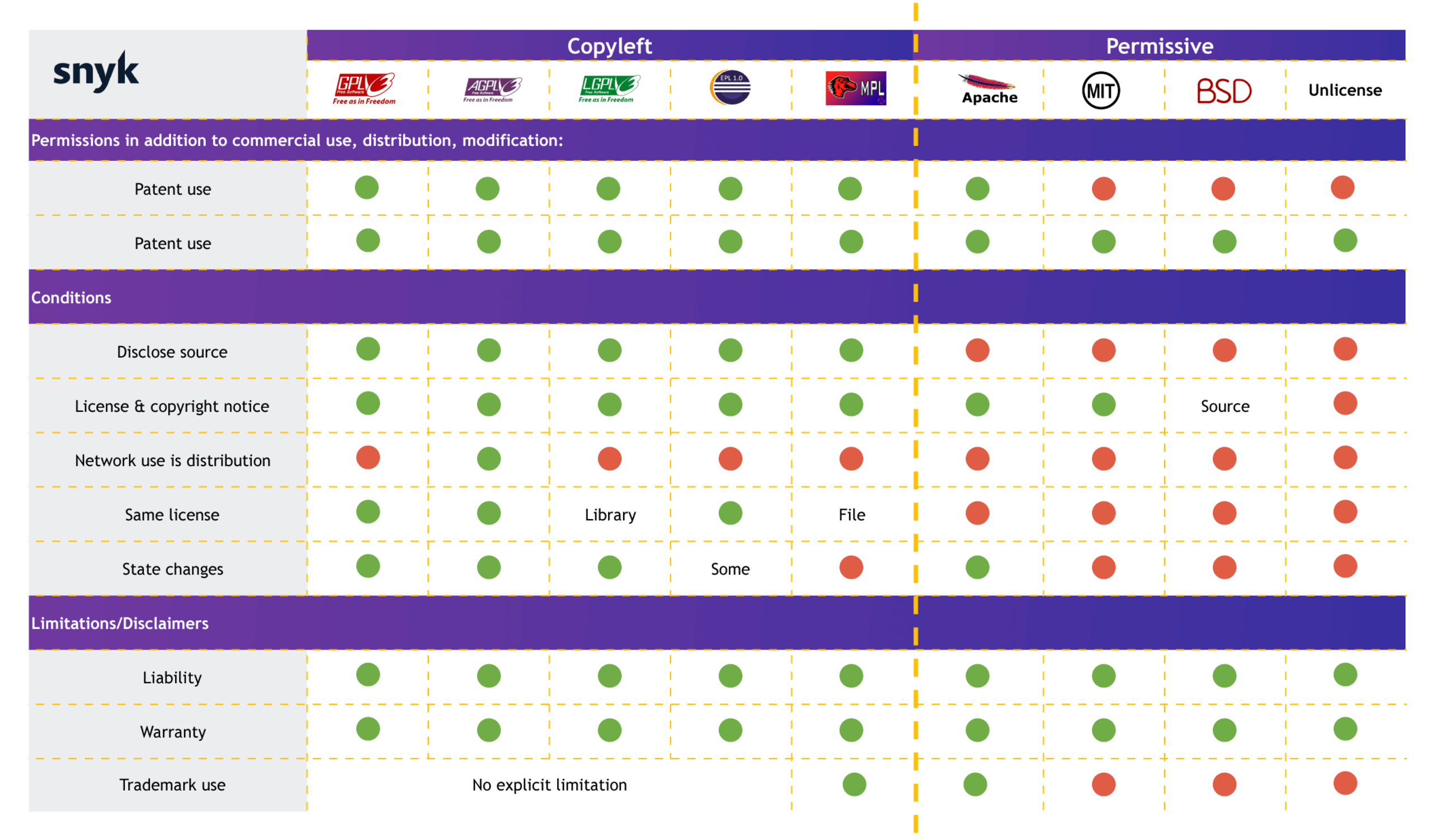
The "BY" in CC BY 3.0 stands for "Attribution." This is the only major requirement the user must fulfill to remain in compliance with the license. If you fail to provide proper attribution, you are technically infringing on the copyright, and the license's protections for you are automatically terminated.
What Constitutes "Appropriate Credit"?
To comply with the 3.0 license, you must provide the following information if it is supplied with the work:
- The Name of the Creator: This could be a person’s name, a pseudonym, or a corporate entity. If the work was created by multiple parties, you should credit them as they requested.
- A Copyright Notice: If the original work includes a copyright notice (e.g., "© 2007 Jane Doe"), you must keep it intact.
- A License Notice: You must mention that the work is licensed under CC BY 3.0.
- A Disclaimer of Warranties: You must keep intact any notices that refer to the disclaimer of warranties (basically, the creator saying the work is provided "as-is").
- A Link to the License: You must provide a URI or hyperlink to the Creative Commons Attribution 3.0 Unported License.
Indicating Changes
Under the 3.0 version of the license, if you modify the work (create a derivative), you must take reasonable steps to clearly label, demarcate, or otherwise identify that changes were made to the original work. This is a subtle but important distinction from the later 4.0 version; in 3.0, the focus is on ensuring the original creator is not associated with any modifications they might not approve of. You cannot imply that the licensor endorses you or your use of the work.
Ported vs. Unported: The Complexity of the 3.0 Version
One of the unique aspects of the 3.0 license suite that distinguishes it from the 4.0 version is the existence of "Ported" and "Unported" versions. When researching CC BY 3.0, you will often see terms like "CC BY 3.0 Unported" or "CC BY 3.0 US."
CC BY 3.0 Unported (Generic)
The "Unported" version is the generic version of the license. It is not drafted for any specific legal jurisdiction. Instead, it is written based on international treaties such as the Berne Convention for the Protection of Literary and Artistic Works. The goal of the Unported license is to be globally applicable and legally enforceable in as many countries as possible without being tied to a specific nation’s statutes.
Ported Licenses
In the 3.0 era, Creative Commons worked with legal experts around the world to "port" the licenses to specific national legal systems. For example:
- CC BY 3.0 US: Adapted to United States law.
- CC BY 3.0 BR: Adapted to Brazilian law.
- CC BY 3.0 ES: Adapted to Spanish law.
These ported versions were designed to account for local nuances in terminology and moral rights. However, this eventually became cumbersome. By 2026, the consensus among legal experts is that the "Unported" version is robust enough for most international uses. The transition to the 4.0 license version eliminated "porting" entirely in favor of a single, internationally applicable legal code.
Comparing CC BY 3.0 and CC BY 4.0
If you are a creator in 2026 deciding which license to use, or a user trying to understand why a 3.0 license was applied to an older asset, it is helpful to compare it to the current 4.0 standard. While they share the same core intent, there are critical technical differences.
| Feature | CC BY 3.0 | CC BY 4.0 |
|---|---|---|
| Global Applicability | Uses "Ported" versions for different countries. | One "International" license for the whole world. |
| Attribution Requirements | More rigid; requires specific notices. | More flexible; allows "reasonable" credit based on medium. |
| Database Rights | Does not explicitly address sui generis database rights. | Explicitly covers and waives/licenses database rights. |
| Violation Cure | No automatic "cure" period for violations. | 30-day window to fix violations and restore rights. |
| Modification Marking | Must indicate changes were made. | Must indicate changes were made (simplified). |
| Anonymity | Creator can request name removal from derivatives. | Creator can request name removal from derivatives/shares. |
The CC BY 4.0 license is generally considered more "user-friendly" because it provides a grace period for accidental violations. If you forget to link to the license under 3.0, you have technically lost your license immediately. Under 4.0, if you fix the mistake within 30 days of discovery, your license is reinstated.
How to Properly Attribute a CC BY 3.0 Work
The gold standard for attribution is known as the TASL method. This acronym ensures you have met all the legal requirements of the 3.0 license while maintaining a clean aesthetic for your project.
T: Title
Provide the title of the work. If no title is provided, you can omit it or describe the work. If possible, link the title directly to the page where the original work is hosted.
A: Author
Identify the author or creator. If they have a profile page or website, link to it. If the author is a pseudonym or an organization (like "Public Health England"), use that exact name.
S: Source
Provide a link to the source of the work so that others can find the original. This is usually the URL of the webpage where you found the asset.
L: License
State that the work is licensed under "CC BY 3.0" and provide a link to the license deed.
Example of a Perfect Attribution: "'City at Night' by John Doe is licensed under CC BY 3.0."
If you have modified the work, your attribution should reflect that: "'City at Night — BW Remix' by [Your Name], based on 'City at Night' by [John Doe], is licensed under CC BY 3.0."
Common Mistakes and Legal Considerations
Even though the CC BY 3.0 license is designed to be simple, users often fall into traps that can lead to legal complications.
1. Adding Further Restrictions
One of the most important clauses in the CC BY 3.0 license is that you may not apply "legal terms or technological measures that legally restrict others from doing anything the license permits." This means you cannot put a CC BY 3.0-licensed image behind a paywall or use Digital Rights Management (DRM) to prevent others from downloading it, unless you are only charging for the access and not the right to use the image itself.
2. Confusing Attribution with Endorsement
Using a CC BY 3.0 work does not mean the creator supports your message. The license explicitly states that you may not imply any sponsorship or endorsement by the licensor. For example, if you use a scientist's CC-licensed chart in a political ad, you must ensure the attribution is clear and does not make it look like the scientist is campaigning for the candidate.
3. Misunderstanding "Irrevocable"
Creators should be aware that once they release a work under CC BY 3.0, they cannot "take it back." While you can stop distributing the work under that license at any time, anyone who already has a copy of the work under the CC BY 3.0 license has the right to continue using it according to those terms forever. This is why choosing a license is a permanent decision for that specific version of the work.
4. Warranty Disclaimer
It is vital for users to understand that works licensed under CC BY 3.0 come with no warranties. The licensor offers the work "as-is" and makes no representations regarding the accuracy, safety, or legal status of the work. If a work contains trademarks or people's faces (personality rights), the CC license does not necessarily cover those permissions; the user may need additional clearances for commercial use.
Frequently Asked Questions
Can I use a CC BY 3.0 image on my website if I make money from ads?
Yes. The CC BY 3.0 license allows for commercial use. Whether your website generates revenue through advertising, subscriptions, or direct sales, you are permitted to use the work as long as you provide the required attribution.
Do I have to attribute the author if I change the work significantly?
Yes. Even if you modify the work so much that it is barely recognizable, the CC BY 3.0 license requires you to credit the original author of the source material and indicate that changes were made. The "Adapt" right is contingent upon the "Attribution" requirement.
Is CC BY 3.0 the same as "Public Domain"?
No. Works in the Public Domain have no copyright restrictions, and attribution is not legally required (though often ethically expected in academia). CC BY 3.0 is a license that operates within copyright law; the creator still owns the copyright, but they are granting you specific permissions on the condition that you credit them.
What happens if I forget to include the link to the license?
Technically, your right to use the work terminates immediately. Unlike the 4.0 version, the 3.0 license does not have a built-in "cure" period. To regain the license, you would generally need to contact the creator for permission or hope that they do not pursue a copyright claim. In practice, most creators are satisfied if you fix the error as soon as it is pointed out.
Can I use CC BY 3.0 music in a YouTube video?
Yes, you can use CC BY 3.0 music in your videos, including monetized ones. You must include the attribution in the video description or in the credits of the video itself. Be aware that YouTube’s Content ID system may still flag the music; in such cases, you can usually dispute the claim by citing the CC BY 3.0 license.
Final Recommendation for Users and Creators
In 2026, the Creative Commons Attribution 3.0 license remains a foundational pillar of the open internet. If you are a user encountering this license, your primary duty is to ensure your attribution is clear, visible, and includes all the necessary components (Title, Author, Source, License). Using a standard format like TASL is the safest way to avoid legal friction.
If you are a creator looking to license a new work today, it is generally recommended to use the CC BY 4.0 International license instead of 3.0. The 4.0 version is more modern, better suited for international legal disputes, and provides a "cure" period for users who make honest mistakes with attribution. However, if you are contributing to a project that already uses 3.0 (such as certain older wikis or repositories), continuing to use 3.0 may be necessary for consistency. Always verify the specific requirements of the platform you are using to ensure your work remains accessible and legally protected.