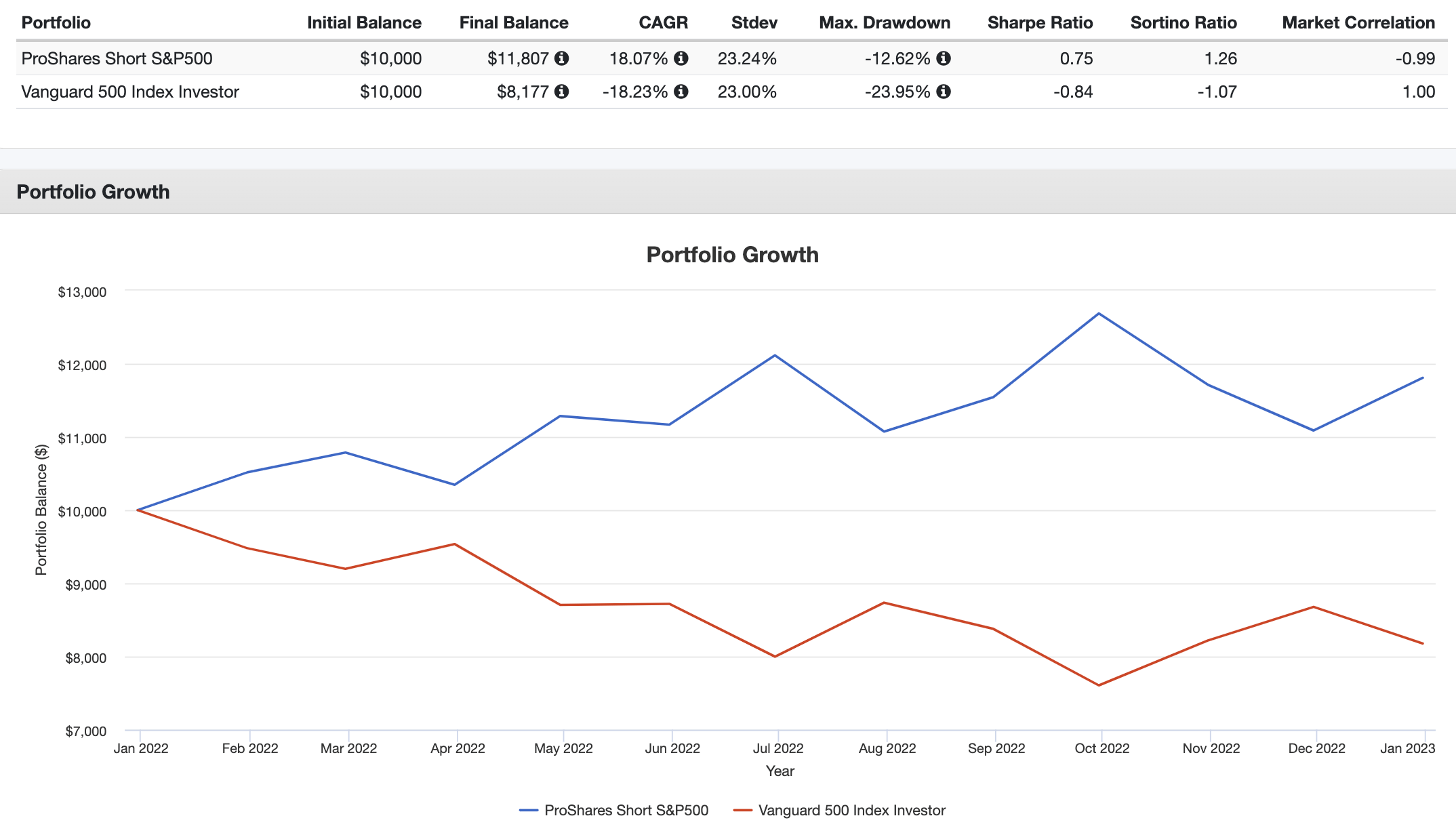
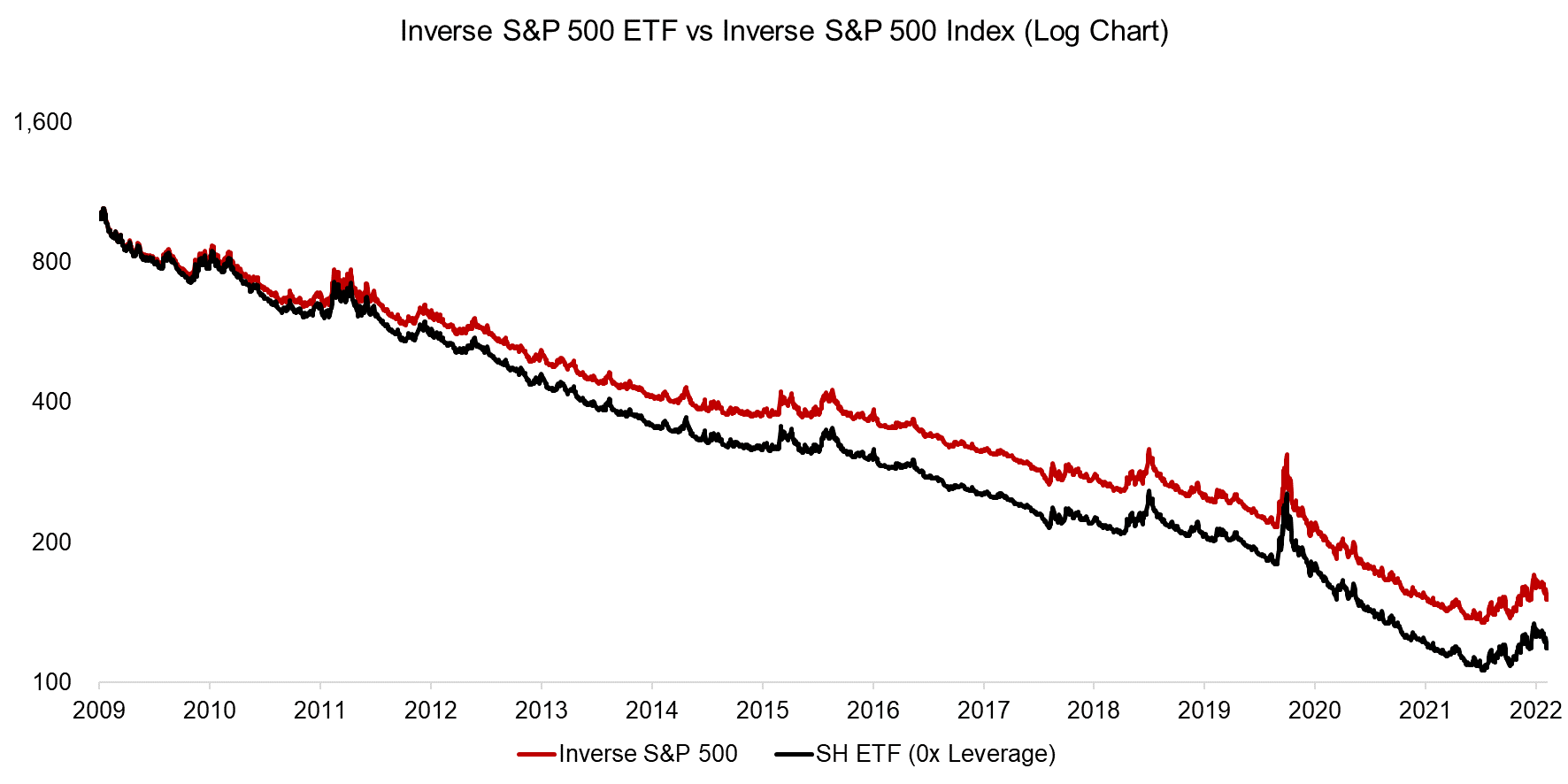
A 2x inverse VIX ETF is a leveraged exchange-traded product designed to provide a daily return equivalent to twice the opposite performance of a specific VIX futures index. If the underlying VIX futures index drops by 1% in a single day, the ETF aims to rise by 2%, allowing traders to profit aggressively from declining market volatility.
Understanding these complex financial instruments requires a deep dive into the relationship between the S&P 500, the CBOE Volatility Index (VIX), and the futures contracts that actually drive the pricing of these ETFs. Because they use leverage and inverse weighting, these products are primarily intended for sophisticated traders and are generally unsuitable for long-term "buy and hold" portfolios.
The Core Mechanics of Inverse Volatility Trading
To understand a 2x inverse VIX ETF, one must first distinguish between the "Spot VIX" and VIX futures. The CBOE Volatility Index (VIX) measures the 30-day expected volatility of the S&P 500, derived from mid-quote prices of S&P 500 Index options. However, the VIX itself is an investable index; you cannot "buy" the VIX directly.
Instead, ETFs and ETNs (Exchange Traded Notes) use VIX futures contracts. A 2x inverse VIX ETF specifically tracks an index composed of these futures, such as the S&P 500 VIX Short-Term Futures Index. The "2x inverse" designation means the fund manager uses derivatives—primarily swaps and shorting futures—to create a mathematical profile that moves in the exact opposite direction of the index with a 200% multiplier.
Daily Resetting and Compounding
The "2x" target is strictly for a single trading session. At the end of each business day, the fund rebalances its exposure to ensure it remains at twice the inverse of the index for the following day. This daily reset creates a phenomenon known as "compounding" or "path dependency."
In a trending market where volatility is consistently falling, the 2x inverse ETF can outperform a simple 200% calculation over multiple days because the gains compound. Conversely, in a choppy market where volatility fluctuates wildly, the constant rebalancing can lead to "volatility decay," where the ETF loses value even if the underlying index remains flat over a week or month.
The Role of Contango and Backwardation
The profitability of an inverse VIX product is heavily influenced by the "term structure" of VIX futures. Because these ETFs must constantly sell expiring futures and buy ones further out (or vice versa, depending on the fund's specific derivative strategy), the difference in price between different months is critical.
Contango: The Tailwinds for Inverse ETFs
In a normal, calm market, VIX futures are usually in contango. This means that futures contracts expiring further in the future are more expensive than those expiring sooner. Since an inverse ETF is essentially "shorting" these futures, it can benefit from "roll yield." As the expensive future contracts approach expiration, their price tends to converge toward the lower spot price, providing a steady gain for the inverse position, provided market conditions remain stable.
Backwardation: The Danger Zone
When the market panics, the VIX term structure flips into backwardation. In this scenario, front-month futures become much more expensive than later months because investors are desperate for immediate protection. For a 2x inverse VIX ETF, backwardation is catastrophic. The fund is essentially forced to maintain a short position in a rising market, and the roll yield becomes negative. During these periods, 2x inverse products can lose 50% or more of their value in a single afternoon.
Historical Context and the Evolution of Leverage
The history of inverse volatility products is marked by extreme events, most notably the "Volmageddon" event of February 2018. At that time, products like the XIV (an inverse VIX ETN) lost over 90% of their value in a single day when the VIX experienced its largest single-day percentage increase in history.
Following these events, many issuers deleveraged their products. For example, the popular SVXY, which was once a -1x inverse product, was moved to a -0.5x leverage to reduce the risk of a total wipeout. In the current 2026 regulatory environment, 2x inverse VIX products are rare and often restricted to professional-tier accounts. The high leverage ratio (2x) means that if the underlying VIX futures index rises by 50% in a single day, the 2x inverse ETF mathematically drops to zero.
Key Risks and Performance Factors
Trading a 2x inverse VIX ETF involves risks that far exceed those of standard equity ETFs. Investors must account for the following factors before committing capital:
- Extreme Gap Risk: Volatility does not always move linearly. It can "gap" up significantly during after-hours trading or in response to sudden geopolitical shocks. Because these ETFs rebalance daily, a massive spike can occur before a trader has the opportunity to exit the position.
- Counterparty Risk: Many inverse products are structured as ETNs or use OTC swaps. This introduces the risk that the financial institution providing the derivative or backing the note might fail to meet its obligations.
- Liquidity Risk: During periods of extreme market stress, the bid-ask spreads on leveraged volatility products can widen significantly, making it expensive or difficult to exit a position exactly when you need to.
- Regulatory Oversight: As of 2026, many jurisdictions have implemented stricter "Complex Product" rules. Retail investors may be required to pass a knowledge test or meet specific net worth requirements to trade 2x leveraged inverse products.
Comparison of Volatility Product Types
The following table compares the behavior of different VIX-related products to illustrate where the 2x inverse ETF fits in the broader ecosystem.
| Product Type | Target Exposure | Primary Benefit | Primary Risk |
|---|---|---|---|
| Long VIX ETF (1x) | +1x Daily VIX Futures | Hedges against market crashes | High decay in calm markets (Contango) |
| Leveraged Long VIX (2x) | +2x Daily VIX Futures | Maximum profit during spikes | Rapid value loss during flat/up markets |
| Inverse VIX ETF (-0.5x) | -0.5x Daily VIX Futures | Lower volatility "short" | Limited profit potential |
| Inverse VIX ETF (-1x) | -1x Daily VIX Futures | Direct bet against volatility | Total loss if VIX doubles in one day |
| 2x Inverse VIX ETF | -2x Daily VIX Futures | Aggressive gain in calm markets | Total loss if VIX rises 50% in one day |
Strategic Use in a 2026 Portfolio
Despite the risks, professional traders use 2x inverse VIX ETFs for specific tactical purposes. These are rarely used as "investments" but rather as "trades."
The "Mean Reversion" Trade
The VIX is a mean-reverting asset. Unlike stocks, which can theoretically go to infinity, volatility tends to spike and then eventually settle back to its long-term average (roughly 18-20). Traders may use a 2x inverse ETF after a massive volatility spike has occurred, betting that the panic will subside and volatility will "crush" back down to normal levels.
Tactical Hedging
Some sophisticated managers use a small allocation of inverse volatility to hedge a portfolio that is "long" on tail-risk hedges. If a manager has spent a lot of money on put options (which lose money when the market is flat), a 2x inverse VIX position can help offset the "theta" or time decay of those options during periods of market stability.
Common Pitfalls for Retail Traders
The most common mistake made with 2x inverse VIX ETFs is treating them like a standard "short" on the stock market. While the VIX usually moves inversely to the S&P 500, the correlation is not perfect. There are days when both the S&P 500 and the VIX rise simultaneously (often occurring when markets are rising but investors are buying "disaster insurance" due to upcoming events like elections or Fed meetings).
Furthermore, the impact of the daily reset cannot be overstated. If you hold a 2x inverse VIX ETF for a year, and the VIX futures index is at the exact same level at the end of the year as it was at the beginning, you will likely still have lost a significant portion of your principal due to the costs of leverage and the math of rebalancing in a non-linear market.
Summary of Requirements for Trading
To effectively engage with these products in 2026, an individual generally needs:
- A Margin Account: Most brokers require a higher level of option/derivative approval to trade leveraged inverse ETPs.
- Real-Time Data: Because volatility moves in seconds, delayed quotes are a recipe for disaster.
- An Exit Strategy: Hard stop-losses or "take profit" orders are essential. Many traders use "mental stops" but fail to execute them when the fast-moving volatility market triggers an emotional response.
FAQ
What happens to a 2x inverse VIX ETF if the VIX doubles? If the underlying VIX futures index rises by 50%, a 2x inverse ETF will theoretically lose 100% of its value (2 x 50% = 100%). If the index doubles (+100%), the fund would be wiped out entirely, and in many cases, the fund sponsor would trigger a mandatory redemption or "acceleration," closing the fund and returning whatever residual pennies remain to shareholders.
Can I hold a 2x inverse VIX ETF for several years? While technically possible, it is mathematically dangerous. Due to daily rebalancing and the potential for massive spikes, the long-term chart of most leveraged inverse volatility products tends toward zero over many years. They are designed for short-term tactical use, not as a core "set-and-forget" investment.
How is a 2x inverse VIX ETF different from shorting the VIX directly? You cannot short the VIX index directly. You can short VIX futures, but that requires a futures brokerage account and involves significant margin requirements. The ETF wraps this complexity into a ticker symbol that can be traded in a standard brokerage account, but it adds an extra layer of management fees and the "daily reset" mechanic which a direct futures short does not have in the same way.
Is the "2x" leverage based on the spot VIX? No. This is a critical distinction. The 2x leverage applies to the daily return of a VIX futures index (usually the front-month and second-month contracts). The spot VIX (the "VIX Index" seen on news tickers) can move 20% while the futures index only moves 10%. Your ETF will track the 10% move, not the 20% move.
Are these products the same as "Short Vol" ETNs? They are similar in objective but different in structure. An ETF (Exchange Traded Fund) holds actual assets or derivatives in a trust. An ETN (Exchange Traded Note) is an unsecured debt obligation from a bank. If the bank goes bankrupt, ETN holders are just creditors, whereas ETF holders have a claim on the underlying assets.
Final Recommendation
If you are considering a 2x inverse VIX ETF, start by paper trading or using a very small "learning" position. These instruments are highly efficient for capturing gains during periods of "volatility crush," but they are unforgiving. Ensure you have a firm grasp of the VIX futures curve (contango vs. backwardation) and never allocate a significant portion of your total net worth to a single leveraged volatility trade. For most investors, a standard inverse product (-0.5x or -1x) provides sufficient exposure with a slightly larger margin for error.