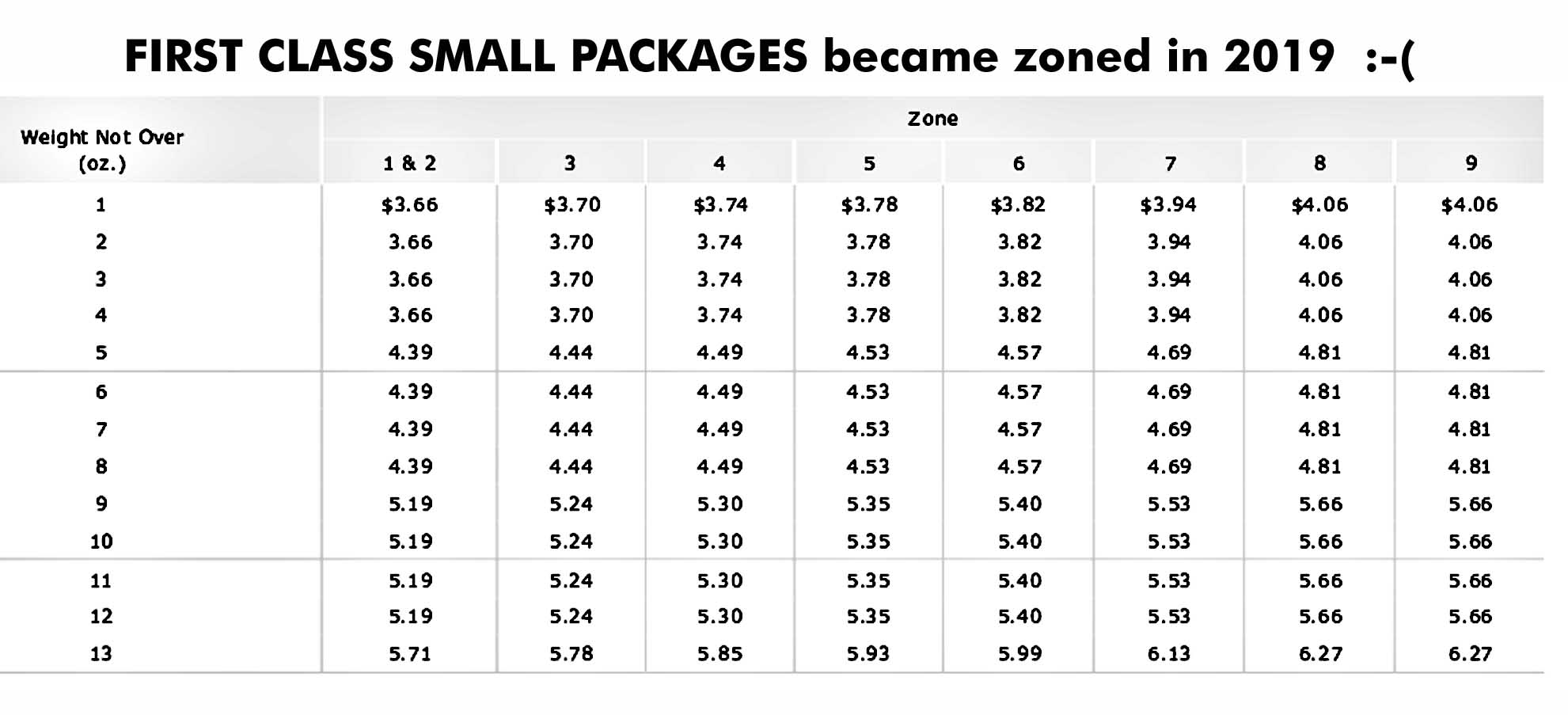
In 2025, the United States Postal Service (USPS) maintained a standardized First-Class Mail Forever stamp rate of $0.73, following adjustments implemented earlier that year. This price applies to standard one-ounce letters mailed within the United States. Understanding these rates is essential for individuals and businesses to ensure mail reaches its destination without delay, surcharges, or being returned to the sender.
Understanding the Role of Forever Stamps
The concept of the Forever stamp remains one of the most practical tools for postal customers. These stamps are designed to be valid for mailing a standard one-ounce letter regardless of any future price increases. Because the postage rate has evolved over time, many consumers find themselves holding a collection of stamps purchased at various historical price points.
If you have older stamps in your possession, they are not invalidated by the introduction of new rates. You can still use them to meet the current $0.73 requirement by adding supplemental postage—often in the form of smaller denomination "cent" stamps—to reach the necessary total. This ensures that the value of your initial purchase remains intact, protecting consumers from the financial volatility of frequent postal rate adjustments.
Breakdown of the 2025 First-Class Mail Rates
The pricing structure for USPS services is categorized by the type of mail, its physical characteristics (weight, dimensions, and thickness), and the level of service required. The $0.73 rate for a standard one-ounce letter is the most common price point, but it represents only a small portion of the broader USPS pricing landscape.
When mailing items that exceed standard specifications, the price increases accordingly. For example, additional weight in a standard letter envelope requires "Additional Ounce" stamps, which are sold at a lower unit price than the primary Forever stamp. If a letter is square, rigid, or contains items that prevent it from passing through automated sorting machines, it is classified as "non-machinable" and incurs a surcharge.
| Mail Class | 2025 Base Rate | Description |
|---|---|---|
| First-Class Letter (1 oz) | $0.73 | Standard letter size, rectangular, machinable. |
| Additional Ounce | $0.28 | Added cost for each ounce over the first. |
| Postcard | $0.56 | Standard postcard dimensions (up to 6" x 4.25"). |
| Metered Mail (1 oz) | $0.69 | Discounted rate for businesses using postage meters. |
| Non-machinable Surcharge | $0.46 | Applies to rigid, square, or irregular envelopes. |
The Mechanics of "Non-Machinable" Mail
Many senders are surprised when a letter is returned for insufficient postage despite having a $0.73 stamp affixed. This usually occurs because the item is classified as non-machinable. The USPS automated processing equipment is highly efficient but requires mail to be rectangular, flexible, and of a standard thickness.
If you are sending an invitation, a thick greeting card with embellishments, or a square envelope, your mail piece cannot be processed through the standard high-speed sorters. These machines rely on rollers and belts that can tear, jam, or damage items that are not uniform. Consequently, such mail must be processed by hand, which is labor-intensive and results in the non-machinable surcharge. If you suspect your mail piece might trigger this cost, it is best to have it weighed and measured at a local Post Office retail counter to avoid the inconvenience of a returned envelope.
Business Mailing and Metered Mail Advantages
Businesses that process high volumes of mail often utilize postage meters or online shipping software rather than adhesive Forever stamps. The 2025 pricing structure included a "Metered Mail" rate of $0.69, which is slightly lower than the retail stamp rate. This represents a strategic incentive provided by the USPS to encourage efficient, standardized mail preparation.
By using a postage meter or an authorized PC Postage vendor, businesses can print their own indicia directly onto envelopes or labels. This process not only saves money per piece but also improves mail flow by pre-coding the information that the USPS needs for sorting. For a business sending thousands of pieces, the $0.04 difference between the stamp rate and the metered rate results in significant operational savings over the course of the fiscal year.
Managing International and Specialty Postage
The $0.73 domestic rate does not apply to international correspondence. Mail sent outside the United States requires Global Forever stamps or a combination of stamps that meet the current international rate. In 2025, the rate for a one-ounce letter to any country—excluding certain unique weight classes—was $1.65.
Like the domestic Forever stamp, Global Forever stamps are designed to maintain their value regardless of subsequent international rate hikes. If you are sending heavier documents or small packages internationally, the price scales significantly based on the destination country (grouped into distinct price groups) and the weight of the parcel. When mailing internationally, always verify the specific weight requirements, as even a minor discrepancy can result in the item being held by customs or returned to the sender.
Common Pitfalls and Troubleshooting
A frequent point of confusion involves the "Additional Ounce" rate. If you are mailing a wedding invitation or a thick report, you might require two or three ounces of postage. It is a common mistake to assume that putting two Forever stamps on an envelope covers two ounces; it actually covers $1.46 of postage, which is more than enough for two ounces ($0.73 + $0.28 = $1.01). While this technically ensures the mail is delivered, it is a waste of money.
If you are unsure of the weight of your mail, you do not necessarily need a specialized postal scale. Most standard kitchen scales are sufficiently accurate to tell you if your envelope is over one ounce. However, for critical documents, visiting a post office to use their calibrated scales is the safest way to ensure you are not overpaying or underpaying.
Another issue involves "Forever" stamps that were purchased many years ago. Occasionally, a customer may find a book of stamps from a decade ago when postage was significantly cheaper (e.g., $0.44). While these are still "Forever" stamps and valid for current use, you must ensure the total face value of the stamps on the envelope equals or exceeds $0.73.
Frequently Asked Questions
Are Forever stamps still valid if the price increases? Yes. Forever stamps are explicitly designed to be valid for the cost of a one-ounce First-Class letter, regardless of what the current price is. You do not need to add extra postage to a Forever stamp when the price changes.
How can I tell if my envelope requires extra postage? Your envelope requires extra postage if it weighs more than one ounce, is non-machinable (square, rigid, or has lumpy objects inside), or is being mailed to an international destination. Use a scale to check the weight and consult the USPS website for shape requirements.
What should I do if I underpaid the postage? If the USPS identifies a piece of mail as having insufficient postage, it may be returned to the return address provided on the envelope. If there is no return address, it may be sent to the Mail Recovery Center, or the recipient may be asked to pay the remaining balance to receive the item.
Can I use old postage stamps that are not Forever stamps? Yes, you can use any valid, previously issued US postage stamp. However, because they are not "Forever" stamps, their value is limited to the denomination printed on them. You must use enough of them to reach the current $0.73 rate.
Why is there a difference between the stamp price and the metered mail price? The USPS offers a discount for metered mail because these items are prepared in a way that is easier for the postal service to process. Businesses that use meters help streamline the sorting process, and that efficiency is reflected in the lower price.
Next Steps for Postal Efficiency
To ensure your mail arrives promptly and cost-effectively, start by weighing your items accurately. For frequent mailers, investing in a small digital postal scale is a worthwhile expense that pays for itself quickly by preventing the habit of "over-stamping" envelopes.
When preparing mail for business or personal events, check the USPS website's "Postal Explorer" tool for the most current information regarding size and weight limitations. By adhering to standard envelope dimensions and verifying the postage amount before dropping your mail in a collection box, you eliminate the risk of delays and ensure that your correspondence moves through the system smoothly. If you have a large volume of mail or items that are unusual in size, consider speaking with a clerk at your local retail post office to confirm the best and most economical shipping method.