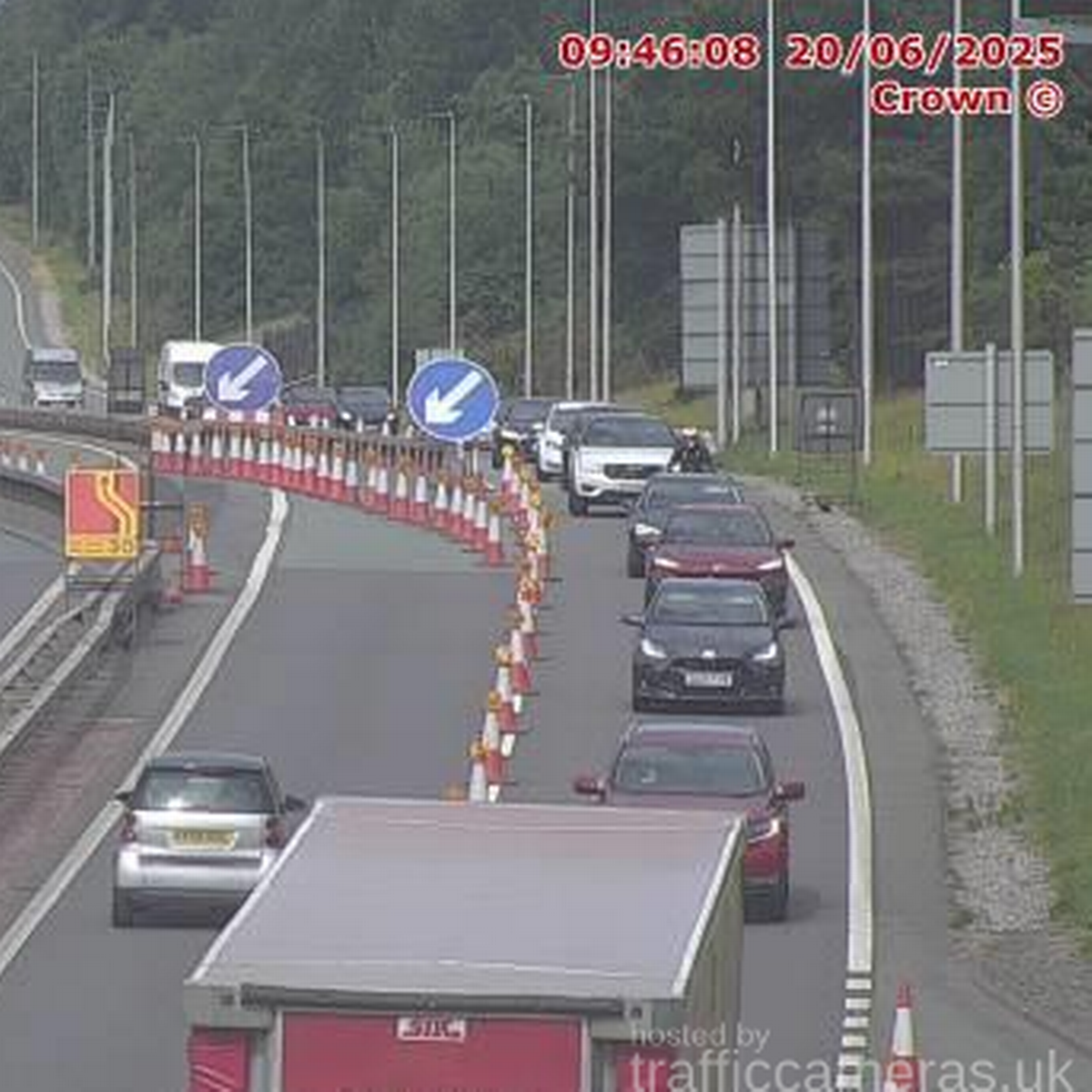
The 2024 A55 traffic update refers to the comprehensive series of infrastructure improvements, structural maintenance, and traffic management strategies implemented along the A55 North Wales Expressway throughout the 2024 calendar year. These updates were designed to enhance tunnel safety, modernize drainage systems, and address long-term carriageway deterioration to improve regional connectivity and commuter reliability.
Understanding the A55 North Wales Expressway
The A55, known as the North Wales Expressway, serves as the primary arterial route connecting the Port of Holyhead with the M56 motorway in Cheshire. Its significance cannot be overstated; it is the economic backbone of North Wales, facilitating heavy freight traffic, international tourism, and essential daily commuting. Because of its critical nature, any maintenance or update—such as those categorized under the 2024 traffic update—requires meticulous planning to balance the necessity of infrastructure preservation with the requirement to keep the regional economy moving.
During 2024, the Welsh Government and the North and Mid Wales Trunk Road Agent (NMWTRA) initiated several high-priority projects. Unlike routine pothole filling or short-term line painting, the 2024 updates represented a strategic push toward digital integration and safety-critical engineering, particularly within the tunnel sections that define the route’s geography.
Scope of the 2024 Infrastructure Improvements
The updates executed in 2024 were categorized by specific operational goals. These were not merely cosmetic; they addressed structural fatigue and technological obsolescence. The primary areas of focus included:
- Tunnel Systems Modernization: The Conwy and Penmaenbach tunnels require constant environmental and safety monitoring. In 2024, upgrades included the integration of improved LED lighting, enhanced fire suppression sensors, and modernized ventilation controls. These changes were aimed at reducing the risk of incident-related closures, which historically cause significant congestion across the entire route.
- Drainage and Flood Mitigation: Given the topographical challenges of North Wales, drainage systems on the A55 have been susceptible to climate-related strain. 2024 saw targeted excavations and the clearing of culverts along flood-prone segments, particularly in areas near the coast where salt spray and storm surges contribute to accelerated infrastructure degradation.
- Carriageway Resurfacing: A major component of the 2024 program involved low-noise surfacing. By replacing older, cracked asphalt with more durable, noise-attenuating materials, authorities aimed to balance the needs of local residents living near the arterial route with the operational requirements of heavy transport vehicles.
Traffic Management and Operational Impacts
One of the most frequent challenges for A55 users in 2024 was the management of lane closures and contraflow systems. The NMWTRA utilized a phased approach to minimize disruption, typically scheduling the most intensive work during off-peak night hours. However, the complexity of the 2024 projects meant that some daytime lane restrictions were unavoidable.
For the regular commuter, these updates necessitated a change in travel habits. The implementation of variable message signs (VMS) became more critical in 2024, as these devices provided real-time data to motorists, helping them divert to the A548 or A5025 when major incidents occurred or when scheduled maintenance created significant bottlenecks. The 2024 protocol emphasized "incident prevention," where predictive data was used to adjust traffic flow speeds before congestion could peak, rather than reacting to it after it formed.
Comparison of Traffic Maintenance Strategies
To understand how the 2024 approach differed from previous years, it is helpful to look at the shift in priorities regarding infrastructure management.
| Feature | Pre-2024 Approach | 2024 Strategic Update |
|---|---|---|
| Primary Goal | Reactive repair and patching | Proactive structural life-extension |
| Technology | Standard lighting and signage | Smart-monitoring and LED systems |
| Commuter Info | Static warning signs | Real-time digital traffic integration |
| Environmental | Basic drainage maintenance | Enhanced flood and debris mitigation |
The shift from reactive repair to proactive maintenance is the defining characteristic of the 2024 period. By investing in higher-quality materials and better-integrated monitoring, the authorities aimed to reduce the total frequency of "emergency" maintenance days that frequently caught drivers off-guard in previous years.
Economic and Safety Implications
The safety improvements implemented in 2024 were designed to address specific crash hotspots identified in earlier years. The A55 experiences a unique mix of high-speed long-distance traffic and local traffic making frequent lane changes. By optimizing slip-road lighting and enhancing the visibility of junction markings, the 2024 project sought to reduce the "start-stop" friction that often leads to rear-end collisions.
Economically, the updates were vital for the Port of Holyhead. As a primary gateway for trade between Ireland and the UK, any prolonged closure or significant delay on the A55 acts as an immediate tax on logistics companies. The 2024 updates prioritized the reliability of this route to ensure that freight could maintain its schedule, thereby protecting the regional supply chain from volatility.
Common Challenges for Motorists
Despite the benefits, the 2024 updates were not without friction. Motorists frequently reported difficulty navigating the complex signage associated with temporary traffic management, particularly during the transition from dual-lane to single-lane sections.
Common obstacles noted during the 2024 period included:
- Signage Confusion: At high speeds, the speed limit signs on temporary traffic management sections were occasionally inconsistent with navigation app data, leading to driver frustration.
- Reduced Buffer Zones: While safety was the priority, the narrowing of lanes in tunnel sections created a psychological barrier for drivers of wider commercial vehicles, often resulting in "rubbernecking" and subsequent artificial congestion.
- Weather Dependency: Several phases of the 2024 project were subject to weather delays, causing planned overnight closures to spill over into early morning peak hours.
Frequently Asked Questions
1. Was the 2024 A55 update a permanent change to the road layout? No. The 2024 updates were primarily maintenance-oriented and structural. They did not involve widening the carriageway or adding new lanes, but rather upgrading the existing infrastructure to modern safety and efficiency standards.
2. Why was there so much maintenance on the A55 in 2024? The A55 requires constant upkeep due to the high volume of heavy goods vehicles and the harsh coastal environment. The 2024 schedule was part of a multi-year investment plan to ensure the long-term viability of the tunnels and bridge structures.
3. How can I check for current traffic alerts on the A55? While the 2024 projects have concluded, real-time status updates are consistently provided by the Traffic Wales website and their official social media channels. It is recommended to check these sources before starting any long-distance journey along the North Wales coast.
4. Did the 2024 updates include any changes to the speed limit? The statutory speed limits remained unchanged throughout 2024. However, temporary speed reductions were enforced during specific maintenance phases to ensure the safety of construction crews working near live traffic.
5. Are the tunnels safer following the 2024 improvements? Yes. The integration of modern fire suppression and updated lighting systems in the tunnels directly addresses safety risks. These systems allow for faster incident response and better visibility, which are critical for preventing multi-vehicle accidents within confined spaces.
Final Guidance for Road Users
When traveling along the A55, the best approach for modern motorists is to rely on official traffic reporting services rather than static maps. Even though the heavy-duty maintenance of 2024 has passed, the legacy of that work remains in the modernized systems that now manage the route. Always observe the variable speed limit signs; they are calibrated based on traffic density and weather conditions, and adhering to them is the most effective way to prevent the formation of "phantom" traffic jams. For those planning future travel, checking the Traffic Wales live map remains the standard for avoiding delays caused by residual maintenance or unexpected incidents.