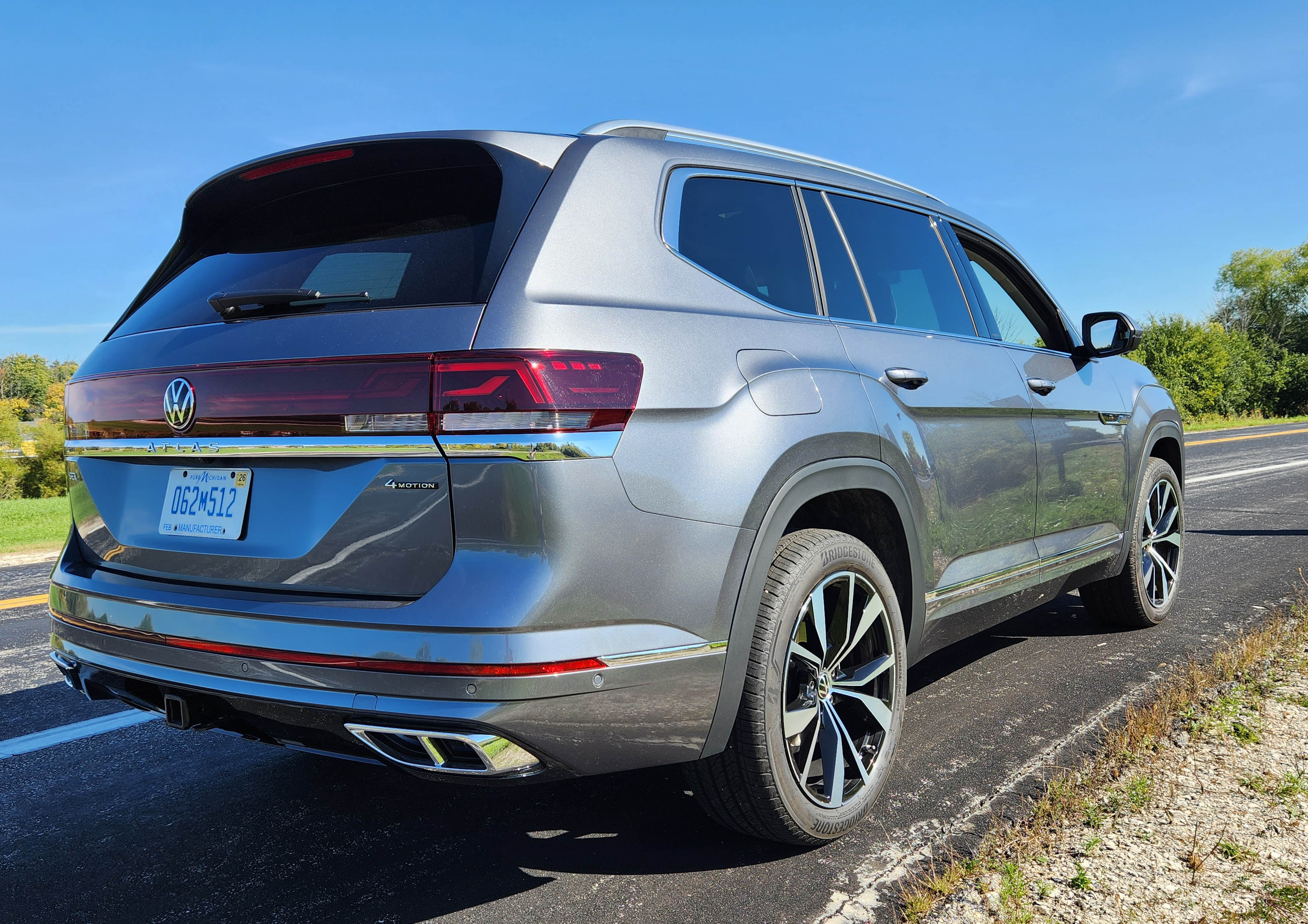
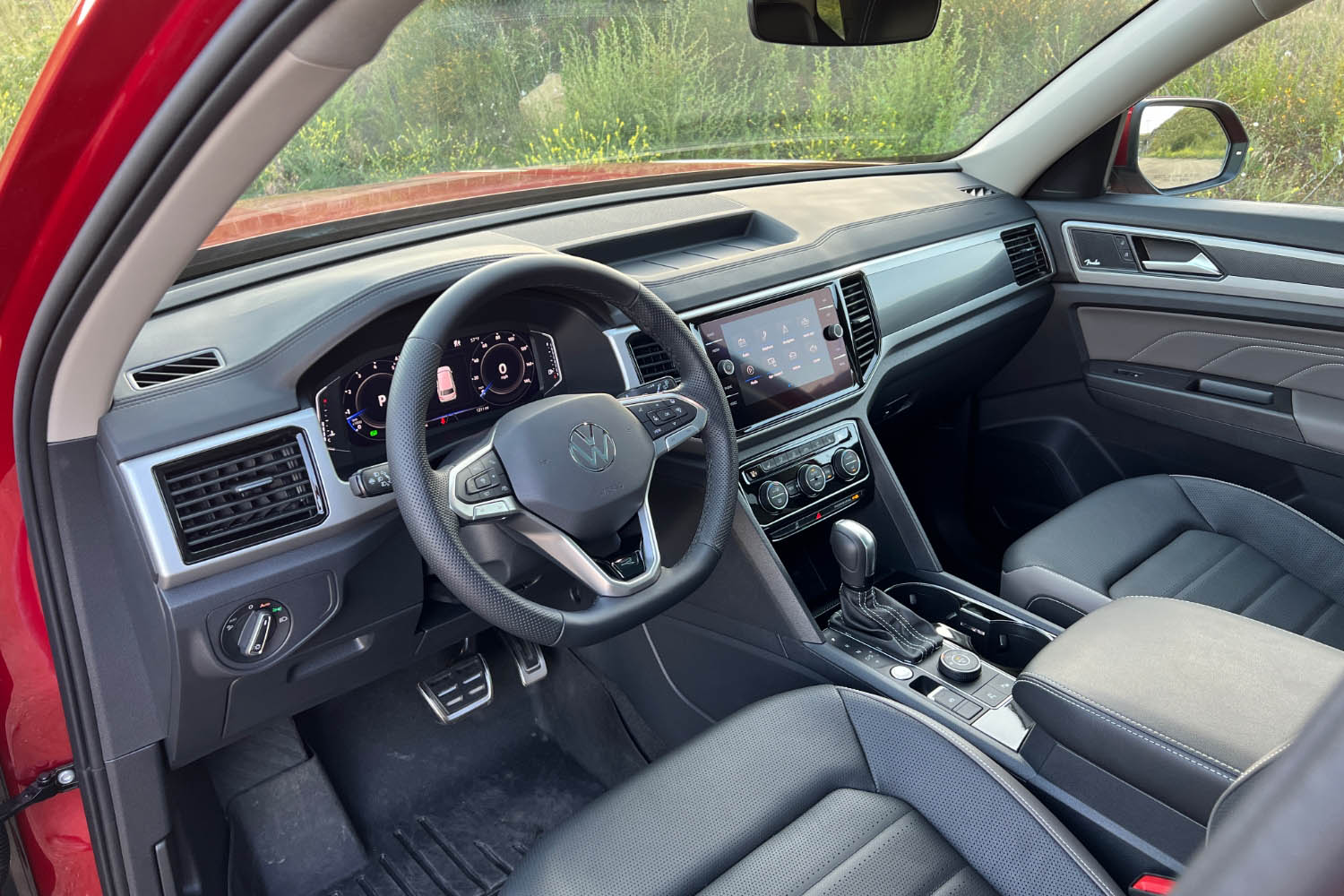
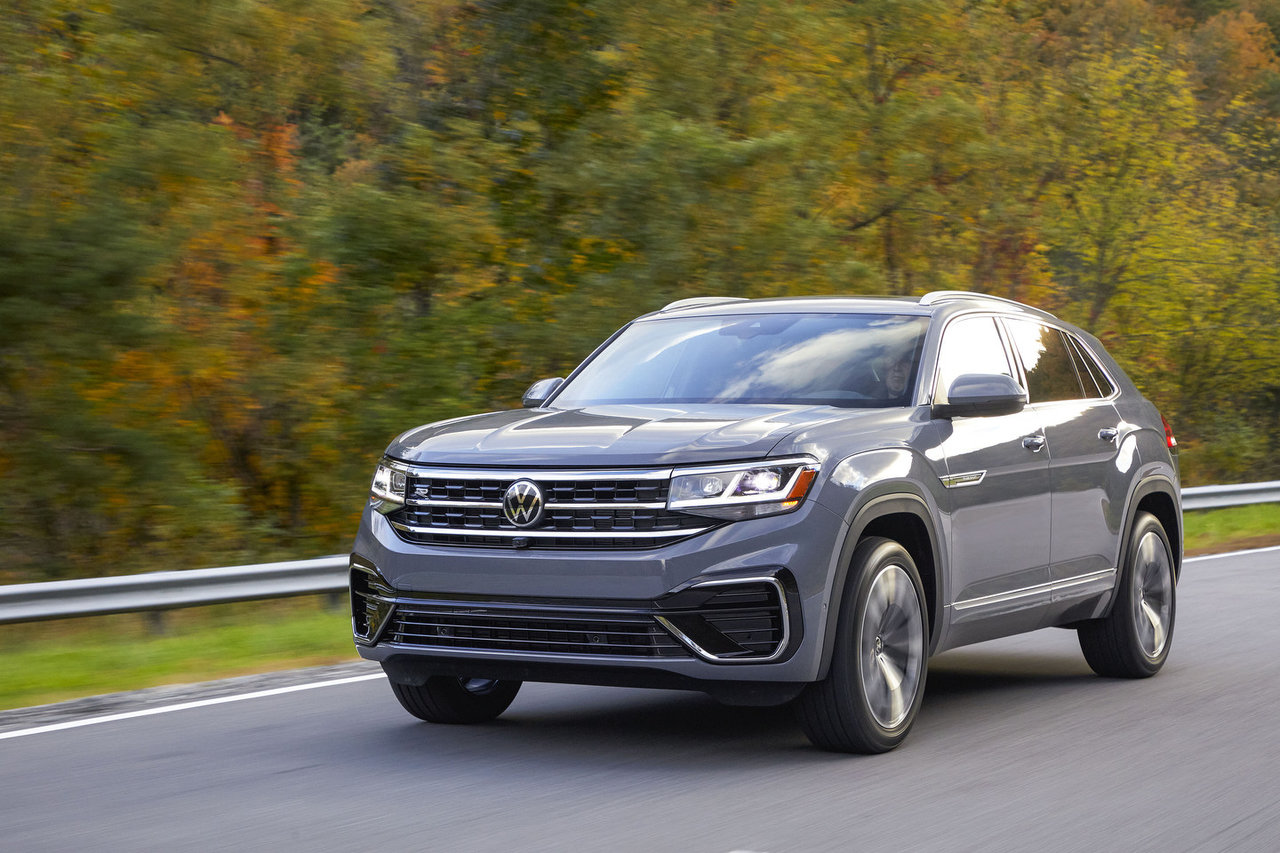
The 2022 Volkswagen Atlas SEL represents a critical mid-cycle point for the first-generation Atlas, balancing modern technology with established mechanical platforms. This timeline covers its late-2021 release through its current status in 2026, detailing essential maintenance intervals, technical specifications, and resale performance for owners and prospective buyers in the secondary market.
The Production and Market Entry Timeline (2021–2022)
The 2022 model year for the Volkswagen Atlas was a period of refinement rather than radical redesign. Following the major aesthetic refresh in 2021, the 2022 Atlas SEL arrived at North American dealerships in the final quarter of 2021 and early 2022. This period was characterized by significant global supply chain constraints, which influenced the availability of certain electronic components and trim-specific features.
In the 2022 lineup, the SEL trim occupied a "sweet spot" in the hierarchy, positioned above the SE and SE with Technology, but below the premium SEL Premium R-Line. This trim was designed to offer the most desirable luxury features—such as the Volkswagen Digital Cockpit Pro and a panoramic sunroof—without the significantly higher price tag of the R-Line variants.
Mechanically, the 2022 Atlas SEL continued to offer two powertrain options: the 2.0-liter turbocharged four-cylinder (EA888) and the 3.6-liter VR6 engine. While the 2.0T became the default for several trims, the SEL often carried the VR6 as a preferred choice for buyers requiring a 5,000-pound towing capacity. As of 2026, these 2022 models have largely transitioned into their second or third owners, making the understanding of their historical timeline essential for assessing long-term reliability.
Technical Specifications and Feature Evolution
To understand the 2022 Atlas SEL timeline, one must look at the specific technical "freezes" that occurred during this production year. Unlike the 2024 refresh, which moved exclusively to four-cylinder power, the 2022 model preserved the naturally aspirated VR6 engine, a factor that has maintained the vehicle's demand in the 2026 used market.
Powertrain and Performance
The SEL trim provided the 4Motion All-Wheel Drive (AWD) system as standard equipment for most configurations, utilizing a Haldex-style center differential. This system is reactive, sending power to the rear wheels when front-slip is detected, which maximizes fuel efficiency during highway cruising.
- 2.0L TSI Turbo: Delivering 235 horsepower and 258 lb-ft of torque.
- 3.6L VR6: Delivering 276 horsepower and 266 lb-ft of torque.
- Transmission: Both engines were paired with an 8-speed Aisin automatic transmission, known for its smooth shifting and durability compared to earlier DSG units used in smaller Volkswagen models.
The Digital Cockpit Pro Integration
2022 was a significant year for the "Digital Cockpit Pro." While earlier SEL models had digital displays, the 2022 version featured improved processing speeds and higher resolution. This 10.25-inch display allowed for full-screen navigation maps directly in the driver’s line of sight—a feature that remains competitive with brand-new vehicles in 2026.
The 100,000-Mile Service and Maintenance Timeline
For an owner of a 2022 Atlas SEL in 2026, the vehicle is likely approaching or has surpassed the 50,000 to 60,000-mile mark. Following the Volkswagen-recommended maintenance timeline is the only way to ensure the longevity of the complex AWD system and the high-tension turbocharger components.
Initial Service Years (0–30,000 Miles)
During the first three years (roughly 2022 through 2024), the Atlas typically required standard oil changes every 10,000 miles or 12 months. Volkswagen’s "Carefree Maintenance" program covered the first two years of these services. Key milestones included:
- 10,000 Miles: Oil and filter change, tire rotation.
- 20,000 Miles: Full vehicle inspection, cabin air filter replacement, and brake fluid health check.
- 30,000 Miles: Brake fluid flush and replacement. This is a critical time-based service (every 2–3 years) regardless of mileage.
Intermediate Service Years (40,000–70,000 Miles)
In 2026, many 2022 Atlas SEL units are entering their "major" service phase. The 40,000-mile mark is the most expensive and vital service in the early lifecycle of the vehicle.
- 40,000 Miles: For the 2.0T engine, this is when spark plugs must be replaced. The engine air filter and the AWD Haldex coupling fluid should also be inspected and changed to prevent pump failure.
- 60,000 Miles: A secondary thorough inspection of the cooling system and the serpentine belt. The 2022 Atlas has shown a historical sensitivity to coolant leaks near the water pump/thermostat housing; 2026 owners should monitor for a sweet smell or low-coolant warnings.
Maintenance Summary Table
| Mileage/Interval | Service Type | Critical Components | Estimated Cost (2026 USD) |
|---|---|---|---|
| 10,000 / 1 Year | Minor | Synthetic Oil, Filter, Tire Rotation | $120 - $180 |
| 20,000 / 2 Years | Standard | Cabin Filter, Brake Inspection | $250 - $350 |
| 30,000 / 3 Years | Time-Based | Brake Fluid Flush | $150 - $220 |
| 40,000 / 4 Years | Major | Spark Plugs (2.0T), Air Filter, Haldex Fluid | $600 - $900 |
| 80,000 / 8 Years | Major | Spark Plugs (VR6), Transmission Fluid (Optional) | $800 - $1,100 |
Safety and Driver Assistance Timeline: IQ.DRIVE
The 2022 Atlas SEL was a primary beneficiary of the standardizing of "IQ.DRIVE." This suite of Advanced Driver Assistance Systems (ADAS) set the benchmark for the model's safety ratings. Understanding how these systems age is crucial for 2026 owners, as sensors may require recalibration if the windshield is replaced or if the vehicle is involved in a minor collision.
- Travel Assist: A semi-automated driving assistant that combines Adaptive Cruise Control (ACC) and Lane Assist. In the 2022 SEL, this system can be activated with a single button on the steering wheel.
- Front Assist: Forward Collision Warning and Autonomous Emergency Braking with Pedestrian Monitoring.
- Active Side Assist: Blind spot monitoring that not only warns the driver but can provide counter-steering if the driver attempts to change lanes into an occupied space.
- Emergency Assist: A safety feature that can bring the vehicle to a controlled stop if it detects the driver is no longer active (incapacitated).
In 2026, the software powering these systems may receive updates during routine dealership service visits. Owners should ensure their local technician checks for "Campaigns" or "Service Actions" related to the Front Assist camera software, which has seen several refinements since the 2022 launch.
Reliability and Common Issues: The 2026 Perspective
Looking back from 2026, the 2022 Atlas SEL has established a clear reliability profile. While generally robust, especially the VR6 engine, there are specific areas where the timeline of ownership usually encounters friction.
The Infotainment System
The MIB3 infotainment system used in the 2022 model was an improvement over previous versions but faced early software glitches, including wireless Apple CarPlay/Android Auto disconnects. Most of these were resolved through over-the-air (OTA) updates or dealership "re-flashing" between 2022 and 2024. If a 2022 model is experiencing lag today, a hard reset or a firmware update at the dealer is the standard remedy.
Cooling System Integrity
As noted in the maintenance section, the EA888 (2.0T) and even some VR6 models have had reported issues with the water pump and thermostat housing. This typically manifests between 40,000 and 60,000 miles. Owners should check the underside of the engine bay for white/pink crusty residue, which indicates a slow coolant leak.
Tires and Brakes
Due to the Atlas’s significant curb weight (over 4,500 lbs), the 2022 SEL tends to consume tires and brake pads faster than smaller SUVs. The factory-equipped tires rarely last beyond 35,000 miles. By 2026, most 2022 models should be on their second set of tires and likely their second set of front brake pads.
Resale Value and Market Position in 2026
The 2022 Atlas SEL has maintained a respectable resale value due to several factors. First, it is the last generation to offer the VR6 engine, which is highly prized by those who tow trailers or prefer the linear power delivery of a non-turbocharged engine. Second, the SEL trim includes the "must-have" tech features that prevent the car from feeling dated compared to 2026 models.
As of 2026, a 2022 Atlas SEL with average mileage (approx. 48,000–55,000 miles) typically retains about 55–60% of its original MSRP, depending on regional demand and vehicle condition. Certified Pre-Owned (CPO) versions of these vehicles are particularly popular, as they often extend the original 4-year/50,000-mile bumper-to-bumper warranty.
Frequently Asked Questions
Does the 2022 Atlas SEL have remote start?
Yes, the 2022 Atlas SEL comes standard with factory-installed remote start. This can be operated via the key fob or through the myVW mobile app. If the remote start fails to engage, the most common cause is a "Check Engine" light or a low fuel level, both of which act as safety overrides to prevent engine damage or stalling.
When should the transmission fluid be changed in a 2022 Atlas?
Volkswagen officially lists the 8-speed automatic transmission fluid as "lifetime" under normal driving conditions. However, most master technicians and enthusiasts recommend a drain and fill every 80,000 miles, especially if the vehicle is used for towing or frequent stop-and-go city driving. For a 2022 model, this milestone would likely be reached between 2027 and 2029.
Is the 2022 Atlas SEL compatible with 5G networks?
The 2022 Atlas SEL utilizes an onboard telematics module (Car-Net) that was designed during the 4G LTE era. While it provides robust connectivity for the myVW app and emergency services, it does not natively support 5G speeds. However, this does not affect the functionality of the vehicle's navigation or safety systems, as they are backwards compatible with existing infrastructure.
What is the difference between the SEL and the SEL R-Line for the 2022 model?
The primary difference is aesthetic. The SEL R-Line features more aggressive front and rear bumpers, side skirts, and unique R-Line badging, along with specific wheel designs. Mechanically, the two are identical, though the R-Line was almost exclusively paired with the VR6 engine and 4Motion AWD.
Does the 2022 Atlas SEL require premium gasoline?
For the 3.6L VR6 engine, regular 87-octane gasoline is recommended. For the 2.0L Turbo engine, the vehicle can run on regular 87-octane, but Volkswagen notes that peak horsepower and torque figures are achieved using premium (91 or 93 octane) fuel. Using regular gas in the turbo engine will not harm the vehicle but may slightly reduce fuel economy and acceleration.
Expert Recommendation for 2026 Owners
If you currently own or are looking to purchase a 2022 Volkswagen Atlas SEL in 2026, your primary focus should be the 40,000-mile service threshold. This is the most significant fork in the road for the vehicle’s long-term health. Ensure that the AWD system's Haldex fluid has been serviced and that the spark plugs are fresh (for the 2.0T).
Additionally, because the 4-year/50,000-mile limited warranty is likely expiring for many 2022 models this year, a comprehensive "end-of-warranty" inspection by an independent European car specialist is highly advised. Catching a leaking water pump or a weeping valve cover gasket while still under the factory warranty can save thousands of dollars in future repairs. The 2022 Atlas SEL remains a highly competent, spacious, and tech-forward family vehicle that, with proper maintenance, is well-positioned to reach the 150,000-mile mark.