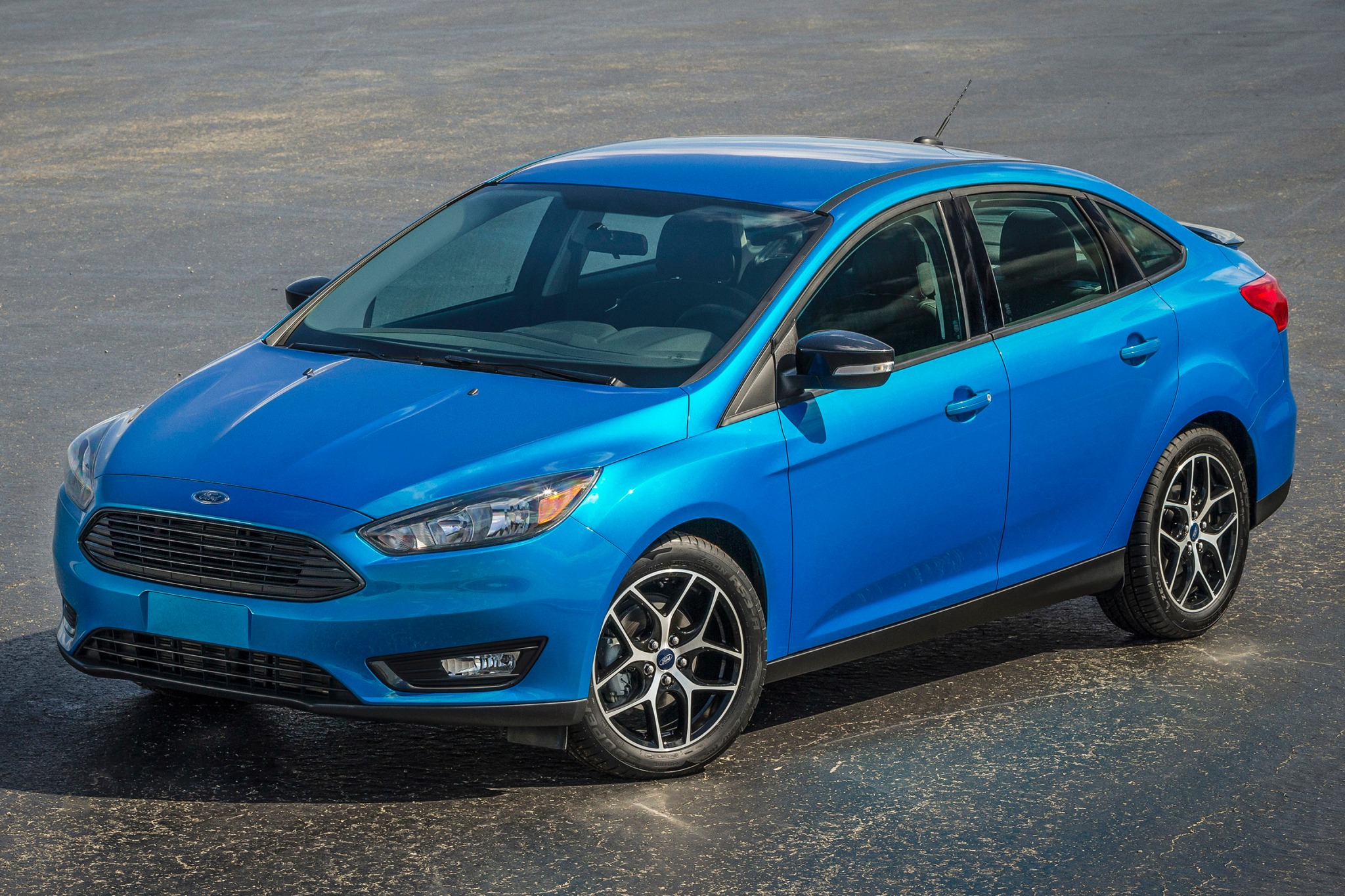
The 2016 Ford Focus offers a broad range of horsepower ratings across its diverse lineup, spanning from a fuel-efficient 123 horsepower in the 1.0L EcoBoost variant to a high-performance 350 horsepower in the rally-inspired Focus RS. The most common configuration, the 2.0L Ti-VCT four-cylinder, produces a balanced 160 horsepower.
The 2016 model year represents a significant peak for the third-generation Focus (internally designated the Mk3.5 facelift). It was a year defined by choice, offering everything from a three-cylinder commuter to a track-ready powerhouse. As we look at these vehicles in 2026, understanding the specific output and mechanical characteristics of each engine is essential for owners, enthusiasts, and used-market buyers who need to distinguish between the base trims and the specialized performance models.
The Standard 2.0L Ti-VCT GDI Engine Performance
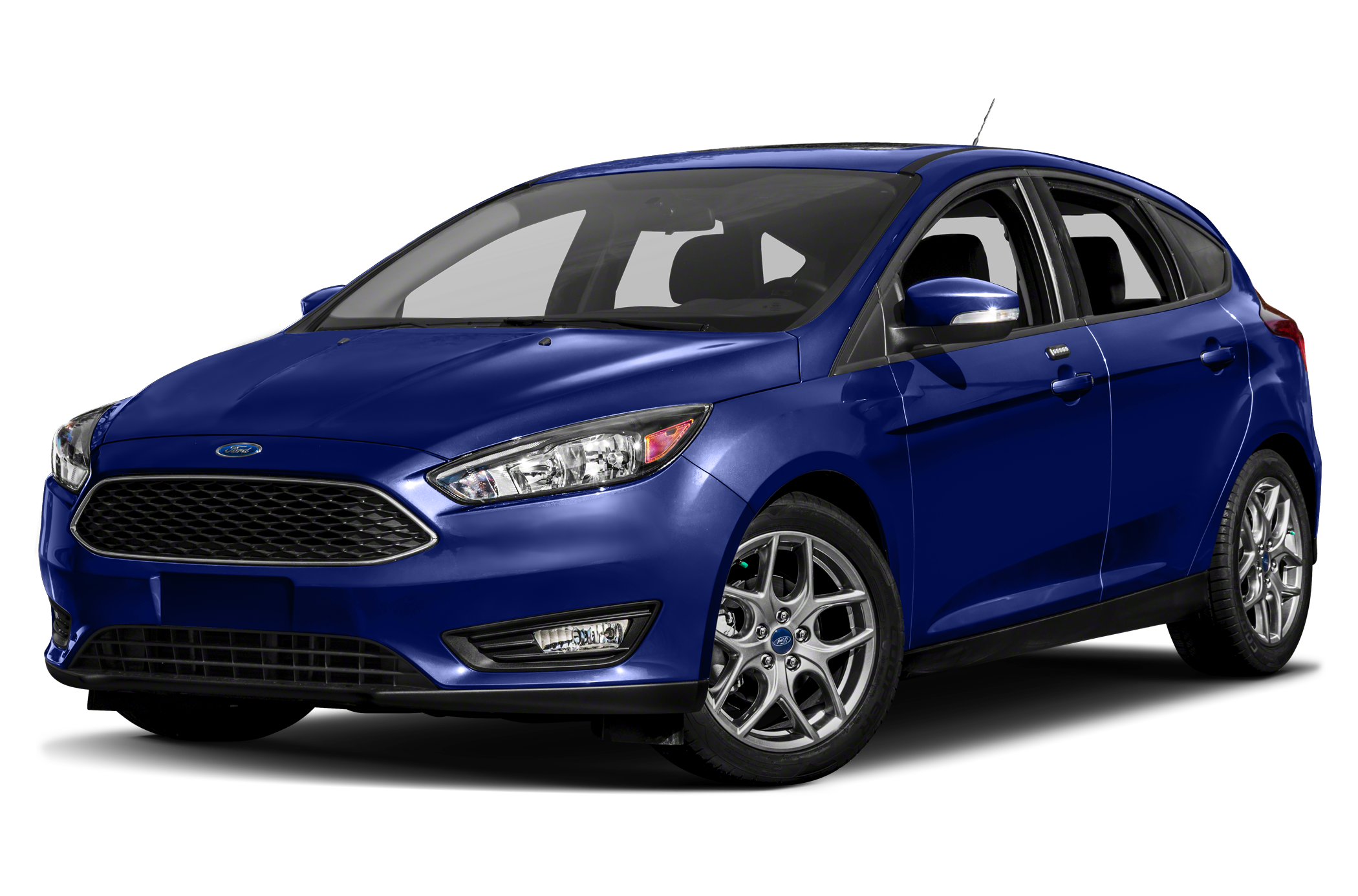
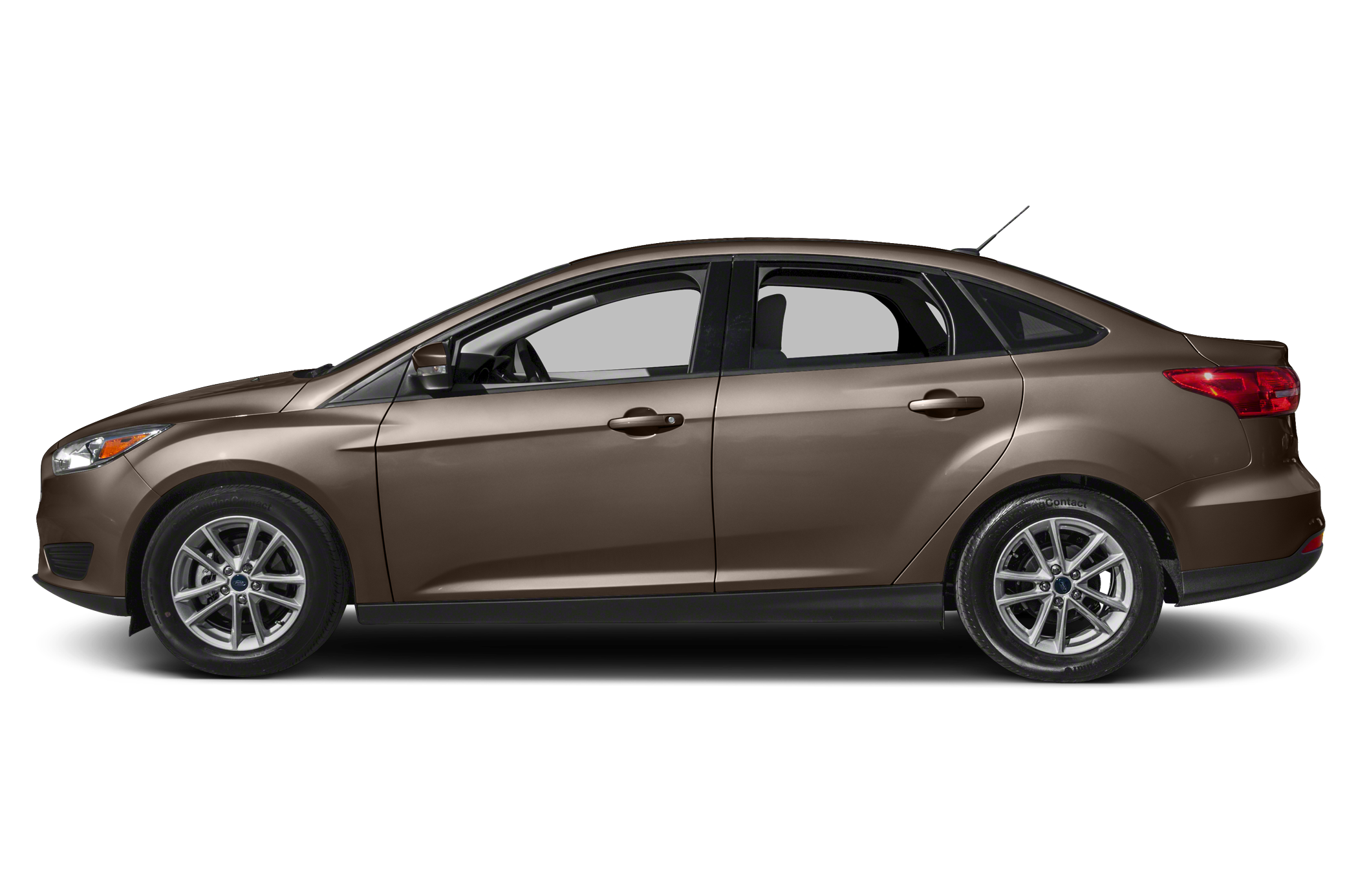
The backbone of the 2016 Ford Focus fleet is the 2.0-liter Ti-VCT (Twin Independent Variable Camshaft Timing) four-cylinder engine. This naturally aspirated power plant was standard on the S, SE, and Titanium trim levels.
Horsepower and Torque Specifications
The 2.0L Ti-VCT engine delivers 160 horsepower at 6,500 RPM and 146 lb-ft of torque at 4,450 RPM. These figures were competitive for the compact car segment in 2016, providing enough pep for highway merging while maintaining respectable fuel economy.
Technical Engineering
The "GDI" in the engine's name stands for Gasoline Direct Injection. By spraying fuel directly into the combustion chamber rather than the intake tract, Ford engineers achieved a higher compression ratio (12.0:1), which directly contributes to the engine's 160-hp output. The Ti-VCT system allows the engine to adjust the timing of both the intake and exhaust camshafts independently. This optimization improves power delivery at high RPMs while maximizing efficiency at lower speeds.
In the 2026 pre-owned market, this engine is known for its longevity, though it is often paired with the PowerShift dual-clutch transmission, which has a documented history regarding shift quality. From a pure horsepower perspective, this engine remains a reliable "middle-of-the-road" option that balances daily usability with sufficient power.
The 1.0L EcoBoost: Efficiency-Focused Power
For the 2016 SE trim, Ford offered an optional 1.0-liter three-cylinder EcoBoost engine, often marketed as the "SFE" (Super Fuel Economy) package.
Horsepower and Torque Specifications
This diminutive turbocharged engine produces 123 horsepower at 6,000 RPM and 125 lb-ft of torque starting at 2,500 RPM. While it has the lowest horsepower rating in the 2016 lineup, its torque delivery is surprisingly linear due to the turbocharger, making it feel more capable in city driving than the numbers might suggest.
Purpose and Driveability
The primary goal of the 1.0L EcoBoost was not raw speed, but rather a balance of efficiency and weight reduction. Because the engine block is remarkably small—famously touted as being able to fit inside a carry-on suitcase—the front end of the car is lighter, which subtly improves steering response. However, for drivers prioritizing highway passing power, the 123-hp output can feel strained compared to the 160-hp base engine.
Focus ST: The High-Output Hatchback
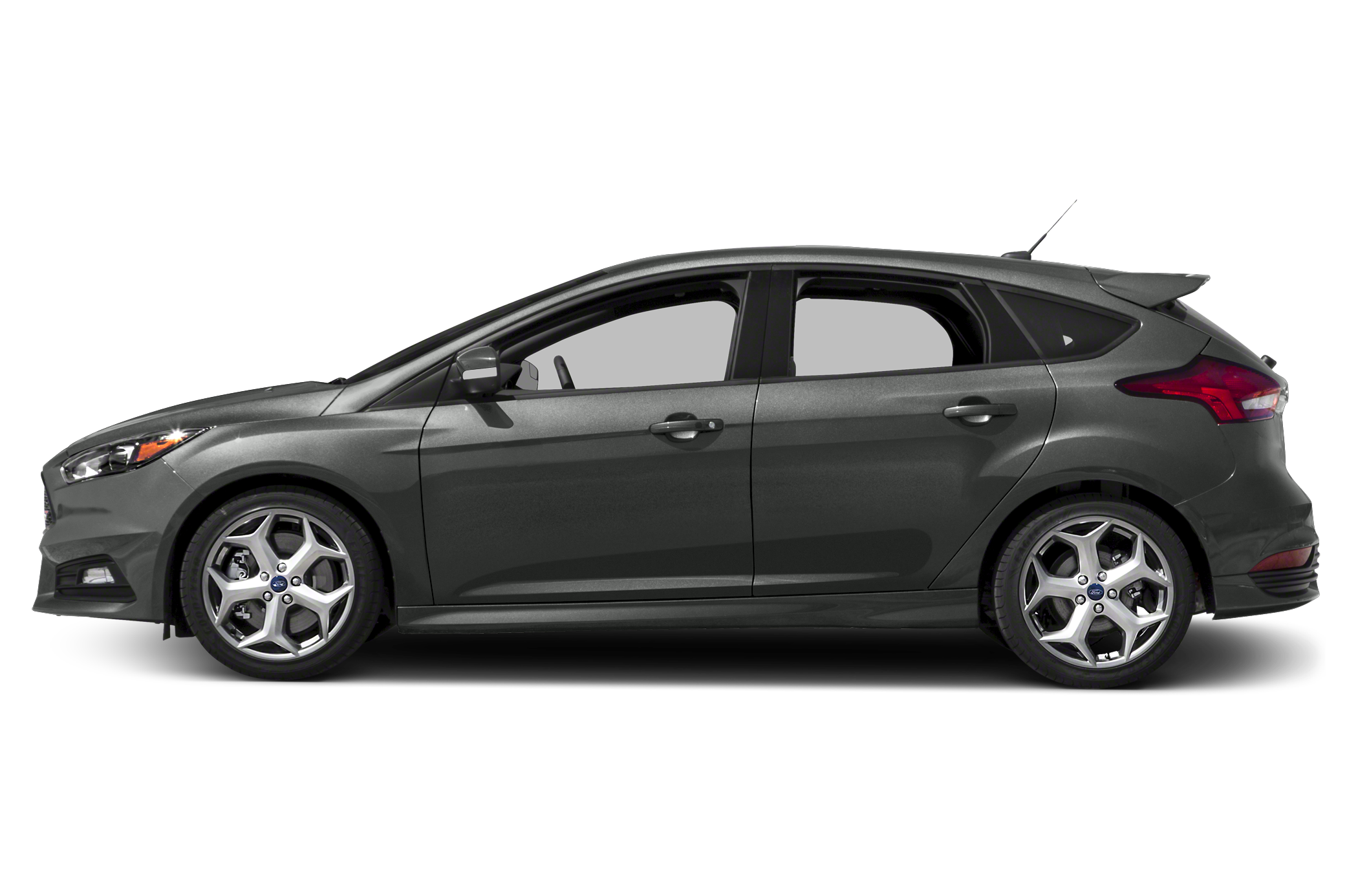
The 2016 Ford Focus ST (Sport Technologies) was designed to bridge the gap between a standard commuter and a dedicated sports car. It utilizes a more aggressive 2.0-liter EcoBoost engine.
Horsepower and Torque Specifications
The Focus ST generates 252 horsepower at 5,500 RPM and 270 lb-ft of torque at 2,500 RPM. These figures are achieved through high-pressure direct injection and a low-inertia turbocharger that spins up quickly to reduce lag.
The Overboost Feature
A key technical detail of the 2016 ST is the "overboost" function. Under full throttle, the engine control unit (ECU) allows the turbocharger to exceed its standard boost pressure for up to 15 seconds. This provides a temporary surge in torque, which is particularly useful for overtaking or exiting a corner on a closed circuit.
To manage this extra power, the ST features a unique cooling system and a more robust manual transmission. In 2026, the ST remains a favorite for aftermarket tuning, as the 2.0L EcoBoost platform is capable of reaching significantly higher horsepower figures with bolt-on modifications and ECU remapping.
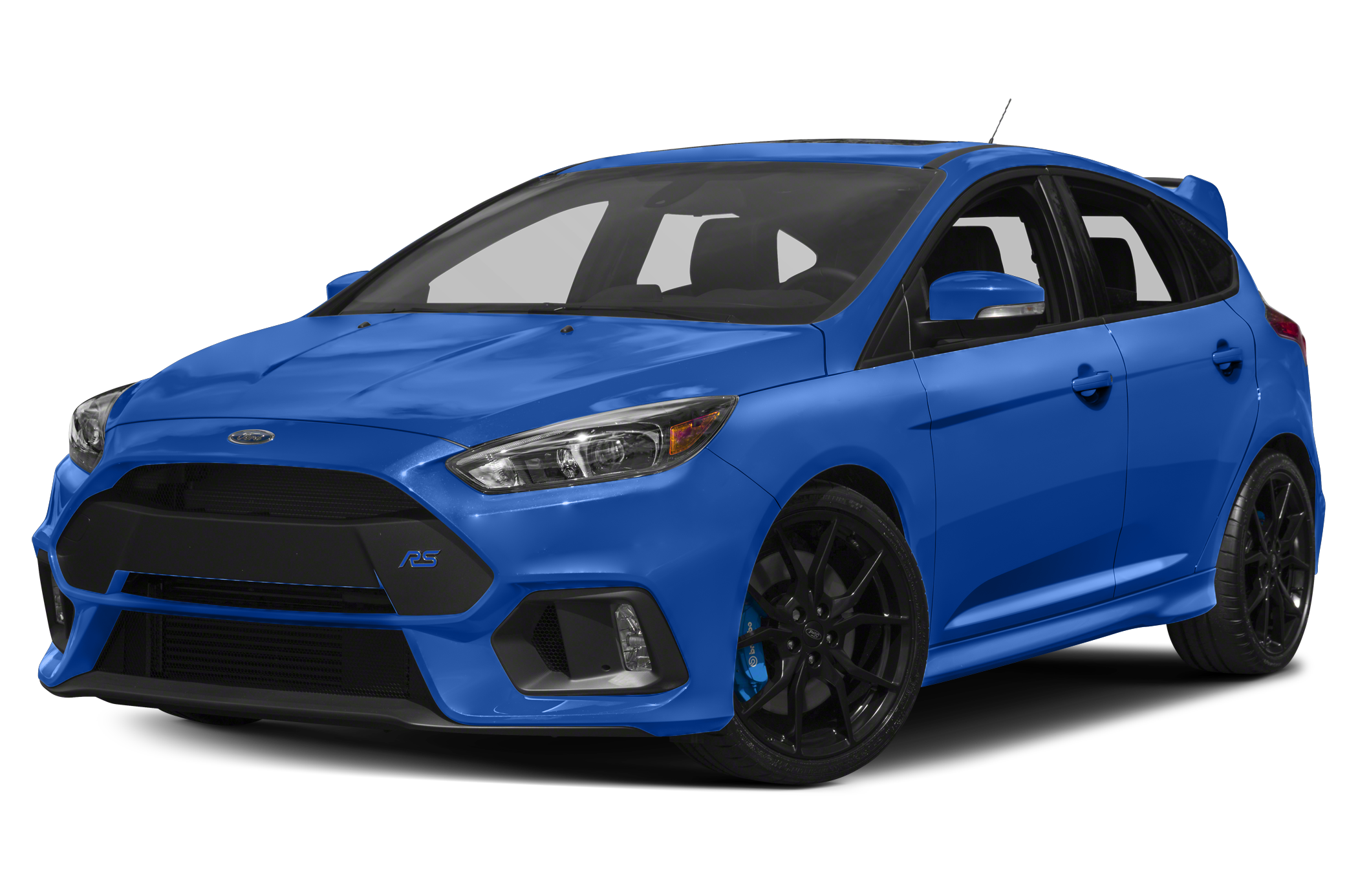
Focus RS: The Performance Pinnacle
The 2016 model year saw the highly anticipated debut of the Focus RS in North America. This model completely redefined what was possible for a compact Ford hatchback.
Horsepower and Torque Specifications
The Focus RS features a 2.3-liter EcoBoost four-cylinder engine—similar to the one found in the Mustang of the same era—but significantly modified for this application. It produces a staggering 350 horsepower at 6,000 RPM and 350 lb-ft of torque at 3,200 RPM.
Engineering for 350 Horsepower
To achieve this output, Ford Performance implemented several hardware upgrades:
- Larger Turbocharger: A twin-scroll turbocharger with a larger compressor wheel.
- Enhanced Cooling: A significantly larger radiator and a massive intercooler to manage the heat generated by 23.2 psi of boost.
- Cylinder Head Upgrades: The RS uses a unique alloy cylinder head capable of withstanding higher thermal loads.
With a 0-60 mph time of approximately 4.6 seconds, the 2016 Focus RS remains a potent performance vehicle even by 2026 standards. Its power is sent to all four wheels through an advanced All-Wheel Drive (AWD) system with dynamic torque vectoring.
2016 Ford Focus Electric: Silent Horsepower
For the environmentally conscious, the 2016 Ford Focus Electric provided a battery-electric alternative. While it doesn't use a combustion engine, its electric motor is still rated in horsepower.
Horsepower and Torque Specifications
The Focus Electric utilizes a 107-kW permanent-magnet electric traction motor, which produces the equivalent of 143 horsepower and 184 lb-ft of torque.
The defining characteristic of the Electric model’s power is its delivery. Unlike the gasoline engines that need to "rev up" to reach their peak horsepower, the electric motor provides its maximum torque of 184 lb-ft instantly from 0 RPM. This makes the 143-hp rating feel much punchier in stop-and-go traffic than the 123-hp or 160-hp gasoline models.
2016 Ford Focus Horsepower Comparison Table
| Engine Type | Trim Level(s) | Horsepower | Torque (lb-ft) | Aspiration |
|---|---|---|---|---|
| 1.0L EcoBoost I-3 | SE (EcoBoost Package) | 123 hp | 125 lb-ft | Turbocharged |
| 2.0L Ti-VCT I-4 | S, SE, Titanium | 160 hp | 146 lb-ft | Naturally Aspirated |
| Electric Motor | Electric | 143 hp | 184 lb-ft | N/A (Electric) |
| 2.0L EcoBoost I-4 | ST | 252 hp | 270 lb-ft | Turbocharged |
| 2.3L EcoBoost I-4 | RS | 350 hp | 350 lb-ft | Turbocharged |
Factors That Influence Real-World Horsepower
When evaluating a 2016 Ford Focus in 2026, it is important to recognize that the "factory" horsepower rating is a measurement taken at the engine's crankshaft under ideal conditions. Several factors can influence the actual power that reaches the wheels or the performance the driver feels.
Transmission Power Loss
All vehicles experience "parasitic loss," where power is lost as it moves through the transmission and drivetrain.
- Manual Transmissions: Typically have the lowest power loss (approx. 10-15%).
- PowerShift DCT: This dual-clutch system was designed for efficiency, but as these units age, clutch wear can lead to "shuddering," which interrupts the smooth delivery of horsepower.
- RS AWD System: The complex All-Wheel Drive system in the RS model results in higher parasitic loss than a standard front-wheel-drive Focus, though the added traction more than compensates for this in acceleration times.
Fuel Quality and Octane
For the EcoBoost engines (1.0L, 2.0L ST, and 2.3L RS), Ford's advertised horsepower figures were achieved using 93-octane premium fuel. While these engines can run on 87-octane regular gasoline, the ECU will detect the lower knock resistance and retard the ignition timing. This results in a noticeable drop in horsepower—often 10 to 15 hp on the ST and even more on the RS.
Maintenance and Carbon Buildup
By 2026, many 2016 Focus models have exceeded 100,000 miles. Because the 2.0L Ti-VCT, ST, and RS engines use Direct Injection, they are susceptible to carbon buildup on the intake valves. Unlike port-injected engines, fuel does not wash over the valves to keep them clean. Over time, this carbon can restrict airflow, leading to a gradual loss of horsepower and reduced fuel efficiency. Periodic "walnut blasting" or specialized intake cleaning is often required to restore the engine to its original 160, 252, or 350 hp ratings.
Common Modifications for Increasing Horsepower
Given the enthusiast following for the 2016 Focus, many owners look to increase the factory horsepower. The turbocharged EcoBoost engines are particularly receptive to modifications.
- ECU Tuning: For the ST and RS, a simple software remap can often yield an additional 20-40 horsepower by increasing boost pressure and optimizing air-fuel ratios.
- Cold Air Intakes: By allowing the engine to breathe more freely and drawing in cooler (denser) air, owners can see modest gains of 5-10 horsepower.
- Intercooler Upgrades: For the ST and RS, heat soak is a major performance killer. A larger aftermarket intercooler doesn't "create" horsepower so much as it "prevents the loss" of horsepower during spirited driving by keeping intake temperatures low.
- Exhaust Systems: Reducing backpressure with a high-flow "cat-back" exhaust can improve turbo spool time and add a small amount of top-end power.
Frequently Asked Questions
Does the 2016 Ford Focus Titanium have more horsepower than the SE?
No. Both the 2016 SE (standard) and Titanium trims use the same 2.0L Ti-VCT GDI engine producing 160 horsepower. The differences between these trims are primarily in interior features, technology, and exterior aesthetics, rather than engine performance. The only exception is if the SE is equipped with the optional 1.0L EcoBoost engine, in which case it would actually have less horsepower (123 hp) than the Titanium.
How much horsepower does a 2016 Ford Focus have with a turbo?
It depends on which turbo engine is installed. The 1.0L EcoBoost has 123 hp, the 2.0L EcoBoost (ST) has 252 hp, and the 2.3L EcoBoost (RS) has 350 hp. The standard 2.0L engine found in the S, SE, and Titanium models is naturally aspirated and does not have a turbocharger from the factory.
Is 160 horsepower enough for the 2016 Ford Focus?
For the majority of drivers, 160 hp is more than adequate for a vehicle of this size. The 2016 Focus has a curb weight of approximately 2,900 to 3,000 lbs, giving it a power-to-weight ratio that feels energetic in daily traffic. However, for those who frequently drive in mountainous terrain or carry heavy cargo, the higher torque of the ST or RS may be preferable.
Can the 2016 Focus RS horsepower be increased easily?
Yes. The 2.3L engine in the RS is highly overbuilt. With a high-flow air filter, a larger intercooler, and a professional tune, many RS owners in 2026 have safely pushed their vehicles to 400+ horsepower on the stock turbocharger.
Does the 2016 Ford Focus get better gas mileage with higher horsepower?
Generally, no. The higher horsepower engines (ST and RS) require more fuel to generate that power and have lower EPA ratings. However, the 1.0L EcoBoost is an outlier; it has the lowest horsepower (123 hp) but the highest fuel efficiency among the gasoline models, proving that in this lineup, there is a direct trade-off between raw power and fuel economy.
Final Recommendation for Buyers and Owners
When choosing or maintaining a 2016 Ford Focus in 2026, your horsepower needs should dictate your focus. If you require a reliable, low-maintenance daily driver, the 160-hp 2.0L Ti-VCT remains the most practical choice, provided the transmission has been well-maintained. For those seeking a balance of fun and utility, the 252-hp Focus ST offers the best "bang for your buck" in terms of performance per dollar.
For collectors and track enthusiasts, the 350-hp Focus RS is a modern classic that continues to hold its value. Regardless of which model you own, ensure you are using the correct fuel grade and keeping up with intake valve cleaning to ensure your Focus continues to deliver its full rated horsepower for years to come.