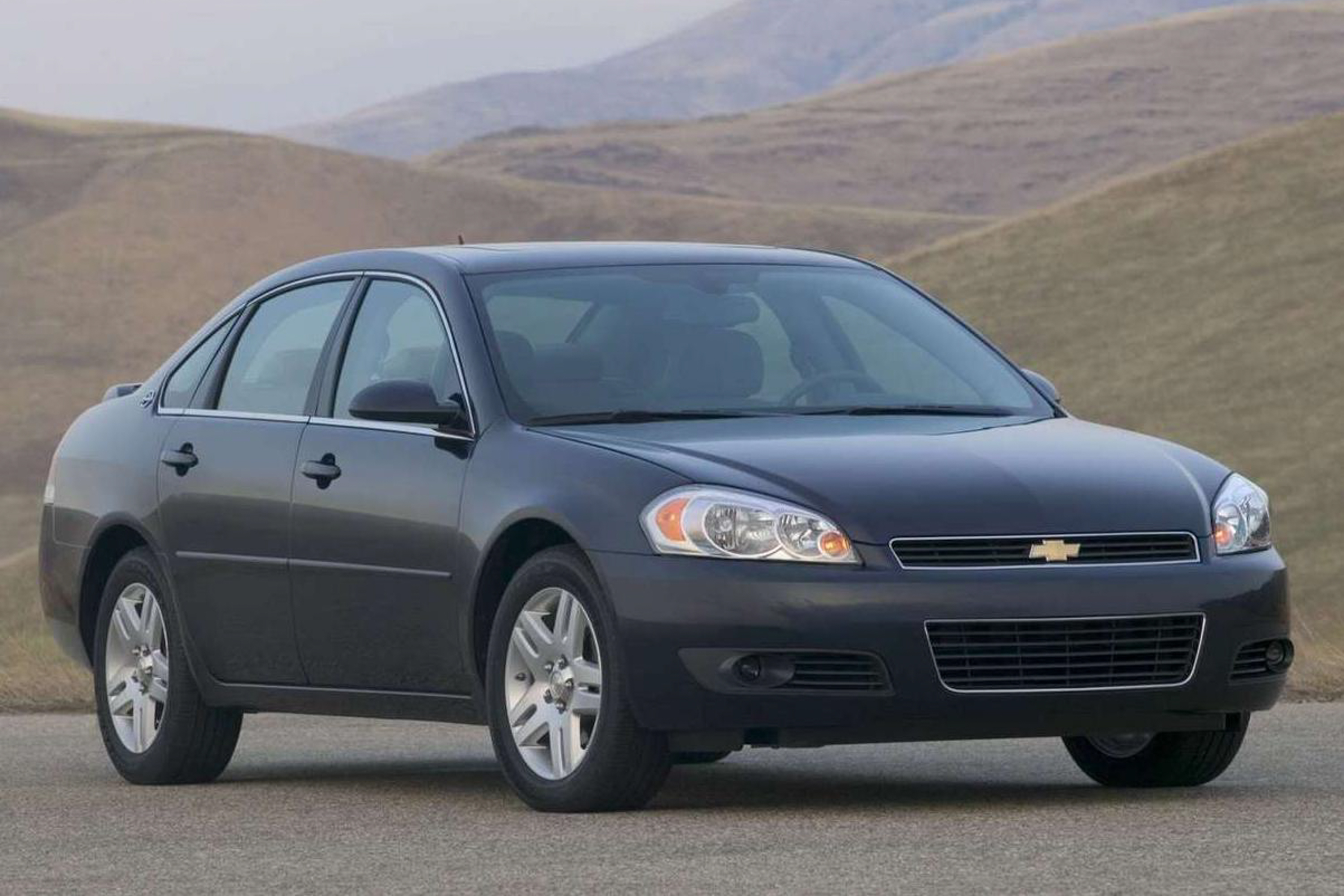
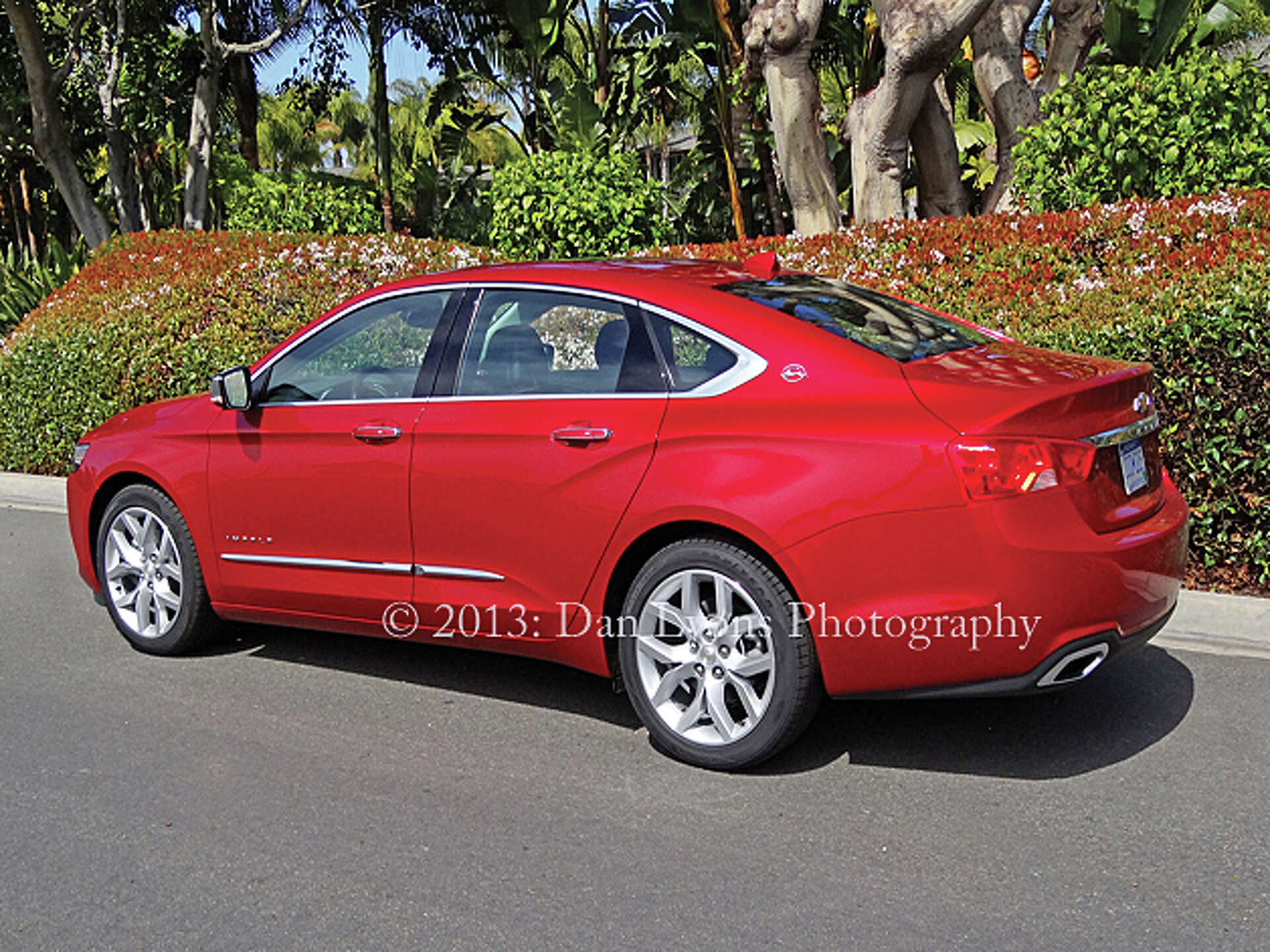
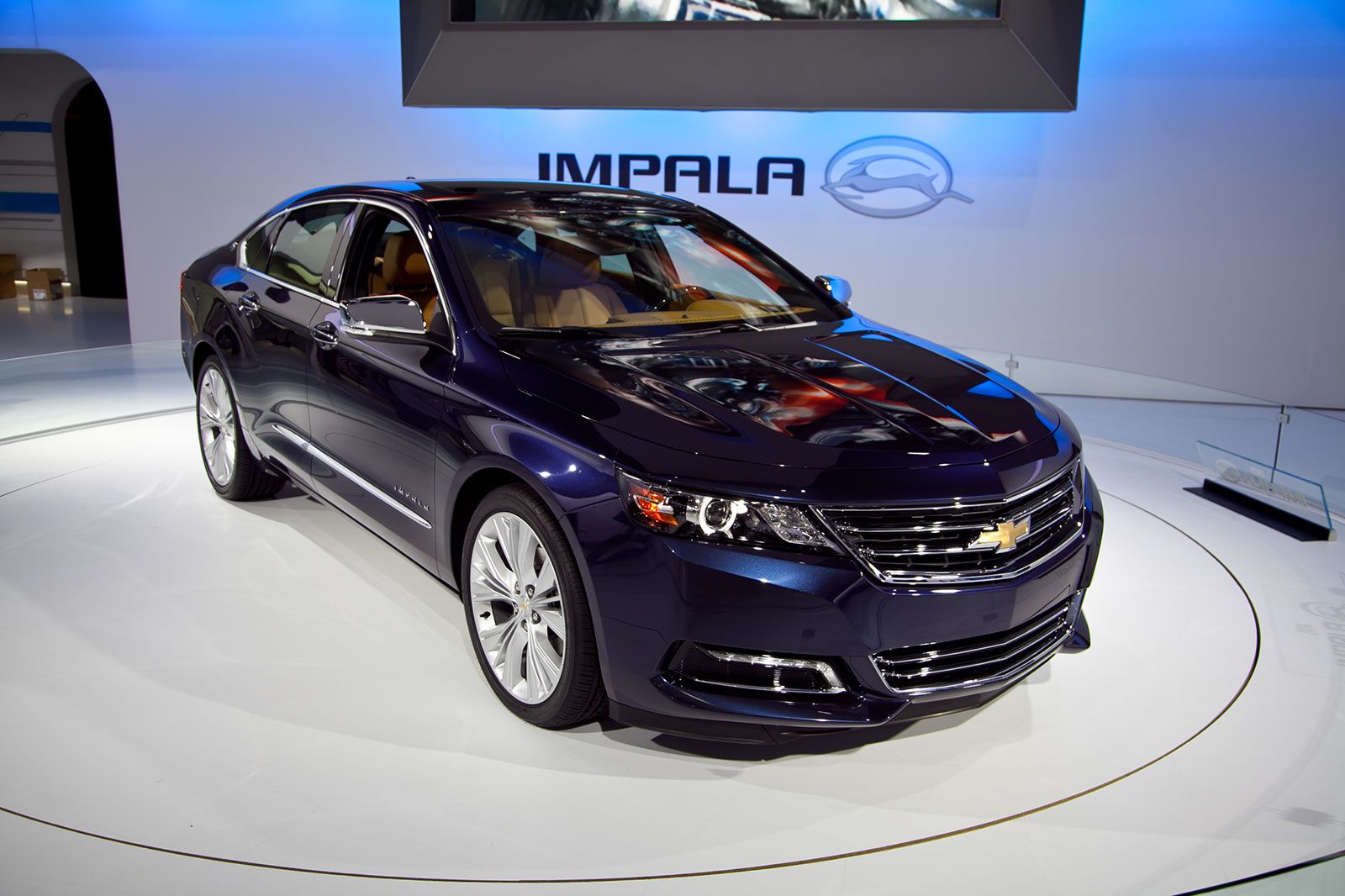
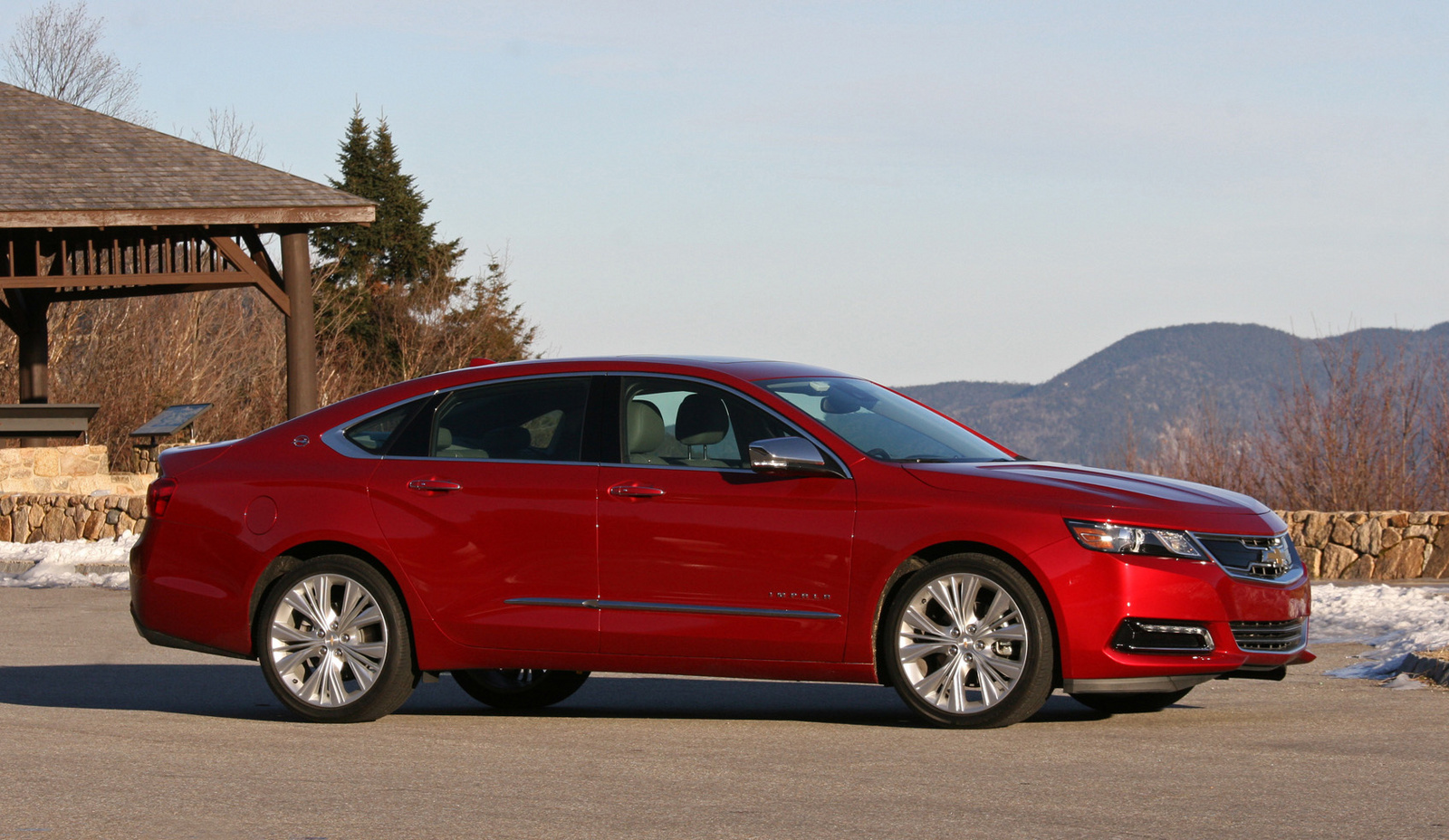
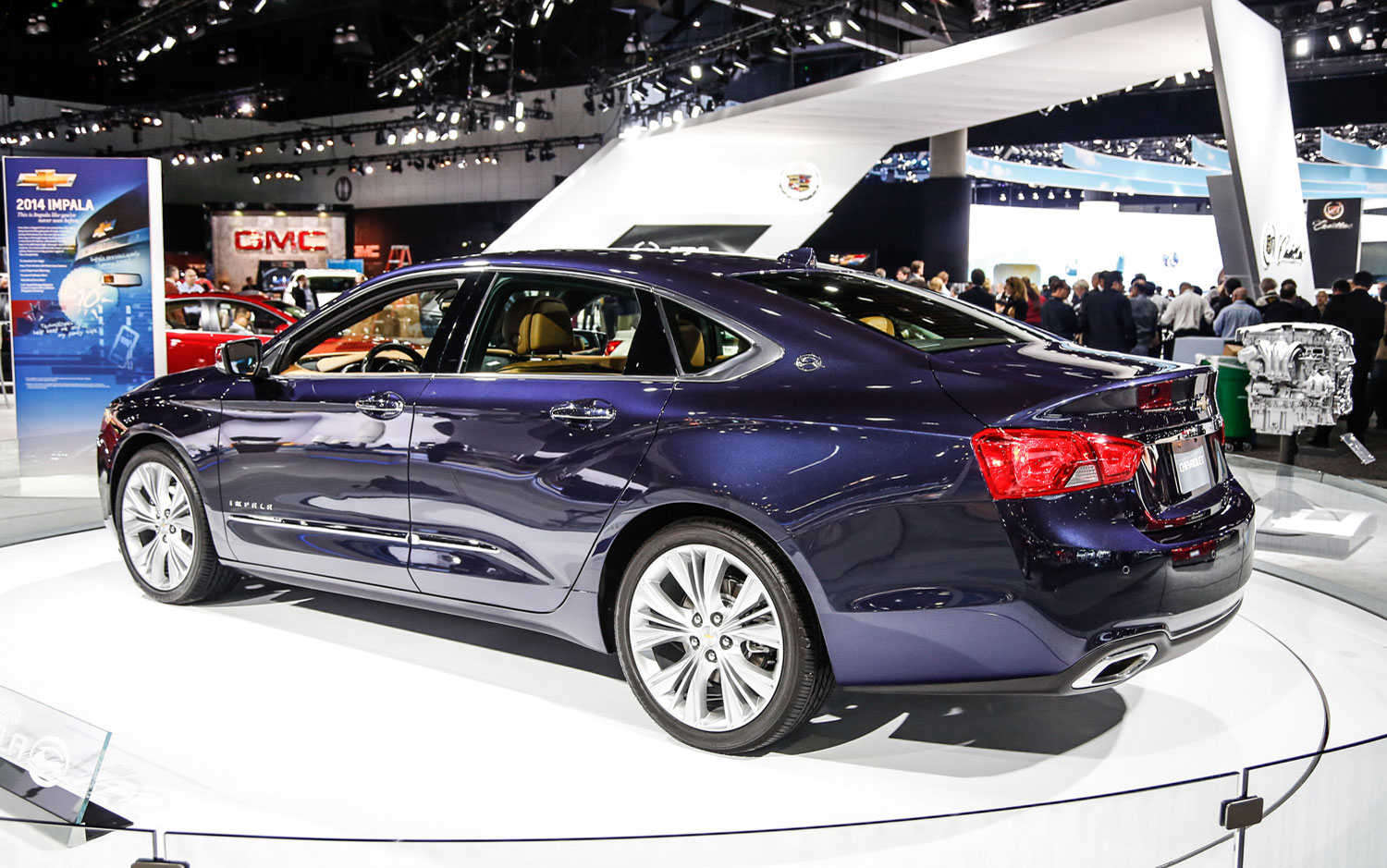
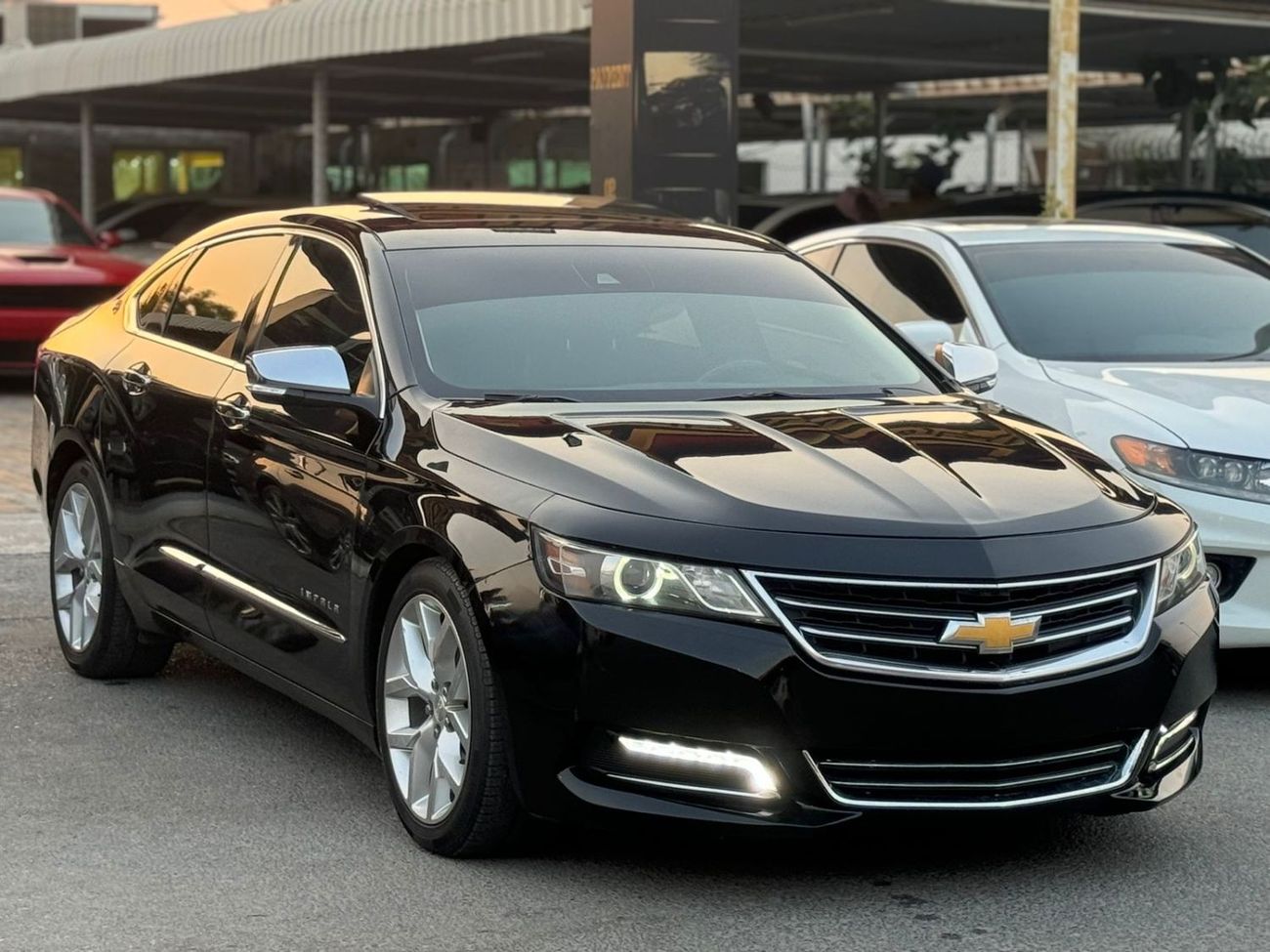
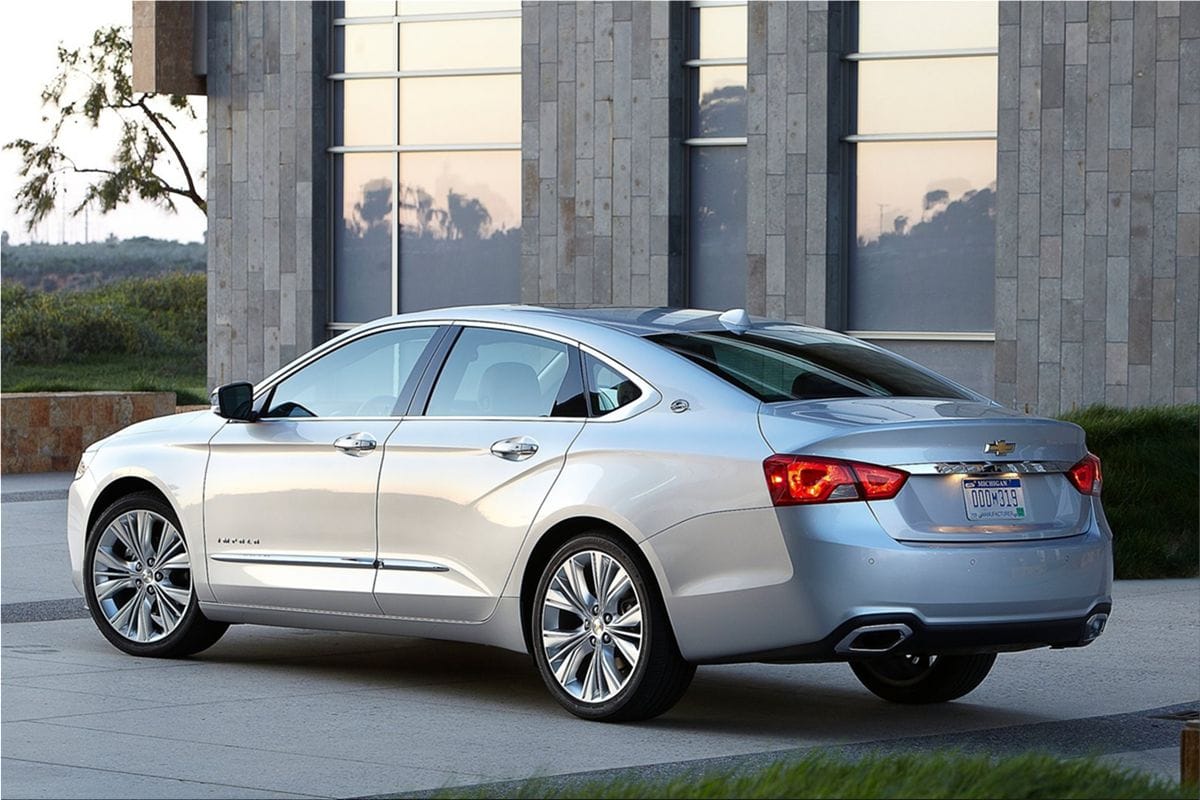
The 2014 Chevrolet Impala has a curb weight ranging between 3,795 lbs (1,721 kg) for the base 2.5-liter four-cylinder model and 3,889 lbs (1,764 kg) for the fully equipped 3.6-liter V6 trim. Its Gross Vehicle Weight Rating (GVWR) sits between 4,800 lbs and 4,950 lbs, allowing for a payload capacity of approximately 1,000 to 1,060 lbs depending on configuration.
Understanding Vehicle Weight Metrics: Curb Weight vs. GVWR
When evaluating the 2014 Chevrolet Impala—which launched the tenth generation of Chevrolet's flagship full-size sedan—understanding the distinction between different vehicle weight ratings is critical for safety, maintenance, performance, and legal compliance. Manufacturers use several standardized metrics to define how much a vehicle weighs under varying operational conditions.
- Gross Vehicle Weight (GVWR)
- Curb Weight: Engine, Fluids, Frame, Standard Equip
- Payload Capacity: Passengers, Cargo, Options
Curb Weight
Curb weight refers to the total weight of the vehicle with standard equipment, all necessary operating fluids (such as engine oil, transmission fluid, coolant, and brake fluid), and a full tank of fuel, but without any passengers or cargo onboard.
For the 2014 Impala, curb weight serves as the benchmark baseline for calculating power-to-weight ratios, fuel economy estimates, and suspension tuning.
Gross Vehicle Weight Rating (GVWR)
GVWR is the maximum permissible total weight of the vehicle when fully loaded. This standard includes:
- The vehicle's curb weight.
- The weight of all occupants (driver and passengers).
- All cargo carried in the trunk or interior compartments.
- The tongue weight of any attached trailer (if towing).
- Any non-standard aftermarket accessories added to the vehicle.
Exceeding the GVWR recorded on the safety certification label located inside the driver-side door jamb places excess strain on the brake components, tires, control arms, and frame structure.
Gross Axle Weight Rating (GAWR)
GAWR specifies the maximum weight that can be safely supported by a single axle assembly (front or rear).
On the 2014 Impala, the front axle supports a higher percentage of the base weight due to the front-wheel-drive (FWD) layout and transverse engine placement. Front GAWR typically ranges near 2,600 lbs, while rear GAWR is rated around 2,350 lbs.
Payload Capacity
Payload capacity is the net weight a vehicle can safely carry inside its cabin and trunk. It is derived using a basic equation:
$$\text{Payload Capacity} = \text{GVWR} - \text{Curb Weight}$$
For the 2014 Impala, the payload capacity ranges from 1,000 lbs to 1,060 lbs, which comfortably accommodates five adult passengers and full trunk luggage without exceeding design thresholds.
2014 Chevrolet Impala Weight Specifications by Trim and Engine
The tenth-generation 2014 redesign migrated the Impala to General Motors' Epsilon II (Super Epsilon) extended-wheelbase platform. This structural architecture brought significant improvements in torsional rigidity and noise isolation, but it also increased overall vehicle dimensions and mass compared to the ninth-generation W-body predecessor.
Weight varies across the 2014 Impala lineup based on the installed powertrain, trim level, wheel size, and luxury options like dual-panel glass sunroofs or power-adjustable seating assemblies.
- Lightest: 3,795 lbs (1,721 kg) - 2.5L I4 LS (Base Trim)
- Heaviest: 3,889 lbs (1,764 kg) - 3.6L V6 LTZ (Loaded Trim)
1. Impala LS (2.5L 4-Cylinder)
- Curb Weight: ~3,795 lbs (1,721 kg)
- Engine Configuration: 2.5-Liter LKW Ecotec Inline-4
- Transmission: Hydra-Matic 6T40 6-Speed Automatic
- Standard Wheels: 18-inch steel wheels with full covers
- Weight Characteristics: The LS is the lightest variant in the 2014 lineup. Omitting heavy power accessories, leather upholstery, and complex exhaust routing keeps mass low over the front suspension.
2. Impala LT (2.5L 4-Cylinder & 3.6L V6 Options)
- Curb Weight (2.5L I4): ~3,812 lbs (1,729 kg)
- Curb Weight (3.6L V6): ~3,858 lbs (1,750 kg)
- Engine Configurations: 2.5L LKW I4 or 3.6L LFX V6
- Transmission: 6T40 (I4) or 6T70 (V6) 6-Speed Automatic
- Standard Wheels: 18-inch alloy wheels (optional 19-inch)
- Weight Characteristics: The LT trim introduces power-adjustable driver seating, dual-zone automatic climate control, and additional infotainment hardware. Upgrading to the 3.6-liter LFX V6 adds roughly 46 lbs, attributed to the larger engine block, dual exhaust assembly, and heavier-duty 6T70 transmission.
3. Impala LTZ (3.6L V6 Standard)
- Curb Weight: ~3,889 lbs (1,764 kg)
- Engine Configuration: 3.6-Liter LFX Direct-Injection V6
- Transmission: Hydra-Matic 6T70 6-Speed Automatic
- Standard Wheels: 19-inch aluminum wheels (optional 20-inch aluminum wheels)
- Weight Characteristics: As the top-tier luxury trim, the LTZ carries the highest weight. Standard equipment includes leather seating surfaces, 8-way power front passenger seats, advanced safety sensor arrays (blind-spot monitoring and lane departure warning), and larger wheel/tire packages. Models configured with the optional dual-pane power sunroof approach the upper limit of the vehicle's weight curve.
4. Impala Eco (2.4L 4-Cylinder with eAssist)
- Curb Weight: ~3,830 lbs (1,737 kg)
- Engine Configuration: 2.4-Liter LUK Ecotec I4 with eAssist Mild-Hybrid System
- Transmission: 6T40 6-Speed Automatic
- Weight Characteristics: Available early in the 2014 model year, the eAssist version features a compact air-cooled 0.5-kWh lithium-ion battery pack and a 15-hp electric motor/generator mounted to the engine. Despite active aero shutters and lightweight aluminum structural components designed to save weight, the battery module and high-voltage wiring offset those savings, establishing a curb weight comparable to mid-spec 3.6L V6 models.
Technical Comparison Table
The following table summarizes the curb weight, engine specs, GVWR, payload, and gross axle limits across all primary configurations of the 2014 Chevrolet Impala.
| Trim Level | Engine Options | Drivetrain | Curb Weight (lbs / kg) | GVWR (lbs / kg) | Approx. Payload Capacity (lbs) | Front / Rear GAWR (lbs) |
|---|---|---|---|---|---|---|
| LS | 2.5L I4 (196 hp) | FWD | 3,795 lbs / 1,721 kg | 4,800 lbs / 2,177 kg | 1,005 lbs | 2,580 / 2,320 |
| 1LT / 2LT | 2.5L I4 (196 hp) | FWD | 3,812 lbs / 1,729 kg | 4,830 lbs / 2,191 kg | 1,018 lbs | 2,590 / 2,330 |
| Eco (1LT/2LT) | 2.4L I4 eAssist (182 hp) | FWD | 3,830 lbs / 1,737 kg | 4,850 lbs / 2,200 kg | 1,020 lbs | 2,600 / 2,335 |
| 1LT / 2LT | 3.6L V6 (305 hp) | FWD | 3,858 lbs / 1,750 kg | 4,910 lbs / 2,227 kg | 1,052 lbs | 2,640 / 2,350 |
| 1LZ / 2LZ (LTZ) | 3.6L V6 (305 hp) | FWD | 3,889 lbs / 1,764 kg | 4,950 lbs / 2,245 kg | 1,061 lbs | 2,650 / 2,360 |
How Weight Distribution Impacts Vehicle Dynamics
The weight of the 2014 Impala plays a pivotal role in how the sedan accelerates, corners, stops, and consumes fuel. Engineering a full-size front-wheel-drive vehicle weighing nearly two tons requires careful balance between chassis architecture and component sizing.
- Front Axle Bias (~60%): Engine (2.5L/3.6L), Transmission, Steering Rack, Front Subframe
- Center of Gravity
- Rear Axle Bias (~40%): Fuel Tank, Trunk Cargo Space, Rear Multi-Link Suspension
Weight Distribution Ratio
The 2014 Impala carries approximately 60% of its total weight over the front axle and 40% over the rear axle (60/40 static weight distribution).
Because the engine, transmission, steering system, and front differential sit directly over the driven front wheels, this weight bias aids snow and rain traction. However, during hard cornering, excess weight on the nose increases understeer, causing the front tires to scrub off speed when entering sharp turns.
Braking Requirements and Thermal Load
Bringing a 3,850-lb vehicle to a complete stop from highway speeds generates immense kinetic energy that is converted into thermal energy by the braking system. To handle this vehicle mass, Chevrolet equipped the 2014 Impala with four-wheel disc brakes featuring heavy-duty vented front rotors:
- Front Rotor Diameter: 12.6 inches (320 mm)
- Rear Rotor Diameter: 12.4 inches (315 mm)
- Brake System Weight Capacity: Designed to prevent brake fade during repeated high-load deceleration cycles.
When carrying a full payload near the 4,950-lb GVWR limit, stopping distances increase by up to 15% to 20%. Regular inspection of brake pads and high-boiling-point DOT 4 or DOT 3 brake fluid is essential for maintaining hydraulic responsiveness under heavy loads.
Power-to-Weight Ratio and Fuel Economy
The relationship between vehicle mass and engine output dictates everyday drivability:
- 2.5L I4 Models: With 196 horsepower pulling ~3,800 lbs, each horsepower is responsible for moving roughly 19.4 lbs of vehicle weight. This setup prioritizes steady cruising and yields EPA fuel economy figures of 21 mpg city / 31 mpg highway.
- 3.6L V6 Models: With 305 horsepower handling ~3,860 lbs, the power-to-weight ratio sharpens significantly to 12.6 lbs per horsepower. Acceleration from 0 to 60 mph drops from approximately 8.7 seconds (I4) down to 6.0 seconds (V6), while maintaining competitive EPA estimates of 19 mpg city / 28 mpg highway.
Towing Capacity, Payload Limits, and Tire Load Index
While the 2014 Impala is built primarily as a passenger sedan, understanding vehicle weight limits is crucial when hauling cargo or pulling light trailers.
| Towing & Payload Capacities | Specification |
|---|---|
| Maximum Towing Capacity | 1,000 lbs (454 kg) |
| Maximum Tongue Weight | 100 lbs (45 kg) |
| Maximum Cargo / Payload | 1,000 - 1,060 lbs |
Towing Specifications
The 2014 Chevrolet Impala is rated for a maximum towing capacity of 1,000 lbs (454 kg) when equipped with the 3.6L V6 engine and an aftermarket Class I receiver hitch.
- Tongue Weight Limit: Maximum recommended tongue weight is 100 lbs (10% of total trailer weight). Exceeding this limit compresses the rear coil springs, unweights the front steering assembly, and disrupts headlight alignment.
- Towing Restrictions: Towing is generally discouraged on 2.5L 4-cylinder and 2.4L eAssist models due to the heat generated within the lighter-duty 6T40 automatic transmission.
For owner's manual verification and official trailering guidelines, consult the Chevrolet Owner Center.
Tire Load Index and Inflation Requirements
Because tires support the full weight of the vehicle and its payload, fitted tires must meet or exceed factory load indices:
- 18-Inch Fitment (235/50R18): Minimum Load Index of 97 (1,609 lbs capacity per tire).
- 19-Inch Fitment (245/45R19): Minimum Load Index of 98 (1,653 lbs capacity per tire).
- 20-Inch Fitment (245/40R20): Minimum Load Index of 99 (1,709 lbs capacity per tire).
Recommended cold tire inflation pressure is typically 35 PSI across all four tires for standard loads. When carrying a full passenger payload near maximum GVWR, keeping tires properly inflated prevents sidewall flex, excess heat buildup, and premature tread wear.
2014 Impala Weight vs. Full-Size Sedan Competitors
When the redesigned 2014 Impala debuted, it competed directly with other full-size American and Asian sedans. The table below compares the 2014 Impala's curb weight and dimensions against key segment rivals from that model year.
| Vehicle Model | Trim / Engine | Curb Weight (lbs / kg) | Overall Length (in) | Drivetrain |
|---|---|---|---|---|
| 2014 Chevrolet Impala | LT 3.6L V6 | 3,858 lbs / 1,750 kg | 201.3 in | FWD |
| 2014 Toyota Avalon | XLE 3.5L V6 | 3,461 lbs / 1,570 kg | 195.3 in | FWD |
| 2014 Ford Taurus | SEL 3.5L V6 | 4,015 lbs / 1,821 kg | 202.9 in | FWD |
| 2014 Chrysler 300 | Touring 3.6L V6 | 4,029 lbs / 1,827 kg | 198.6 in | RWD |
| 2014 Nissan Maxima | SV 3.5L V6 | 3,565 lbs / 1,617 kg | 190.6 in | FWD |
Key Takeaways from the Comparison
- Lighter than Ford and Chrysler: The 2014 Impala weighs roughly 150 to 170 lbs less than the Ford Taurus and rear-wheel-drive Chrysler 300, contributing to superior throttle response and lower brake wear under everyday commuting.
- Heavier than Toyota and Nissan: The Toyota Avalon and Nissan Maxima weigh 300 to 400 lbs less than the Impala. However, the Impala's larger dimensions (over 201 inches in length) provide a roomier cabin and a spacious 18.8 cubic foot trunk.
Maintenance and Workshop Safety Guidelines
Working safely around a vehicle weighing nearly 3,900 lbs requires adhering to correct lifting points and service procedures.
- Jacking Points & Chassis Support
- Front Hoist Pad: Pinch Weld Slot behind Front Wheel (Reinforced)
- Rear Hoist Pad: Pinch Weld Slot ahead of Rear Wheel (Reinforced)
Floor Jack and Jack Stand Placement
Never work beneath a 2014 Impala supported only by a hydraulic floor jack. When lifting the vehicle:
- Use designated reinforced pinch welds located along the rocker panels, immediately behind the front wheels and in front of the rear wheels.
- Position heavy-duty jack stands rated for at least 2 tons (4,000 lbs) per stand under structural subframe points or reinforced body rails.
- Ensure the parking brake is firmly engaged and wheel chocks are placed on the tires remaining on the ground.
Hoist and Service Lift Considerations
Professional repair shops using two-post frame-engaging lifts must adjust hoist arm positions to account for the Impala's 60/40 front weight bias. Placing lift pads too far toward the rear of the vehicle can create an unstable center of gravity when heavy components (like the engine or front subframe) are removed during major service.
Frequently Asked Questions
What is the exact curb weight of a 2014 Chevrolet Impala?
The curb weight of a 2014 Chevrolet Impala ranges from 3,795 lbs (1,721 kg) for the base 2.5L 4-cylinder LS trim up to 3,889 lbs (1,764 kg) for the fully equipped 3.6L V6 LTZ trim with optional equipment like a dual-pane sunroof.
What is the Gross Vehicle Weight Rating (GVWR) of the 2014 Impala?
The Gross Vehicle Weight Rating (GVWR) of the 2014 Impala ranges between 4,800 lbs and 4,950 lbs (2,177 kg to 2,245 kg), depending on engine selection and trim level. This metric represents the maximum allowable total weight of the car, passengers, fluids, and cargo combined.
How much weight can you safely put in the trunk of a 2014 Impala?
The 2014 Impala offers a maximum payload capacity of roughly 1,000 to 1,060 lbs. Assuming five adult occupants weighing an average of 175 lbs each (875 lbs total), you can safely carry approximately 125 to 185 lbs of luggage in the trunk without exceeding the car's GVWR.
Can a 2014 Chevrolet Impala tow a trailer?
Yes, models equipped with the 3.6-liter V6 engine have a maximum towing capacity of 1,000 lbs (454 kg) with a maximum tongue weight of 100 lbs (45 kg). Towing is generally discouraged on 2.5L 4-cylinder models to protect the transmission from excessive heat.
How does the weight of the 2.5L 4-cylinder engine compare to the 3.6L V6 engine?
The 3.6-liter V6 engine and its associated dual-exhaust system and heavier 6T70 transmission add approximately 46 to 60 lbs to the front end of the vehicle compared to the 2.5-liter 4-cylinder model equipped with the lighter 6T40 transmission.
What wheel and tire load ratings are required for the 2014 Impala?
Replacement tires must meet factory load indices. For 18-inch wheels, use tires rated with a load index of at least 97. For 19-inch wheels, use a load index of 98 or higher, and for 20-inch wheels, select tires rated at 99 or higher to support vehicle weight safely.
Practical Recommendations for Owners
To ensure optimal safety, tire life, and performance based on the 2014 Chevrolet Impala's weight specs, follow these practical steps:
- Verify Door Jamb Sticker Data: Check the Tire and Loading Information placard located on the driver-side B-pillar for your specific vehicle's exact payload rating, original wheel/tire specs, and recommended cold inflation pressures.
- Maintain Correct Cold Inflation Pressure: Keep all four tires inflated to 35 PSI (cold). Check pressure monthly, as low tire pressure under a 3,800-lb chassis leads to excess outer tread wear and reduced fuel efficiency.
- Avoid Exceeding Payload Limits: When planning road trips with five passengers, keep heavy cargo centered over or slightly ahead of the rear axle line to maintain balanced steering dynamics and prevent suspension bottoming.
- Use Heavy-Duty Brake Components: When replacing worn rotors and pads, choose high-quality ceramic or semi-metallic brake pads designed for full-size heavy sedans to preserve short stopping distances and resist heat fade.