The 2013 Nissan Pathfinder reliability is widely considered poor to below average, primarily due to significant issues with its first-generation Continuously Variable Transmission (CVT). As the debut year for the fourth-generation (R52) redesign, it suffered from "first-year model" syndrome, leading to numerous recalls, class-action lawsuits, and frequent mechanical failures involving the drivetrain and cooling systems.
The 2013 model year marked a revolutionary shift for the Nissan Pathfinder. It transitioned from a rugged, body-on-frame SUV to a car-like, unibody crossover. While this move improved fuel efficiency and interior comfort, it introduced a host of mechanical vulnerabilities that have defined the vehicle's legacy in the used car market. As we evaluate this vehicle from the perspective of 2026, the historical data is clear: the 2013 Pathfinder is one of the most problematic years in the nameplate's history.
The Shift to the R52 Platform: A Reliability Gamble
In 2013, Nissan sought to compete with the likes of the Toyota Highlander and Honda Pilot by making the Pathfinder more family-friendly. This meant moving away from the truck-based platform of the R51 generation and adopting the D-platform shared with the Nissan Altima and Murano.
The primary goal was weight reduction and aerodynamic efficiency. However, the introduction of a new platform often comes with "teething" problems. For the Pathfinder, these problems were not merely minor electronic glitches; they were fundamental mechanical flaws in the drivetrain. Engineering a heavy, seven-passenger SUV to run on a transmission system originally optimized for lighter sedans proved to be a significant challenge that Nissan did not fully overcome in the 2013 release.
The CVT Transmission: The Primary Reliability Concern
The most significant factor affecting 2013 Nissan Pathfinder reliability is the Xtronic Continuously Variable Transmission (CVT), manufactured by JATCO (a Nissan subsidiary). Unlike a traditional automatic transmission that uses gears, a CVT uses a belt-and-pulley system to provide an infinite range of gear ratios.
The "CVT Shudder" Phenomenon
Thousands of owners reported a violent shaking or "shuddering" when accelerating between 15 and 30 mph. This sensation, often described as driving over a rumble strip, occurs when the CVT belt slips on the pulleys. In many cases, this was not just a nuisance but a precursor to total transmission failure.
Software vs. Hardware Fixes
Nissan issued multiple Technical Service Bulletins (TSBs) to address the shudder. Initial attempts involved "reprogramming" the Transmission Control Module (TCM) to alter the shift logic. When software failed to solve the physical belt-slip issue, many owners required complete transmission replacements. By 2026, most 2013 Pathfinders on the road have likely had at least one transmission replacement, but even remanufactured units from that era remained prone to the same design flaws.
Cooling and Lubrication Issues
Another contributing factor to CVT failure was heat. CVTs are incredibly sensitive to operating temperatures. The 2013 Pathfinder's cooling system for the transmission fluid was often inadequate for heavy loads or high-temperature climates, leading to fluid breakdown and accelerated wear on the internal components.
Engine Performance and the VQ35DE V6
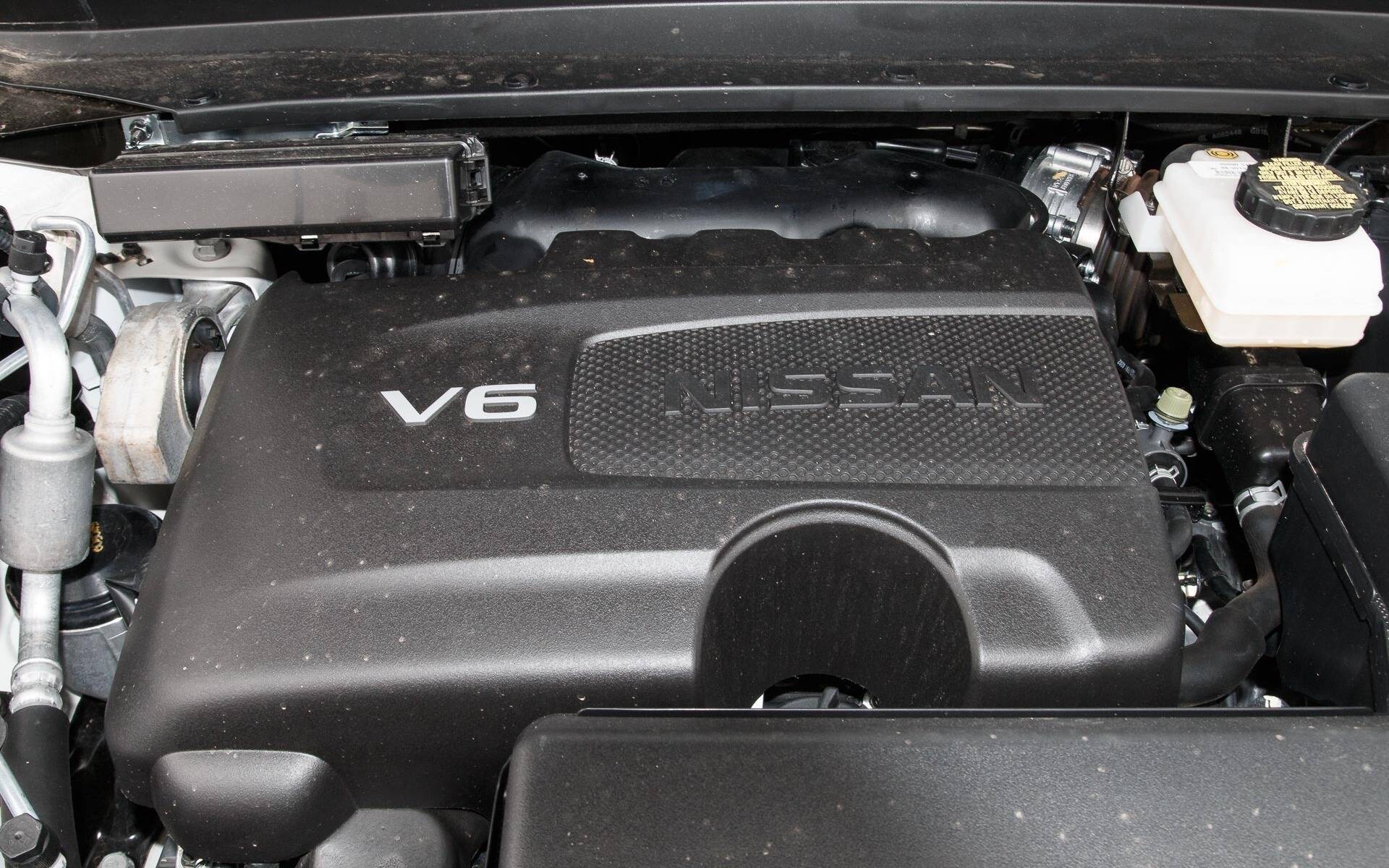
While the transmission is the Pathfinder's Achilles' heel, the engine is generally considered its strongest point. The 3.5-liter VQ35DE V6 engine is a legendary powerplant used across the Nissan and Infiniti lineup.
Power Delivery and Longevity
The engine produces 260 horsepower and 240 lb-ft of torque. In terms of internal mechanical durability, the VQ35DE can easily exceed 200,000 miles if properly maintained. It uses a timing chain rather than a belt, which reduces long-term maintenance costs, as chains are designed to last the life of the engine.
Common Engine Room Issues
Despite its robust block and heads, the 2013 Pathfinder's engine bay isn't without faults:
- Sensor Failures: Camshaft and crankshaft position sensors are known to fail, leading to stalling or a "crank but no start" condition.
- Cooling System Leaks: The plastic connectors on the heater hoses are prone to becoming brittle and cracking over time, which can lead to rapid coolant loss and overheating.
- Oil Leaks: High-mileage units often see leaks from the valve cover gaskets and the oil cooler O-ring.
Suspension, Steering, and Braking Systems
The 2013 Pathfinder’s move to a unibody structure changed its handling characteristics, making it more compliant on the highway but also putting significant stress on its suspension components.
Wheel Bearing Failures
One of the most frequent non-transmission complaints involves the wheel bearings. Owners often report a loud humming or growling noise that increases with vehicle speed. The factory bearings were known to fail prematurely, sometimes as early as 40,000 miles. Replacing these typically involves the entire hub assembly, which can be a costly repair.
Brake Rotor Warping
Due to the vehicle's weight and the heat generated during braking, the front brake rotors on the 2013 model are susceptible to warping. This results in a pulsating sensation in the brake pedal and steering wheel when slowing down from highway speeds. Many owners have found that switching to high-quality aftermarket vented rotors provides a more permanent solution than the OEM Nissan parts.
Interior Quality and Electrical Gremlins
As a first-year model, the 2013 Pathfinder also faced challenges with its interior electronics and safety systems.
The Occupant Classification System (OCS) Recall
One of the most serious safety-related reliability issues involved the airbag system. The OCS was designed to detect if a passenger was sitting in the front seat and deploy the airbag accordingly. In many 2013 models, the sensors failed to correctly identify adult passengers, effectively deactivating the airbag. This led to multiple recalls and significant frustration for owners who had to return to dealerships for repeated "fixes."
Infotainment and Navigation
The 2013 infotainment system is dated by 2026 standards, but its reliability was also questionable when new. Common issues included:
- Frozen screens or "reboot loops."
- Loss of Bluetooth connectivity.
- Failure of the backup camera display.
- Climate control blend door actuators making clicking noises or failing to direct air correctly.
Summary of Major 2013 Nissan Pathfinder Recalls
Before purchasing a used 2013 Pathfinder, it is vital to check the NHTSA website to ensure all safety recalls have been addressed.
| Component | Issue Description | Potential Risk |
|---|---|---|
| Airbags (OCS) | Sensor fails to detect front passenger. | Airbag may not deploy in a crash. |
| Brake Light Switch | Switch may remain "on" or stick. | Brake lights stay on; engine may not start or may shift out of Park. |
| ABS Actuator | Internal oil seal leak onto circuit board. | Potential for a short circuit and vehicle fire. |
| Transmission (CVT) | Software and belt-slip issues. | Sudden loss of power or vehicle shuddering. |
| Hood Latch | Secondary latch may corrode and fail. | Hood could fly open while driving. |
Maintenance Comparison: 2013 Pathfinder vs. Competitors
To understand the 2013 Pathfinder's reliability in context, it is helpful to compare it to other mid-size three-row SUVs from the same era.
| Feature | 2013 Nissan Pathfinder | 2013 Toyota Highlander | 2013 Honda Pilot |
|---|---|---|---|
| Transmission Type | CVT (High Failure Rate) | 5-Speed Automatic (Robust) | 5-Speed Automatic (Reliable) |
| Average Repair Cost | High (due to CVT) | Low / Moderate | Moderate (Timing Belt costs) |
| Primary Complaint | Transmission Shudder | Minor Interior Rattles | Excessive Oil Consumption |
| Fuel Economy (MPG) | 20 City / 26 Hwy | 18 City / 24 Hwy | 17 City / 24 Hwy |
| Safety Recalls | Numerous (10+) | Few (Under 5) | Few (Under 5) |
Is the 2013 Nissan Pathfinder a Good Used Buy in 2026?
Looking at the vehicle over a decade after its release, the 2013 Pathfinder is generally not recommended for buyers seeking a "worry-free" used car. While the used prices are often significantly lower than a comparable Toyota or Honda, the potential for a $4,000 to $5,000 transmission replacement negates those initial savings.
However, there are specific scenarios where it might make sense:
- Verified Transmission Replacement: If the seller has documentation showing the CVT was replaced with a newer, updated unit recently.
- Strict Maintenance History: A vehicle with 30,000-mile interval CVT fluid changes is much more likely to survive.
- Extremely Low Price: If the vehicle is priced low enough to allow for a future transmission repair "budget," it can serve as a spacious family hauler.
Frequently Asked Questions (FAQ)
1. How long does a 2013 Nissan Pathfinder transmission last?
On average, many original 2013 CVT units began failing between 60,000 and 100,000 miles. However, some failed as early as 20,000 miles, while others that received frequent fluid changes have made it past 150,000 miles. By 2026, any surviving original transmission is well beyond its expected lifespan.
2. What are the signs of a failing CVT in a Pathfinder?
The most common signs are a "judder" or shaking sensation during light acceleration, a delay when shifting from Park to Drive or Reverse, and "limp mode," where the vehicle refuses to accelerate past a certain speed to protect the engine. You may also notice a whining or buzzing noise from the transmission area.
3. Did Nissan extend the warranty for the 2013 Pathfinder?
Yes, Nissan previously extended the CVT warranty for many models to 7 years or 84,000 miles. However, as of 2026, these warranty extensions have long since expired. Most repairs now must be paid for out-of-pocket by the owner.
4. Are there any specific engine problems I should look for?
While the engine is robust, you should check for coolant leaks at the heater hose inlets and inspect the oil for signs of sludge. The VQ35DE engine is sensitive to oil quality, so evidence of regular oil changes every 5,000 miles is a must.
5. Does the 2013 Pathfinder have a timing belt or chain?
The 2013 Pathfinder uses a timing chain. Unlike a timing belt, a chain does not require periodic replacement and is designed to last the entire life of the engine, provided the oil is changed regularly to keep the chain tensioners lubricated.
Final Verdict and Recommendations
The reliability of the 2013 Nissan Pathfinder is overshadowed by its problematic transmission and a high volume of safety recalls. While it offers a comfortable ride, great fuel economy for its class, and a spacious interior, the risk of catastrophic mechanical failure is higher than almost any other vehicle in the mid-size SUV segment for that year.
If you are considering purchasing one in 2026:
- Perform a Pre-Purchase Inspection (PPI): Have a mechanic specifically check the CVT fluid condition and look for "metal glitter" in the pan.
- Test Drive Extensively: Ensure the car is driven until it reaches full operating temperature, as CVT shudder often only appears once the transmission fluid is hot.
- Check the VIN: Use the Nissan Recall Look-up tool to confirm that the OCS and ABS recalls were completed.
For most buyers, stepping up to a 2017 or newer Pathfinder is a better choice, as Nissan implemented significant hardware updates to the CVT in 2017 that resolved many of the reliability issues found in the 2013–2015 models.