The 2013 Moto Guzzi V7 Stone is a lightweight, retro-styled motorcycle defined by its 744cc transverse V-twin engine and shaft drive. Representing a major mechanical overhaul for the V7 line, it balances classic Italian aesthetics with modern fuel injection, offering 50 horsepower and a character-rich riding experience ideal for urban commuting and casual touring.
The Significance of the 2013 Model Year
When evaluating the Moto Guzzi V7 lineage from the vantage point of 2026, the 2013 model stands out as a pivotal moment in the brand's modern history. Prior to 2013, the V7 (revived in 2008) used a dual throttle body system and several components that felt dated even for a "retro" bike. The 2013 iteration—marketed as the "V7 II" precursor in some regions, though technically the first major refresh of the V7 platform—introduced a suite of mechanical upgrades that significantly improved the machine's reliability and performance.
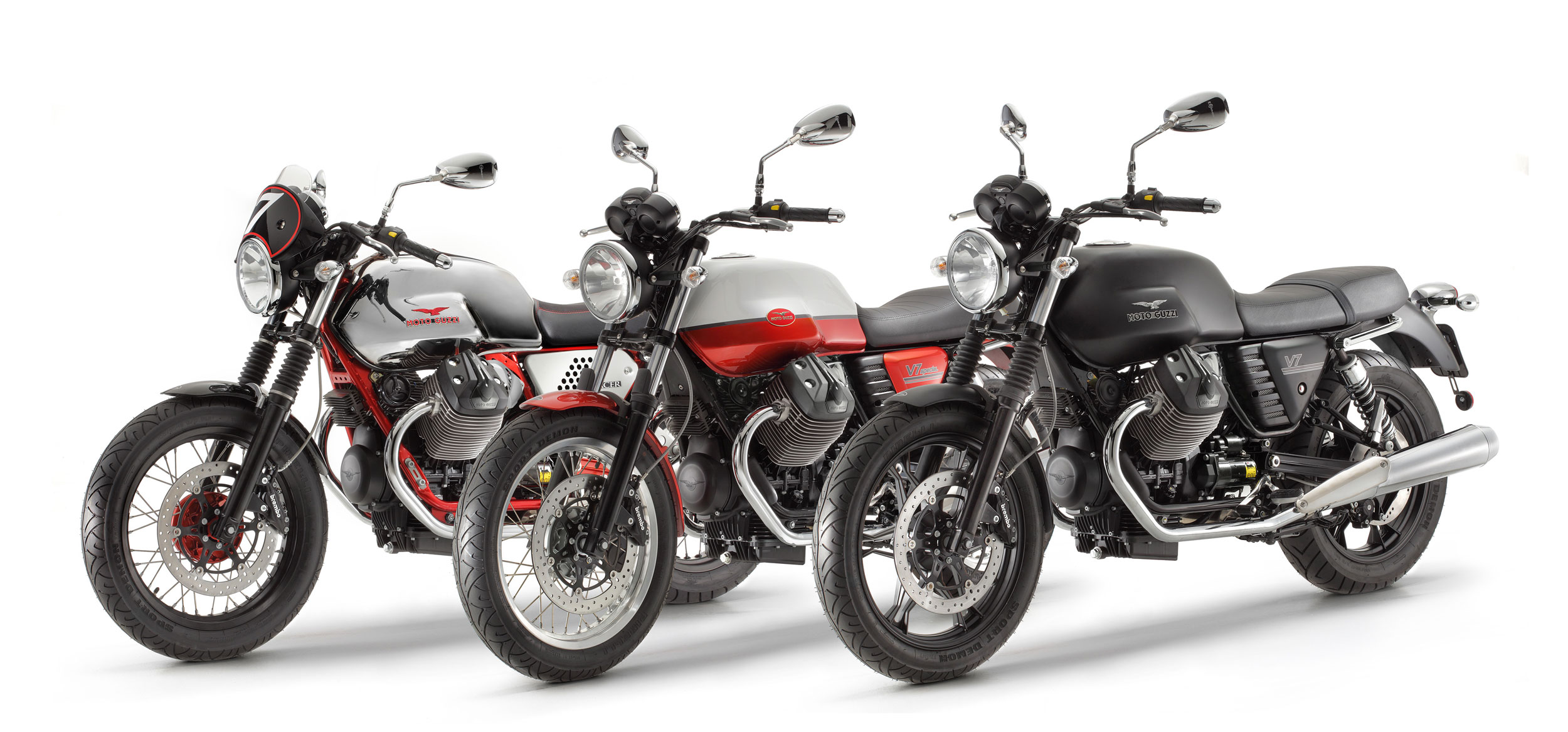
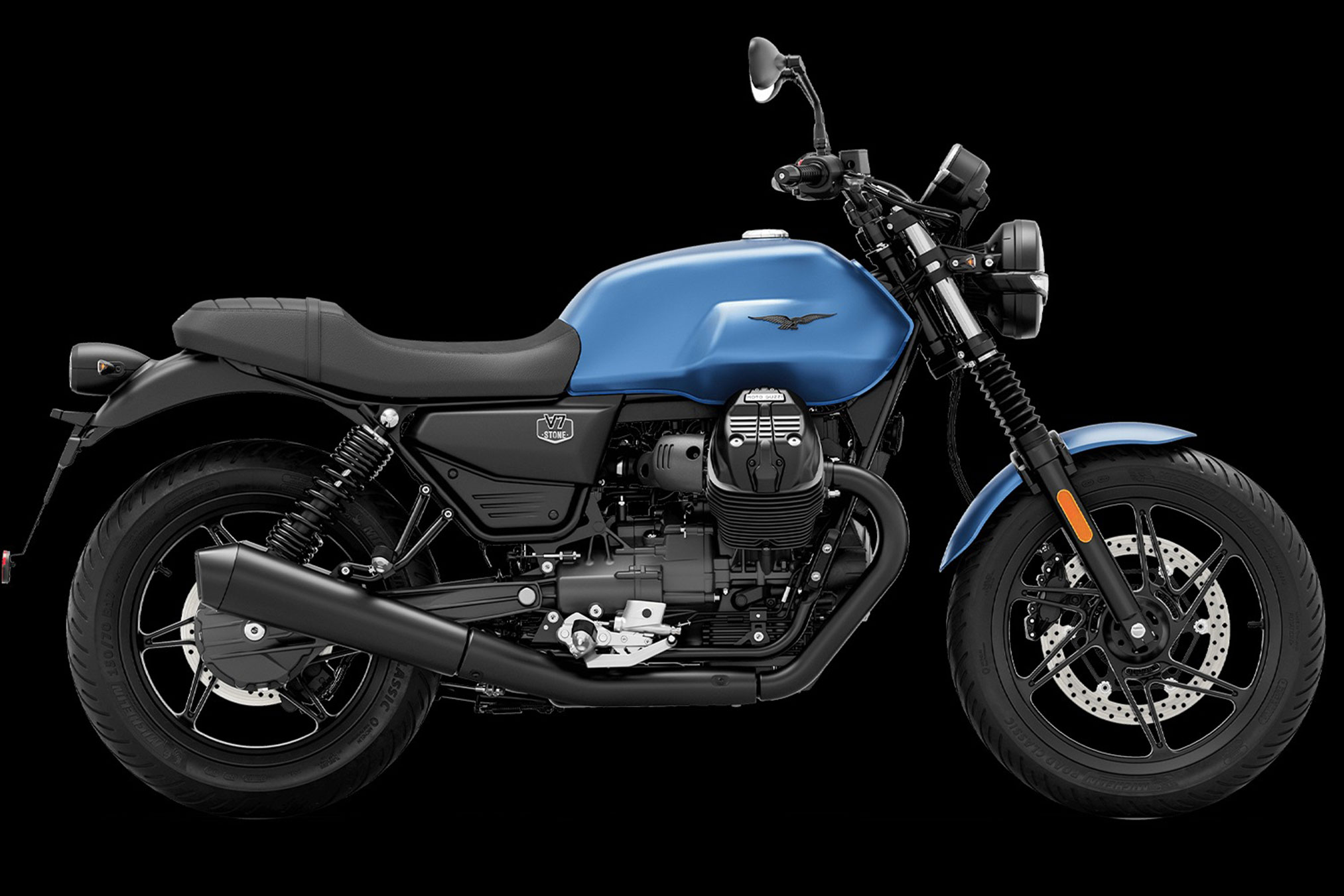
The 2013 V7 Stone was part of a three-model lineup that included the V7 Special and the V7 Racer. While the Special focused on vintage aesthetics with spoked wheels and two-tone paint, and the Racer offered high-end suspension and chrome-heavy café racer styling, the Stone was the minimalist, "urban-blacked-out" variant. It traded chrome for matte finishes and spoked wheels for lightweight, six-spoke alloy rims. This change was not just cosmetic; the alloy wheels allowed for tubeless tires, a major practical advantage for roadside puncture repairs.
Technical Specifications and Architecture
The heart of the 2013 V7 Stone is the "Small Block" 90-degree V-twin. Unlike most V-twins that sit longitudinally in the frame (like Harley-Davidson or Ducati), Moto Guzzi mounts the engine transversely. This puts the cylinder heads out in the wind for better air cooling and creates a unique "torque reaction"—a gentle rock to the right when the throttle is blipped at a standstill.
Core Engine and Drivetrain Specs
| Feature | Specification |
|---|---|
| Engine Type | 90° V-twin, 4-stroke, 2 valves per cylinder |
| Cooling System | Air-cooled |
| Displacement | 744cc |
| Bore x Stroke | 80 mm x 74 mm |
| Compression Ratio | 10.2:1 |
| Maximum Power | 50 hp (37 kW) @ 6,200 rpm |
| Maximum Torque | 44.2 lb-ft (60 Nm) @ 2,800 rpm |
| Fuel System | Weber-Marelli electronic fuel injection (Single throttle body) |
| Transmission | 5-speed gearbox with shaft drive |
| Curb Weight | Approximately 395 lbs (179 kg) dry / 436 lbs (198 kg) wet |
| Fuel Capacity | 5.8 gallons (22 liters) |
The 2013 update brought a single 38mm Magneti Marelli throttle body, replacing the previous dual-body setup. This change, along with revised cylinder heads and higher compression pistons, resulted in a smoother power delivery and a noticeable increase in low-end torque. For riders in 2026 looking at these bikes on the used market, this single throttle body is a key identifier of the "second-generation" V7 Small Block, which is generally more desirable than the 2008–2012 versions.
Design Philosophy: The Aesthetic of the "Stone"
The V7 Stone was designed to be the entry point into the Guzzi world, but its "budget" positioning didn't mean a compromise in style. In 2013, the "murdered-out" or matte-finish trend was peaking, and Moto Guzzi capitalized on this with the Nero Ruvido (Matte Black) and Grigio Polvere (Matte Grey) colorways.
Minimalist Metalwork
Unlike modern entry-level bikes that rely heavily on plastic fairings, the 2013 V7 Stone is a metal-intensive machine. The 5.8-gallon fuel tank is made of steel, which allows for the use of magnetic tank bags—a favorite for commuters. The fenders and side covers are also robust, giving the bike a "hewn from a solid block" feel that has helped these machines age gracefully into 2026.
The Advantage of Alloy Wheels
One of the most distinct features of the Stone compared to the Special or Racer is the use of cast alloy wheels. While spoked wheels are traditionally "more retro," they often require inner tubes. The Stone's alloy wheels are compatible with tubeless tires, which run cooler and are significantly easier to plug if you catch a nail. For the practical rider, the Stone has always been the logical choice in the V7 family.
On the Road: Performance and Handling
Riding a 2013 Moto Guzzi V7 Stone is an exercise in "slow-car-fast" philosophy. With only 50 horsepower, it will not win many drag races against modern 600cc sportbikes or even high-performance naked bikes like the Yamaha MT-07. However, the V7's charm lies in its character and usability.
Power Delivery
The torque peak arrives extremely early at 2,800 rpm. This means the bike pulls cleanly from a stop without needing to wring its neck. The 5-speed gearbox is agricultural but precise; it rewards deliberate, firm shifts rather than quick-flicking. In 2026, where many bikes have become overly digitized with ride-by-wire and multiple power modes, the V7's mechanical throttle connection feels refreshing and honest.
Handling and Ergonomics
The V7 Stone is a physically small bike. With a seat height of just 31.6 inches (805 mm) and a narrow profile, it is exceptionally easy to manuever at low speeds. The upright riding position and mid-mounted footpegs provide a neutral stance that works well for riders of various heights, though taller riders (over 6'2") may find the cylinder heads occasionally bump their knees.
The suspension—traditional 40mm Marzocchi forks up front and twin preload-adjustable shocks in the rear—is tuned for comfort rather than track performance. It soaks up urban potholes well but can feel a bit "pogo-stick" like if pushed hard through high-speed sweepers. Owners often upgrade the rear shocks to Bitubo or Ohlins units to sharpen the handling.
Maintenance and Reliability in 2026
Thirteen years after its release, the 2013 V7 Stone has proven to be one of the most reliable platforms Moto Guzzi ever produced, provided basic maintenance is performed. Because it is air-cooled and uses a simple two-valve-per-cylinder head design, it is a favorite for "home mechanics."
The Benefits of Shaft Drive
One of the primary selling points of the V7 is the CARC (Compact Reactive Shaft Drive) system. Unlike bikes with chains, the V7 Stone requires no cleaning, lubing, or tensioning of a drive chain. Maintenance is limited to a simple gear oil change every few years. For long-distance touring or daily commuting in 2026, this remains a significant luxury in the middleweight class.
Common Issues to Watch For
While robust, the 2013 model has a few known quirks that buyers should verify:
- Oil Leaks: Check the rear main seal and the base of the cylinders. While less common on the 2013+ models than earlier versions, minor weeping can occur.
- Voltage Regulator/Rectifier: Early V7s sometimes had issues with the charging system. Many owners in the intervening years have upgraded to more robust aftermarket regulators.
- The "Y" Manifold: The plastic manifold connecting the single throttle body to the cylinders can occasionally develop cracks or air leaks over a decade of heat cycles. Metal aftermarket replacements are a popular 2026-era fix.
The 2013 V7 Stone as a Modern Used Purchase
In 2026, the 2013 Moto Guzzi V7 Stone occupies a unique niche in the used market. It is old enough to be affordable but modern enough to feature reliable electronic fuel injection (EFI) and parts availability.
Market Value
Typically, a well-maintained 2013 V7 Stone in 2026 retails for between $3,500 and $5,000 USD, depending on mileage and accessories. It holds its value better than many Japanese competitors of the same era because of the "Guzzi Mystique" and the timelessness of its design. It doesn't look like an "old bike" in the way a 2013 sportbike does; it simply looks like a classic motorcycle.
Customization Potential
The V7 platform is the "Legos for adults" of the motorcycle world. Because the frame and engine architecture remained relatively consistent for years, a 2013 Stone can easily be converted into a scrambler, a dedicated tourer with hard luggage, or a more aggressive café racer. Companies like Moto Guzzi and various European boutique shops continue to support the V7 platform with a vast catalog of parts.
Frequently Asked Questions
Is the 2013 V7 Stone a good beginner bike?
Yes, the V7 Stone is often cited as an excellent first "big" bike. Its low center of gravity, manageable power, and modest seat height make it approachable. However, the dry clutch and shaft drive give it a unique feel that requires a short learning curve compared to a standard wet-clutch, chain-drive Japanese bike.
How does the 2013 model differ from the V7 II or V7 III?
The 2013 is often considered "V7 Generation 1.5." The V7 II (introduced around 2015) added a 6th gear, ABS, and traction control, and tilted the engine forward slightly for more knee room. The V7 III (2017) brought further engine refinements and more power. The 2013 Stone is simpler—lacking rider aids like ABS—which some purists prefer for its mechanical purity.
Can the 2013 V7 Stone handle highway speeds?
The V7 Stone is comfortable at 65–75 mph. While it can go faster, the lack of wind protection and the 5-speed gearbox mean it starts to feel buzzy above 80 mph. It is best suited for secondary highways and scenic backroads rather than cross-country interstate trekking.
What is the fuel range?
With its massive 5.8-gallon tank and an average fuel consumption of 45–55 mpg, the V7 Stone boasts a theoretical range of nearly 300 miles. This is exceptional for a middleweight bike and makes it a surprisingly capable light-tourer.
Are parts still available for a 2013 model in 2026?
Yes. Moto Guzzi has excellent parts commonality across its "Small Block" line. Most mechanical parts are still in production or available through specialized retailers like GuzziTech or AF1 Racing.
Final Recommendation: Should You Buy One?
If you are looking for a motorcycle in 2026 that prioritizes soul, ease of maintenance, and timeless Italian style over raw horsepower, the 2013 Moto Guzzi V7 Stone is an outstanding choice. It represents the "sweet spot" of the V7 evolution—benefiting from the major 2013 engine updates while remaining a simple, analog machine free from the electronic complexities of later models.
For the commuter, it offers the cleanliness of a shaft drive and the practicality of tubeless tires. For the weekend rider, it provides a rhythmic, tactile experience that most modern bikes have polished away. So long as you respect its 50-horsepower limits and appreciate its idiosyncratic Italian charm, the V7 Stone remains one of the most rewarding ownership experiences in the middleweight retro category.