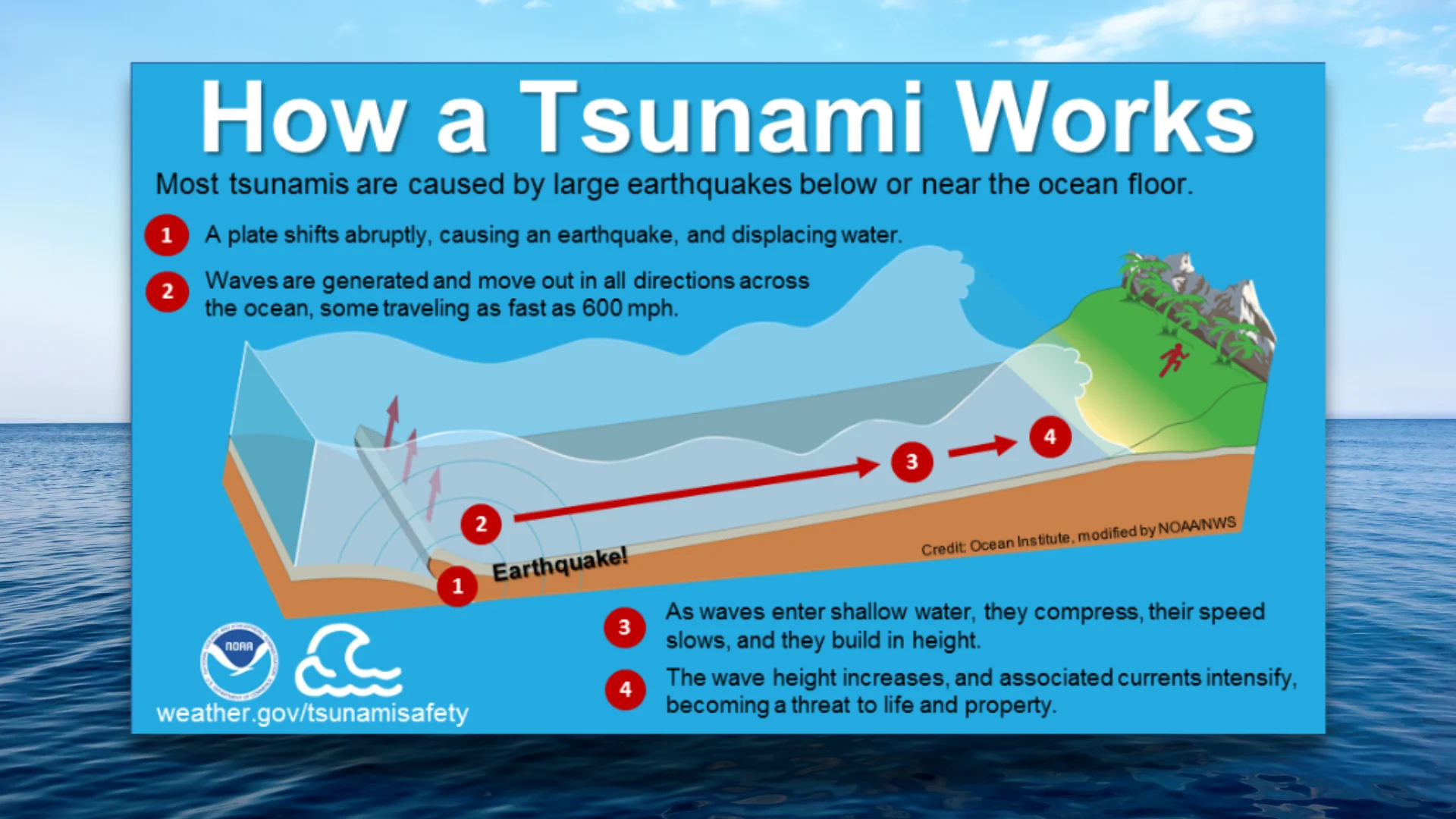
The 2004 Indian Ocean tsunami permanently transformed coastal travel by exposing vulnerabilities in global tourism infrastructure, forcing nations to overhaul early warning systems, and introducing strict hazard-mitigation standards for beachside resorts. Travel operators, hoteliers, and governments shifted from reactive crisis management to proactive disaster preparedness, altering how millions interact with vulnerable shorelines.
The Morning That Changed Global Tourism Forever
On December 26, 2004, a massive undersea megathrust earthquake off the west coast of Sumatra, Indonesia, triggered a series of devastating tsunamis. Reaching heights of up to 30 meters, the waves struck coastal communities across fourteen countries, most notably Indonesia, Thailand, Sri Lanka, India, and the Maldives. The catastrophe killed over 230,000 people, sweeping away villages, infrastructure, and thousands of international tourists enjoying the peak holiday season.
For the global travel industry, the disaster shattered the illusion of safety in tropical paradises. Beach tourism, which had grown exponentially throughout the late 20th century, faced a grim reality: popular coastal destinations lacked basic hazard awareness, evacuation plans, and communication networks. Resorts were built right up to the high-water mark to maximize ocean views, completely disregarding natural buffers like mangrove forests and coral reefs. The 2004 Indian Ocean tsunami forced an immediate reckoning, compelling the travel and hospitality sectors to re-evaluate how they design, manage, and secure coastal destinations.
Infrastructure and Architectural Shifts in Coastal Resorts
In the wake of the disaster, coastal planning underwent a radical paradigm shift. Traditional resort development, which prioritized aesthetic proximity to the shoreline over structural integrity, became a liability. Architects and civil engineers introduced resilient design principles to protect both guests and structures from high-energy wave impacts.
Modern resort developments in hazard-prone regions now incorporate elevated structures, reinforced concrete pilings, and breakaway ground-floor walls designed to let water pass through without compromising upper-level stability. Setback regulations were enacted or strictly enforced across the Indian Ocean basin and other tsunami-prone zones like the Pacific Rim. These laws prohibit permanent construction within a designated buffer zone from the high-tide line, preserving natural landforms that absorb wave energy.
Furthermore, landscape architects began restoring natural coastal barriers that had been cleared for beachfront hotels. Replanting mangrove forests, stabilizing sand dunes, and protecting offshore coral reefs became standard ecological engineering practices. These living shorelines act as the first line of defense, significantly reducing wave velocity before it reaches tourist facilities.
Comparative Resort Planning: Pre-2004 vs. Modern Standards
| Planning Metric | Pre-2004 Coastal Resorts | Modern Post-2004 Standards |
|---|---|---|
| Shoreline Proximity | Built directly on the beach; maximized ocean views. | Mandatory coastal setbacks; strict building buffer zones. |
| Ground Level Design | Enclosed lobbies, restaurants, and guest rooms at grade. | Open pilings and breakaway walls to reduce structural load. |
| Evacuation Planning | Informal or non-existent; reliance on staff intuition. | Clear, signed vertical and horizontal evacuation routes. |
| Natural Defenses | Mangroves cleared for unobstructed beach access. | Restoration of mangroves, dunes, and barrier reefs. |
| Communication | Isolated property-level systems dependent on local power. | Integrated regional alert systems with automated alarms. |
Evolution of Early Warning Systems and Regional Cooperation
Before 2004, the Pacific Ocean possessed a functioning tsunami warning network, but the Indian Ocean had none, despite a history of seismic activity. Tourists and locals alike had no technical means of receiving advanced notice as seismic waves traveled across the ocean basin.
Following the disaster, the international community mobilized under the auspices of the United Nations Educational, Scientific and Cultural Organization (UNESCO) to establish the Indian Ocean Tsunami Warning and Mitigation System (IOTWMS). This network utilizes a combination of ocean-bottom pressure sensors, deep-ocean assessment and reporting of tsunamis (DART) buoys, and seismic monitoring stations.
For the travel sector, these technical upgrades translated into direct operational protocols. Tour operators, cruise lines, and major hotel chains are now integrated into national meteorological alert feeds. When an offshore earthquake occurs, automated messages trigger alarms in resort zones within minutes, providing critical minutes for evacuation to higher ground or reinforced vertical evacuation structures.
Crisis Management and Traveler Preparedness
The 2004 tsunami redefined traveler expectations regarding safety and risk management. Travel insurance policies, once focused primarily on medical emergencies, lost baggage, and trip cancellations, expanded to include natural disaster evacuation coverage and crisis response services.
Tourists visiting coastal destinations today encounter a vastly different safety landscape:
- Evacuation Signage: Clear, standardized international hazard symbols mark tsunami evacuation routes, assembly points, and safe zones in multiple languages.
- Hotel Briefings: Check-in procedures in coastal hotels frequently include natural hazard orientation and specific evacuation instructions.
- Emergency Apps: Governments and tourism boards deploy mobile applications that broadcast localized emergency alerts directly to visitors' devices.
- Staff Training: Hospitality staff undergo regular drills covering crowd management, rapid evacuation procedures, and post-disaster first aid.
Despite these advancements, challenges remain. Tourism turnover is high, meaning most visitors arrive without local knowledge or hazard awareness. Bridging the gap between automated government warnings and effective tourist response requires continuous education by hospitality providers.
Economic Resilience and Sustainable Tourism
The economic recovery of regions affected by the 2004 tsunami took years, highlighting the extreme vulnerability of tourism-dependent economies. Destinations like Khao Lak in Thailand and the southern coast of Sri Lanka had to rebuild their tourism infrastructure from the ground up.
This rebuilding process catalyzed a broader movement toward sustainable tourism and destination resilience. Rather than rushing to recreate vulnerable mass-market resorts, planners integrated disaster risk reduction (DRR) into regional development frameworks. Diversification became a key strategy; destinations developed inland eco-tourism, cultural heritage tours, and agricultural tourism to reduce economic reliance exclusively on beachfront strips.
Moreover, the catastrophe underscored the importance of community-based disaster management. Local populations, who interact daily with the coastal environment, were integrated into emergency response frameworks, ensuring that hospitality workers and local guides act as knowledgeable stewards of visitor safety.
Frequently Asked Questions
What caused the 2004 Indian Ocean tsunami?
The tsunami was caused by an undersea megathrust earthquake with a magnitude of 9.1–9.3, originating off the west coast of Sumatra, Indonesia. The abrupt rupture of the Indian plate sliding beneath the Burma plate displaced billions of tons of water, generating massive waves that radiated across the Indian Ocean basin.
How did the 2004 disaster change hotel construction in coastal areas?
Hotels built after 2004 in hazard-prone regions must comply with strict setback regulations, keeping buildings further from the high-tide line. Structural designs incorporate elevated foundations, reinforced concrete pillars, and breakaway ground-floor walls that allow water to flow through without destroying the entire building.
Are tourist areas in the Indian Ocean safe from tsunamis today?
While natural disasters cannot be prevented, safety has improved dramatically. The implementation of the Indian Ocean Tsunami Warning and Mitigation System, combined with mandatory evacuation drills, hazard signage, and improved resort architecture, ensures that regions are far better prepared to protect lives than they were in 2004.
What should coastal travelers look for regarding safety when booking a resort?
Travelers should verify whether a coastal property is located within a designated hazard zone, check if the hotel provides visible evacuation route maps in guest rooms, and inquire about staff training protocols for natural disasters. Opting for properties with elevated structures or proximity to natural high ground adds an extra layer of security.
How has travel insurance changed since the 2004 tsunami?
Prior to 2004, many standard travel insurance policies excluded natural disasters or treated them under narrow force majeure clauses. Today, comprehensive travel insurance plans routinely cover emergency evacuation, repatriation, and trip interruption costs associated with earthquakes, tsunamis, and other large-scale environmental events.
Conclusion and Next Actions
The 2004 tsunami left an indelible mark on global travel, transforming how coastal destinations are planned, built, and managed. For modern travelers, understanding these historical shifts emphasizes the importance of hazard awareness when selecting coastal destinations. Before booking your next beachside trip, review the destination's emergency evacuation plans, verify that your travel insurance includes natural disaster coverage, and familiarize yourself with local warning signals and safe zones upon arrival.