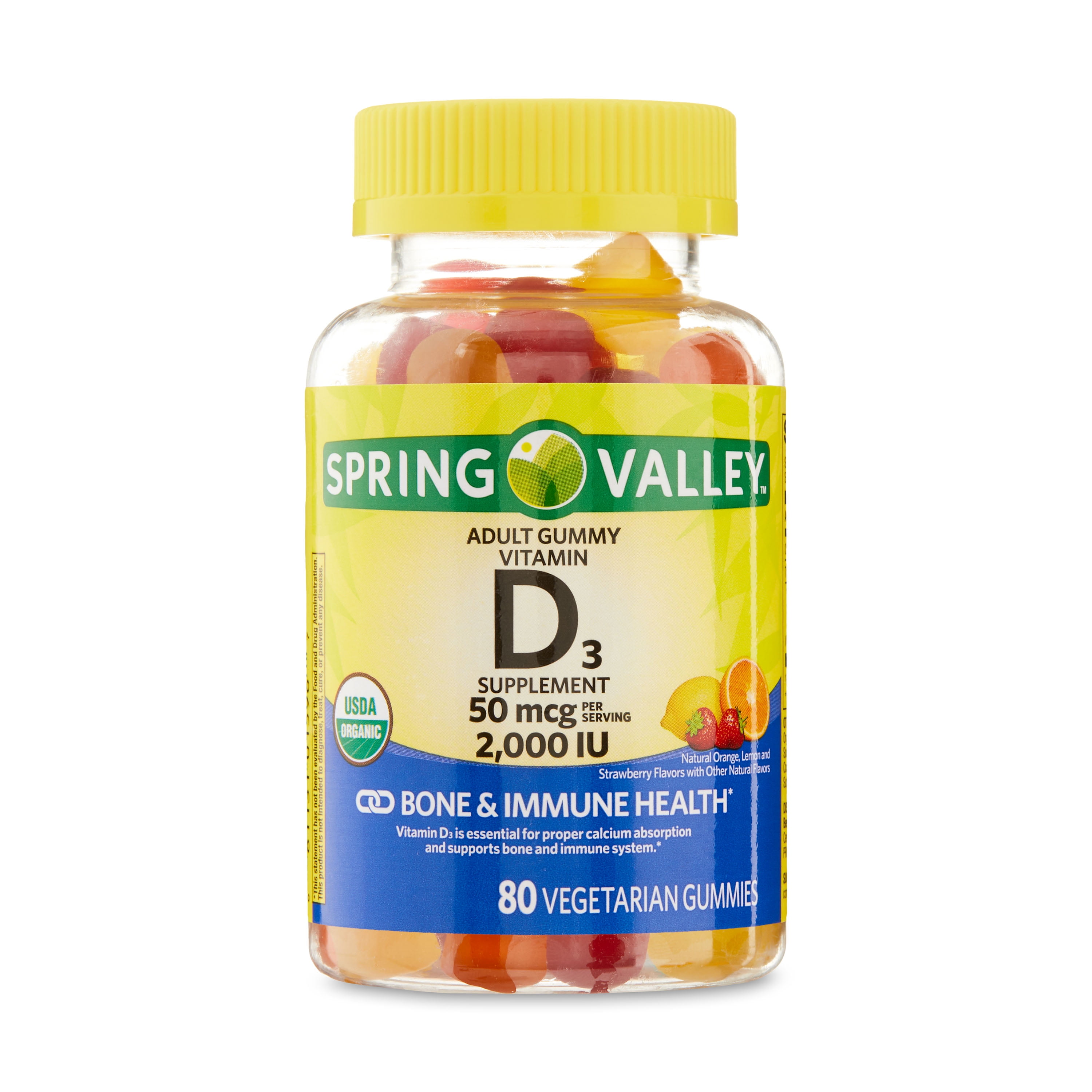
The conversion of 50 micrograms (mcg or µg) of Vitamin D3 to 2,000 International Units (IU) is based on the standard biological activity ratio where 1 mcg of cholecalciferol equals 40 IU. This specific dosage is widely recognized in 2026 as a standard supplemental amount for maintaining healthy blood levels of 25-hydroxyvitamin D in the average adult.
Determining the correct dosage of Vitamin D often requires navigating two different systems of measurement: mass (micrograms) and biological activity (International Units). While the supplement industry has largely transitioned toward metric mass measurements to align with global labeling standards, the "IU" designation remains the most recognizable term for consumers and healthcare providers. Understanding the mathematical relationship between 50 mcg and 2,000 IU is essential for ensuring safety, accuracy in dosing, and alignment with clinical recommendations.
The Mathematical Foundation: Converting Micrograms to International Units
The conversion factor for Vitamin D3 (cholecalciferol) is fixed by international biological standards. To convert micrograms to International Units, you multiply the mass by 40. Conversely, to find the microgram equivalent of an IU value, you divide by 40.
- Calculation: 50 mcg × 40 = 2,000 IU
- Reverse Calculation: 2,000 IU ÷ 40 = 50 mcg
This ratio is specific to Vitamin D. Other fat-soluble vitamins, such as Vitamin A or Vitamin E, use entirely different conversion factors because "International Units" are a measure of potency or biological effect rather than weight. In the case of Vitamin D, 1 IU is defined as the biological activity of 0.025 mcg of pure crystalline cholecalciferol. Therefore, 1 microgram equals exactly 40 IU.
Why Do Two Different Units Exist?
Historically, Vitamin D was measured in IU because early scientists could not easily measure the tiny masses of the vitamin in food or tissue. Instead, they measured the vitamin’s ability to produce a specific biological effect (such as curing rickets in lab animals). As laboratory technology advanced, it became possible to measure Vitamin D by its actual weight in micrograms.
In the 2020s, regulatory bodies like the U.S. Food and Drug Administration (FDA) and the European Food Safety Authority (EFSA) mandated that supplement facts panels list Vitamin D in micrograms. However, because decades of clinical research and consumer habits were built around "2,000 IU" or "5,000 IU" doses, manufacturers often list the IU value in parentheses next to the microgram value.
The Significance of the 50 mcg (2,000 IU) Dosage
As of 2026, a daily intake of 50 mcg (2,000 IU) is frequently categorized as a "moderate-to-high" maintenance dose. While the Recommended Dietary Allowance (RDA) for most adults remains at 15–20 mcg (600–800 IU) to prevent bone disease, many clinical practitioners suggest that 50 mcg is more effective for achieving "optimal" serum levels, especially for individuals with limited sun exposure.
Maintenance vs. Therapeutic Dosing
For an individual with healthy baseline levels, 50 mcg per day is generally sufficient to maintain a blood concentration of 25(OH)D between 30 ng/mL and 50 ng/mL. However, if a person is clinically deficient (often defined as levels below 20 ng/mL), a physician might temporarily prescribe much higher doses, such as 125 mcg (5,000 IU) or even 250 mcg (10,000 IU), before dropping back down to a 50 mcg maintenance protocol.
Bioavailability Factors
Taking 50 mcg of Vitamin D3 is most effective when consumed with a meal containing dietary fat. Because Vitamin D is fat-soluble, its absorption in the small intestine is significantly enhanced by the presence of lipids. Research has shown that taking the supplement with a large meal can increase absorption by up to 50% compared to taking it on an empty stomach.
Vitamin D3 vs. Vitamin D2: Does the Conversion Change?
When looking at a label for "50 mcg," it is important to distinguish between Vitamin D3 (cholecalciferol) and Vitamin D2 (ergocalciferol).
- Vitamin D3 (Cholecalciferol): Derived from animal sources (like lanolin) or lichen. It is the form the human body produces naturally when skin is exposed to UVB sunlight.
- Vitamin D2 (Ergocalciferol): Derived from plant sources and fungi (mushrooms).
While the mathematical conversion (1 mcg = 40 IU) applies to both D2 and D3, their efficacy in the human body differs. Most clinical studies in 2026 continue to indicate that Vitamin D3 is more effective at raising and maintaining total serum Vitamin D levels over the long term. If your goal is to reach a specific blood level, 50 mcg of D3 is generally considered superior to 50 mcg of D2.
Comparative Conversion Table
To help visualize how 50 mcg fits into the broader spectrum of Vitamin D supplementation, the following table provides the most common conversion points used in clinical and over-the-counter settings.
| Micrograms (mcg/µg) | International Units (IU) | Typical Use Case (2026 Guidelines) |
|---|---|---|
| 10 mcg | 400 IU | Standard dose in many multivitamins; infant RDA. |
| 15 mcg | 600 IU | Standard RDA for adults up to age 70. |
| 20 mcg | 800 IU | RDA for adults over age 70 to support bone density. |
| 25 mcg | 1,000 IU | Common "low-dose" single-ingredient supplement. |
| 50 mcg | 2,000 IU | Common maintenance dose for optimal health. |
| 100 mcg | 4,000 IU | The "Tolerable Upper Intake Level" (UL) for most adults. |
| 125 mcg | 5,000 IU | High-potency dose; often used for correction of deficiency. |
| 250 mcg | 10,000 IU | Maximum daily dose usually taken under medical supervision. |
Biological Pathways: How the Body Processes 50 mcg
When you ingest a 50 mcg Vitamin D3 supplement, it undergoes a two-step hydroxylation process before it can be used by your cells.
- First Stop (The Liver): Cholecalciferol is converted into 25-hydroxyvitamin D [25(OH)D], also known as calcidiol. This is the form that is measured during a standard blood test to determine your Vitamin D status.
- Second Stop (The Kidneys): Calcidiol is converted into 1,25-dihydroxyvitamin D [1,25(OH)2D], or calcitriol. This is the biologically active hormone that regulates calcium absorption and immune function.
A daily dose of 50 mcg provides a steady supply for this pathway. Unlike some vitamins that are water-soluble and excreted quickly, Vitamin D is stored in the body's fat tissues and liver. This allows the body to draw upon reserves during winter months or periods of low sun exposure, but it also means that excessively high doses can accumulate over time.
Safety and the Tolerable Upper Intake Level (UL)
One of the primary reasons for understanding the 50 mcg to 2,000 IU conversion is to stay within safe consumption limits. The National Academies of Sciences, Engineering, and Medicine has set the Tolerable Upper Intake Level (UL) at 100 mcg (4,000 IU) per day for adults.
- 50 mcg (2,000 IU): This is exactly half of the UL. It is generally considered safe for long-term daily use for the vast majority of the population without a high risk of toxicity.
- Risks of Exceeding the UL: Consuming significantly more than 100 mcg (4,000 IU) daily over several months without medical supervision can lead to hypercalcemia (too much calcium in the blood). Symptoms include nausea, weakness, frequent urination, and in severe cases, kidney stones or vascular calcification.
In 2026, many specialists argue that the 100 mcg UL is conservative, and some patients require more due to malabsorption issues (such as Crohn's disease or celiac disease) or obesity (as Vitamin D gets sequestered in fat cells). However, 50 mcg remains the "sweet spot" for most healthy individuals looking to boost their levels without approaching the threshold of potential toxicity.
The Role of Co-Factors: Magnesium and Vitamin K2
Modern nutritional science emphasizes that Vitamin D doesn't work in isolation. When taking a 50 mcg dose, two co-factors are particularly relevant:
Magnesium
Magnesium is required for the enzymes that metabolize Vitamin D in the liver and kidneys. If an individual is magnesium-deficient, their body may struggle to convert a 50 mcg supplement into its active form. This can lead to a "plateau" where blood levels of Vitamin D do not rise despite consistent supplementation.
Vitamin K2 (MK-7)
While Vitamin D3 increases calcium absorption from the gut, Vitamin K2 ensures that the calcium is directed to the bones and teeth rather than being deposited in the arteries or soft tissues. Many 50 mcg (2,000 IU) supplements in 2026 are formulated as "D3 + K2" combinations for this specific reason.
Reading Supplement Labels in 2026
When purchasing Vitamin D, you may encounter various labeling formats. Following updated international standards, most labels will look like this:
Vitamin D3 (as Cholecalciferol) .... 50 mcg (2,000 IU) .... 250% DV
The "DV" or Daily Value is based on the 20 mcg (800 IU) reference point. Therefore, a 50 mcg supplement provides 250% of the minimum requirement. It is vital to check the "Serving Size" on the label; some manufacturers may require two capsules to reach the 50 mcg threshold, while others provide it in a single drop or softgel.
Frequently Asked Questions
Is 50 mcg of Vitamin D3 the same as 2,000 IU?
Yes, they are identical in terms of biological activity. The conversion factor is 1 mcg = 40 IU. Therefore, 50 mcg multiplied by 40 equals 2,000 IU. This is the standard conversion used by the FDA, EFSA, and health organizations globally.
Can I take 50 mcg of Vitamin D3 every day?
For most adults, 50 mcg (2,000 IU) is a safe and effective daily dose. It falls well below the Tolerable Upper Intake Level of 100 mcg (4,000 IU). However, individuals with underlying conditions like hyperparathyroidism or those taking specific medications should consult a healthcare provider first.
How much will 50 mcg of Vitamin D3 raise my blood levels?
While results vary based on body weight and baseline levels, a general rule of thumb is that every 1 microgram of Vitamin D3 supplemented daily can raise serum 25(OH)D levels by approximately 0.7–1.0 nmol/L (0.28–0.4 ng/mL). Thus, 50 mcg may raise levels by roughly 14–20 ng/mL over three to four months.
What is the best time of day to take 50 mcg of Vitamin D3?
Vitamin D is best absorbed when taken with the largest meal of the day, particularly one containing healthy fats like avocado, olive oil, or fatty fish. While time of day (morning vs. evening) does not significantly impact absorption, some users find that taking it in the morning is preferable as it may interfere with melatonin production in some individuals if taken late at night.
Does 50 mcg of Vitamin D3 help with immune health?
Yes, Vitamin D plays a crucial role in modulating the innate and adaptive immune responses. A dose of 50 mcg is often recommended during the winter months to support respiratory health and immune vigilance, as many people cannot synthesize enough Vitamin D from sunlight during this time.
Summary and Next Actions
Understanding that 2,000 IU is the conversion for 50 mcg Vitamin D3 is a fundamental piece of health literacy in 2026. This dosage serves as a bridge between the minimum requirements for bone health and the higher therapeutic levels used to treat deficiency.
If you are considering starting a 50 mcg (2,000 IU) regimen, the following steps are recommended:
- Get Tested: Request a 25-hydroxyvitamin D blood test to determine your current baseline.
- Check Your Multivitamin: Many modern multivitamins already contain 25 mcg (1,000 IU); adding a 50 mcg supplement would bring your total to 75 mcg, which is still safe but worth noting.
- Monitor Co-Factors: Ensure your diet includes sufficient magnesium to facilitate the conversion of the supplement into its active hormonal form.
- Re-evaluate Seasonally: You may find that 50 mcg is necessary during the winter but can be reduced during the summer if you spend significant time outdoors.
Disclaimer: This information is for educational purposes and does not constitute medical advice. Consult with a qualified healthcare professional before starting any new supplement protocol, especially if you have pre-existing medical conditions or are taking prescription medications.