Securing auto insurance for a 19-year-old male in Maryland requires navigating high statistical risk brackets, mandatory state-minimum liability coverages, and specific premium reduction strategies. Because drivers under the age of 20 face the highest accident frequency and severity rates nationwide, insurers price policies for young males steeply, making strategic shopping, policy structuring, and discount optimization essential for financial manageability.
Understanding Maryland Auto Insurance Requirements and Regulations
Maryland operates under a mandatory-insurance system governed by the Maryland Insurance Administration (MIA) and the Motor Vehicle Administration (MVA). Every registered motor vehicle operated within the state must maintain active liability coverage that meets or exceeds statutory minimums. For a 19-year-old male driver, understanding these legal baselines is the first step toward securing a compliant policy that avoids severe administrative penalties, fines, or registration suspensions.
Statutory Minimum Liability Limits
Under Maryland law, standard auto insurance policies must include specific minimum limits for bodily injury and property damage. As of current state standards, these minimums are:
- $30,000 for bodily injury liability per person injured in a single accident.
- $60,000 for total bodily injury liability when two or more people are injured in a single accident.
- $15,000 for property damage liability per accident.
While purchasing only state minimum coverage keeps initial monthly premiums as low as possible, it exposes the policyholder and their household to immense financial vulnerability. If a 19-year-old male causes an accident that exceeds these low limits, injured third parties can sue for the remaining balance, putting personal assets and future earnings at risk.
Uninsured Motorist Protection and Personal Injury Protection
Maryland is one of several states that mandates Uninsured Motorist (UM) coverage as part of a standard auto policy to protect drivers against collisions involving hit-and-run drivers or motorists without insurance.
- Uninsured Motorist Coverage: Must match the liability limits selected on the policy unless explicitly waived in writing down to state minimums. It covers medical bills, lost wages, and vehicle repair costs caused by an uninsured or underinsured driver.
- Personal Injury Protection (PIP): Maryland is a PIP state, meaning policies must include at least $2,500 in PIP coverage unless waived. PIP pays for medical expenses and lost wages for the driver and any passengers regardless of who caused the crash. Young drivers benefit significantly from PIP because it provides immediate medical coverage without waiting for fault determinations.
Why Insurance Rates Are Exceptionally High for 19-Year-Old Males
The cost of car insurance for a 19-year-old male is among the highest in the insurance industry. Insurance underwriting relies heavily on actuarial tables, historical claims data, and statistical probability. Understanding the risk factors helps explain why premiums are elevated and highlights which variables can eventually be changed over time.
Actuarial Risk and Statistical Data
Insurance companies analyze millions of claims to price risk. According to safety organizations like the Insurance Institute for Highway Safety (IIHS) and the National Highway Traffic Safety Administration (NHTSA), teenagers aged 16 to 19 have the highest fatal crash per-mile-driven rate of any age group.
- Gender Disparity: Young males statistically receive more traffic citations for speeding, reckless driving, and driving under the influence than young females. Consequently, carriers price young male policies with a higher risk multiplier.
- Driving Experience: At 19 years old, a driver typically has only two to three years of behind-the-wheel experience. Lack of hazard recognition, slower reaction times in emergency braking scenarios, and vulnerability to driving distractions (such as mobile devices or peer passengers) contribute heavily to high loss ratios for insurers.
Credit Score and ZIP Code Impacts in Maryland
In addition to age and gender, insurers in Maryland evaluate external factors that young adults often overlook:
- Insurance Credit Score: Maryland permits insurers to use credit-based insurance scores in underwriting and pricing. A 19-year-old who has not yet established a robust credit history or who has amassed early student loan debt may face higher rates due to an "unrated" or "thin" credit file.
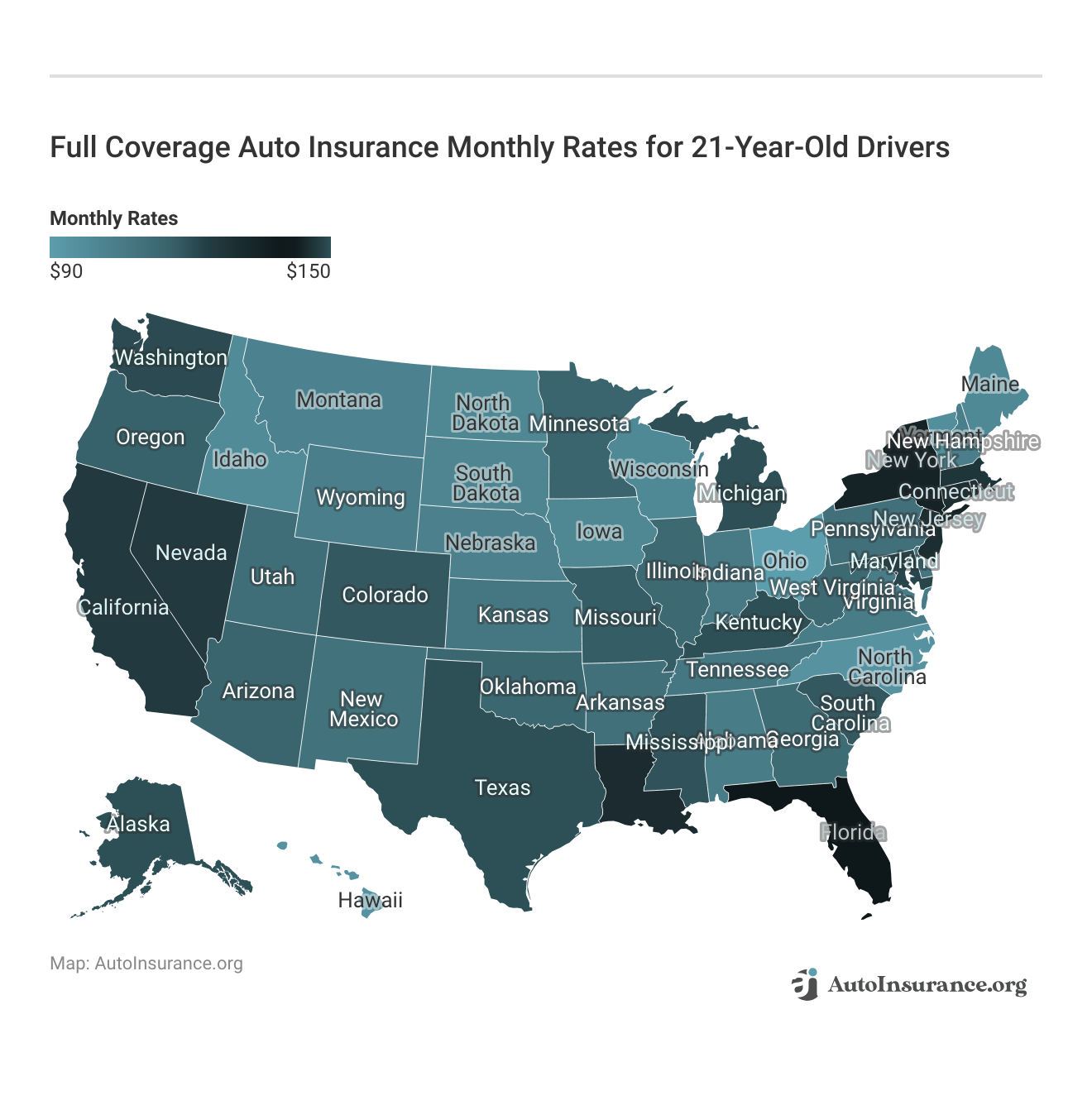
- Location (Rating Territory): Where the vehicle is garaged matters. Insurers charge higher rates in dense urban centers like Baltimore City or Prince George's County compared to rural areas in Western Maryland or the Eastern Shore, due to higher frequencies of theft, vandalism, and traffic congestion.
Standalone Policy vs. Staying on Parental Insurance
One of the most consequential decisions for a 19-year-old male and his family is whether he should purchase an individual standalone auto insurance policy or remain listed as a rated driver on his parents' policy. Each approach carries distinct financial and logistical consequences.
Financial Comparison: Standalone vs. Family Policy
| Coverage Approach | Average Cost Impact | Policy Ownership | Advantages | Disadvantages |
|---|---|---|---|---|
| Parent's Policy (Multi-Car) | Moderate increase | Parents | Access to multi-car, multi-policy, and homeowner discounts; lower overall household expense. | Increases family premium; parents assume liability risk; claims affect household rates. |
| Standalone Policy | Extremely high | 19-Year-Old | Builds independent insurance history; keeps liability off parents' record. | Prohibitive monthly cost; may require a co-signer if under legal contract age; fewer available discounts. |
Building Independent Insurance Credit
While staying on a parent's policy is almost universally more affordable, there comes a time when young adults must transition to their own coverage. Remaining on a family policy until age 21 or 22 allows the driver to mature past the highest-risk teenage bracket, which softens the financial blow when they eventually purchase a standalone policy. However, starting a standalone policy earlier allows the driver to build a long-term "brokerage history" or "prior insurance score," which insurers view favorably when calculating future rates.
Vehicle Selection and Its Direct Effect on Premiums
The make, model, year, and safety ratings of the vehicle driven by a 19-year-old male heavily dictate the insurance premium. Choosing the right car can save thousands of dollars per year.
High-Risk vs. Economical Vehicles
- Sports Cars and High-Horsepower Sedans: Vehicles with high horsepower, rapid acceleration profiles, and expensive body kits are classified as high-risk. Insurers anticipate that young drivers may test the limits of these cars, leading to severe single-vehicle or multi-vehicle collisions. Insuring a sports car for a 19-year-old male can easily cost several thousand dollars annually.
- Sedans, Crossovers, and Family SUVs: Standard four-door sedans, compact crossovers, and mid-sized SUVs equipped with strong crash-test ratings (such as IIHS Top Safety Pick designations) offer much lower insurance premiums. These vehicles are cheaper to repair, have safer handling characteristics, and carry lower injury-claim payouts.
Safety Features That Lower Rates
Insurers reward vehicles equipped with advanced safety technology. When shopping for a car for a 19-year-old male in Maryland, look for models featuring:
- Anti-lock braking systems (ABS) and electronic stability control.
- Advanced airbag systems (front, side, and curtain airbags).
- OEM-installed passive restraint systems and anti-theft tracking devices.
- Advanced Driver Assistance Systems (ADAS) like automatic emergency braking, lane departure warning, and blind-spot monitoring.
Proven Strategies to Lower Insurance Costs in Maryland
Because premiums for young male drivers are naturally elevated, utilizing every available discount and policy optimization technique is crucial. Families should review the following list of reduction opportunities with their insurance agent.
Good Student Discounts
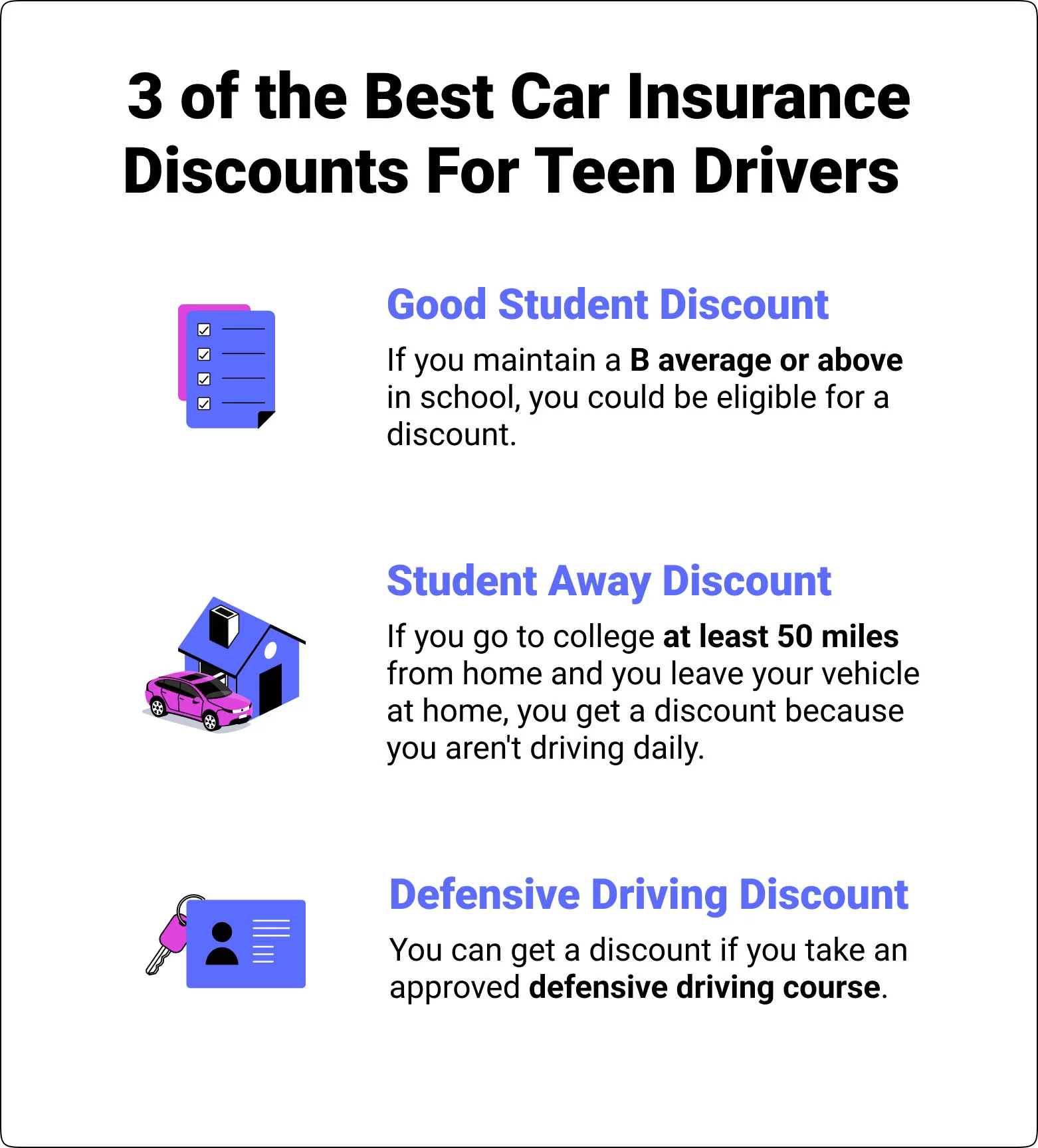
Most major insurance carriers operating in Maryland offer a "Good Student Discount." To qualify, the 19-year-old male must typically maintain a B average (3.0 GPA or higher) or rank in the upper 20% of his high school or college class. Submitting official report cards or college transcripts semiannually can yield premium discounts ranging from 10% to 25%.
Driver's Education and Defensive Driving Courses
Completing an approved Maryland MVA driver education program is mandatory for obtaining a license at a younger age, but advanced training can yield ongoing insurance savings. Enrolling in a certified defensive driving course teaches hazard avoidance, adverse weather driving techniques, and proper braking mechanics, often triggering an additional multi-percentage discount on liability and collision coverages.
Telematics and Usage-Based Insurance (UBI)
Many national and regional insurers offer app-based or plug-in telematics programs (such as Progressive Snapshot, State Farm Drive Safe & Save, or Allstate Drivewise). These programs monitor driving habits in real-time, including:
- Speed management and harsh acceleration.
- Hard braking events.
- Time of day driven (avoiding late-night weekend driving).
- Mobile phone distraction handling.
For cautious 19-year-old drivers who do not speed or drive late at night, telematics can result in discounts of up to 30%. However, aggressive driving habits monitored through these apps can also cause rates to increase, making self-awareness essential before enrollment.
Adjusting Deductibles and Coverage Limits
If opting for physical damage coverage—specifically Comprehensive (covering theft, weather, and animal strikes) and Collision (covering accidents with other vehicles or objects)—raising the deductible from $500 to $1,000 can reduce the collision and comprehensive portion of the premium by 15% to 25%. Ensure that the policyholder has cash savings set aside to cover the higher out-of-pocket deductible in the event of an accident.
Comparing Maryland Auto Insurance Options
To find the best balance of coverage and cost, shopping across multiple carriers is essential. Different insurers weigh risk factors uniquely, leading to vastly different quotes for the exact same driver profile.
Major National Carriers vs. Regional Insurers
- National Carriers (e.g., State Farm, Progressive, Geico, Allstate): Generally offer robust digital apps, easy policy management, and competitive multi-policy bundling options. Geico and Progressive frequently offer aggressive pricing for young drivers who shop online.
- Regional Carriers (e.g., Erie Insurance, MAIF): Regional insurers like Erie often provide superior customer service and claims handling in Maryland, while the Maryland Automobile Insurance Fund (MAIF)—now operating as Maryland Auto Insurance—serves as the state's insurer of last resort for drivers who cannot find coverage in the voluntary market due to poor driving records or accidents.
Tips for Effective Comparison Shopping
- Gather Uniform Information: Have the vehicle identification number (VIN), driver's license number, and driving history ready before requesting quotes.
- Compare Apples to Apples: Ensure that every quote requested features the exact same liability limits, deductibles, and optional coverages (such as roadside assistance and rental car reimbursement) to make an accurate financial comparison.
- Review Financial Strength Ratings: Verify that the insurer holds a strong financial rating from agencies like A.M. Best to ensure they can reliably pay out claims.
Disclaimer: Insurance rates, laws, and carrier guidelines change frequently. Consumers should consult directly with licensed insurance producers or the Maryland Insurance Administration to verify current policy regulations and rate structures.
Frequently Asked Questions
Can a 19-year-old male in Maryland buy car insurance in his own name?
Yes. A 19-year-old is legally considered an adult in Maryland and can enter into binding financial contracts, including auto insurance policies. However, finding an insurer willing to write a standalone policy at an affordable rate can be difficult, and many young adults find it significantly cheaper to stay on a parent's multi-car policy.
What is the absolute minimum car insurance required in Maryland?
Maryland law requires liability coverage of at least $30,000 for bodily injury per person, $60,000 for total bodily injury per accident, and $15,000 for property damage per accident. Additionally, uninsured motorist coverage matching these limits and at least $2,500 in personal injury protection (PIP) are standard requirements unless properly waived.
How much does auto insurance cost on average for a 19-year-old male in Maryland?
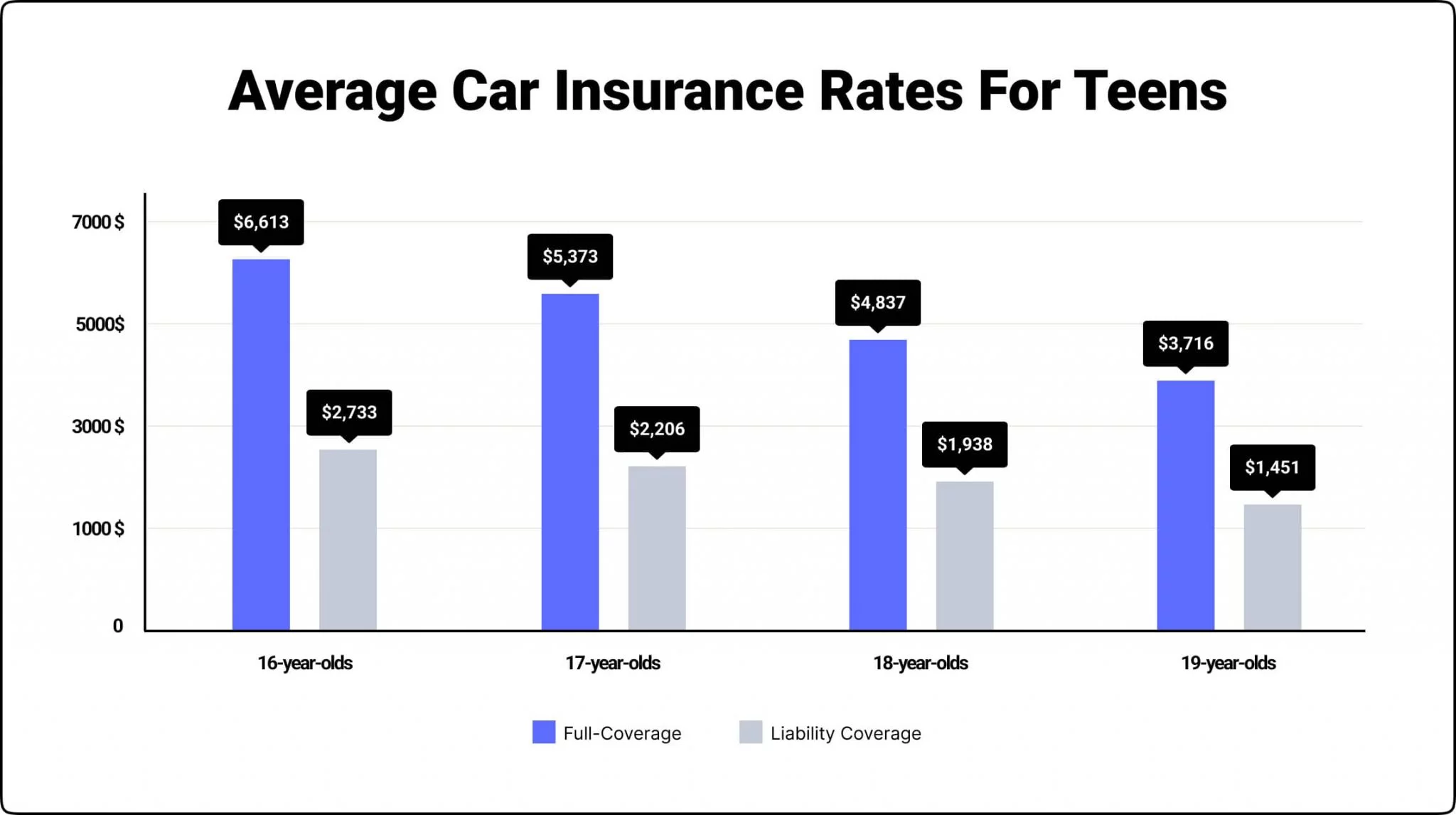
While exact costs fluctuate based on vehicle type, credit score, driving record, and specific Maryland ZIP code, young male drivers frequently face annual premiums ranging from $2,500 to over $5,000 for a standalone policy. Joining a family policy drastically reduces this individual cost burden.
Does a speeding ticket drastically increase rates for a teenage male driver?
Yes. Because insurance companies already view 19-year-old males as high-risk drivers, a single speeding ticket or moving violation can trigger a surcharge of 20% to 50% upon policy renewal, or lead to non-renewal if multiple infractions occur within a short timeframe.
Are there government-sponsored insurance programs for high-risk Maryland drivers?
Yes. The Maryland Automobile Insurance (formerly MAIF) program provides mandatory liability coverage to Maryland residents who have been turned down by private insurance companies or who cannot secure coverage through standard voluntary market channels.