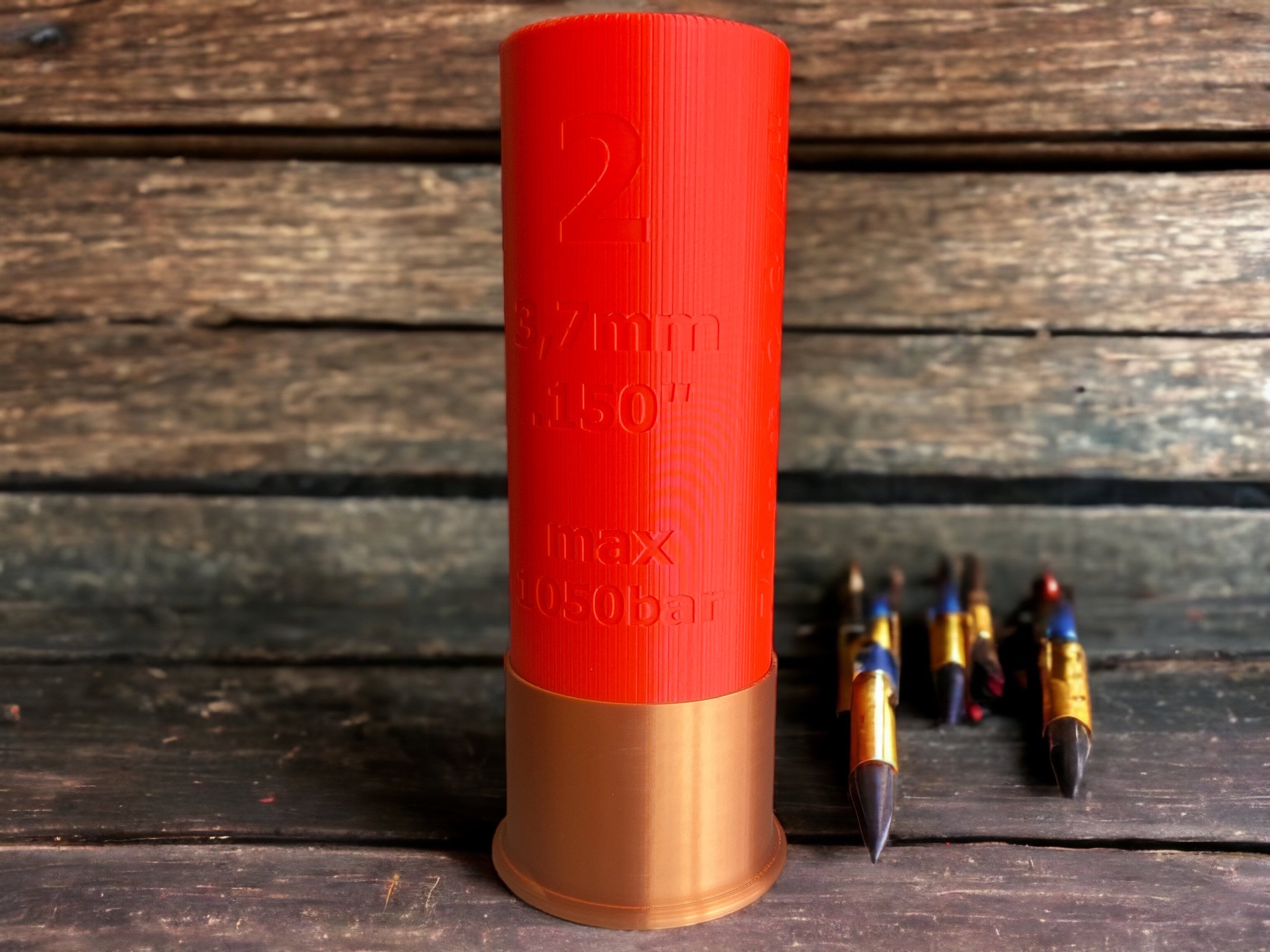
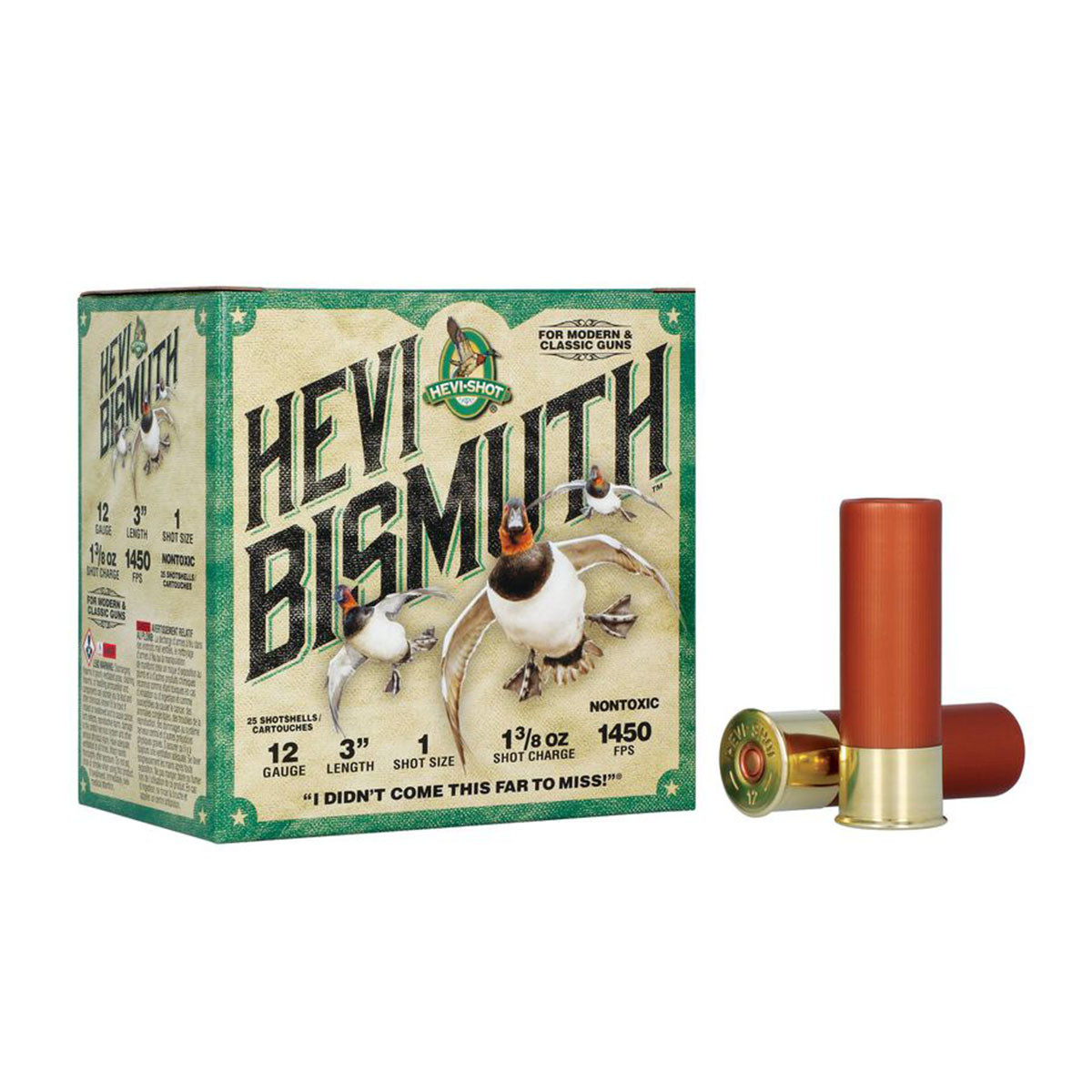
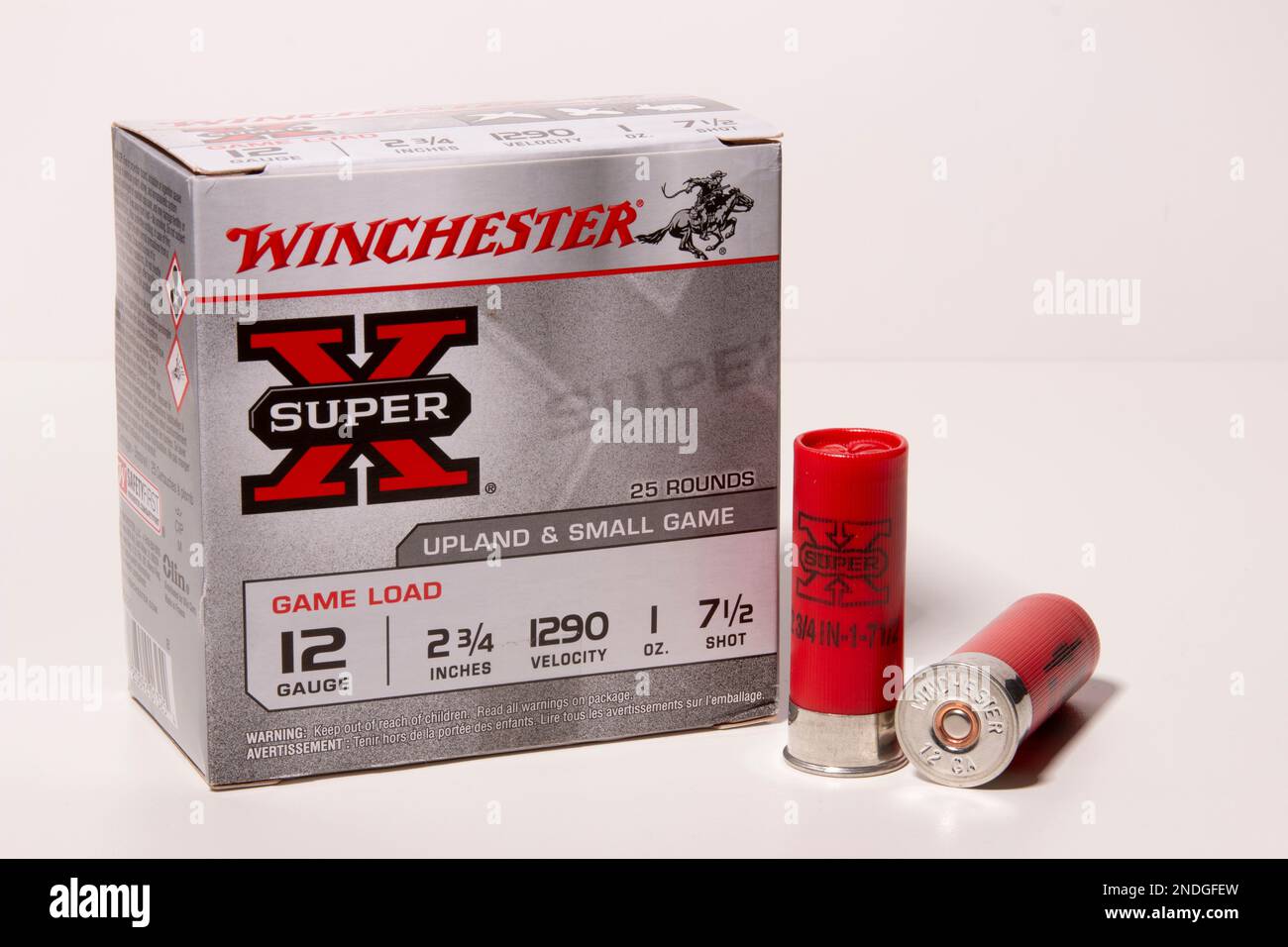
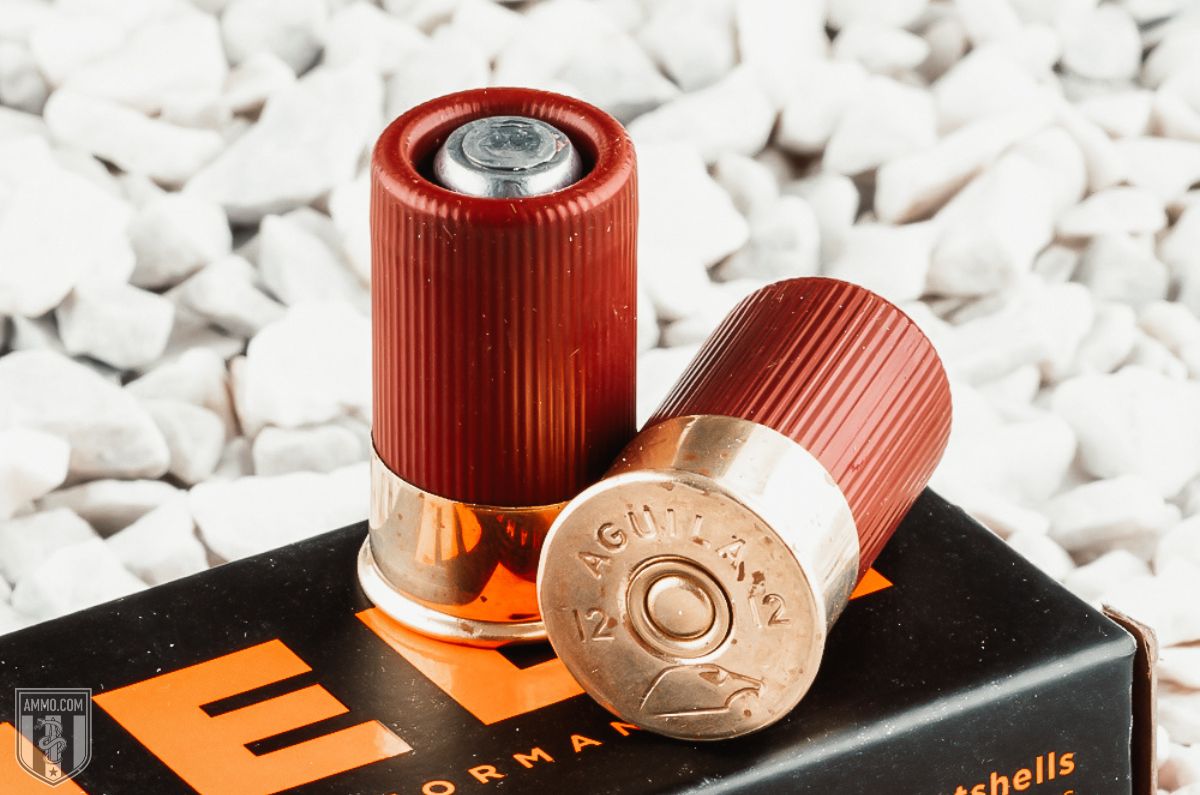
A standard 12-gauge shotgun shell features a nominal body diameter of 0.798 to 0.805 inches (20.27 to 20.45 mm) and a rim diameter of approximately 0.875 to 0.887 inches (22.23 to 22.53 mm). These dimensions are standardized by SAAMI to ensure that ammunition from any manufacturer fits safely into the chamber of any modern 12-gauge firearm.
Understanding the precise measurements of a 12-gauge shell is more than a matter of academic curiosity; it is a fundamental requirement for firearm safety, ammunition manufacturing, and the precision craft of reloading. While many shooters refer to the "12-gauge" based on its historical definition—the diameter of a lead ball weighing 1/12th of a pound—the actual physical dimensions of the modern plastic or paper hull are governed by strict international and domestic engineering standards. As of 2026, these standards remain the bedrock of the shooting sports industry, ensuring compatibility across millions of shotguns worldwide.
The Physical Dimensions of a 12-Gauge Shell
The 12-gauge shell is not a simple uniform cylinder. It consists of several distinct sections: the rim, the brass head (or "hull base"), the plastic or paper body, and the crimp. Each of these components has a specific diameter requirement to ensure the shell chambers smoothly, seals the gases upon firing, and extracts reliably.
Body Diameter and Taper
The body of a 12-gauge shell is slightly tapered, although this taper is much less pronounced than that of a rifle cartridge. At the base, near the metal head, the diameter is at its widest (excluding the rim). According to the Small Arms and Ammunition Manufacturers' Institute (SAAMI), the maximum diameter of the shell body at the base is approximately 0.810 inches, while the diameter toward the mouth is slightly smaller, often around 0.798 inches.
This slight taper serves a dual purpose. First, it allows the shell to be inserted into the chamber with minimal resistance. Second, it assists in extraction. After a shell is fired, the internal pressure causes the plastic and metal to expand against the chamber walls. A tapered design makes it easier for the extractor to pull the spent hull out of the chamber once that pressure has subsided.
Rim Diameter and Thickness
The rim is the most critical part of the shell for headspacing and extraction. In a 12-gauge shotgun, the "headspace" is determined by the rim of the shell resting against the face of the chamber.
- Nominal Rim Diameter: 0.875" to 0.887"
- Rim Thickness: 0.055" to 0.065"
If the rim is too wide, the shell will not sit flush in the chamber, preventing the bolt or breech from closing. If it is too thin, the firing pin may not strike the primer with enough force to ignite it, or the extractor may fail to "grab" the shell, leading to a failure to extract—a common and frustrating malfunction in semi-automatic and pump-action shotguns.
Length Considerations: Unfired vs. Fired
One of the most common points of confusion regarding 12-gauge dimensions is the length. When a shell is described as "2 3/4 inches" or "3 inches," this refers to the length of the fired shell with the crimp open.
An unfired 2 3/4-inch shell is actually only about 2.25 to 2.35 inches long because the plastic is folded over at the top (the crimp). When the shotgun is fired, the crimp unfolds to allow the shot and wad to exit. If you put a 3.5-inch shell into a chamber designed only for 2 3/4-inch shells, it may fit physically while unfired, but upon firing, the crimp will have no room to open fully. This creates a massive, dangerous spike in pressure that can result in catastrophic firearm failure.
12-Gauge Dimensional Reference Table
The following table provides the technical specifications for standard 12-gauge ammunition as of 2026. These figures represent the nominal maximums and minimums allowed under SAAMI guidelines.
| Feature | Measurement (Inches) | Measurement (Metric mm) | Importance |
|---|---|---|---|
| Bore Diameter | 0.725" – 0.735" | 18.42 – 18.67 mm | The internal diameter of the barrel. |
| Shell Body (at Base) | 0.805" – 0.810" | 20.45 – 20.57 mm | Ensures fit within the breech end of the chamber. |
| Shell Body (at Mouth) | 0.795" – 0.800" | 20.19 – 20.32 mm | Affects smooth chambering and crimp integrity. |
| Rim Diameter | 0.875" – 0.887" | 22.23 – 22.53 mm | Essential for extraction and headspacing. |
| Rim Thickness | 0.055" – 0.065" | 1.40 – 1.65 mm | Critical for firing pin reach and extraction. |
| Chamber Diameter (Rear) | 0.812" + | 20.62 mm + | The chamber must be slightly larger than the shell. |
The Mathematical Origin of the 12-Gauge
To truly understand the 12-gauge diameter, one must look at the "gauge" system, which differs significantly from the "caliber" system used for rifles and pistols. Caliber is a direct measurement of the bore diameter in inches or millimeters. Gauge, however, is a measurement of weight.
The gauge of a shotgun is determined by the number of solid lead balls of that diameter required to equal one pound. If you take one pound of lead and cast it into 12 identical spheres, the diameter of one of those spheres will be approximately 0.729 inches. This 0.729-inch figure is the "nominal" bore diameter of a 12-gauge shotgun.
Because the shell must contain the wad and the shot column inside its walls, and then the entire shell must fit inside the chamber, the external diameter of the shell (approx. 0.800") is necessarily larger than the bore of the barrel (0.729"). When the shell is fired, the wad expands to bridge that 0.071-inch gap, creating a gas seal that propels the shot down the barrel.
Material Impact on Shell Diameter
While the external dimensions are standardized, the materials used in 12-gauge shells have evolved, impacting internal volume and reloading practices.
Plastic Hulls
Modern shells are almost exclusively made of polyethylene plastic. Plastic is preferred because it is weather-resistant and holds its shape well. However, not all plastic shells are identical. "Straight-wall" hulls (like those from Federal or many European brands) have a consistent internal diameter from top to bottom. "Tapered" hulls (like the Winchester AA or Remington STS) become thicker toward the base. While the external diameter remains the same to fit the shotgun chamber, the internal diameter varies, requiring reloaders to use specific wads designed for either tapered or straight-wall hulls.
The Metal Head (Brass vs. Steel)
The "brass" at the bottom of the shell is rarely pure brass in 2026; it is typically brass-plated steel. The diameter of this metal head is the most rigid part of the shell. In high-pressure loads (like turkey or waterfowl magnums), manufacturers often use "high brass"—a metal head that extends further up the side of the plastic hull. Contrary to popular belief, the height of the brass does not inherently mean the shell is more powerful; rather, it provides more structural support to the plastic to prevent the diameter from swelling excessively under high pressure, which could cause the shell to stick in the chamber.
Safety and the "12/20 Burst"
Understanding the diameter of a 12-gauge shell is a critical safety barrier against one of the most common shotgun accidents: the 12/20 burst.
A 20-gauge shell has a body diameter of approximately 0.690 inches. Because the 12-gauge bore is 0.729 inches, a 20-gauge shell is small enough to slip past the chamber of a 12-gauge shotgun and slide down the barrel until it wedges in the "forcing cone" or the start of the bore.
If a shooter does not realize this has happened and loads a 12-gauge shell behind the lodged 20-gauge shell, the resulting obstruction will cause the barrel to explode upon firing. This is why 20-gauge shells are almost universally colored yellow, while 12-gauge shells are usually red, black, or blue—providing a visual cue to match the dimensional reality.
Technical Considerations for Reloaders
For those who reload 12-gauge ammunition, diameter management is a constant task. Every time a shell is fired, the pressure of the expanding gases forces the metal head to expand to the limit of the chamber walls.
- Resizing: When reloading, the hull must be passed through a "resizing die." This tool squeezes the metal head back down to the SAAMI-specified diameter (approx. 0.805"). If this step is skipped, the reloaded shell may be too "fat" to chamber in a different shotgun with a tighter chamber.
- Crimp Diameter: The diameter of the finished crimp must be uniform. If the crimp "bulges" or "mushrooms" out, the shell will snag on the chamber's edge. This is often caused by using a wad that is too tall for the amount of shot and powder in the shell.
- Wall Thickness: Different brands have different wall thicknesses. A shell with thicker walls will have a slightly larger "stuffed" diameter if the internal components are not matched correctly, potentially leading to chambering issues even if the brass is correctly resized.
Frequently Asked Questions
What is the difference between 12-gauge bore diameter and shell diameter?
The bore diameter is the internal measurement of the shotgun barrel, which is nominally 0.729 inches. The shell diameter is the external measurement of the ammunition, which is approximately 0.798 to 0.805 inches. The shell must be larger than the bore because it sits in a wider section of the barrel called the chamber; once fired, the projectile (shot) and its carrier (wad) travel through the narrower bore.
Why do some 12-gauge shells feel tighter in the chamber than others?
This is usually due to manufacturing tolerances or "swelling." While all shells should adhere to SAAMI standards, some manufacturers use thinner metal heads that expand more upon firing. If you are using reloaded ammunition, it may not have been resized correctly. Additionally, "high brass" shells may feel tighter in dirty chambers because there is more metal-to-metal contact area.
Can I use a 12-gauge shell in a 10-gauge shotgun?
No. A 10-gauge shotgun has a larger bore (0.775") and a larger chamber. A 12-gauge shell will fit loosely and likely won't fire. If it does fire, the lack of a gas seal (due to the diameter mismatch) will result in extremely poor performance and could potentially damage the firearm or cause a dangerous obstruction.
Does the diameter of the shell change if it is a "Magnum" load?
No. The external diameter of a 12-gauge shell remains constant regardless of whether it is a light target load or a heavy 3.5-inch Magnum. All 12-gauge shells must fit the same standard chamber width. The "Magnum" designation refers to the length of the shell and the weight of the shot charge, not the diameter.
What tool should I use to measure my 12-gauge shells?
The most accurate tool for measuring shell diameter is a set of digital or dial calipers. When measuring, take readings at the rim, the base of the hull (the brass), and the mouth. For reloaders, a "drop gauge" or "case gauge" is often more practical; this is a precision-machined cylinder that simulates a minimum-spec chamber. If the shell drops in and falls out freely, it is within diameter specifications.
Next Steps for Shooters and Reloaders
If you are experiencing issues with shell fit or extraction, your first step should be to measure a sample of your ammunition using calipers to ensure it meets the 0.805-inch maximum body diameter and the 0.887-inch maximum rim diameter.
For those using semi-automatic shotguns, ensure your chamber is free of carbon buildup, as even a few thousandths of an inch of residue can make a standard-diameter shell stick. If you are a reloader, consider investing in a high-quality carbide resizing die to ensure your hulls are returned to factory-spec diameters every time. Always prioritize safety by verifying that the shell length (fired length) matches the stamps on your shotgun's barrel.