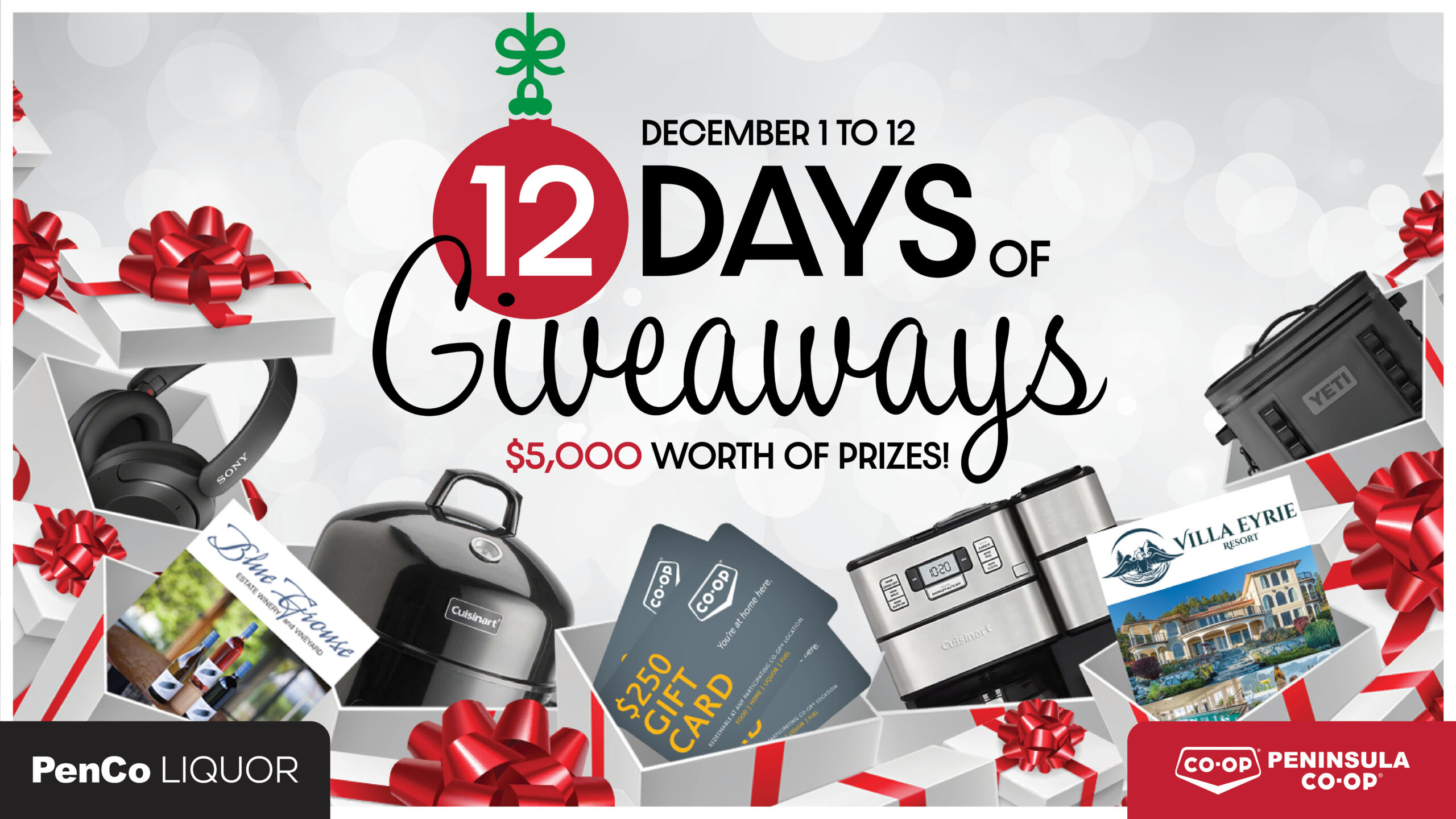
A 12 Days of Giveaways campaign is a high-intensity marketing promotion where a brand offers unique prizes every day for twelve consecutive days. Usually timed to coincide with the holiday season, this strategy aims to maximize digital engagement, accelerate follower growth, and build brand loyalty through daily micro-interactions and high-value rewards.
The concept of "12 Days of Giveaways" is rooted in the traditional festive song, but in the modern commercial landscape of 2026, it has evolved into a sophisticated multi-channel marketing engine. Whether executed on social media platforms like Instagram and TikTok or through dedicated email marketing funnels, the campaign relies on the psychological principles of anticipation, scarcity, and social proof. For businesses, the primary objective is rarely just "giving things away"; it is a calculated investment in customer acquisition and data collection. For consumers, it represents a period of heightened brand interaction with the tangible possibility of winning curated products or experiences.
The Strategic Value of a 12-Day Promotional Cycle
Running a 12-day campaign offers a unique rhythm that standard one-off giveaways cannot match. By stretching the promotion over nearly two weeks, brands create a "daily habit" for their audience.
Building Algorithmic Momentum
On social media platforms, the 2026 algorithms prioritize consistent, high-engagement content. When a brand posts a giveaway every day for twelve days, it signals to the platform that its content is highly relevant. Users who engage on Day 1 are more likely to see the Day 2 post in their feed. This compounding effect can lead to exponential reach by the midpoint of the campaign. This sustained visibility is particularly valuable during the crowded Q4 period when advertising costs (CPM) typically skyrocket.
Data Acquisition and Lead Generation
Beyond likes and comments, the most successful 12 Days of Giveaways focus on first-party data. By requiring an email signup or a SMS opt-in for entry, brands can convert temporary "holiday hype" into long-term marketing leads. In an era where third-party cookies have been phased out, building a robust internal database is a critical business priority.
Inventory Management and Product Education
Giveaways serve as an excellent vehicle for product education. Each day allows a brand to spotlight a different SKU, explaining its features and benefits. This is an effective way to move remaining seasonal inventory or introduce new product lines that will be the focus of the upcoming year.
Designing the Prize Structure
The success of the campaign hinges on the perceived value and relevance of the prizes. A common mistake is offering twelve identical prizes, which leads to "engagement fatigue." Instead, a tiered approach is recommended.
The "Hook, Line, and Sinker" Strategy
- The Hook (Days 1-4): Start with accessible, high-appeal items that encourage a broad range of people to enter. These should be products that clearly define the brand’s identity.
- The Line (Days 5-9): Introduce mid-tier prizes or "bundles." This phase is about maintaining momentum. Consider partnering with complementary brands for co-branded "gift baskets" to tap into each other’s audiences.
- The Sinker (Days 10-12): These are the "Grand Prizes." Day 12 should be the most valuable offering, such as an all-expenses-paid trip, a complete product collection, or a high-end electronics bundle.
Digital vs. Physical Prizes
In 2026, the logistics of shipping physical goods must be weighed against the instant gratification of digital rewards. Digital prizes—such as gift cards, exclusive access codes, or subscriptions—eliminate shipping costs and international customs issues, making them ideal for global audiences. However, physical goods often carry a higher "perceived value" and provide opportunities for "unboxing" content from winners, which serves as valuable user-generated content (UGC).
Legal Requirements and Compliance
Executing a giveaway is not merely a marketing task; it is a legal one. Failure to adhere to sweepstakes laws can result in significant fines and platform bans.
Standard Terms and Conditions
Every 12 Days of Giveaways campaign must have a dedicated page for official rules. These rules should include:
- No Purchase Necessary: A fundamental requirement under U.S. federal law to ensure the giveaway is not classified as an illegal lottery.
- Eligibility Criteria: Age requirements (usually 18+) and geographic restrictions (e.g., "Open to legal residents of the 50 United States").
- Entry Period: Specific start and end times for each of the twelve days, including the time zone (e.g., EST or UTC).
- Selection Process: A clear explanation of how winners are chosen (random drawing) and when they will be notified.
- Sponsor Identity: The legal name and address of the company running the promotion.
Platform-Specific Policies
Each social media platform has its own "Promotions Guidelines." For example, Meta (Instagram/Facebook) requires a complete release of the platform by each entrant and an acknowledgment that the promotion is in no way sponsored or endorsed by the platform. Tagging friends in comments as a requirement for entry is often a grey area; many brands instead "encourage" sharing to stay within the bounds of anti-spam policies.
Tax Implications
In the United States, if the fair market value of a prize exceeds $600, the sponsor is generally required to issue an IRS Form 1099-MISC to the winner. This requires collecting the winner's Social Security number or Taxpayer Identification Number before the prize is delivered. Transparency about tax liability in the official rules is essential to avoid disgruntled winners.
Technical Execution and Automation
Managing twelve separate giveaways manually is a recipe for administrative burnout and errors. Utilizing dedicated giveaway software is the industry standard in 2026.
| Feature | Importance | Benefit |
|---|---|---|
| Random Winner Generator | High | Ensures fairness and legal compliance during the selection process. |
| API Integration | Medium | Automatically adds entrants to your CRM or email marketing platform (e.g., Klaviyo, Mailchimp). |
| Fraud Detection | High | Filters out "bot" accounts and professional giveaway hunters who use multiple scripts to enter. |
| Mobile Optimization | Critical | Over 80% of entries typically occur on mobile devices; the entry form must be seamless. |
| Viral Sharing Loops | Medium | Awards "bonus entries" to users who refer friends, creating an organic growth loop. |
The Daily Workflow
To maintain sanity during the 12-day sprint, the following workflow should be established:
- T-Minus 30 Days: Secure all prizes and photograph/film them for promotional assets.
- T-Minus 14 Days: Draft all social media captions and schedule posts using tools like Hootsuite or Later.
- The Launch: Post Day 1. Monitor comments for questions regarding rules.
- The Daily Cycle: Each morning, announce the previous day's winner (after verification) and launch the new prize.
- The Close: After Day 12, perform a final audit of all winners and begin the fulfillment process.
Common Mistakes to Avoid
Even well-funded campaigns can fail if they fall into common traps.
Overcomplicating the Entry Process
Asking users to "Follow us, like the post, tag 3 friends, share to your story, and sign up for our newsletter" is too much friction. High-friction entries lead to low participation rates. Identify the one most important action you want the user to take and make that the primary requirement.
Neglecting the "Non-Winners"
For every winner, there are thousands of participants who "lost." This is a missed opportunity. Brands should consider sending a "consolation" discount code to all entrants after the campaign concludes. This turns a moment of disappointment into a conversion opportunity, often resulting in a significant post-holiday sales bump.
Poor Communication
If a winner is not notified promptly or if the prize takes months to arrive, the brand's reputation will suffer. Transparent communication regarding shipping timelines—especially during the global logistics strain of the December period—is vital.
Content Strategy for Maximum Engagement
Static images are rarely enough to drive a 12-day campaign in 2026. A diversified content strategy is required.
- Short-Form Video (Reels/TikTok): Use these for the daily announcement. Showing the physical prize in a "high-energy" video increases the desire to win.
- Countdown Timers in Stories: Use the "Countdown" sticker to remind users when the daily entry window is closing. This creates urgency.
- Live Streams: Consider doing a Live session on Day 6 and Day 12 to pick winners in real-time. This adds a layer of transparency and humanizes the brand.
- Influencer Partnerships: Having an influencer announce one of the days can introduce the giveaway to an entirely new demographic.
Evaluating Campaign Success
Once the final prize has been shipped, the brand must analyze the data to determine the Return on Investment (ROI).
Quantitative Metrics
- Net Follower Growth: Total followers gained minus those who unfollowed immediately after the contest.
- Email/SMS Opt-ins: The number of new, valid leads added to the database.
- Conversion Rate: The percentage of entrants who used a "consolation" discount code to make a purchase.
- Cost Per Lead (CPL): Total cost of prizes and advertising divided by the number of new leads.
Qualitative Metrics
- Sentiment Analysis: Were the comments positive? Did the campaign improve the brand's "festive" image?
- User-Generated Content: Did winners post photos of their prizes? This "earned media" provides social proof for future campaigns.
Frequently Asked Questions
Can I run a 12 Days of Giveaways campaign at any time of year?
While the "12 Days" format is traditionally associated with December, brands can adapt it for other occasions. Examples include a "12 Days of Summer" promotion in July or a "12 Days of Self-Care" leading up to a product launch. However, the holiday season remains the most effective time due to the existing consumer mindset of gifting and discovery.
Do I need a lawyer to draft the rules?
While many small businesses use templates, it is highly recommended to have a legal professional review your terms and conditions, especially if you are offering prizes with a high total value. Laws regarding "Games of Chance" vary significantly by country and, in the U.S., by state (e.g., Florida and New York have specific registration requirements for high-value sweepstakes).
How do I prevent "Giveaway Accounts" from winning?
"Giveaway accounts" are profiles created solely to enter contests. To mitigate this, use entry software that tracks IP addresses and requires email verification. You can also include a rule stating that accounts must be "public" and "active" (showing personal posts) to be eligible, though this can be difficult to enforce at scale.
Is it better to have one winner for a big prize or multiple winners for smaller prizes?
A mix is usually best. Large prizes drive the "headline" interest and attract new followers, while multiple smaller prizes make the average user feel like they have a realistic chance of winning. For a 12-day campaign, consider having one winner for Days 1-11 and multiple winners for a smaller "bundle" on the final day, or vice versa.
How should winners be notified?
Always notify winners through the official channel specified in your rules (usually email or a direct message from the verified brand account). Be wary of "scam" accounts that impersonate brands to tell users they have won and ask for credit card information for "shipping fees." Warn your followers about these scams in your posts.
Final Recommendation
To maximize the impact of a 12 Days of Giveaways campaign in 2026, focus on simplicity and integration. Ensure your entry process is mobile-friendly and that your prizes are strictly aligned with your brand's niche to avoid attracting "low-quality" followers who will unfollow the moment the campaign ends. Most importantly, use the momentum generated by the giveaways to transition your new audience into your year-round marketing funnel through a well-timed post-campaign email sequence.