Securing a mortgage can present significant financial hurdles, but veterans with a 100% total and permanent disability rating have access to powerful federal and state financial reliefs. Among these advantages, the complete exemption from the Department of Veterans Affairs (VA) funding fee stands out as a primary benefit, saving eligible borrowers thousands of dollars upfront while opening pathways to long-term housing stability.
Understanding the VA Home Loan Program and Disability Ratings
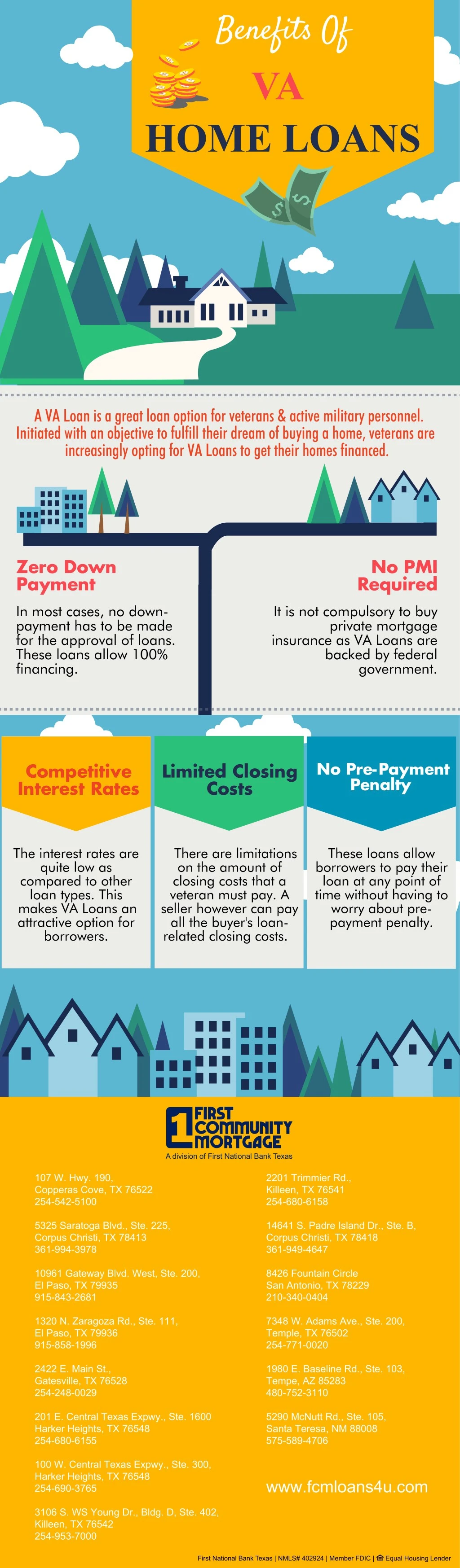
The VA home loan program is a cornerstone of veterans' benefits, designed to help service members, veterans, and eligible surviving spouses become homeowners. Backed by the U.S. Department of Veterans Affairs, these loans are issued by private lenders—such as banks and mortgage companies—rather than directly by the government. Because the VA guarantees a portion of the loan, lenders can offer more favorable terms, including competitive interest rates and flexible underwriting standards.
For veterans with a service-connected disability, these standard offerings are significantly enhanced. A disability rating is assigned by the VA on a scale from 0% to 100%, based on the severity of service-connected conditions. When a veteran achieves a 100% total and permanent (T&P) disability rating—or receives individual unemployability because their service-connected conditions prevent them from maintaining substantially gainful employment—they unlock the highest tier of financial assistance within the federal housing ecosystem.
The Core Benefit: Complete VA Funding Fee Exemption
The most immediate and substantial financial advantage for a 100% disabled veteran utilizing a VA loan is the waiver of the VA funding fee.
What is the VA Funding Fee?
The VA funding fee is a mandatory one-time payment that the veteran, service member, or survivor pays on a VA-backed or VA-direct home loan. This fee helps lower the cost of the loan for U.S. taxpayers because the VA home loan program does not require down payments or monthly mortgage insurance. The fee percentage varies depending on the type of loan, the branch of service, the down payment amount, and whether the borrower has used the VA home loan benefit previously.
How the Exemption Works
Under federal law, veterans receiving VA compensation for a service-connected disability—as well as active-duty service members who have received the Purple Heart—are legally exempt from paying the VA funding fee. For a 100% disabled veteran, this exemption applies automatically once the VA officially verifies the disability status.
Financial Impact
The savings generated by this exemption are substantial. Depending on the loan amount and whether it is a first-time or subsequent use, the funding fee typically ranges from 1.25% to 3.3% of the total loan amount.
- On a $400,000 mortgage, a 2.15% funding fee would normally add $8,600 to the total loan balance.
- For a 100% disabled veteran, that $8,600 fee is reduced to $0.
This reduction lowers the overall principal borrowed, decreases monthly mortgage payments, and preserves valuable personal capital that can be used for moving expenses, home modifications, or emergency savings.
Beyond the Funding Fee: Additional Financial and Property Tax Reliefs
While the VA funding fee waiver is the central feature of the home loan benefit, the financial advantages for 100% disabled veterans extend well into property ownership, insurance, and refinancing options.
Property Tax Exemptions
Many state and local governments offer property tax exemptions for 100% disabled veterans. While property taxes are managed at the state, county, or municipal level rather than by the federal VA, they directly impact homeownership affordability. In numerous states, a 100% disabled veteran is completely exempt from paying ad valorem property taxes on their primary residence. When combined with a zero-down, zero-funding-fee VA loan, eliminating property taxes drastically reduces the monthly cost of homeownership.
VA Specially Adapted Housing (SAH) and Special Home Adaptation (SHA) Grants
Disabled veterans with certain severe, service-connected disabilities may qualify for grants from the VA to help build, remodel, or purchase an adapted home.
- SAH Grants: Designed for veterans who need to construct a specially adapted home, remodel an existing home to accommodate a disability, or buy a home with already-completed adaptations. Conditions often include the loss or loss of use of more than one limb, certain severe burns, or the loss of use of a lower extremity associated with organic neurological disease.
- SHA Grants: Aimed at veterans who require adaptations to help them get around their current residence. Qualifying conditions include the permanent loss or loss of use of both hands, certain respiratory ailments, or severe blindness.
These grants provide direct financial assistance that does not need to be repaid, functioning independently from the VA home loan guarantee.
Comparing Standard VA Loans vs. 100% Disabled Veteran Benefits
To clearly illustrate how disability status alters the financial landscape of buying a home, consider the following comparison:
| Feature | Standard VA Loan | 100% Disabled Veteran VA Loan |
|---|---|---|
| Down Payment Requirement | 0% down (for qualified borrowers) | 0% down |
| Private Mortgage Insurance (PMI) | Not required | Not required |
| VA Funding Fee | Required (1.25% to 3.3% of loan amount) | Fully Waived ($0) |
| Property Taxes | Standard local rates apply | Frequently discounted or 100% exempt (state-dependent) |
| Special Housing Grants | Available if specific criteria are met | Eligible for priority SAH/SHA grant consideration |
Step-by-Step Guide to Utilizing Your Benefits
Navigating the mortgage process as a 100% disabled veteran requires careful coordination between your VA disability documentation and your chosen mortgage lender. Follow these steps to ensure a smooth transaction:
1. Obtain Your Certificate of Eligibility (COE)
Before applying for a mortgage, you must obtain your Certificate of Eligibility from the VA. This document proves to the lender that you meet the service requirements for the VA home loan program. You can request your COE online through the Department of Veterans Affairs website via the VA.gov portal, or your lender can typically pull it electronically within minutes using the WebLGY system.
2. Verify Your Disability Status with the Lender
Inform your loan officer immediately that you have a 100% total and permanent disability rating. Provide your official VA disability award letter. The lender needs this documentation to waive the funding fee during underwriting. If your disability rating is pending when you enter a contract, inform the lender; provisions exist to refund the funding fee retroactively if the rating is granted with an effective date prior to the closing date.
3. Shop for a VA-Approved Lender
Not all mortgage lenders specialize in VA loans. Look for financial institutions or credit unions experienced in working with disabled veterans. They will be familiar with the nuances of funding fee waivers, local property tax exemptions, and coordinating state-level benefits with your federal loan.
4. Complete Underwriting and Closing
Work with your lender to submit standard financial documentation, including W-2s, tax returns, bank statements, and your VA disability award letter. Because 100% disabled veterans often rely on tax-free disability compensation as their primary or supplemental income, experienced lenders know how to "gross up" this income (multiplying it by 125% in many underwriting calculations) to improve your debt-to-income ratio.
Common Mistakes to Avoid
- Failing to Request a Retroactive Refund: If your VA disability rating is approved after you closed on a home loan, but the effective date covers the closing date, you are entitled to a refund of the funding fee. Do not assume you missed out; contact your lender or the regional loan center to file a refund claim.
- Overlooking State-Specific Deadlines: Property tax exemptions require separate applications through your local county tax assessor's office. Missing filing windows can cause you to pay a full year of property taxes unnecessarily.
- Assuming Income is Not Counted: Some veterans worry that disability income cannot be used to qualify for a mortgage. In reality, VA disability compensation is considered stable, reliable income and is heavily favored by underwriters.
Frequently Asked Questions
Can I use a VA loan more than once if I am 100% disabled?
Yes. The VA loan benefit is a lifetime benefit that can be reused. If you have full entitlement—meaning you have paid off a previous VA loan and sold the property, or you have never used the benefit—you can purchase another home with zero down and a waived funding fee. Even if you currently have an active VA loan, remaining entitlement may allow for a second mortgage under specific conditions.
Does the funding fee waiver apply to refinances?
Yes. The funding fee exemption applies to purchase loans, construction loans, and interest rate reduction refinance loans (IRRRL). If you are refinancing an existing mortgage to secure a lower interest rate, the waiver eliminates the funding fee associated with that refinance transaction as well.
What happens if my disability rating is less than 100%?
Veterans with disability ratings between 10% and 90% also receive a partial or complete funding fee waiver depending on specific criteria (such as receiving compensation for a service-connected disability rather than retirement pay), but the fee is only entirely eliminated for those with a 100% rating or specific alternate classifications like Purple Heart recipients. Check your specific VA award letter to confirm your exact fee percentage.
Are surviving spouses eligible for the funding fee waiver?
Surviving spouses of veterans who died on active duty or from a service-connected disability, as well as spouses of veterans rated totally disabled who meet specific statutory criteria, are also exempt from the VA funding fee when utilizing the home loan benefit.
How do I apply for property tax exemptions in my state?
Property tax exemptions are not handled automatically by the federal government. You must contact your local county tax collector, assessor, or municipal tax office. You will typically need to submit an application form along with your VA disability award letter proving your 100% permanent status.
Next Actions for Prospective Homebuyers
If you are ready to move forward, your first priority is securing your Certificate of Eligibility and gathering your official VA disability documentation. Contact a qualified, VA-approved mortgage lender to discuss pre-approval, and simultaneously research your local county tax assessor guidelines to ensure you capture every available state and local property tax exemption for which your service has made you eligible.