Securing a 10 year term life insurance policy as a 64-year-old man typically involves monthly premiums ranging from $150 to over $600 per month, depending heavily on your health classification, tobacco usage, and desired coverage amount. Because life expectancy increases financial risk for insurers at this stage of life, underwriting focuses closely on medical history and lifestyle factors.
Navigating the life insurance market in your mid-sixties requires understanding how underwriting criteria, coverage amounts, and policy terms interact to determine your monthly and annual out-of-pocket costs. At age 64, term life insurance serves as a vital financial tool, often utilized to cover remaining mortgage balances, income replacement for a spouse, or final expenses before retirement accounts and pensions fully take over. Because term lengths are fixed, a 10-year policy provides coverage through age 74, bridging the gap until traditional retirement benefits or accumulated savings provide self-insurance.
Evaluating these costs requires looking beyond baseline estimates and examining how insurance companies assess risk, how underwriting classes affect pricing, and what steps you can take to secure the most competitive rate available.
Understanding the Financial Risk Profile of a 64-Year-Old Applicant
When life insurance companies evaluate an application for a 64-year-old man, they are pricing the statistical likelihood of mortality over the next decade. Statistically, mortality rates begin to climb more steeply after age 60. Consequently, insurance carriers view applicants in this age bracket through a conservative lens.
Unlike a 35-year-old or a 45-year-old, a 64-year-old applicant has a shorter runway before the policy term expires. A 10-year term policy means the insurer is covering the insured through age 74. For many carriers, this represents a critical threshold because it encompasses the years when age-related health conditions—such as cardiovascular disease, hypertension, Type 2 diabetes, and various forms of cancer—frequently manifest or worsen.
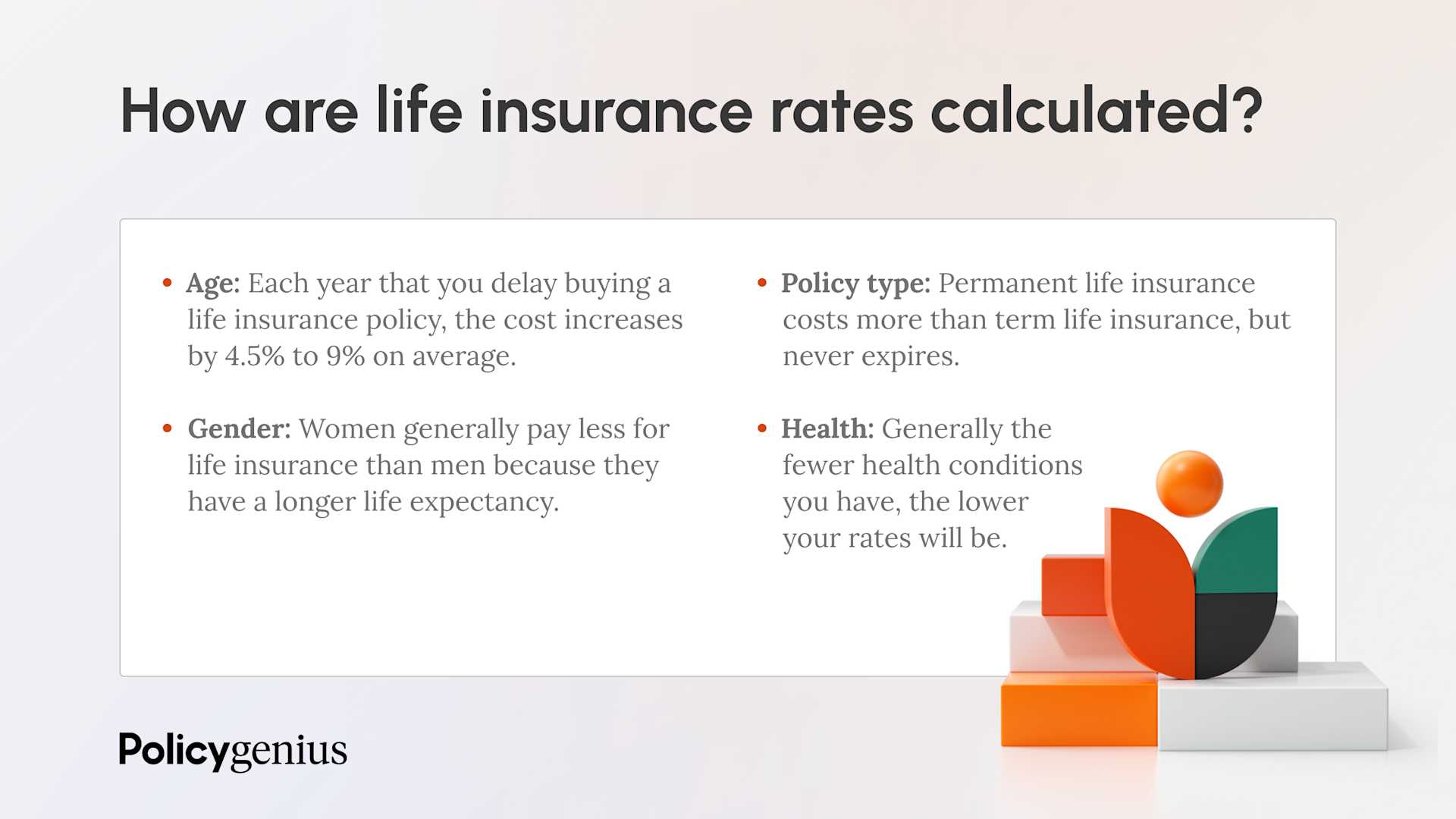
Insurance underwriters utilize comprehensive actuarial tables combined with your personal medical history, lab results, and driving record to assign a risk classification. This classification dictates whether you qualify for "Preferred Best," "Preferred," "Standard Plus," or "Standard" rates. At age 64, qualifying for the top tiers requires exceptional biometric markers, such as ideal blood pressure, pristine cholesterol levels, a healthy Body Mass Index (BMI), and a clean family medical history free of early-onset hereditary diseases.
Estimated 10-Year Term Rates by Coverage Amount and Health Class
To understand what you might pay, it helps to examine average market pricing. The table below outlines estimated monthly premiums for a 64-year-old male non-smoker across common coverage amounts and health classifications. These figures represent baseline averages and can vary based on the specific carrier and your geographic location.
| Coverage Amount | Preferred Best (Monthly) | Standard Plus (Monthly) | Standard Non-Smoker (Monthly) | Standard Smoker (Monthly) |
|---|---|---|---|---|
| $100,000 | $115 – $145 | $145 – $180 | $185 – $230 | $520 – $650 |
| $250,000 | $265 – $320 | $330 – $410 | $430 – $540 | $1,250 – $1,550 |
| $500,000 | $510 – $620 | $645 – $790 | $840 – $1,050 | $2,450 – $3,050 |
Note: Premiums for tobacco users are drastically higher due to the statistical correlation between smoking and major health complications, frequently multiplying standard non-smoker rates by three to four times.
Key Factors That Influence Your Insurance Rates
Insurance carriers do not rely on age alone. Once you submit an application, several core factors are weighed to determine your exact premium.
Medical History and Prescription Records
Underwriters pull prescription database reports (such as the MIB Group and RxHistory databases) to verify your current and past medications. Disclosing all medications accurately on your application is critical. Conditions like controlled high blood pressure or mild hyperlipidemia may not disqualify you from standard or even preferred rates, provided they are well-managed. However, recent cardiac events, active cancer treatments, or chronic respiratory illnesses will significantly increase rates or lead to a postponement or denial of coverage.
Build and Lifestyle Habits
Your height-to-weight ratio (BMI) is evaluated strictly. While a slightly higher BMI may be acceptable at younger ages, life insurance underwriting tables tighten significantly for older adults. Furthermore, hazardous hobbies (such as private aviation, skydiving, or rock climbing) and a history of driving infractions (including driving under the influence) will result in higher premiums or flat extras added to the base cost.
Family Medical History
Underwriters look at the longevity and health history of your parents and siblings. If a close relative passed away from heart disease or cancer before age 60, it can negatively impact your health classification, moving you from a preferred tier down to a standard tier.
The Underwriting Process: What to Expect
Applying for a 10-year term policy at age 64 typically involves a structured underwriting sequence. Knowing what to expect can streamline the process and prevent unexpected delays.
- Initial Quote and Consultation: You provide basic demographic data, tobacco status, and general health details to an independent agent or broker who shops multiple carriers to find the most competitive initial estimates.
- Formal Application: You complete a detailed questionnaire regarding your medical history, lifestyle, occupation, and financial justification for the policy amount.
- Paramedical Exam: Most traditional policies at age 64 require a brief medical exam. A licensed paramedic will visit your home or office to measure your height, weight, blood pressure, pulse, and collect blood and urine samples.
- Attending Physician Statement (APS): The insurance carrier may request medical records from your primary care physician to verify past diagnoses and treatment efficacy.
- Underwriting Offer: Once all data is reviewed, the carrier issues a final offer, which may match your initial quote or adjust based on exam findings.
Alternatives to Traditional 10-Year Term Life Insurance
If traditional medically underwritten term life insurance proves too costly or if health conditions complicate approval, several alternatives exist for a 64-year-old man.
Guaranteed Issue Life Insurance
Guaranteed issue policies require no medical exam and no health questions. Anyone who meets the age requirement (typically ages 50 to 85) is accepted. However, these policies generally feature lower face values (usually capped at $25,000 or $30,000), higher relative costs per thousand dollars of coverage, and a "graded death benefit," meaning full payouts are only provided if the insured dies after the policy has been active for two consecutive years.
Simplified Issue Term Life Insurance
Simplified issue policies require no medical exam, but you must answer a series of health questions. If you pass the health screen, you can secure coverage relatively quickly. Rates are higher than fully underwritten term policies, but they offer higher coverage limits than guaranteed issue alternatives.
Whole Life or Final Expense Insurance
For individuals seeking permanent coverage to handle burial costs, final medical bills, or to leave a guaranteed legacy, whole life or final expense insurance provides a lifelong safety net with fixed premiums that never increase.
Common Mistakes to Avoid When Shopping for Coverage
When purchasing life insurance in your mid-sixties, avoiding common pitfalls can save you thousands of dollars over the life of the policy.
- Shopping with Only One Carrier: Captive agents only represent one company. Working with an independent broker allows you to compare quotes across dozens of top-rated carriers, ensuring you find the company most lenient toward your specific health profile.
- Waiting Too Long to Apply: Rates increase on your birthday with many life insurance companies (known as "age nearest" vs. "age actual"). Waiting even a few months can lock in a higher permanent rate bracket.
- Concealing Pre-Existing Conditions: Omitting medical history on an application is counterproductive. Underwriters uncover prescription histories and medical records during the verification phase. Non-disclosure can lead to application denial or, worse, policy rescission after death.
Frequently Asked Questions
Can a 64-year-old man qualify for a 15-year or 20-year term policy instead?
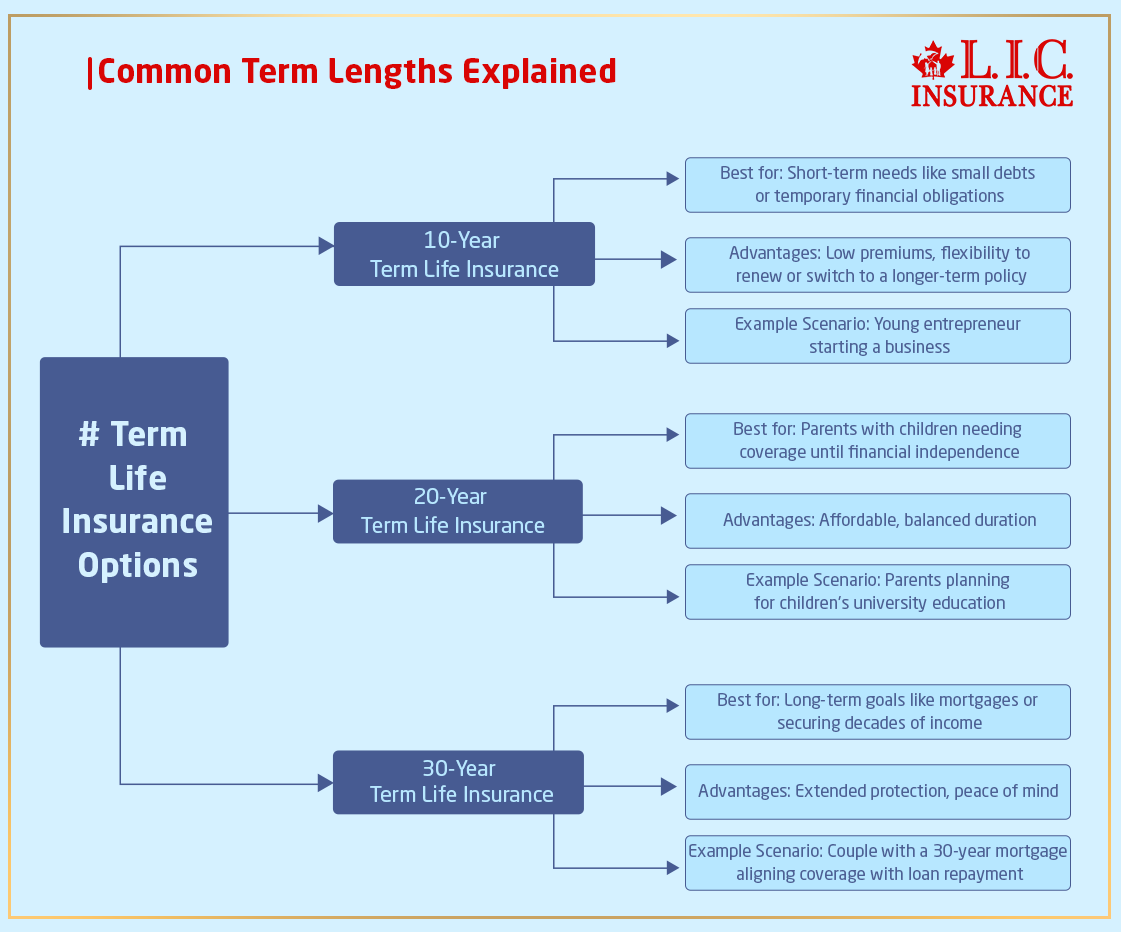
Yes, many major carriers offer 15-year and 20-year term policies to 64-year-old applicants. However, the premiums will be substantially higher than a 10-year term because the insurer is extending their risk window deeper into your seventies and eighties. Furthermore, maximum issue ages for 25-year and 30-year terms typically cap out before age 64.
Is a medical exam always required for a 64-year-old applying for term life insurance?
While some carriers offer accelerated underwriting paths that waive the physical exam for healthy applicants, older age brackets like 64 frequently trigger requirements for blood work, urine analysis, and sometimes an electrocardiogram (EKG) to accurately assess cardiovascular health.
What happens when the 10-year term policy expires at age 74?
When the 10-year term ends, coverage terminates unless you take action. Most policies include a "conversion privilege," allowing you to convert your term policy into a permanent whole life policy without undergoing a new medical exam. Alternatively, you can let the policy expire if your financial obligations have diminished.
Are life insurance payouts taxable for the beneficiaries?
Generally, life insurance death benefits paid out to a named individual beneficiary are received completely income-tax-free. However, if the policy is owned by an irrevocable life insurance trust (ILIT) or an estate, different tax rules may apply depending on the total size of the estate.
Can I buy term life insurance if I have high blood pressure or high cholesterol?
Yes. Controlled hypertension and elevated cholesterol are extremely common among 64-year-old applicants. If these conditions are successfully managed through medication and regular doctor visits, many carriers will still offer standard or even standard plus rates, though uncontrolled conditions will lead to higher premiums.
Next Steps and Securing Coverage
Securing the best possible rate for a 10-year term life insurance policy at age 64 requires proactive preparation. Begin by gathering your personal medical history, a list of current prescriptions, and a clear assessment of your financial coverage needs. Consult with an independent insurance broker who can run preliminary quotes across multiple A-rated carriers. By comparing offers and undergoing underwriting promptly, you can lock in affordable protection to safeguard your family's financial security for the decade ahead.