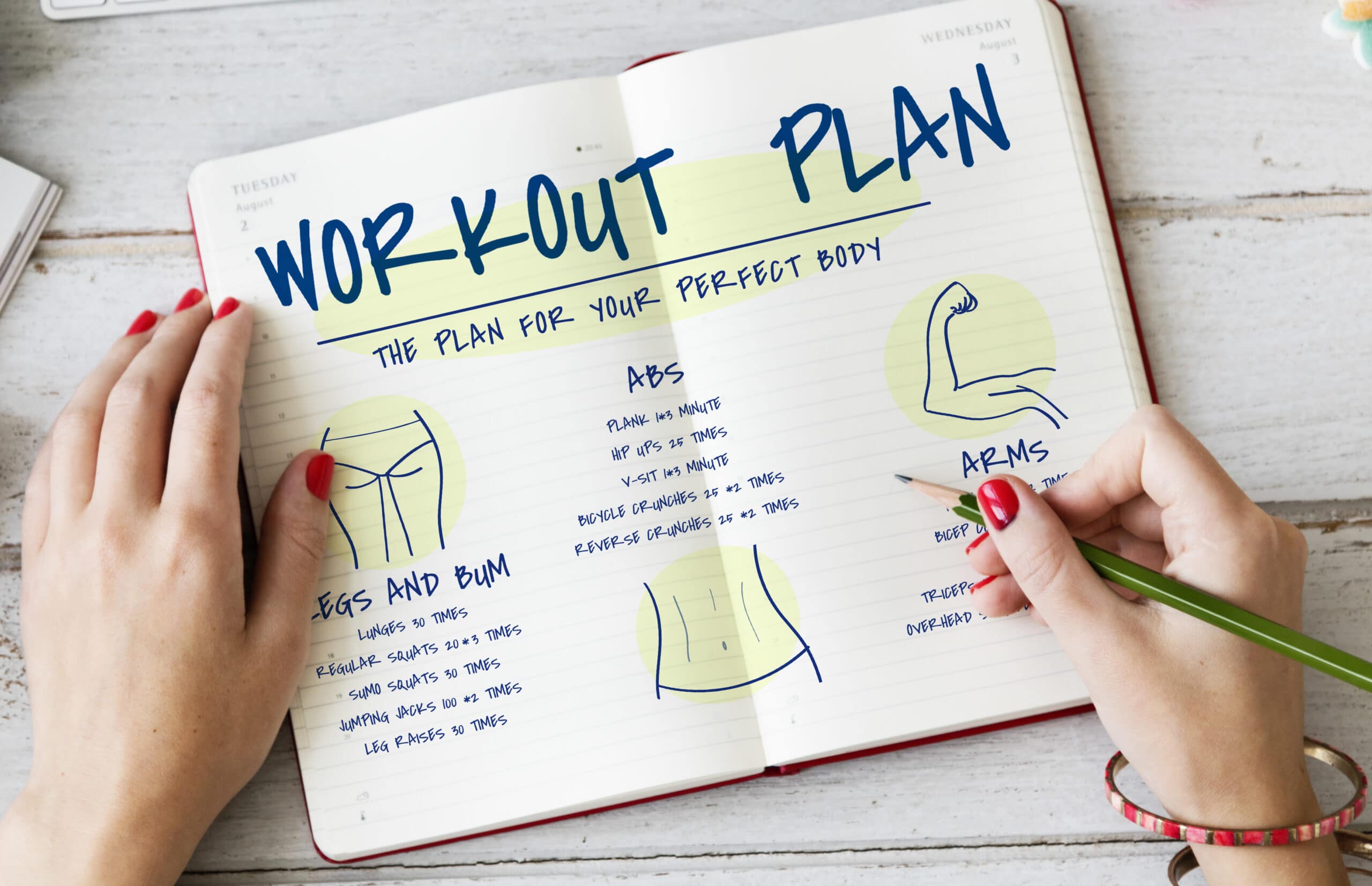
Choosing the right workout video can transform a home fitness routine from a frustrating guessing game into a structured, highly effective path toward physical well-being. Finding the ideal routine requires matching your specific goals—whether that is building raw strength, improving cardiovascular endurance, increasing mobility, or maximizing calorie burn in minimal time—with expert-led programming that prioritizes safety, progressive overload, and proper biomechanics.
Understanding Your Fitness Goals and Video Selection
Before selecting a workout video, you must clearly define your primary physical objective. Fitness routines are not one-size-fits-all; a high-intensity interval training (HIIT) session designed for fat loss will look vastly different from a hypertrophy-focused resistance training session or a restorative mobility flow.
When evaluating workout videos, consider your current baseline fitness level, available equipment, and physical limitations. Beginners should prioritize videos that offer detailed form breakdowns and low-impact modifications, while advanced practitioners need routines that incorporate progressive overload principles and complex movement patterns. Selecting a video without aligning it to your immediate goals often leads to mental burnout, plateaus, or overuse injuries.
1. Strength Training and Muscle Hypertrophy
Building lean muscle mass at home requires more than lifting random objects; it demands structured resistance training that targets specific muscle groups through full ranges of motion. Top-rated strength videos typically utilize dumbbells, resistance bands, or bodyweight calisthenics structured around compound movements like squats, deadlifts, and presses.
Key Characteristics of Effective Strength Videos
- Tempo Control: Emphasizes eccentric (lowering) phases to maximize muscle fiber recruitment.
- Progressive Overload Cues: Instructs viewers on how to increase weight, reps, or tension over time.
- Rest Intervals: Provides adequate recovery periods between sets to maintain lifting performance.
The primary benefit of these routines is increased metabolic rate and bone density. However, common pitfalls include rushing through repetitions and neglecting proper joint alignment. Always ensure the instructor provides clear anatomical cues to protect your spine and shoulders.
2. High-Intensity Interval Training (HIIT) for Cardiovascular Endurance
High-Intensity Interval Training videos are designed to push your heart rate to near-maximum capacity for short bursts, followed by brief recovery periods. This training style optimizes cardiovascular health and induces excess post-exercise oxygen consumption (EPOC), meaning your body continues to burn calories long after the workout ends.
Structuring a Safe HIIT Session
- Dynamic Warm-Up (5–7 minutes): Prepares the nervous system and lubricates joints.
- Work Phase (30–45 seconds): Maximum effort execution of explosive movements like burpees, jump squats, or mountain climbers.
- Recovery Phase (15–30 seconds): Active recovery or complete rest to lower the heart rate.
- Cool-Down (5 minutes): Gradual deceleration and static stretching.
While highly efficient for those pressed for time, HIIT places significant stress on the knees, ankles, and lower back. Individuals with joint sensitivities should look for low-impact HIIT variations that substitute jumping with high-speed, low-impact movements like weighted shadowboxing or rapid step-outs.
3. Mobility and Flexibility Flows
Flexibility and mobility are often the most neglected components of a well-rounded fitness regimen, yet they are essential for injury prevention and optimal movement mechanics. Top-rated mobility videos combine dynamic stretching, active release techniques, and deep breathing to expand range of motion and relieve chronic tension caused by sedentary lifestyles.
Integrating these routines into your weekly schedule corrects muscular imbalances and enhances performance in strength and cardio sessions. Focus on consistency rather than intensity; pushing too hard into a stretch can trigger the muscle spindle reflex, causing the muscle to tighten further rather than lengthen.
Comparison of Top Fitness Video Categories
| Category | Primary Focus | Best For | Required Equipment | Common Risk / Consideration |
|---|---|---|---|---|
| Strength Training | Muscle mass, bone density, raw power | Hypertrophy, metabolic health | Dumbbells, resistance bands | Joint strain from improper form |
| HIIT | Cardiovascular health, calorie burn | Fat loss, time-efficiency | Bodyweight, optional mat | High impact on knees and lower back |
| Mobility & Yoga | Range of motion, recovery, posture | Injury prevention, stress relief | Yoga mat, blocks, strap | Overstretching un-warmed tissue |
| Core & Stability | Transverse abdominis, balance | Injury prevention, back pain relief | Stability ball, mat | Neglecting deep breathing mechanics |
4. Core Stability and Functional Strength
A strong core extends far beyond superficial abdominal aesthetics; it encompasses the entire torso musculature that stabilizes the spine, pelvis, and hips during movement. Top-rated core videos move away from endless traditional crunches and focus on anti-movement exercises—such as planks, pallof presses, and dead bugs—which protect the spine while building functional endurance.
Building core stability improves posture, enhances athletic performance in running and lifting, and reduces the incidence of lower back pain. When following these videos, pay strict attention to pelvic tilt and ribcage placement; allowing the lower back to arch during core work neutralizes the intended benefits and strains lumbar vertebrae.
5. Low-Impact Steady-State (LISS) Cardio
For individuals recovering from injuries, managing chronic fatigue, or seeking a sustainable daily movement practice, Low-Impact Steady-State (LISS) cardio videos offer an invaluable alternative to high-impact routines. These sessions maintain an elevated heart rate through continuous, rhythmic movements without pounding the joints.
LISS videos are exceptional for building aerobic base capacity and promoting active recovery between intense training days. Because the physiological stress is lower, these sessions can be performed more frequently without overtraining the central nervous system.
Practical Guidance for Structuring a Weekly Routine
Consistently cycling through different video types prevents overuse injuries and ensures balanced physical development. A balanced weekly schedule might look like this:
- Monday: Full-Body Strength Training
- Tuesday: HIIT Cardio & Core Stability
- Wednesday: Active Recovery & Mobility Flow
- Thursday: Upper or Lower Body Focused Strength
- Friday: Low-Impact Cardio & Core
- Saturday: Full-Body Deep Mobility / Rest
- Sunday: Complete Rest
Listen to your body and adjust intensity levels based on sleep quality, nutritional intake, and stress levels. Pushing through acute joint pain or persistent fatigue inevitably leads to setbacks.
Frequently Asked Questions
How do I know if a workout video matches my current fitness level?
Review the instructor's movement demonstration before starting. A properly structured video will explicitly offer modifications for beginners and advanced options for experienced trainees. If every exercise is high-impact with no regression offered, beginners should select a different routine.
Do I need expensive equipment to follow top-rated workout videos?
No. While some strength-focused videos require dumbbells or resistance bands, a vast majority of top-rated cardio, bodyweight strength, and mobility routines require nothing more than a supportive exercise mat and comfortable athletic footwear.
How often should I change my workout video routine?
Stick with a structured video series or program for at least 4 to 6 weeks to allow for progressive overload and skill adaptation. Constantly jumping from one random video to another hinders strength gains and prevents you from measuring physical progress accurately.
What should I look for in a certified fitness instructor on video?
Look for instructors holding recognized credentials (such as NASM, ACE, ACSM, or specialized yoga certifications) who prioritize clear anatomical cues, emphasize breathing mechanics, and consistently demonstrate proper form rather than just working out alongside the camera.
Conclusion and Next Action
Selecting the right workout video requires aligning your personal fitness goals with structured, evidence-based programming that balances strength, cardiovascular health, and mobility. Take time to audit your current fitness habits, identify your primary objective for 2026, and choose two or three complementary video routines to build a sustainable weekly schedule. Begin with proper warm-ups, track your progression in weight or endurance over time, and prioritize biomechanical form above all else to ensure long-term success.