The primary ICD-10-CM code for a patient who has tested positive for a BRCA1 or BRCA2 genetic mutation is Z15.01, which stands for "Genetic susceptibility to malignant neoplasm of breast." This code identifies individuals who carry the mutation but do not currently have an active malignancy of the breast.
In the clinical and billing landscape of 2026, accurate coding for genetic markers has become a cornerstone of personalized medicine and preventive oncology. When a patient receives a "BRCA positive" result from a germline genetic test, it signifies a significantly increased lifetime risk for several cancers, most notably breast and ovarian cancer. However, the ICD-10-CM (International Classification of Diseases, 10th Revision, Clinical Modification) system requires specific nuances to distinguish between a patient who is a healthy carrier and one who is currently undergoing treatment for cancer.
Understanding the application of Z15.01 and its related codes is essential for healthcare providers, medical coders, and insurance navigators to ensure that high-risk screening, prophylactic surgeries, and counseling services are appropriately documented and reimbursed.
The Core Code: Z15.01 (Genetic Susceptibility to Malignant Neoplasm of Breast)
The code Z15.01 is categorized under the "Z" codes in ICD-10, which represent "Factors influencing health status and contact with health services." Specifically, it falls under the subcategory of "Genetic susceptibility to malignant neoplasm."
When to Use Z15.01
This code is used exclusively when a patient has a confirmed genetic mutation in the BRCA1 or BRCA2 genes that increases their risk for breast cancer. It is a "status" code. It tells the insurance payer and other healthcare providers that even if the patient appears healthy today, their genetic profile necessitates a different standard of care.
In 2026, clinical guidelines continue to emphasize that Z15.01 should only be assigned after a positive genetic test result is documented in the medical record. It is not appropriate to use this code based solely on family history if the patient’s own genetic status is unknown or if the patient has tested negative despite a strong family history.
The Distinction Between BRCA1 and BRCA2
While BRCA1 and BRCA2 are distinct genes located on different chromosomes (17 and 13, respectively), the ICD-10-CM system does not currently provide separate codes for each. Both mutations are captured under Z15.01 for breast cancer susceptibility. If the mutation also confers a risk for ovarian cancer—which is common for both BRCA1 and BRCA2—the code Z15.02 (Genetic susceptibility to malignant neoplasm of ovary) is often used in conjunction.
Secondary and Supporting Codes for BRCA Status
Rarely does Z15.01 stand alone on a medical claim. Because it is a status code, it is almost always used as a secondary diagnosis to explain the necessity of a specific procedure or encounter.
Z15.02: Genetic Susceptibility to Ovarian Neoplasm
Because BRCA mutations are "pleiotropic" (affecting multiple systems), a patient who is BRCA positive is at risk for more than just breast cancer. Most clinical protocols for BRCA-positive individuals include aggressive screening or prophylactic removal of the ovaries and fallopian tubes. In these instances, Z15.02 is used alongside Z15.01 to provide a complete picture of the patient's risk profile.
Z80.3: Family History of Malignant Neoplasm of Breast
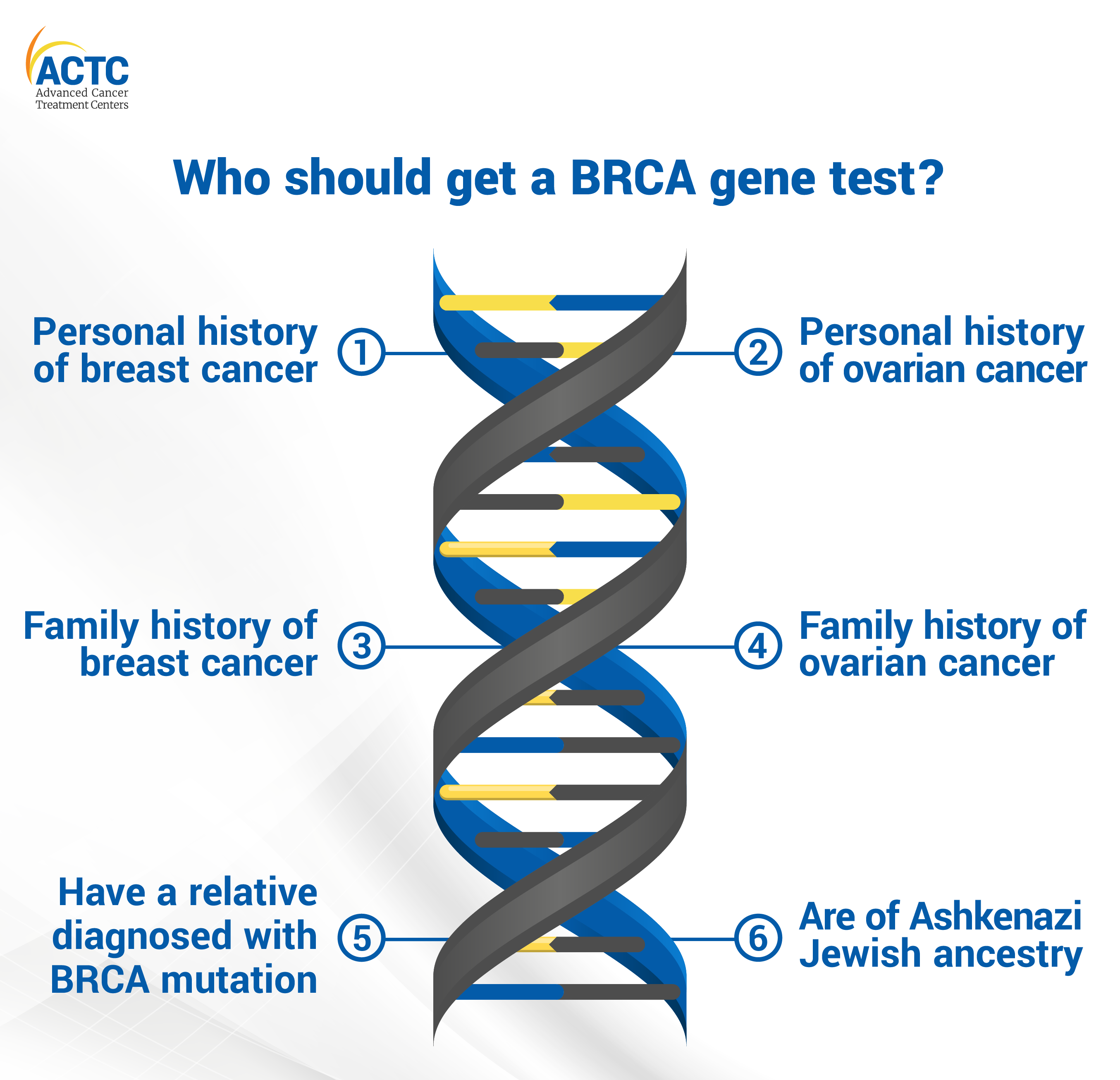
Before a patient is confirmed "BRCA positive," they are often identified through family history. Z80.3 is the code used when a patient has relatives with breast cancer.
- Pre-test: You use Z80.3 to justify the genetic test itself.
- Post-test: Once the test comes back positive, Z15.01 becomes the more specific and primary way to describe the patient’s genetic status, though Z80.3 may still be included to provide clinical context.
Z85.3: Personal History of Malignant Neoplasm of Breast
If a patient has already had breast cancer and then tests positive for BRCA, the coding changes. Z85.3 indicates that the patient is a survivor (the cancer is no longer active and not being treated with acute modalities like radiation or chemo). In this case, Z15.01 is added to explain why the patient might need more frequent monitoring or contralateral prophylactic mastectomy, even though the original cancer is gone.
Sequencing and Coding Rules in 2026
The ICD-10-CM Official Guidelines for Coding and Reporting provide strict rules on how to sequence these codes. Mis-sequencing can lead to claim denials or an inaccurate representation of the patient's health.
- Never the Principal Diagnosis for Acute Cancer: If a patient is currently being treated for active breast cancer (e.g., code C50.911), the cancer code must be the primary diagnosis. Z15.01 is added as a secondary code to indicate that the cancer is associated with a genetic mutation. This is vital for determining the use of PARP inhibitors or other targeted therapies.
- Prophylactic Surgery Sequencing: For a patient who is BRCA positive and elects to have a bilateral prophylactic mastectomy (surgery to remove healthy breasts to prevent cancer), the primary code should be Z40.01 (Encounter for prophylactic removal of breast). Z15.01 is then used as the secondary code to provide the medical necessity for the surgery.
- High-Risk Screening Encounters: When a BRCA-positive patient comes in for a high-risk screening MRI (which is standard care in 2026), the encounter is often coded first with Z12.39 (Encounter for other screening for malignant neoplasm of breast), followed by Z15.01.
Comparative Coding Table: BRCA and Related Risks
The following table clarifies the differences between the various codes used in the management of a BRCA-positive patient.
| Code | Description | Clinical Application |
|---|---|---|
| Z15.01 | Genetic susceptibility to malignant neoplasm of breast | Confirmed BRCA1/2 mutation; patient is a carrier. |
| Z15.02 | Genetic susceptibility to malignant neoplasm of ovary | Confirmed BRCA1/2 mutation; used for ovarian risk management. |
| Z80.3 | Family history of malignant neoplasm of breast | Patient has relatives with breast cancer; mutation status unknown. |
| Z85.3 | Personal history of malignant neoplasm of breast | Patient had breast cancer in the past; currently in remission. |
| Z40.01 | Encounter for prophylactic removal of breast | Used for the hospital/surgical visit for preventive mastectomy. |
| Z31.5 | Encounter for genetic counseling | Used for the visit where the patient discusses test results with a counselor. |
| C50.x | Malignant neoplasm of breast | Used when the patient has active, symptomatic, or treated cancer. |
The Importance of Documentation for "BRCA Positive"
In 2026, payers (including Medicare and private insurers) have increased their scrutiny of "Z" codes to ensure they are backed by evidence. For a coder to use Z15.01, the physician’s documentation must be explicit.
Required Elements in the Medical Record
- The Specific Mutation: While the code doesn't change, the note should specify if it is BRCA1 or BRCA2, and ideally the specific variant (e.g., pathogenic or likely pathogenic).
- Test Date and Laboratory: Documentation that a CLIA-certified laboratory performed the testing.
- Clinical Implications: A statement by the provider on how the BRCA-positive status is changing the care plan (e.g., "Patient is BRCA1 positive; moving to semi-annual breast MRI and considering salpingo-oophorectomy").
Avoiding "Vague" Coding
Avoid using Z15.09 (Genetic susceptibility to other malignant neoplasms) if the mutation is BRCA. Because BRCA is specifically linked to the breast and ovary, Z15.01 and Z15.02 are the "specific" codes required for compliance. Using a "NOS" (Not Otherwise Specified) code when a specific code exists is a common cause of administrative delays.
Implications for Male Patients
It is a common misconception that BRCA coding only applies to women. In 2026, the medical community is more vigilant about male breast cancer and prostate cancer risks associated with BRCA mutations (particularly BRCA2).
For a male patient who is BRCA positive:
- Z15.01 is still the correct code for susceptibility to breast cancer.
- Z15.04 (Genetic susceptibility to malignant neoplasm of prostate) may be added if the provider is monitoring the patient for increased prostate cancer risk.
- Z15.09 may be used if the provider is specifically concerned about the increased risk of pancreatic cancer, which is also associated with BRCA mutations.
Frequently Asked Questions
Is there a specific code for BRCA1 vs. BRCA2?
No, as of the 2026 ICD-10-CM update, both BRCA1 and BRCA2 mutations are coded under Z15.01 for breast cancer susceptibility and Z15.02 for ovarian cancer susceptibility. The distinction between the two genes is maintained in the clinical notes rather than the alphanumeric code itself.
Can Z15.01 be used if the genetic test result is "Variant of Uncertain Significance" (VUS)?
Generally, no. A VUS is not a confirmed pathogenic mutation. Coding Z15.01 for a VUS may be considered inaccurate because the clinical significance of the mutation has not been established. In these cases, clinicians typically rely on family history codes (Z80.3) until further genetic evidence is available.
Does Z15.01 cover the risk of pancreatic cancer?
While BRCA mutations do increase the risk of pancreatic cancer, Z15.01 specifically refers to the breast. To code for susceptibility to pancreatic cancer, you should use Z15.09 (Genetic susceptibility to other malignant neoplasms) and specify the pancreatic risk in the clinical documentation.
Why was my claim denied when using Z15.01?
The most common reason for denial is sequencing. If Z15.01 was used as the primary diagnosis for a routine screening, the insurer may require a screening code (like Z12.39) to be listed first. Additionally, ensure that the mutation is documented as "pathogenic" or "likely pathogenic."
Is Z15.01 used for somatic mutations?
No. Z15.01 is intended for germline mutations (inherited mutations). If a tumor itself is tested and found to have a BRCA mutation (a somatic mutation), this is usually coded as part of the cancer’s pathology and does not use the "genetic susceptibility" status code, as that code refers to the patient's hereditary makeup.
Recommended Next Actions
For healthcare providers and patients navigating a BRCA-positive diagnosis in 2026, precision in documentation is the best tool for ensuring access to care.
- Verify the Lab Report: Ensure the official genetic testing report is uploaded to the Electronic Health Record (EHR).
- Update the Problem List: Medical assistants or providers should add Z15.01 to the patient’s permanent problem list so it carries over into all future encounters for screening and prevention.
- Coordinate with Genetics: If the patient was not tested through a formal genetics program, a referral to a genetic counselor (coded as Z31.5) is recommended to discuss the implications for family members.
- Review Payer Policies: In 2026, many insurance carriers have specific "Medical Necessity Criteria" for high-risk screening. Ensure that the combination of Z15.01 and the appropriate screening codes meets these specific local coverage determinations (LCDs).