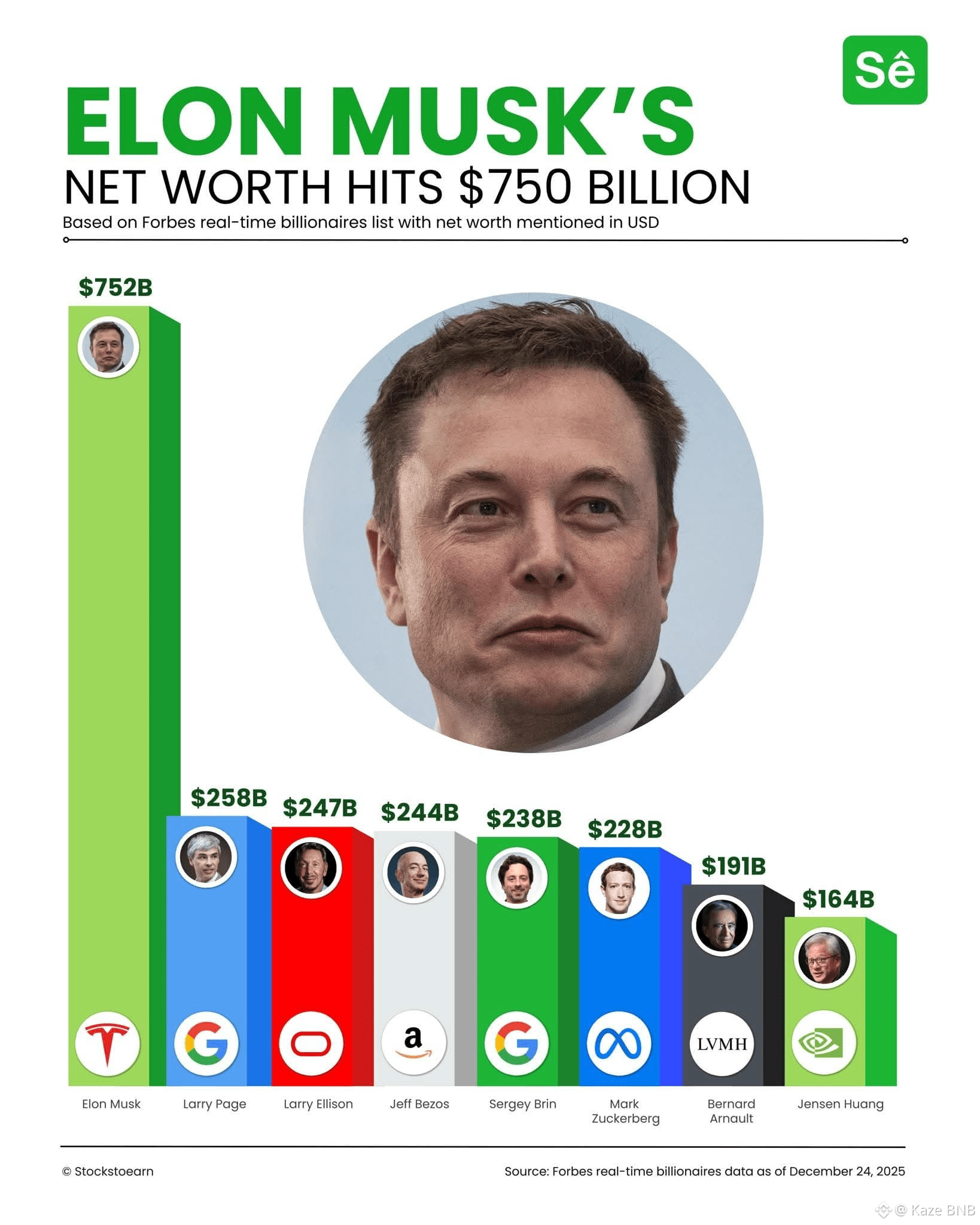
In 2018, Elon Musk’s net worth experienced dramatic fluctuations, largely tied to the volatile stock performance of Tesla, Inc. and the private valuation of SpaceX. While his peak net worth during that specific calendar year hovered around $20 billion, this figure served merely as a stepping stone before his unprecedented wealth accumulation in subsequent years. Understanding his financial standing in 2018 requires analyzing the market conditions, debt structures, equity stakes, and operational milestones that defined his business empire during that period.
The Economic Context of Elon Musk’s Wealth in 2018
To understand Elon Musk’s financial position in 2018, one must examine the macroeconomic and industry-specific environment of that year. Unlike traditional billionaires who amass wealth through diversified cash reserves, real estate, or legacy corporate dividends, Musk’s net worth has historically been inextricably linked to illiquid equity stakes in disruptive technology companies.
In 2018, Tesla was deep in what Musk frequently termed "production hell." The company was attempting to scale the manufacturing of the Model 3 sedan, a make-or-break vehicle intended to transition Tesla from a low-volume luxury manufacturer to a mass-market automaker. This intense operational pressure heavily influenced investor sentiment. Short sellers heavily targeted Tesla stock, betting on bankruptcy, while long-term institutional investors monitored every weekly production update out of the Fremont factory and the Nevada Gigafactory.
Concurrently, SpaceX was rapidly increasing its launch cadence, deploying commercial payloads, and developing the foundational technologies that would eventually become Starlink and Starship. However, SpaceX was a private entity, meaning its valuation updates were dictated by sporadic private funding rounds rather than daily public market tickers. Consequently, Musk's net worth calculations in 2018 were dominated by the roller-coaster valuation of his publicly traded Tesla stock, punctuated by periodic adjustments to his private holdings in SpaceX and The Boring Company.
Analyzing Tesla’s 2018 Stock Performance and Valuation Milestones
The primary driver of Elon Musk’s net worth fluctuations throughout 2018 was Tesla’s stock price (NASDAQ: TSLA). At the beginning of 2018, Tesla shares traded in the $300 range (pre-split). However, the path to the highest net worth points of that year was marked by extreme volatility driven by production bottlenecks, executive departures, and controversial public statements.
Throughout the spring and summer of 2018, Tesla struggled to meet its self-imposed production targets for the Model 3. Musk famously slept on the floor of the Fremont factory floor to troubleshoot assembly line issues. These operational hurdles created downward pressure on the stock, reducing his paper wealth.
The most defining financial and legal episode of Musk's 2018 occurred in August, culminating in his infamous "funding secured" tweet regarding a potential take-private transaction at $420 per share. While the privatization effort ultimately failed, causing the stock to dip, subsequent execution in the third and fourth quarters of 2018 proved that Tesla could achieve profitability. By late 2018, successful financial reports showing positive net income and steady Model 3 production drove the stock higher, allowing Musk to reach his peak net worth figures for that calendar year, which peaked around the $20 billion to $22 billion mark depending on the specific valuation models used by financial trackers like Bloomberg and Forbes.
| Period (2018) | Tesla Production Focus | Market Sentiment | Estimated Net Worth Range |
|---|---|---|---|
| Q1 2018 | Model 3 ramp-up struggles | Bearish / High short interest | $19 Billion – $21 Billion |
| Q2 2018 | "Production hell" / Factory tents | Skeptical / Cash burn concerns | $18 Billion – $20 Billion |
| Q3 2018 | First profitable quarters reported | Bullish / Stabilization | $20 Billion – $22 Billion |
| Q4 2018 | Model 3 international delivery prep | Optimistic / Profitability proven | $20 Billion – $23 Billion |
SpaceX Valuations and Private Asset Contributions
While Tesla received the lion's share of public attention in 2018, SpaceX played a crucial role in underpinning Elon Musk’s overall net worth. In private company valuations, net worth is estimated based on the price per share established during primary funding rounds or secondary market transactions involving venture capital firms, sovereign wealth funds, and private equity investors.
During 2018, SpaceX completed significant financing rounds that elevated its corporate valuation. For instance, a funding round in late 2018 valued the aerospace manufacturer at approximately $30.5 billion. Because Musk maintained a controlling stake in SpaceX—owning well over 40% of the company's equity and holding even greater voting power—this rising private valuation added billions of dollars in calculated net worth.
The synergy between SpaceX's operational milestones and its valuation growth in 2018 included:
- Increased Launch Cadence: Successfully launching commercial communication satellites and resupply missions to the International Space Station using Falcon 9 and Falcon Heavy rockets.
- Reusable Rocket Technology: Demonstrating the economic viability of landing and reusing first-stage boosters, which lowered projected future costs and attracted higher private market valuations.
- Starlink Genesis: Laying the foundational regulatory and technical groundwork for the Starlink satellite internet constellation, which investors recognized as a massive future addressable market.
The Mechanics of Billionaire Net Worth: Equity vs. Cash
A frequent point of public confusion regarding Elon Musk’s 2018 net worth—and billionaire wealth in general—is the distinction between net worth and liquid cash. Musk did not possess a bank account containing $20 billion in cash during 2018. Instead, his net worth was an aggregate calculation of his asset values minus his liabilities.
Equity Stakes
The vast majority of Musk’s wealth was tied up in stock certificates and options. Selling large blocks of stock in 2018 would have triggered massive tax liabilities, depressed share prices due to perceived insider selling, and potentially threatened his voting control over Tesla and SpaceX.
Pledged Shares and Personal Debt
To access liquidity for personal expenses, real estate purchases, or investments without selling stock, Musk utilized his Tesla shares as collateral for personal loans from major financial institutions. In 2018, financial regulatory filings revealed that a significant portion of his Tesla shares had been pledged as collateral for personal lines of credit. This financing structure meant that his net worth was directly vulnerable to sudden downward swings in the stock market; a severe margin-call scenario could theoretically force the liquidation of pledged shares, though Tesla's recovery in late 2018 mitigated these risks.
Comparing 2018 Wealth to Subsequent Financial Expansion
Reviewing Elon Musk’s financial standing in 2018 provides a stark contrast to his status in subsequent years. In 2018, a net worth of roughly $20 billion placed him comfortably among the wealthiest individuals globally, yet outside the absolute top tier dominated by figures like Jeff Bezos and Bill Gates.
The dramatic inflection point for Musk's wealth occurred post-2018, driven by several compounding factors:
- The 2020–2021 Market Boom: Tesla stock experienced a historic multi-thousand-percent rally, driven by global adoption of electric vehicles, regulatory credit sales, and inclusion in the S&P 500 index.
- The 2018 CEO Performance Award: The controversial compensation package granted to Musk in 2018 established a series of market capitalization and operational milestones. As Tesla achieved these goals over the following years, millions of stock options vested, exponentially increasing his equity ownership.
- SpaceX Exponential Growth: Subsequent rounds of funding for SpaceX and the successful commercialization of Starlink propelled SpaceX's private valuation past $150 billion in later years.
Frequently Asked Questions
What was Elon Musk’s exact net worth at its peak in 2018?
At its peak in late 2018, financial trackers such as Bloomberg and Forbes estimated Elon Musk’s net worth to be between $20 billion and $23 billion. These figures fluctuated daily based on the closing price of Tesla stock and periodic reassessments of SpaceX's private valuation.
Why did Elon Musk’s net worth fluctuate so heavily in 2018?
His net worth fluctuated because the majority of his wealth consisted of volatile equity assets, primarily Tesla shares. Operational challenges, production delays for the Model 3, and regulatory scrutiny—such as the SEC settlement following his August 2018 privatization tweet—caused sudden drops in stock value, while positive quarterly earnings reports drove rapid recoveries.
How much of Elon Musk's 2018 net worth came from SpaceX?
While exact figures varied depending on private funding round valuations, SpaceX accounted for several billion dollars of his total net worth in 2018. At that time, SpaceX was valued at roughly $30.5 billion, and Musk’s majority equity stake represented a substantial portion of his non-Tesla wealth.
Did Elon Musk sell Tesla stock in 2018 to fund his lifestyle?
No. In 2018, Musk did not sell large blocks of Tesla stock for living expenses; instead, he frequently utilized his stock holdings as collateral to secure personal bank loans and lines of credit, a common financial strategy among founders with high equity concentration and low relative cash compensation.
How did the 2018 CEO compensation plan impact his wealth?
The 2018 CEO Performance Award granted Musk 12 tranches of stock options contingent upon achieving specific market capitalization and operational milestones over the ensuing decade. While these options did not instantly maximize his 2018 net worth, they established the legal framework for his massive wealth accumulation when Tesla met those operational targets in later years.
Conclusion and Next Actions
Examining Elon Musk’s highest net worth in 2018—approximately $20 billion—illustrates the volatile, equity-dependent nature of modern tech-billionaire wealth accumulation. Rather than a stable accumulation of cash, his financial standing that year was a high-stakes calculation resting on Tesla’s manufacturing survival and SpaceX's private market valuation. For researchers and financial analysts studying corporate valuation, tracking this period offers essential insight into how operational execution under extreme pressure can transform a volatile mid-tier billionaire into a dominant global wealth holder in subsequent market cycles.