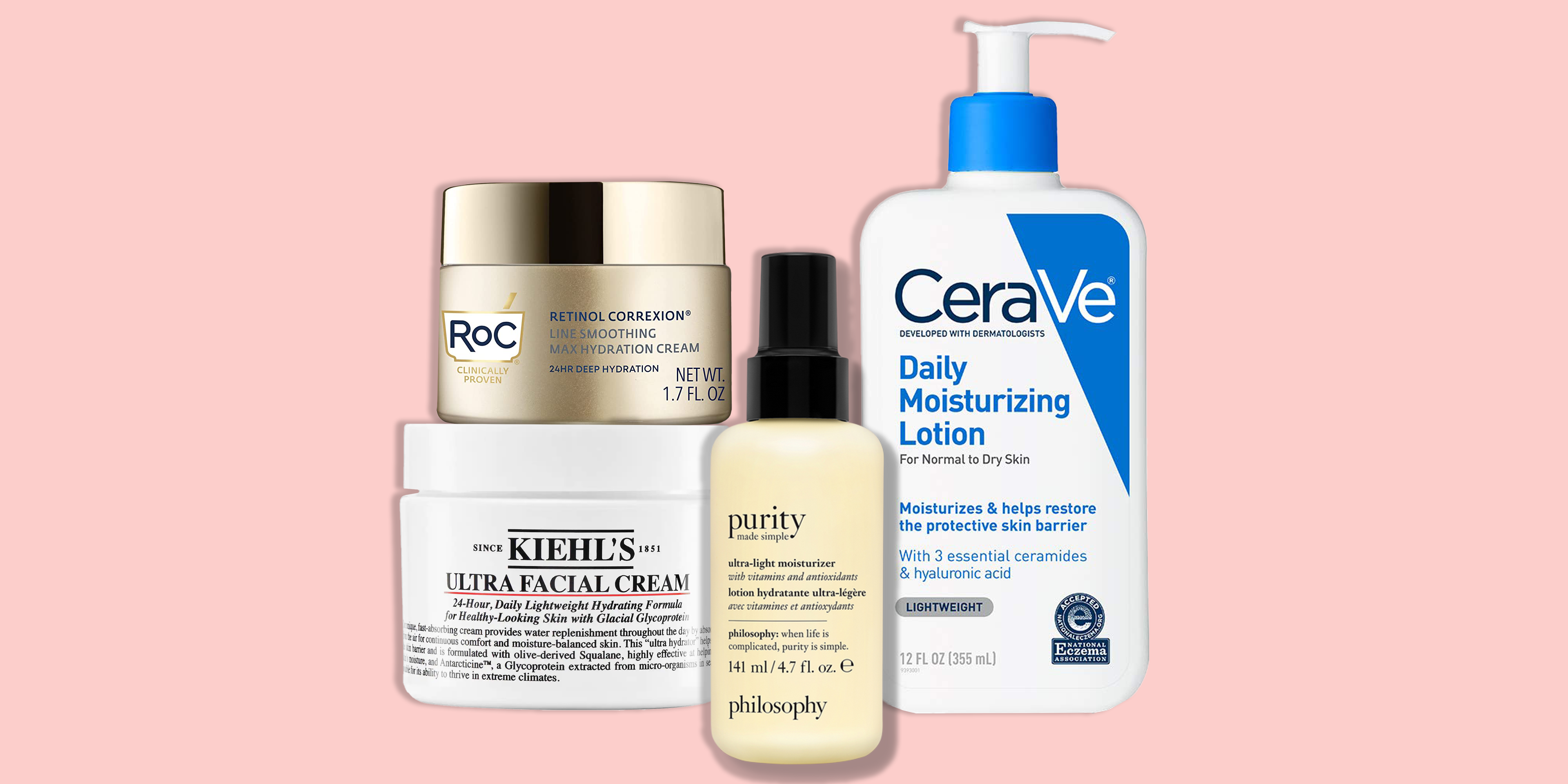
Finding the single best moisturiser for dehydrated skin requires understanding how specific ingredients—such as humectants and barrier-repair lipids—restore moisture to parched skin cells. Rather than a single universal product, top-performing formulations combine water-attracting hydrators like hyaluronic acid and glycerin with sealants that prevent trans-epidermal water loss, effectively resolving the tight, flaky texture characteristic of moisture-depleted skin.
Understanding Dehydrated Skin vs. Dry Skin
To properly treat your skin, you must first understand the fundamental difference between skin that lacks water and skin that lacks oil.
Dehydrated Skin (A Lack of Water)
Dehydration is a skin condition, not a permanent skin type. Anyone—regardless of whether they have oily, combination, or normal skin—can experience dehydration. It occurs when the skin loses more water than it takes in.
Common environmental and lifestyle triggers include:
- Low humidity and indoor heating or air conditioning.
- Over-cleansing with harsh surfactant-heavy cleansers.
- Excessive exfoliation using chemical acids or physical scrubs.
- Inadequate water intake and high caffeine or alcohol consumption.
Dry Skin (A Lack of Oil)
Dryness is a permanent skin type determined by genetics. Individuals with dry skin produce insufficient sebum (natural oils) because their sebaceous glands are underactive.
While dry skin lacks oil, it can also become dehydrated. However, treating dehydrated skin focuses heavily on water retention and barrier reinforcement, whereas dry skin requires heavier lipids and oil-rich emollients to make up for the lack of natural sebum.
Core Ingredients to Look For
When evaluating moisturisers for dehydrated skin, look for a balanced formulation containing three main categories of ingredients: humectants, emollients, and occlusives.
1. Humectants (Water Magnets)
Humectants draw moisture from the deep layers of the skin (the dermis) up to the surface (the epidermis) and pull ambient moisture from the air if the humidity is high enough.
- Hyaluronic Acid: A glycosaminoglycan capable of holding up to 1,000 times its molecular weight in water. Low-molecular-weight hyaluronic acid penetrates deeper, while high-molecular-weight varieties sit on top to plump the surface.
- Glycerin: A classic, highly effective, and cost-efficient humectant that mimics the skin's natural moisturizing factors (NMF).
- Panthenol (Pro-Vitamin B5): Deeply hydrates while soothing irritation and supporting skin barrier recovery.
- Urea: At lower percentages (2% to 5%), urea acts as a powerful humectant and mild keratolytic that helps shed flaky surface cells.
2. Emollients (Smoothing Agents)
Emollients fill the microscopic gaps between skin cells where dead skin flakes off, smoothing the texture and restoring flexibility.
- Ceramides: Naturally occurring lipids that make up over 50% of the skin composition. They are essential for repairing a compromised moisture barrier.
- Squalane: A stable, hydrogenated form of squalene (which is naturally produced by human sebaceous glands) that provides lightweight moisture without clogging pores.
- Fatty Acids: Components like linoleic acid and oleic acid that reinforce the intercellular matrix.
3. Occlusives (Sealing Barriers)
Occlusives form a physical, hydrophobic film over the skin's surface to trap moisture and prevent trans-epidermal water loss (TEWL).
- Dimethicone: A breathable silicone that creates a smooth protective shield without feeling heavy or greasy.
- Petrolatum: The gold standard for ultra-dry or severely dehydrated skin barrier repair.
- Shea Butter: A rich plant butter that provides intensive nourishment and sealing properties.
Comparison of Top Moisturiser Types for Dehydration
Choosing the right texture depends on your baseline skin type (oily, combination, or dry) and how severely compromised your moisture barrier is.
| Formulation Type | Ideal Skin Type | Key Action | Best Used For |
|---|---|---|---|
| Gel-Cream | Oily, Acne-Prone, Combination | Delivers high water content with minimal oils | Lightweight daily hydration without heavy residue |
| Rich Cream | Dry, Mature, Compromised Barrier | Balances humectants with heavy emollients and ceramides | Overnight repair and severe flaking |
| Lotion / Emulsion | Normal, Slightly Dehydrated | Balances water and light lipids | Fast absorption under makeup and sunscreen |
Key Criteria for Selecting Your Moisturiser
Before purchasing a product, evaluate it against several performance and safety benchmarks to ensure it treats dehydration effectively without causing secondary issues.
Fragrance and Irritant Audit
Dehydrated skin often features micro-fissures in the moisture barrier, making it significantly more susceptible to contact dermatitis and stinging. Avoid products containing synthetic fragrances, essential oils (such as lavender or citrus oils), and high concentrations of denatured alcohol, which strip away remaining moisture.
Layering Compatibility
A great moisturiser for dehydration should layer well with serums and sunscreens. Water-based hydrating serums containing glycerin or hyaluronic acid should be applied to damp skin immediately before your moisturiser to lock in maximum hydration.
Step-by-Step Application Guide for Maximum Efficacy
Applying a moisturiser correctly is just as important as choosing the right formula. Follow these steps to maximize hydration retention:
- Cleanse Gently: Use a hydrating, non-foaming, pH-balanced cleanser that does not leave your skin feeling tight after washing.
- Leave Skin Damp: Do not completely dry your face with a towel after cleansing. Leave a light film of water on the skin.
- Apply Hydrating Serums: While the skin is still damp, apply a humectant-rich serum to draw water into the epidermis.
- Seal with Moisturiser: Apply your chosen moisturiser within 60 seconds of cleansing to trap the water molecules in your skin.
- Protect During the Day: In the morning, finish with a broad-spectrum SPF 30 or higher, as UV radiation degrades the skin's natural moisturizing factors.
Common Mistakes When Treating Dehydrated Skin
- Relying Solely on Drinking Water: While systemic hydration is vital for overall health, drinking extra water does not automatically cure topical skin dehydration. The skin requires direct topical humectants and occlusives to retain surface moisture.
- Over-Exfoliating: Attempting to scrub away flaky patches caused by dehydration often destroys the lipid barrier further, increasing water loss.
- Skipping Moisturiser if Skin is Oily: Oily skin can easily become dehydrated due to harsh acne treatments. Skipping moisturiser prompts the skin to produce even more oil to compensate for the missing water.
Frequently Asked Questions
Can oily skin become dehydrated?
Yes. Dehydration is a lack of water, not oil. Oily skin types frequently experience dehydration due to the use of aggressive acne medications, excessive washing, or lightweight gel cleansers that strip natural hydration. Using a lightweight, oil-free hydrating gel-cream resolves this imbalance.
How long does it take to repair a dehydrated skin barrier?
With a consistent routine focused on gentle cleansing, humectants, and ceramides, mild to moderate dehydration usually improves within 7 to 14 days. Severely compromised barriers can take four to six weeks to fully recover.
Should I use hyaluronic acid on dry or damp skin?
You should always apply hyaluronic acid and other humectants to damp skin. Because humectants draw moisture toward themselves, applying them to dry skin in low-humidity environments can cause them to draw moisture out of the deeper layers of the skin, worsening dehydration.
Is petrolatum safe for acne-prone dehydrated skin?
Petrolatum is non-comedogenic because its molecular structure is too large to clog pores. However, heavy occlusives can trap debris if applied over unclean skin. If you are acne-prone, opt for lighter occlusives like dimethicone or squalane.
Can I layer multiple moisturisers?
Yes, skin-care layering (often referred to as the "sandwich method" or custom hydration layering) is an effective strategy. You can apply a hydrating fluid or essence first, followed by a richer cream on drier areas like the cheeks while keeping lighter formulas on the T-zone.
Final Recommendation
To successfully treat dehydrated skin, prioritize formulations that feature a robust blend of humectants like glycerin and hyaluronic acid, reinforced with barrier-supporting ceramides. Assess your skin's baseline oil production to choose between a lightweight gel-cream or a richer lipid cream, and always apply your moisturiser to damp skin to seal in vital hydration.