In most cases, life insurance death benefits paid to a beneficiary are not considered taxable income by the IRS, regardless of the policy's size. However, you may owe taxes on any interest earned if the payout is delayed or if you receive "living benefits" from a policy's cash value that exceed your total premiums paid.
The question of whether you are taxed on a life insurance payout is one of the most common concerns for beneficiaries and policyholders alike. While the fundamental answer remains "no" for the vast majority of people, the tax code contains specific nuances that can trigger unexpected liabilities. As of 2026, the primary objective of life insurance remains the tax-free transfer of wealth to provide financial security for survivors. To navigate this correctly, one must distinguish between the principal death benefit, accumulated interest, and the complex rules surrounding permanent life insurance cash values.
The General Rule: Death Benefits and Federal Income Tax
Under Internal Revenue Code Section 101(a), life insurance proceeds paid to a beneficiary because of the death of the insured person are generally excluded from gross income. This means that if you are the named beneficiary of a $500,000 term life insurance policy, you will typically receive the full $500,000 without having to report it as income on your 2026 tax return.
This tax exemption applies to various types of life insurance, including:
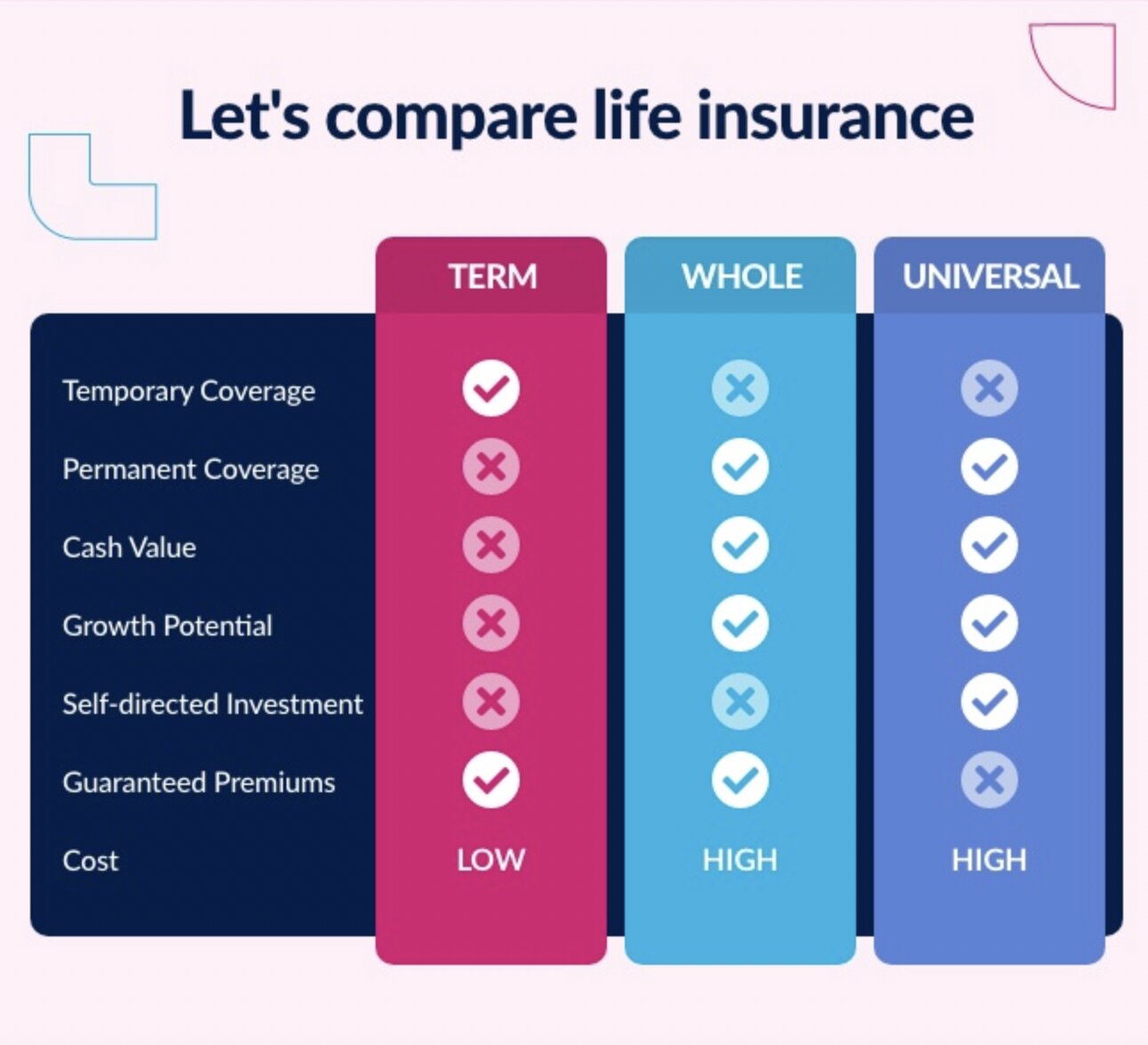
- Term Life Insurance: Payouts from policies that provide coverage for a specific period (e.g., 10, 20, or 30 years).
- Whole Life Insurance: The death benefit portion of permanent policies that offer lifelong coverage.
- Universal Life Insurance: Flexible permanent policies where the death benefit is paid out to heirs.
- Group Life Insurance: Policies often provided by employers as a benefit.
The logic behind this tax-free status is that the government views the payout as a replacement for the financial loss suffered by the beneficiary, rather than a financial gain or "windfall." Because the premiums were usually paid with after-tax dollars, the benefit is not taxed again upon distribution.
When Life Insurance Payouts Become Taxable
While the core death benefit is tax-free, several scenarios in 2026 can lead to a tax bill. Understanding these exceptions is crucial for proper financial planning and avoiding penalties from the IRS.
1. Interest Income on Delayed Payouts
The most common reason a beneficiary pays taxes on a life insurance payout is interest. When a policyholder dies, the insurance company may not pay the benefit immediately. If there is a delay in filing the claim or if the company holds the funds in an interest-bearing account before distribution, the interest earned on the principal is taxable.
For example, if a $1 million death benefit earns $5,000 in interest while the claim is being processed, the $1 million remains tax-free, but the $5,000 must be reported as interest income. The insurance company will typically issue a Form 1099-INT to the beneficiary and the IRS to document this amount.
2. Installment or Annuity Payout Options
Instead of taking a lump sum, some beneficiaries choose to receive the payout in installments (an annuity). Each payment consists of two parts: a portion of the original tax-free death benefit and a portion of interest earned on the remaining balance. Only the interest portion of each installment is subject to income tax. The insurance company calculates the "exclusion ratio" to determine how much of each check is taxable.
3. Employer-Provided Group Life Insurance
If your employer provides life insurance coverage exceeding $50,000, the "imputed cost" of the coverage above that limit is considered a taxable benefit to you while you are alive (reflected on your W-2). However, for the beneficiary, the actual death benefit paid out remains generally tax-free. The only exception occurs if the policy is part of a complex "qualified" retirement plan, which is rare for standard group life insurance.
4. The Transfer-for-Value Rule
If a life insurance policy is sold or transferred to another party for "valuable consideration" (money or something of value), the tax-free status of the death benefit may be lost. In such cases, the death benefit is taxable to the extent it exceeds the price paid for the policy plus any subsequent premiums. This rule is designed to prevent people from "investing" in the deaths of others solely for tax-free gains. There are exceptions for transfers to the insured person or to a partner of the insured.
Tax Implications of Cash Value and "Living Benefits"
Permanent life insurance policies, such as whole life or universal life, include a cash value component that grows over time. If you are the policyholder and you access this money while you are still alive, different tax rules apply.
Surrendering a Policy
If you choose to cancel (surrender) your permanent life insurance policy for its cash value, you are taxed on the amount that exceeds your "cost basis." Your cost basis is the total amount of premiums you have paid into the policy, minus any dividends you received or previous tax-free withdrawals.
- Example: You paid $50,000 in premiums over 15 years. The cash value is now $70,000. If you surrender the policy, you will owe income tax on the $20,000 gain.
Policy Loans
One of the advantages of permanent life insurance is the ability to take a loan against the cash value. Generally, these loans are not taxable, even if the loan amount exceeds your cost basis, provided the policy remains in force. However, if the policy lapses or is surrendered while a loan is outstanding, the unpaid loan balance (to the extent it exceeds your basis) becomes immediately taxable as income.
Accelerated Death Benefits
In 2026, many policies include "living benefits" or accelerated death benefit riders. These allow a policyholder who is terminally ill (typically diagnosed with 24 months or less to live) or chronically ill to access a portion of the death benefit early to pay for medical expenses or long-term care. Under Section 101(g) of the Tax Code, these accelerated payments are generally tax-free, provided the insured meets the medical criteria defined by the IRS.
Estate Taxes and High-Net-Worth Considerations
While life insurance is usually free from income tax, it is not always free from estate tax. This is a critical distinction for high-net-worth individuals in 2026.
The Incident of Ownership
If the deceased person owned the policy at the time of their death, the entire value of the death benefit is included in their gross estate for federal estate tax purposes. If the total value of the estate (including the life insurance) exceeds the federal estate tax exemption threshold, the estate may owe taxes, which can be as high as 40%.
As of 2026, the federal estate tax exemption is a fluctuating figure due to the sunsetting of prior tax legislation. If the estate is liable, the tax is paid by the estate itself before the heirs receive their inheritance, though the heirs still receive the remaining portion of the life insurance income-tax-free.
Using an Irrevocable Life Insurance Trust (ILIT)
To avoid having life insurance proceeds counted toward the taxable estate, many individuals use an Irrevocable Life Insurance Trust (ILIT). By having the trust own the policy rather than the individual, the "incident of ownership" is removed. When the insured person dies, the payout goes to the trust, which then distributes it to beneficiaries according to the trust’s terms—completely bypassing the probate process and federal estate taxes.
Summary of Taxability by Payout Type
The following table outlines the typical tax status of various life insurance distributions in 2026.
| Payout Type | Tax Status | Reporting Requirement |
|---|---|---|
| Lump Sum Death Benefit | Generally 100% Tax-Free | None for the beneficiary. |
| Interest on Death Benefit | Taxable as Ordinary Income | Form 1099-INT issued by insurer. |
| Installment Payments | Partially Taxable (Interest portion) | Form 1099-R or 1099-INT. |
| Policy Surrender | Taxable on gains above cost basis | Form 1099-R. |
| Policy Loans | Tax-Free (if policy stays active) | None, unless policy lapses. |
| Dividends | Generally Tax-Free (Return of premium) | None, unless they exceed total premiums. |
| Accelerated Benefits | Tax-Free (for terminal/chronic illness) | Must meet IRS medical certification. |
Common Pitfalls and Troubleshooting
Navigating life insurance taxes requires attention to detail. Below are common mistakes that can lead to unintended tax consequences.
- Failing to Name a Beneficiary: If no beneficiary is named, or if the named beneficiary is deceased, the payout typically goes to the "estate" of the insured. This subjects the money to the probate process and may make it vulnerable to the deceased’s creditors. While it remains income-tax-free, it is much more likely to be subject to estate taxes.
- The "Three-Year Rule": If you own a policy and transfer ownership to another person or a trust within three years of your death, the IRS will still include the death benefit in your taxable estate. This rule is designed to prevent "deathbed transfers" to avoid estate taxes.
- Taxable Dividends: While dividends from a mutual life insurance company are usually considered a partial refund of premiums (and thus tax-free), if you leave the dividends with the company to earn interest, that interest is taxable annually.
- Modified Endowment Contracts (MECs): If you fund a permanent life insurance policy too quickly (exceeding IRS "seven-pay" limits), it becomes a Modified Endowment Contract. Payouts from a MEC are taxed on a "last-in, first-out" basis, meaning withdrawals come from gains first and are subject to a 10% penalty if taken before age 59½.
Frequently Asked Questions
Do I have to report a life insurance payout on my tax return?
If the payout is a standard death benefit paid in a lump sum, you generally do not need to report it on your federal income tax return (Form 1040). However, if any portion of the payment is interest, that specific interest amount must be reported. The insurance company will send you a Form 1099-INT if the interest exceeds $10.
Are life insurance premiums tax-deductible?
For individuals, life insurance premiums are almost never tax-deductible. They are considered a personal expense. This is the "trade-off" for the death benefit being tax-free. If the premiums were deductible, the payout would likely be taxable.
What happens if I inherit a life insurance policy that was sold (Life Settlement)?
If the person you inherited the policy from had purchased it as a "life settlement" (buying someone else's policy), the death benefit is likely taxable to you. You would be taxed on the amount of the death benefit minus the "basis" (what was paid for the policy plus any premiums paid thereafter).
Does my state tax life insurance payouts?
Most states follow federal guidelines and do not tax life insurance death benefits as income. However, some states have their own estate or inheritance taxes with much lower thresholds than the federal government. It is important to check the specific laws of your state of residence in 2026, particularly in states like Pennsylvania, New Jersey, or Maryland which have unique inheritance tax structures.
Is the cash value of a policy taxable while it is growing?
No. One of the primary benefits of permanent life insurance is "tax-deferred growth." As long as the money remains inside the policy, you do not pay taxes on the interest or investment gains it earns annually. Taxes only become a factor if you withdraw more than your cost basis or surrender the policy.
Final Recommendation for 2026
If you are expecting a life insurance payout, the first step is to clarify with the insurance carrier how the funds will be distributed. Request a breakdown of the principal versus any interest earned. For beneficiaries receiving large sums (exceeding $1 million), it is advisable to consult with a tax professional or estate attorney to ensure that the influx of capital does not create an estate tax liability for your own future heirs.
If you are a policyholder, review your beneficiary designations and ownership structure. If your total estate value is approaching the 2026 federal exemption limits, consider moving your policy into an Irrevocable Life Insurance Trust (ILIT) to preserve the full value of the benefit for your loved ones. Always keep records of the total premiums you have paid, as this "cost basis" is your shield against taxes should you ever need to access the policy's cash value.
Disclaimer: This article provides general information and is not intended as legal or financial advice. Tax laws are subject to change, and individual circumstances vary. Consult with a qualified tax professional or financial advisor for guidance specific to your situation.