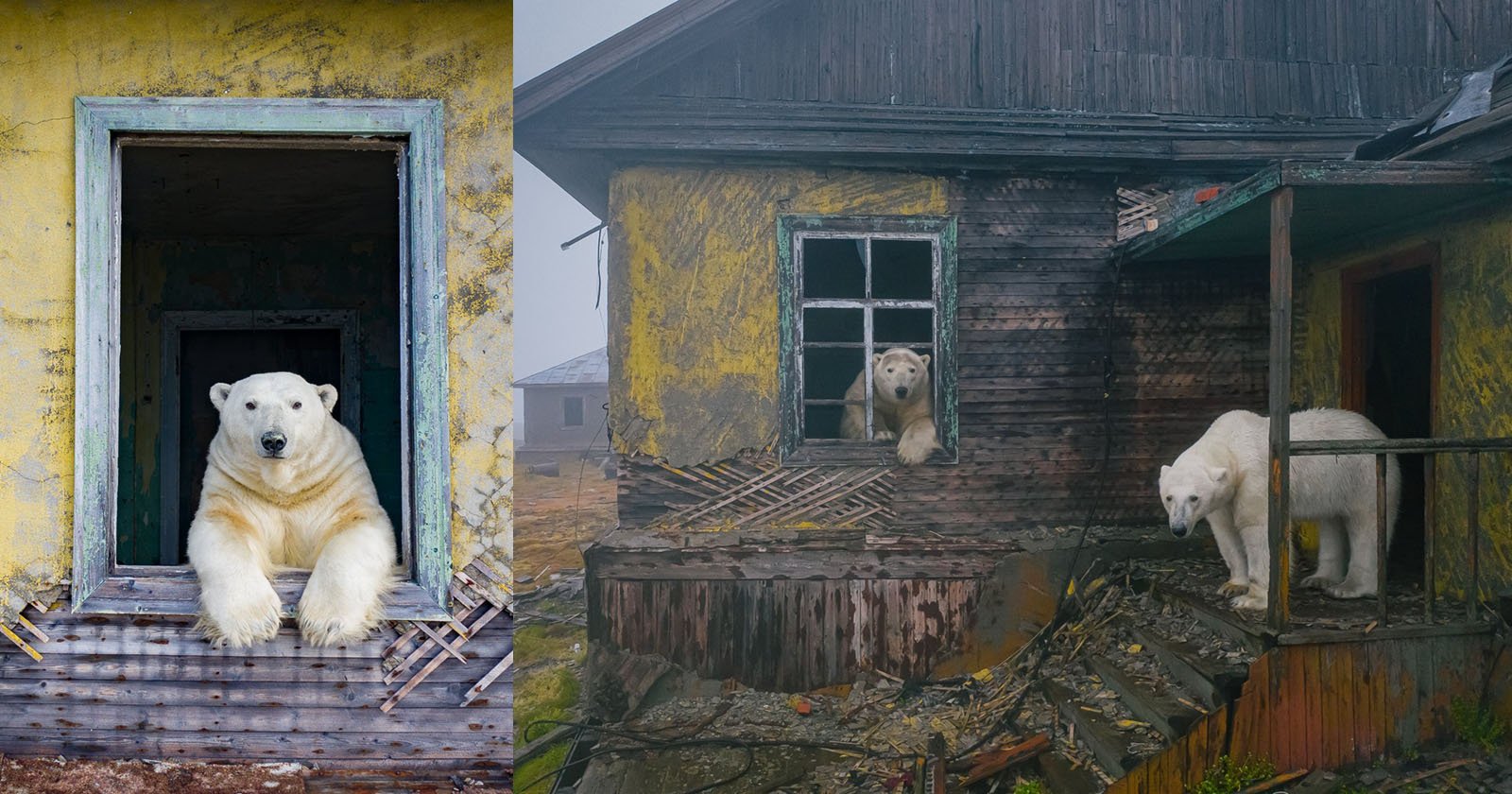
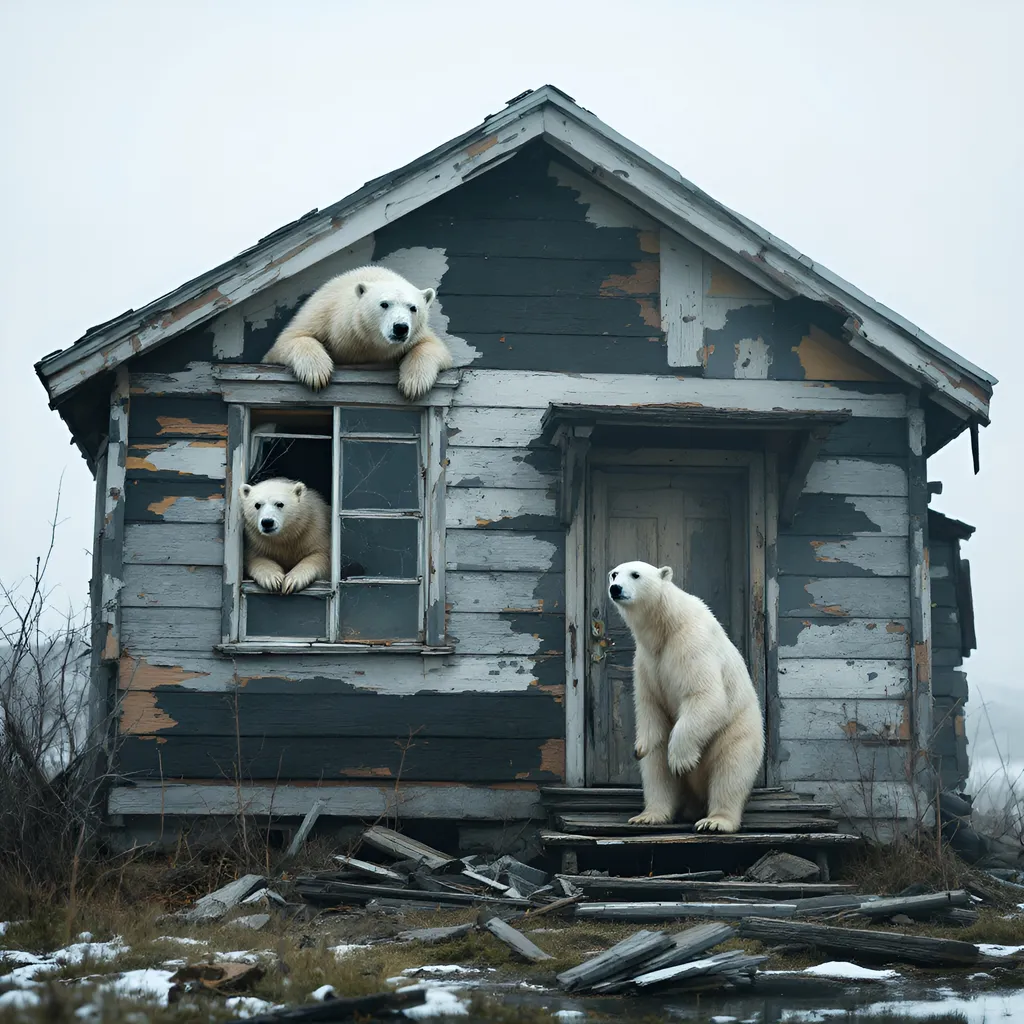
A polar bear house in the Arctic refers to specialized, often mobile, modular accommodations designed to allow researchers and tourists to live safely within the natural habitat of Ursus maritimus. These structures, most notably the Tundra Buggy Lodges in Churchill, Canada, provide elevated, bear-proof housing that minimizes environmental impact while maximizing wildlife observation opportunities.
In the extreme climate of the Arctic, a "house" is not merely a shelter; it is a complex life-support system. Whether for tourism or scientific research, these structures must solve the dual challenges of extreme cold and the presence of the world’s largest terrestrial carnivore. As of 2026, these facilities have evolved to incorporate advanced renewable energy systems and closed-loop waste management to protect the fragile permafrost they inhabit.
Architectural and Engineering Requirements for Arctic Habitats
Building a residence in the Arctic requires a departure from traditional construction techniques. The primary adversary is not just the cold, but the ground itself. Much of the Arctic sits on permafrost—ground that remains frozen for two or more consecutive years.
Permafrost and Foundation Integrity
Standard foundations radiate heat, which can melt the underlying permafrost, causing the building to sink or tilt. To prevent this, Arctic "houses" are typically built on pilings or heavy-duty tires. These elevations allow cold air to circulate beneath the structure, keeping the ground frozen. In the case of the Tundra Buggy Lodge, the entire facility is mounted on massive, five-and-a-half-foot-tall tires, which serve the dual purpose of mobility and elevation above the reach of curious polar bears.
Thermal Envelope and Insulation
To maintain a habitable interior temperature when outside conditions drop to -40°C (-40°F), the thermal envelope must be nearly airtight. Modern Arctic structures utilize Structural Insulated Panels (SIPs) with high R-values. Triple-pane or even quadruple-pane windows are standard, often treated with specialized coatings to prevent frost buildup and minimize UV heat loss.
Bear-Proofing the Perimeter
Safety is the paramount design feature of any polar bear house. Polar bears are incredibly strong and intelligent; they have been known to attempt to pry open doors or smash windows if they detect food.
- Elevated Decks: All outdoor viewing areas are typically located at least 10 to 12 feet above the ground.
- Reinforced Entryways: Doors are often heavy-grade steel with recessed handles that a bear cannot grip.
- Safety Grates: Lower-level windows are often protected by steel grates or use high-impact polycarbonate materials.
The Tundra Buggy Lodge: A Mobile Polar Bear House
The most famous iteration of a polar bear house is located in the Churchill Wildlife Management Area in Manitoba, Canada. This "rolling hotel" allows guests to stay in the heart of bear territory throughout the peak migration season.
Modular Configuration
The lodge is not a single building but a train of specialized trailers linked together. A typical configuration includes:
- Sleeper Cars: These contain bunk-style accommodations. In 2026, these have been updated with improved soundproofing and personal climate controls.
- Lounge Car: A communal space with 360-degree views, used for educational presentations and relaxation.
- Dining Car: A full-service kitchen and dining area where meals are prepared for guests and staff.
- Power and Utility Cars: These house the generators, water filtration systems, and waste storage.
Environmental Stewardship and Waste Management
Operating a house in a protected wilderness area requires strict adherence to "Leave No Trace" principles. The lodge utilizes Incinolet toilets, which use electric heat to reduce human waste to a small amount of sterile ash. Greywater from sinks and showers is stored in heated tanks and transported back to town for proper disposal, ensuring that no liquid waste touches the tundra.
Living in the Arctic: Logistics and Daily Operations
Running a polar bear house involves complex logistics, particularly regarding resource management. Every liter of fuel and every kilogram of food must be transported across the tundra, often via specialized all-terrain vehicles.
Power Generation
While traditional diesel generators were once the norm, 2026 models of Arctic outposts have shifted toward hybrid systems. Large battery arrays (Lithium Iron Phosphate) are charged during the day by solar arrays or high-efficiency generators, allowing the lodge to run silently at night. This silence is crucial for both the guest experience and for minimizing the disturbance to local wildlife.
Water Supply
Water is one of the most precious resources in the Arctic. Mobile lodges often carry large freshwater tanks that are refilled periodically. Guests are typically briefed on "tundra showers"—brief, high-efficiency washes—to conserve the supply. Some stationary research houses use snow-melting systems, though these are energy-intensive and require significant filtration to be potable.
Comparison: Mobile Lodges vs. Stationary Arctic Outposts
Choosing where to stay or work in the Arctic depends on the duration of the mission and the level of mobility required.
| Feature | Tundra Buggy Lodge (Mobile) | Stationary Research Station |
|---|---|---|
| Location Flexibility | High; follows bear migration patterns. | Fixed; usually near a specific study site. |
| Foundation Type | Large-diameter low-pressure tires. | Steel pilings driven into permafrost. |
| Waste Management | Self-contained tanks; hauled out. | Often features onsite bio-treatment. |
| Power Source | Hybrid Diesel/Battery/Solar. | Often connected to local grids or wind. |
| Visitor Capacity | Limited (approx. 40 guests). | Varies widely (5 to 100+). |
| Safety Measures | Elevation and reinforced steel. | Electric fencing and bear monitors. |
Specialized Research Houses: Beyond Churchill
While Churchill is the hub for tourism, other "polar bear houses" exist strictly for scientific advancement.
Churchill Northern Studies Centre (CNSC)
Located at the meeting point of the boreal forest and the tundra, the CNSC is a LEED Silver-certified building. It serves as a stationary "house" for researchers studying climate change and bear biology. Its design includes "light pipes" to maximize natural Arctic light and a high-performance building envelope that reduces energy consumption by over 50% compared to standard structures.
Zackenberg Research Station (Greenland)
In the high Arctic of Northeast Greenland, the Zackenberg station consists of several small wooden houses. Here, the focus is on "Arctic Integrated Ecosystem Monitoring." These houses are designed to be "summer-only" or "shoulder-season" dwellings, as the extreme winter conditions in this region make year-round habitation difficult without massive logistical support.
Planning a Visit: Requirements and Costs for 2026
Staying in a polar bear house is a bucket-list item for many, but it requires significant advance planning. Due to the limited capacity of these structures and the short duration of the polar bear season (October and November), booking cycles are often 12 to 18 months in advance.
Eligibility and Physical Requirements
While most lodges are designed to be accessible, guests must be able to navigate small spaces and steep stairs (ladders) between modular units. There are no medical facilities on the tundra, so individuals with serious health conditions must consult with operators regarding emergency evacuation protocols, which are often weather-dependent.
Estimated Costs
In 2026, a multi-day stay in a mobile polar bear lodge is a premium experience. Prices typically include:
- Transportation: Flights from major hubs (like Winnipeg) to Churchill.
- Accommodation: All-inclusive stays on the tundra.
- Guided Tours: Expert-led expeditions on Tundra Buggies.
- Permit Fees: Contributions to wildlife management and conservation funds.
Prices for a 5-day expedition generally range from $8,500 to $12,000 USD per person, reflecting the immense logistical costs of operating in the Arctic wilderness.
Safety Protocols for Residents and Guests
When living in a polar bear house, the "house rules" are dictated by safety. The most important rule is that you never leave the structure on foot.
- Viewing Platform Etiquette: Never lean over the railings or hold cameras out where a bear could reach them. Polar bears can stand nearly 10 feet tall on their hind legs.
- Scent Management: Kitchen exhausts are fitted with high-grade filters to minimize the "dinner bell" effect that cooking smells can have on nearby bears.
- Noise Control: Sudden loud noises can startle bears or cause them to become aggressive toward the structure.
- No Feeding: This is strictly enforced. A "fed bear is a dead bear," as bears that associate humans or structures with food eventually become "problem bears" and may be euthanized by wildlife officials.
Common Challenges and Troubleshooting
Living in an Arctic house presents unique technical hurdles that require constant monitoring.
- Frozen Plumbing: Even with heat tape and insulation, pipes can freeze if temperatures drop below -40°. Maintenance crews use thermal imaging cameras to identify cold spots in the insulation before they lead to pipe bursts.
- Condensation and Mold: Because the interior is warm and the exterior is frozen, condensation can build up behind walls. Advanced HVAC systems with Energy Recovery Ventilators (ERVs) are used to exchange moist indoor air with dry outdoor air while retaining heat.
- Power Failures: In the event of a generator or battery failure, these houses can lose heat rapidly. Every facility is equipped with "survival gear," including high-grade Arctic sleeping bags and propane backup heaters.
FAQ
Is it safe to sleep in a polar bear house?
Yes, it is extremely safe. These structures are engineered specifically to withstand the weight and strength of a polar bear. The elevation ensures that bears cannot gain leverage to enter the sleeping quarters. Furthermore, professional bear monitors are often on-site or on-call to manage any persistent wildlife encounters.
Can you see the Northern Lights from a polar bear house?
Absolutely. Because these houses are located far from town lights, they offer some of the best Aurora Borealis viewing in the world. Many lodges feature "Skylight" sleeper cars or outdoor observation decks designed specifically for nighttime viewing.
How do they get food to the polar bear house?
For mobile lodges, food is restocked via "Tundra Buggies" or "X-wheelers" that travel from Churchill. These vehicles carry fresh produce, water, and fuel. The food is stored in bear-proof containers until it is brought inside the lodge’s kitchen car.
Do polar bears try to get inside the house?
Bears are naturally curious. It is common for them to approach the lodge, sniff the tires, or even stand up to look into the windows. However, they generally realize the structure is not "prey" and will eventually move on. The structures are designed without any "paw-holds" to prevent climbing.
What happens to the house in the summer?
For mobile lodges, the units are towed back to a staging area near Churchill once the ice on Hudson Bay freezes and the bears move out onto the ice. They undergo intensive maintenance, cleaning, and upgrades during the off-season to prepare for the following October.
Next Steps for Travelers and Researchers
If you are interested in visiting or working in a polar bear house, your first action should be to verify the current availability for the 2026-2027 seasons. For tourism, contact reputable operators such as Frontier North Adventures. For researchers, the Churchill Northern Studies Centre provides application guidelines for independent investigators. Always ensure you have comprehensive travel insurance that includes emergency Arctic evacuation, as weather can delay travel for days at a time.