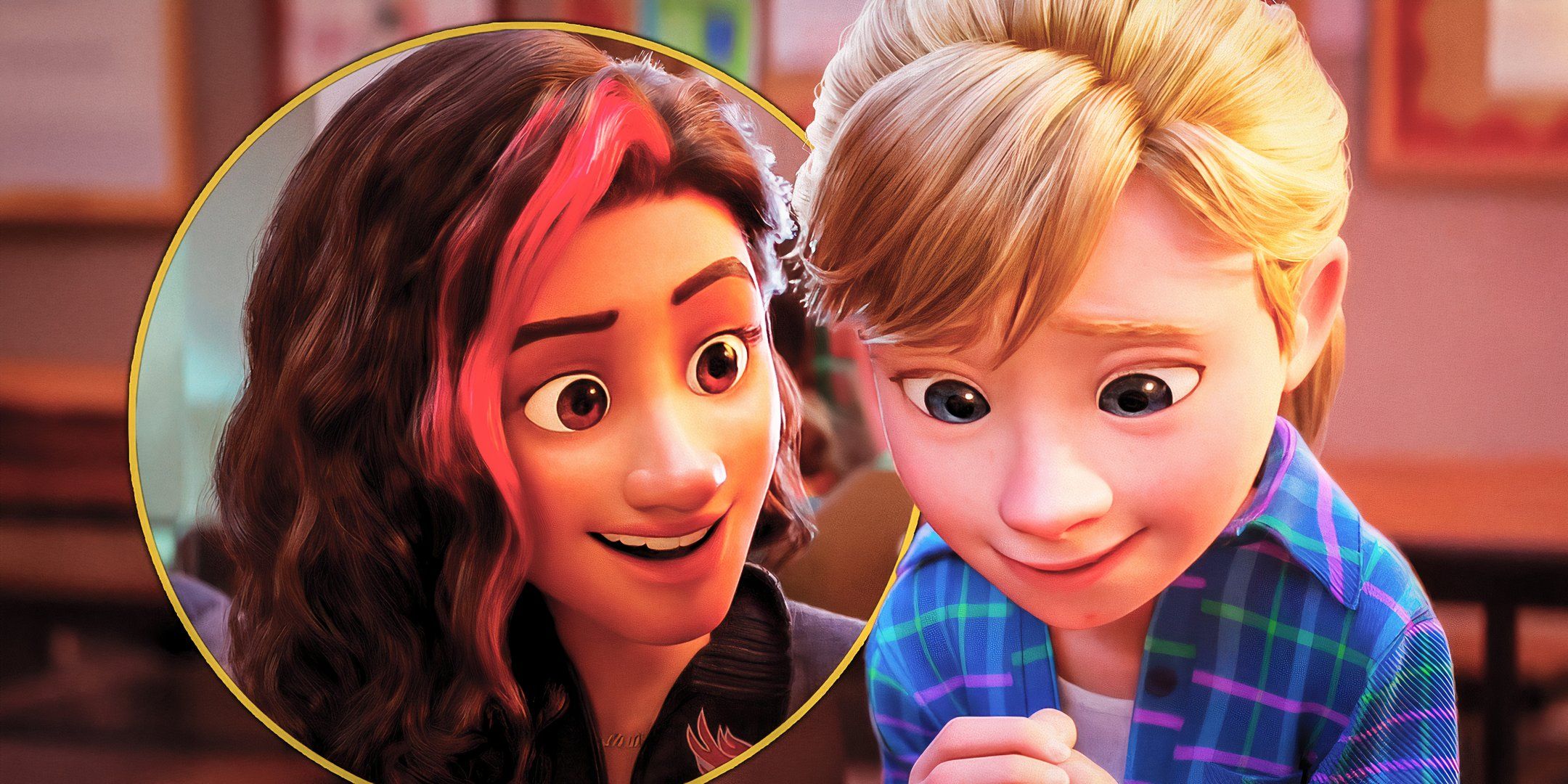
As of 2026, Pixar Animation Studios has not yet released a feature-length film where the central protagonist's primary narrative arc is a gay romance. However, the studio has made significant strides in inclusivity through several LGBTQ+ supporting characters in major films like Lightyear and Onward, as well as the groundbreaking 2020 SparkShort Out, which features Pixar's first gay lead character.
For decades, fans and critics have analyzed Pixar's filmography through the lens of "queer coding"—the practice of giving characters traits that imply a queer identity without explicitly stating it. However, the 2020s marked a definitive shift from subtext to text. This transition was driven by both creative evolution within the studio and a broader cultural demand for authentic representation in family media. To understand where Pixar stands today, one must look at the specific milestones, the internal corporate struggles that shaped these decisions, and the technical ways the studio has integrated diverse identities into its world-building.
The Turning Point: Pixar’s First Explicit LGBTQ+ Lead in "Out"
While many look for a "gay Pixar movie" in the form of a theatrical feature, the first instance of a gay protagonist occurred in the short film format. Released on Disney+ in May 2020 as part of the SparkShorts program, Out was a historic moment for the studio.
Directed by Steven Hunter, Out follows a man named Greg who is preparing to move to the city with his boyfriend, Manuel. The central conflict involves Greg’s fear of coming out to his parents, who arrive unexpectedly to help him pack. Through a magical element involving a mystical cat and dog, Greg swaps bodies with his dog, Jim. This high-concept "body-swap" comedy—a staple of the Pixar brand—serves as a metaphor for the vulnerability and anxiety associated with sharing one's true self with family.
Out was technically significant because it used a painterly, textured aesthetic that differed from Pixar’s hyper-realistic features, signaling that "different" stories could also embrace different visual languages. More importantly, it ended with an explicit confirmation of Greg’s identity and his parents’ acceptance, setting a precedent that LGBTQ+ themes could be handled with the same "all-ages" sensitivity as any other Pixar story.
LGBTQ+ Representation in Pixar Feature Films
The journey toward representation in feature films has been characterized by "blink-and-you-miss-it" moments that gradually evolved into more concrete characterizations. Each step, though sometimes criticized for being too small, represented a hurdle cleared within the studio's pipeline.
Onward (2020) and Officer Specter
In the fantasy-adventure Onward, Pixar introduced Officer Specter, a cyclops police officer voiced by Lena Waithe. During a brief scene, Specter mentions, "My girlfriend’s daughter got me pulling my hair out." This was the first time a character in a Pixar feature film self-identified as being in a same-sex relationship. While the role was minor, the casual nature of the dialogue was intended to normalize LGBTQ+ existence within the film's universe. However, this moment also highlighted the challenges of global distribution, as the line was altered or the film was banned in several international markets.
Lightyear (2022) and Alisha Hawthorne
The 2022 film Lightyear took a much larger step by introducing Alisha Hawthorne, Buzz Lightyear's commanding officer and best friend. Unlike Officer Specter, Alisha is a pivotal character whose life milestones—including her marriage to a woman and the building of their family—are shown in a poignant montage reminiscent of the opening of Up.
The film includes a brief kiss between Alisha and her wife. This specific scene became a flashpoint for internal and external debate. Reports indicated that the kiss had been initially cut and was only restored after Pixar employees issued a joint statement criticizing Disney’s leadership regarding the "Don't Say Gay" bill in Florida. The restoration of the scene in Lightyear was seen as a victory for creative autonomy and a commitment to authentic representation, even at the risk of commercial pushback in certain territories.
Elemental (2023) and Lake Ripple
In Elemental, Pixar introduced its first non-binary character, Lake Ripple (a younger sibling of the protagonist Wade). Lake uses they/them pronouns, and while their identity isn't the focus of the plot, their inclusion was a deliberate choice to reflect the diversity of the modern world. The character was voiced by Kai Ava Hauser, a non-binary actor, reinforcing Pixar’s move toward "authentic casting" where the voice talent shares the identity of the character.
The "Gay Pixar Movie" Debate: Protagonists vs. Supporting Cast
A common critique from the LGBTQ+ community and film critics is the "peripheral" nature of these characters. As of 2026, the question remains: When will Pixar release a film where the lead character is gay?
The distinction between a "gay character" and a "gay movie" is significant. In the film industry, a "gay movie" usually implies that the protagonist’s journey or the central theme is rooted in their queer identity. Pixar’s storytelling philosophy often centers on universal themes—fatherhood, growing up, legacy, and friendship. The challenge for the studio has been integrating a queer lead without the movie being "about" being gay in a way that excludes a general audience, while also not making the identity so subtle that it feels like "queer-baiting."
Comparison of LGBTQ+ Representation in Pixar Works
| Film/Short | Character | Identity | Role Type | Narrative Significance |
|---|---|---|---|---|
| Out (2020) | Greg | Gay | Protagonist | Central conflict is about coming out to parents. |
| Onward (2020) | Officer Specter | Lesbian | Minor Supporting | Casual mention of a girlfriend; world-building. |
| Lightyear (2022) | Alisha Hawthorne | Lesbian | Major Supporting | Shows a full life arc, including marriage and family. |
| Elemental (2023) | Lake Ripple | Non-binary | Supporting | Normalizes non-binary identities and pronouns. |
| Inside Out 2 (2024) | Riley (Subtextual) | Subjective | Protagonist | Widely discussed by fans as a queer allegory, though not explicit. |
Behind the Scenes: Corporate Policy and Creative Freedom
The evolution of representation at Pixar cannot be separated from the corporate environment at Disney. In 2022, a significant internal rift occurred when Pixar staff alleged that Disney executives had historically requested cuts to "nearly every moment of overtly gay affection" in their films.
This public friction led to a cultural shift within the studio. The creative teams at Pixar, traditionally known for their "Braintrust" system of peer review, began to push more aggressively for inclusive stories. By 2026, this has resulted in a more robust "Internal Inclusion Strategy," where diverse creative consultants are brought in early in the storyboarding process to ensure that characters are not just "tokens" but are integrated meaningfully into the narrative.
Technical and Narrative Approaches to Inclusivity
Pixar’s approach to diversity is often "technical" in nature, focusing on how identity affects character design, movement, and dialogue.
- Voice Casting: There has been a move toward hiring LGBTQ+ actors for LGBTQ+ roles. This ensures that the nuance of the performance comes from a place of lived experience.
- Character Design: In films like Elemental, the design of Lake Ripple was meant to be gender-neutral within the "water element" physics of the film, showing how Pixar uses its proprietary animation software to express identity through form.
- Environmental Storytelling: Pixar often uses background details—stickers on a locker, photos on a wall, or the composition of a crowd—to signal a diverse world. This allows for representation that feels organic to the setting.
Challenges and Cultural Impact
The primary challenge Pixar faces is the "Global Box Office vs. Creative Integrity" dilemma. Several Pixar films with LGBTQ+ content have been censored or banned in various Middle Eastern and Asian markets. For a studio that spends upwards of $200 million per feature, losing these markets is a financial risk.
However, the cultural impact of these characters often outweighs the immediate box office numbers. For LGBTQ+ youth, seeing a character like Alisha Hawthorne—a hero, a mother, and a leader—provides a sense of validation that was absent from animation for nearly a century. This representation helps break down stereotypes and fosters empathy among heteronormative audiences.
Future Prospects: What’s Next for Pixar?
Looking toward the latter half of the 2020s, the industry expectation is that Pixar will eventually announce a feature film with a queer lead. Speculation has often surrounded original projects in development, with fans hoping for a "coming-of-age" story that mirrors the emotional depth of Luca (which many interpreted as a queer allegory) but with explicit confirmation.
The success of films from other studios, such as Strange World (Disney Animation) or Nimona (Netflix), which featured queer leads, has provided a roadmap for Pixar. The studio's focus remains on "story first," and the prevailing sentiment in 2026 is that a queer protagonist is a matter of "when," not "if," as the studio continues to diversify its roster of directors and writers.
Common Questions Regarding LGBTQ+ Pixar Movies
Has Pixar ever had a gay main character in a movie?
As of 2026, the only Pixar production with a gay main character is the short film Out. In feature films, LGBTQ+ characters have occupied major supporting roles (like Alisha Hawthorne in Lightyear) but have not yet been the primary protagonist.
Why was "Luca" considered a gay movie by some fans?
Although the director stated Luca was about platonic friendship, many viewers saw the story—about two boys who must hide their true identities (as sea monsters) to be accepted by society—as a clear allegory for the queer experience. The "closeted" nature of their secret and their desire to find a place where they can be themselves resonated deeply with LGBTQ+ audiences.
What was the controversy with "Lightyear"?
The controversy centered on a brief scene showing a kiss between two female characters, Alisha Hawthorne and her wife. The scene was initially removed by Disney executives but restored after a public outcry from Pixar employees. This led to the film being banned in over a dozen countries.
Are there any non-binary characters in Pixar movies?
Yes, Lake Ripple in the 2023 film Elemental is non-binary. They are the first character in a Pixar feature to explicitly use they/them pronouns, and they were voiced by a non-binary actor.
Practical Recommendation for Viewers
If you are looking for Pixar content that specifically highlights LGBTQ+ stories, start with the SparkShort "Out" on Disney+. It provides the most direct and heartwarming exploration of gay identity in the Pixar library. For those interested in how inclusivity is woven into larger narratives, "Lightyear" and "Elemental" offer the most modern examples of how Pixar integrates diverse families and identities into its feature-length world-building. As the studio continues to evolve, keeping an eye on the SparkShorts program is often the best way to see experimental and inclusive storytelling before it makes its way into the $200 million theatrical blockbusters.