Actual Cash Value (ACV) is a valuation method used by auto insurance companies to determine the payout amount for a covered loss, typically representing the replacement cost of a vehicle minus depreciation. When combined with a $1,000 deductible, this structure defines how much you pay out-of-pocket versus how much the insurer covers after an accident or total loss.
Defining Actual Cash Value in Automotive Coverage
In the context of automobile insurance, Actual Cash Value (ACV) serves as the primary metric for settling claims involving total losses or extensive damage. Unlike "Replacement Cost" coverage—which pays to buy a brand-new version of your vehicle—ACV accounts for the age, mileage, condition, and market demand for your specific car at the moment of the loss.
When your vehicle is involved in a significant accident, the insurance adjuster evaluates its condition. They compare it against similar makes and models sold in your regional market. Because vehicles depreciate significantly the moment they are driven off the lot, the ACV is almost always lower than the original purchase price or the amount remaining on a loan. Understanding this is vital for policyholders because, in a total loss scenario, the payout you receive might not be sufficient to pay off an existing auto loan, leading to a "gap" in coverage.
The Role of the $1,000 Deductible
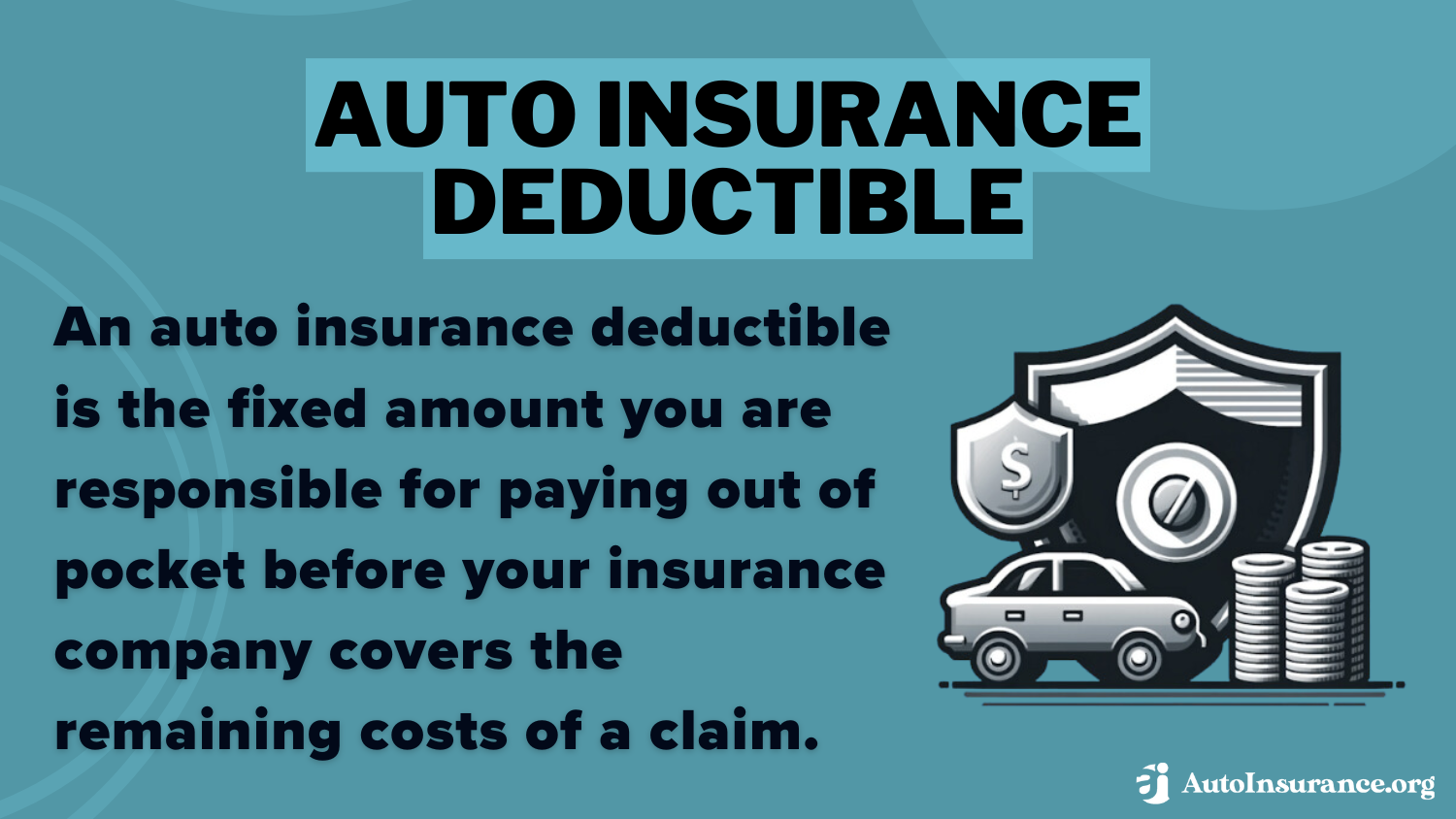
A deductible is the portion of a covered claim that you are contractually obligated to pay before the insurance company contributes to the costs. A $1,000 deductible is a common choice for drivers looking to lower their monthly insurance premiums. By opting for a higher deductible, you effectively signal to the insurer that you are willing to assume more financial risk, which lowers the probability of filing small, nuisance claims.
When you hold a $1,000 deductible, the math of a claim is straightforward. If your vehicle sustains $5,000 in covered damage, your insurance company will subtract your $1,000 deductible from the total, resulting in a payout of $4,000 to the repair facility. If the damage is assessed at less than $1,000, the insurance company typically pays nothing, as the repair cost does not exceed your agreed-upon responsibility.
Comparing Deductible Tiers and Premium Impacts
Choosing between a $500 and a $1,000 deductible involves a direct trade-off between monthly cash flow and immediate liquidity requirements in the event of an accident. The table below illustrates how different deductible levels generally influence the structure of an insurance policy.
| Deductible Amount | Typical Monthly Premium Impact | Financial Responsibility | Suitability |
|---|---|---|---|
| $250 | Highest Cost | Low immediate burden | Drivers who prefer predictable small costs |
| $500 | Moderate Cost | Balanced burden | Most standard vehicle owners |
| $1,000 | Lower Cost | High immediate burden | Drivers with emergency savings |
| $2,000+ | Lowest Cost | Very high immediate burden | High-value vehicles or low-risk drivers |
Drivers who maintain a solid emergency fund often find that a $1,000 deductible is the most cost-effective long-term strategy. Over several years of accident-free driving, the cumulative savings from lower monthly premiums often exceed the amount you would have saved on a single claim by choosing a lower deductible.
How Adjusters Determine ACV
Insurance adjusters do not pull numbers from thin air. They utilize standardized databases—such as CCC Intelligent Solutions, Mitchell, or Audatex—to determine the value of a vehicle. These systems aggregate data from local and regional sales of comparable vehicles. The process generally follows these steps:
- Physical Inspection: The adjuster inspects the vehicle for pre-existing damage, custom parts, or unusually high wear and tear.
- Comparable Search: The software identifies "comps" (comparable vehicles) within a specific geographic radius. These are cars of the same make, model, year, and approximate mileage that have sold recently.
- Adjustment for Condition: If your car has leather seats, a sunroof, or was meticulously maintained, the value is adjusted upward. Conversely, mechanical issues or body damage will lower the value.
- Final Calculation: The company arrives at the ACV. This is the figure to which your $1,000 deductible is applied in the event of a total loss.
Navigating the Total Loss Process
A total loss occurs when the cost to repair the vehicle exceeds a certain percentage of its ACV—often referred to as the "total loss threshold." In many states, if the cost of repairs plus the salvage value of the wrecked car is close to or higher than the ACV, the insurer will declare the vehicle a total loss.
When this happens, the insurance company sends you a check for the ACV minus your $1,000 deductible. If you have an active auto loan, the bank is usually the "loss payee," meaning the insurance check will be made out to both you and the lienholder. The bank takes its share to pay off the loan, and you receive any remaining surplus. If the loan balance is higher than the ACV settlement, you may be left with no vehicle and a remaining balance on your loan, unless you carry specific "Gap Insurance."
Common Misconceptions Regarding ACV
One of the most persistent myths in auto insurance is that the "Book Value" (such as Kelly Blue Book or similar consumer-facing guides) is the final word on what an insurance company must pay. While these guides are useful for estimating trade-in value, they are not binding on insurance companies. Insurance companies use proprietary algorithms that analyze actual local market transaction data, which may differ from the estimates found on consumer websites.
Another misconception is that the insurance company will pay what you owe on your loan. Insurers are obligated to pay the value of the asset, not the value of the debt. If you have a high-interest loan or a long-term loan that has caused you to be "underwater" (owing more than the car is worth), the insurance payout will reflect the car’s worth, not your remaining financial obligation.
Essential Steps for Managing Your Deductible
To effectively manage a policy with a $1,000 deductible, consider the following best practices:
- Maintain an Emergency Fund: Ensure you have at least $1,000 set aside in a high-yield savings account designated specifically for vehicle repairs. This prevents you from being forced to use high-interest credit cards if an accident occurs.
- Document Your Vehicle’s Condition: Periodically take photos of your vehicle's interior and exterior. If you have performed significant upgrades (like new tires or a premium audio system), keep receipts. Providing this documentation to an adjuster can sometimes help ensure your ACV is calculated accurately.
- Review Coverage Periodically: As your vehicle ages, its ACV will drop. If your car is older and has a very low market value, paying for high-premium collision or comprehensive coverage might not be economically logical, as the maximum payout (minus your $1,000 deductible) might barely exceed the cost of the premiums you are paying.
- Understand Local Regulations: Some states have specific rules regarding how insurance companies must calculate total losses. Research your state’s Department of Insurance website to understand the consumer protections afforded to you regarding claim settlements.
Frequently Asked Questions
Does a $1,000 deductible apply to every accident? No. A deductible typically applies to collision and comprehensive coverage. It does not apply to liability coverage, which covers damage you cause to others. If someone else is at fault for an accident and their insurance is liable, you generally do not pay your deductible.
Can I change my deductible to $1,000 if I already have a lower one? Yes. You can contact your insurance provider at any time to request a change to your policy. Increasing your deductible is a quick way to reduce your current premium, though you should ensure you are comfortable with the increased out-of-pocket risk before doing so.
How is ACV different from Market Value? In practical application, they are often used interchangeably by insurers. However, ACV specifically accounts for the physical condition and depreciation of your specific vehicle, whereas "market value" is a broader term that can sometimes refer to the general retail price of a vehicle in that class.
What happens if the repairs cost exactly $1,000? If your repair costs are exactly $1,000, you pay the entire $1,000, and the insurance company pays $0. This is why many experts advise against carrying a $1,000 deductible if you cannot comfortably cover that amount, as it essentially means you are self-insuring for the first $1,000 of any accident.
Should I choose a $1,000 deductible for an old, low-value car? This depends on the vehicle's worth. If the car is worth $2,500 and you have a $1,000 deductible, the most the insurance company will pay you for a total loss is $1,500. You must weigh whether the monthly premium savings over time are worth the limited protection provided.
Final Recommendation
Before finalizing your policy, assess your financial readiness to cover a $1,000 loss at any time. If you have the savings, the $1,000 deductible is a powerful tool to lower your insurance overhead. Ensure you maintain accurate records of your vehicle’s condition and periodically review your policy to ensure that as your vehicle depreciates, your coverage levels remain aligned with its current Actual Cash Value. If you find your car’s ACV has dropped significantly, consider whether the cost of collision coverage remains a prudent investment for your specific financial situation.