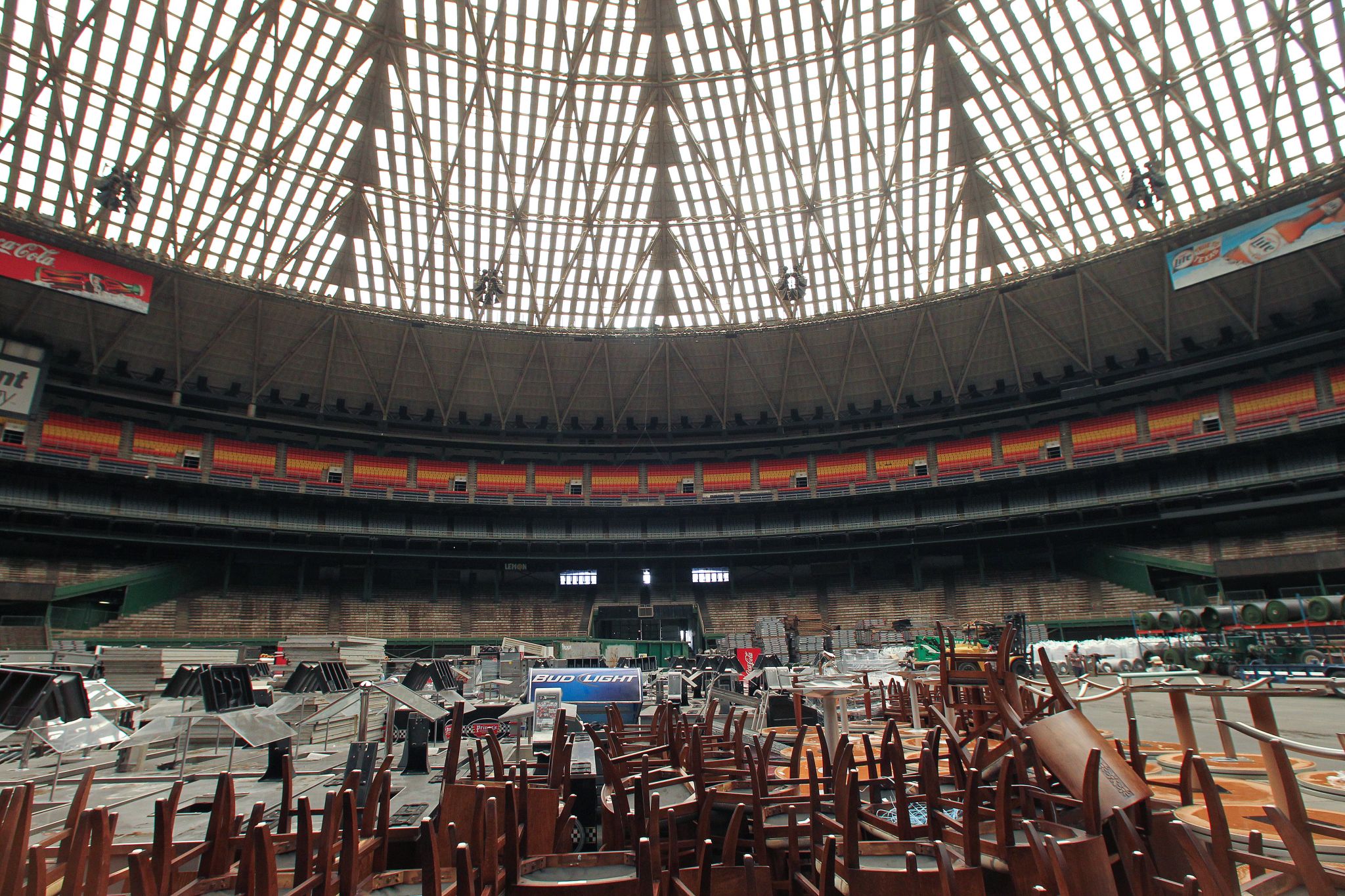
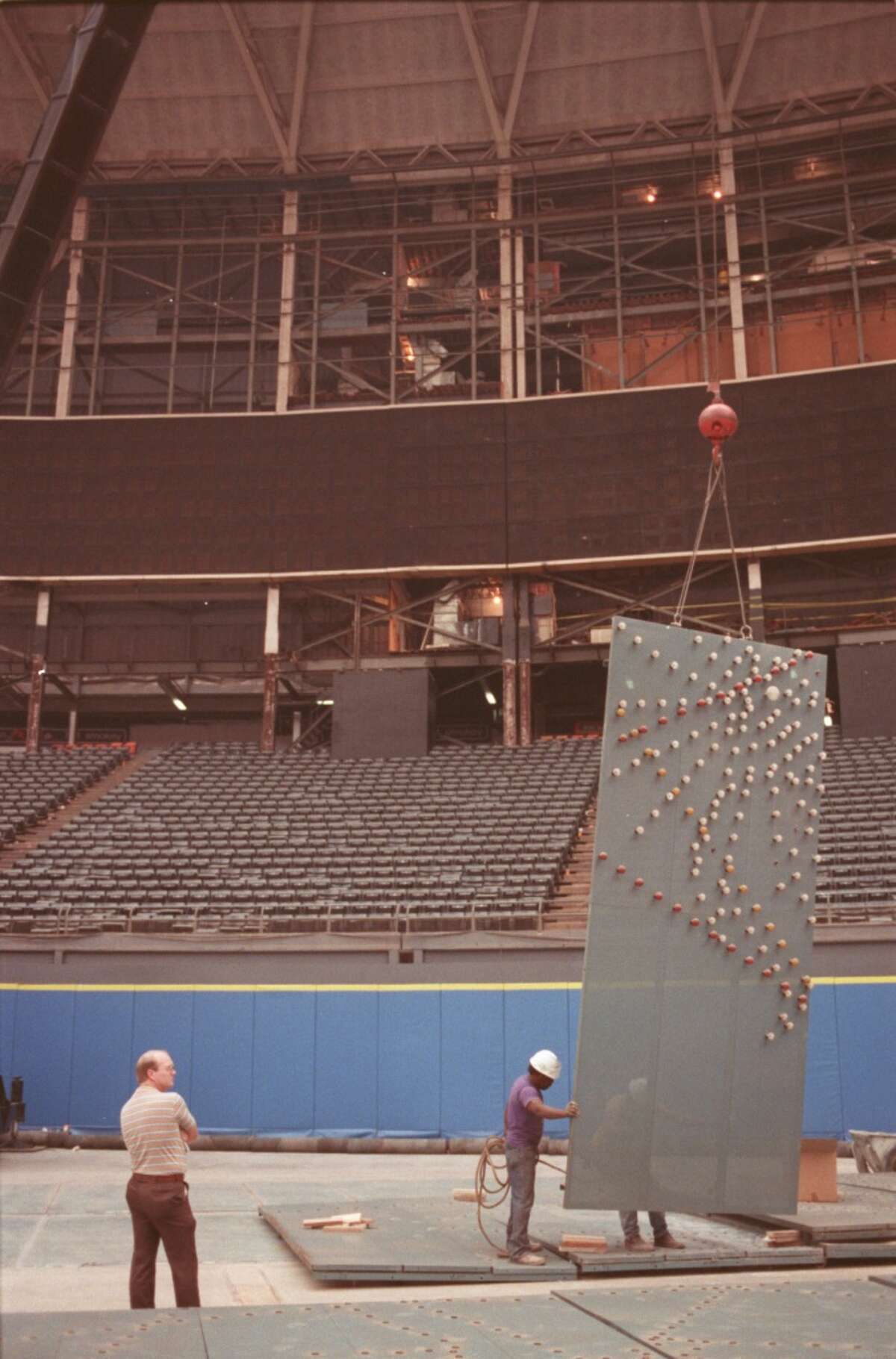
Astrodome seats are iconic relics from Houston’s "Eighth Wonder of the World," representing decades of sports and cultural history. Today, in 2026, these seats are highly prized collectibles found primarily through secondary markets, estate auctions, and private collectors, following major liquidations by Harris County that began over a decade ago.
The Houston Astrodome, officially known as the Harris County Domed Stadium, changed the landscape of professional sports when it opened in 1965. It was the first multi-purpose, domed sports stadium in the world, and every component of its interior—from the "Astroturf" to the multi-colored seating tiers—was designed to evoke a sense of futuristic luxury. For fans of the Houston Astros, the Houston Oilers, and the legendary Houston Livestock Show and Rodeo, owning a piece of the "Dome" is akin to owning a piece of Texas identity.
The History and Evolution of Astrodome Seating
When the Astrodome opened, the seating arrangement was a marvel of engineering. Because the stadium was designed to host both baseball and football, large sections of the lower-level seating were motorized, rotating on tracks to optimize sightlines for different sports. This mechanical complexity influenced the design of the seats themselves, which had to be durable enough to withstand constant movement and the high-density crowds of the 1960s and 70s.
The original seats were installed in 1964 and 1965. Over the years, as the stadium underwent various renovations—most notably the 1989 expansion to accommodate the Oilers' demand for more capacity—some seating configurations changed. However, the classic aesthetic remained. The seats were famously color-coded, a design choice that helped spectators navigate the massive facility while also providing a vibrant backdrop for early color television broadcasts.
The transition of these seats from functional stadium equipment to coveted memorabilia began in earnest in the early 21st century. After the Astrodome was deemed unfit for occupancy in the late 2000s, the Harris County Sports & Convention Corporation (HCSCC) eventually authorized the sale of stadium assets. The most significant event occurred in October 2013, when thousands of seats were sold to the public in a massive "yard sale" event, followed by subsequent online auctions in 2015 and later smaller liquidations.
Understanding the Color-Coding System
One of the most distinctive features of Astrodome seats is their color. Unlike modern stadiums that often use a uniform color scheme, the Astrodome used a rainbow-like progression. Each color corresponded to a specific level and price point, reflecting the social and economic hierarchy of the mid-century spectator experience.
| Seat Color | Stadium Level | Original Designation | Typical Material |
|---|---|---|---|
| Red | Field Level | Pavilion/Lower Box | Cast iron frames, plastic shells |
| Orange | Mezzanine | Loge/VIP | Cast iron frames, plastic shells |
| Yellow/Gold | Upper Level | "Sky" or Upper Deck | Cast iron frames, plastic shells |
| Blue | Box Level | Club/Executive | Cast iron frames, plastic shells |
The "Oilers Blue" seats are often the most sought-after by football nostalgists, while the red and orange seats are synonymous with the early era of the Houston Astros and the "Rainbow Guts" uniforms. In 2026, the value of these seats often depends as much on the color as it does on the condition, with rarer colors from specific sections sometimes fetching a premium.
Technical Specifications and Construction
To properly appreciate or restore an Astrodome seat, one must understand its construction. The seats were manufactured to be industrial-grade, designed for a lifespan of decades under heavy use.
Frame and Brackets
The vast majority of Astrodome seats are "riser-mounted" rather than "floor-mounted." This means the cast-iron frames were bolted into the vertical face of the concrete tiers rather than flat on the ground. For a private collector to display these seats, they almost always require custom-made "feet" or an L-bracket floor stand. The frames are heavy, typically made of cast iron or heavy-gauge steel, which provided the necessary counterbalance for the spring-loaded folding mechanism.
The Shells
The seat backs and bottoms are made of high-density polyethylene (HDPE) plastic. In the 1960s, this was a relatively modern material for stadium seating, preferred for its resistance to cracking and its ability to hold pigment. However, decades of use and the unique indoor environment of the Dome—which shifted from climate-controlled to stagnant and humid after the HVAC systems were powered down—have left many shells with "chalking" or surface oxidation.
Hardware
The nuts, bolts, and hinge pins are standard industrial sizes, but they are prone to significant corrosion. Many collectors who purchased seats in the 2013 sale found that the hardware had fused over time, requiring penetrating oils or heat to disassemble.
Authentication: Is Your Seat an Original?
As the market for stadium memorabilia has grown, so has the prevalence of generic vintage stadium seats being marketed as "Astrodome originals." Authenticating a seat is critical for maintaining its value.
- HCSCC Asset Tags: Most seats sold during the official 2013 and 2015 auctions were outfitted with a small, metallic or adhesive asset tag from the Harris County Sports & Convention Corporation. These tags often include a serial number.
- Cast-Iron Markings: Genuine Astrodome seat frames often feature specific casting marks or part numbers on the interior of the legs. While these vary by manufacturer (as different companies provided replacements over 40 years), they are distinct from the seats found in, for example, the old Texas Stadium or Candlestick Park.
- The Mounting Pattern: Because they were riser-mounted, the frames have a very specific "ear" pattern where the bolts enter the wall. If a seat has four flat legs designed for a floor, it is likely not an original Astrodome seat unless it was modified post-removal.
- Seat Numbers: Original seats feature recessed circles or rectangles where brass or plastic seat numbers were riveted. If these numbers are original, they often show a specific font style used by the HCSCC.
The Lead Paint Warning and Safety Protocols
A critical issue for any owner of an Astrodome seat is the presence of lead-based paint. When Harris County sold the seats in 2013, every buyer was required to sign a waiver acknowledging that the cast-iron frames likely contained lead.
During the mid-20th century, lead-based primers and paints were the industry standard for industrial metalwork due to their durability and rust-inhibiting properties. For a seat sitting in a living room or "man cave," the risk is minimal as long as the paint is not chipping, peeling, or being sanded. However, for those planning a restoration, safety is paramount.
Safety Recommendations for 2026 Collectors:
- Encapsulation: The safest way to handle original paint is to coat it with a modern, clear sealant or a fresh layer of non-lead paint. This "locks" the lead particles in place.
- Professional Stripping: If you want to return the frame to bare metal, do not use a home sander. Use chemical strippers or professional sandblasting services that are equipped to handle hazardous waste.
- Avoid Food Areas: It is strongly recommended that unrestored seats not be used in kitchens or areas where small children might chew on the armrests or frames.
Market Value and Investment Potential in 2026
As of 2026, the market for Astrodome seats has stabilized into a "collector's tier" economy. In 2013, a pair of seats could be purchased for roughly $200 at the county sale. Today, the price has appreciated significantly due to the limited supply and the fact that the Astrodome's future remains a subject of intense public debate and preservation efforts.
Several factors influence the current 2026 valuation:
- Singles vs. Pairs: Pairs of seats with a shared middle armrest are significantly more valuable than single seats. A single seat often requires a custom-fabricated second leg, which can be expensive.
- Condition: Seats with original, un-cracked plastic and functioning spring mechanisms command a 30-50% premium.
- Documentation: Having the original Harris County Certificate of Authenticity (COA) or the receipt from the 2013 "Sale of the Century" is essential for top-market pricing.
- Specific Numbers: Seats that match a famous player's jersey number or were located in a historically significant section (like the "Home Run" porch) are outliers that can sell for thousands of dollars at specialized sports auctions.
Restoration and Display Guide
For many owners, the goal is to make the seat a functional piece of furniture. Because the seats are designed for a 15-degree riser incline, they will tip backward if simply placed on a floor.
Mounting Solutions
To make the seat stable, you must bolt the frame to a base. Many enthusiasts use:
- Custom Steel Feet: Fabricated T-shaped steel plates that bolt to the existing holes in the cast iron.
- Wood Plinths: Heavy oak or maple blocks that provide enough weight and surface area to prevent tipping.
- Floor Joist Kits: Some third-party companies sell "stadium seat feet" specifically designed for riser-mount vintage seats.
Cleaning the Plastic
To restore the color to faded plastic without painting it (which can devalue the item), use a high-quality marine-grade plastic restorer or a "back to black" style automotive trim product. These products penetrate the oxidized surface and bring back the deep red, orange, or blue pigments. Avoid using heat guns to "draw the oil out" of the plastic; while this provides an immediate shine, it makes the plastic brittle and prone to shattering over time.
Frequently Asked Questions
Can I still buy seats directly from Harris County in 2026?
No. The official public liquidations by the Harris County Sports & Convention Corporation concluded years ago. All currently available seats are on the secondary market. Any remaining seats inside the Astrodome are part of the building's historical designation and are not currently for sale.
How much do Astrodome seats weigh?
A single seat with its cast-iron frame typically weighs between 40 and 60 pounds. A pair can easily exceed 100 pounds. This makes shipping quite expensive, which is why most sales occur via local pickup in the Greater Houston area or through specialized freight.
Are there different "sizes" of Astrodome seats?
Yes. Like most stadiums, the Astrodome used seats of varying widths (18", 19", and 20") to ensure that a row perfectly filled the available space. When buying a pair, ensure that the seat pans are the same width to avoid an asymmetrical look.
How do I fix a "sticky" seat bottom that won't flip up?
The flip-up mechanism relies on a torsion spring or a weighted balance located in the hinge. Often, these are simply clogged with decades of spilled soda and dust. A thorough cleaning with a degreaser followed by an application of white lithium grease usually restores the "snap" to the seat.
What is the most rare color of Astrodome seat?
While the blue and gold seats are common in the upper levels, the "Field Level Red" seats from the original 1965 configuration are highly prized, particularly those that were in the "Judge Roy Hofheinz" VIP sections.
Practical Recommendation for Buyers
If you are looking to acquire an Astrodome seat in 2026, prioritize provenance and structural integrity. Always ask for photos of the underside of the seat and the mounting brackets to ensure the cast iron isn't cracked, as cast iron is notoriously difficult to weld back together. If you are in the Houston area, local estate sales in neighborhoods like Meyerland or Riverside Terrace often feature these seats, sometimes at a lower price than online auction sites. Finally, if you plan to keep the seat indoors, invest in professional lead-encapsulation paint for the frames to ensure the piece is safe for all members of your household.