High-paying associate degrees primarily concentrate on specialized technical sectors, healthcare diagnostics, and air transportation. In 2026, the most lucrative two-year programs include Air Traffic Control, Radiation Therapy, and Nuclear Medicine Technology, with median annual salaries ranging from $85,000 to over $140,000. These pathways prioritize specialized technical certification over broad academic theory, providing a rapid return on investment.
The Economic Value of a Two-Year Degree in 2026
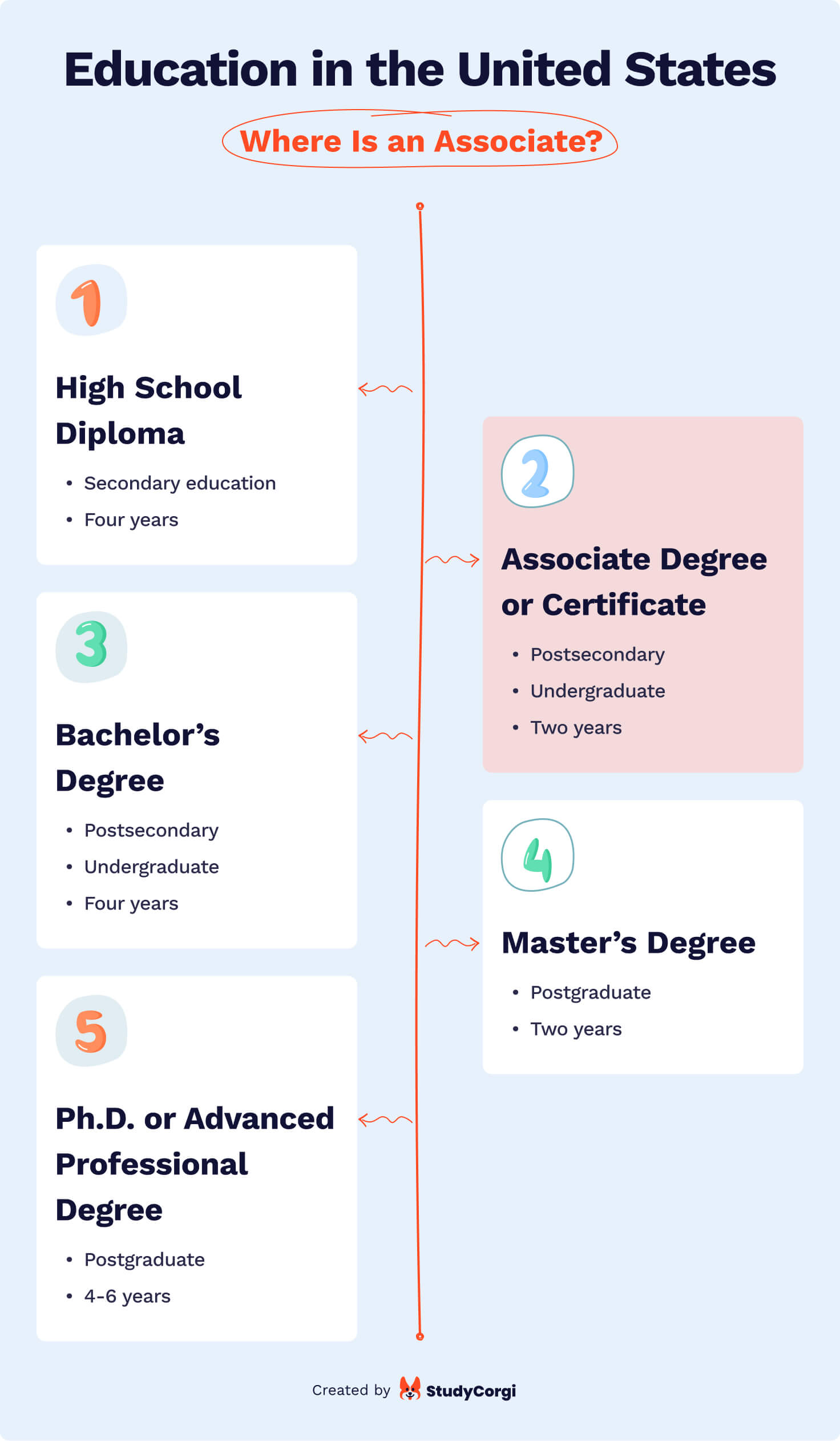
The labor market in 2026 continues to shift toward a skills-first hiring model. While the traditional four-year bachelor’s degree remains a standard for many corporate roles, the demand for specialized technical proficiency has elevated the earning potential of associate degree holders. In many technical and medical sectors, an Associate of Applied Science (AAS) or an Associate of Science (AS) provides the exact clinical or technical hours required for licensure, allowing graduates to enter high-pay brackets two years earlier than their university counterparts.
This "speed to market" is a critical financial advantage. By entering the workforce at age 20 or 21, these professionals avoid two additional years of tuition debt and gain two years of compounding interest on their early earnings. Furthermore, the 2026 economy faces a persistent shortage of middle-skill workers—those who require more than a high school diploma but less than a four-year degree—which keeps wages high and job security robust in these specific niches.
Top High-Paying Associate Degrees by Industry
Identifying the right program requires looking beyond generic titles. The highest-paying associate degrees are almost always found in industries with high barriers to entry, such as federal regulation, complex medical machinery operation, or specialized infrastructure maintenance.
Air Transportation and Aviation
The aviation sector remains the highest-paying field for associate degree holders. The Federal Aviation Administration (FAA) requires specific training that can be completed through approved collegiate programs.
- Air Traffic Controllers: This remains the highest-paying role accessible with an associate degree. Controllers are responsible for the safe movement of aircraft in the national airspace. The path requires an associate degree from an FAA-approved Air Traffic-Collegiate Training Initiative (AT-CTI) program. Due to the high stress and mandatory retirement age, the pay is exceptional, often exceeding $140,000 for experienced controllers at busy hubs.
- Avionics Technicians: As aircraft become increasingly reliant on complex digital systems and autonomous flight aids, avionics technicians who specialize in radar, communication, and navigation systems are seeing significant wage growth. An associate degree in avionics or electronic systems technology is the standard entry point.
Specialized Healthcare Diagnostics and Therapy
Healthcare continues to dominate the "high-pay, two-year-degree" lists because many diagnostic roles require hands-on clinical mastery rather than four years of liberal arts education.
- Radiation Therapists: These professionals administer prescribed courses of radiation treatment to cancer patients. The role requires an associate degree in radiation therapy, and most states require professional licensure. In 2026, the aging population has driven demand for these specialists, pushing median salaries toward the $95,000 mark.
- Nuclear Medicine Technologists: Operating highly complex equipment that uses radiopharmaceuticals to create images of a patient’s body, these technologists bridge the gap between chemistry and imaging. An associate degree from a program accredited by the Joint Review Committee on Educational Programs in Nuclear Medicine Technology (JRCNMT) is the primary requirement.
- Dental Hygienists: While some pursue a bachelor's, the Associate of Applied Science in Dental Hygiene is the clinical standard. Hygienists provide preventative care and examine patients for oral diseases. The high demand for dental services and the specialized nature of the equipment ensure salaries often exceed $85,000.
Engineering and Industrial Technology
Modern manufacturing and infrastructure rely on technicians who can bridge the gap between theoretical engineering and physical implementation.
- Aerospace Engineering and Operations Technicians: These technicians assist in the design, development, and testing of aircraft and spacecraft. With the continued expansion of private space exploration and advanced drone logistics in 2026, those with an associate degree in aerospace technology are highly sought after.
- Electrical and Electronic Engineering Technicians: These specialists help design and build computers, communications equipment, and medical devices. As the "electrification of everything" (from EVs to smart grids) continues, these roles offer stable, high-paying career paths for those with a technical associate degree.
Comparison of High-Earning Associate Degree Roles
The following table summarizes the key metrics for the top-performing associate degrees in the 2026 labor market. Salary data is based on median projections and varies by geographic location and experience.
| Career Title | Degree Required | 2026 Median Salary (Est.) | Primary Skill Set | Job Growth Outlook |
|---|---|---|---|---|
| Air Traffic Controller | Associate (AT-CTI) | $142,500 | Coordination & Stress Mgmt | Stable |
| Radiation Therapist | Associate (Radiography) | $96,200 | Clinical Oncology/Physics | Above Average |
| Nuclear Medicine Tech | Associate (Nuclear Med) | $91,800 | Radiopharmaceuticals | Average |
| Dental Hygienist | Associate (Dental Hygiene) | $88,400 | Preventive Oral Care | High |
| Diagnostic Sonographer | Associate (Sonography) | $84,100 | Ultrasound Imaging | Above Average |
| Aerospace Technician | Associate (Aero Tech) | $79,500 | Testing & Calibration | Average |
| Web Developer/UX | Associate (Comp Sci) | $82,000 | Programming/Design | High |
| MRI Technologist | Associate (MRI Tech) | $81,300 | Magnetic Resonance Imaging | Average |
Prerequisites and Academic Requirements
While these degrees take only two years to complete, they are often more rigorous than a standard general education track. Prospective students should be prepared for the following:
- Strict Accreditation: For a degree to lead to a high-paying job, the program must be accredited by industry-specific bodies. For example, a nursing degree must be accredited by the Accreditation Commission for Education in Nursing (ACEN), and an engineering tech degree often requires ABET accreditation.
- Clinical and Lab Hours: Healthcare and engineering programs require significant on-site hours. This often means students cannot work full-time while completing their second year, as clinical rotations or lab sessions mimic a standard work week.
- Licensing Exams: In almost every high-paying field, the degree is simply the prerequisite to sit for a national or state exam. For example, Diagnostic Medical Sonographers must pass exams from the American Registry for Diagnostic Medical Sonography (ARDMS).
- Mathematical Proficiency: High-paying technical roles generally require a strong foundation in algebra, trigonometry, and sometimes basic calculus or physics.
The ROI Factor: Associate vs. Bachelor’s Degrees
When evaluating "high pay," it is essential to consider the net worth impact rather than just the gross salary. A student graduating from a community college with an associate degree in 2026 may pay between $10,000 and $25,000 for their total education. In contrast, a four-year university degree can easily exceed $100,000.
If a Dental Hygienist earns $88,000 after two years of study, and a Marketing Manager earns $88,000 after four years of study, the Hygienist is financially superior for the first decade of their career. The Hygienist has two years of additional income and significantly less debt to service. However, it is important to note that some associate degree roles have lower "salary ceilings." To move into executive management or advanced specialized research, a transition to a bachelor’s or master’s degree may eventually be necessary. Many employers in 2026 offer tuition reimbursement for this exact purpose, allowing associate degree holders to upgrade their credentials while earning a full-time salary.
Identifying and Avoiding "Low-Value" Degrees
Not all associate degrees lead to high pay. Prospective students should exercise caution with degrees in general studies, liberal arts, or fine arts if the primary goal is immediate financial return. While these degrees are excellent for transferring to a four-year institution, they rarely provide the specific, marketable skills required to command a high salary immediately upon graduation.
To verify the value of a program, students should request the "Graduate Placement Rate" and "Median Starting Salary" for the specific program from the college's admissions office. Reputable programs will have strong ties to local industries and high passage rates on state licensing exams.
Common Mistakes When Pursuing an Associate Degree
A frequent error is choosing a program based on the school's name rather than its accreditation. In technical fields, an employer cares significantly more about your FAA certification or your ASRT credentials than whether you attended a prestigious private college or a local community college.
Another mistake is neglecting the "continuing education" requirements. High-paying technical roles are high-paying because they involve rapidly evolving technology. Professionals in these fields must be prepared for lifelong learning and periodic re-certification to maintain their licenses and their high earning status.
Frequently Asked Questions
Can I really earn six figures with only an associate degree in 2026?
Yes, but it is limited to specific fields. Air Traffic Controllers frequently earn six figures, especially when including overtime and locality pay. Senior Radiation Therapists and specialized Dental Hygienists in high-cost-of-living areas also reach the $100,000 threshold. Most other "high-pay" associate degrees peak in the $85,000 to $95,000 range.
Are these jobs at risk of being replaced by AI?
Most high-paying associate roles involve physical tasks, clinical judgment, or high-stakes human oversight that AI cannot yet replicate. For example, while AI can assist in analyzing medical images, a Nuclear Medicine Technologist is required to physically handle radiopharmaceuticals and manage patient safety. Similarly, Air Traffic Control relies on human accountability for life-safety decisions.
How do I know if a community college program is reputable?
Check for specialized accreditation (like CAAHEP for healthcare or ABET for tech) and ask for the program’s board exam pass rates. If a program's graduates consistently fail their licensing exams, the degree is functionally useless for high-pay employment.
Is it better to get an Associate of Arts (AA) or an Associate of Applied Science (AAS)?
For immediate high pay, the Associate of Applied Science (AAS) is generally superior. It is designed to lead directly to employment. The AA is typically designed for students who intend to transfer to a four-year university and often lacks the specialized technical training required for high-wage vocational roles.
Are there high-paying remote jobs for associate degree holders?
Yes, particularly in tech. Web development, cybersecurity, and specialized computer programming roles often accept associate degrees combined with a strong portfolio or industry certifications (like CompTIA Security+). These roles offer the highest potential for remote work compared to the clinical or hands-on roles in healthcare and aviation.
Do I need a high GPA for these programs?
Many high-paying associate programs, particularly in healthcare, are "competitive entry." This means they have a limited number of seats and admit students based on their grades in prerequisite courses (like Anatomy or College Algebra) and entrance exam scores (like the TEAS or HESI).
Practical Recommendation
If your primary goal is to maximize income while minimizing time in school, your next step should be to research Specialized Allied Health or Aviation Technology programs at your local community college. Verify that the program is accredited by the relevant national body and inquire about their "employer partnership" programs. Securing an internship or clinical placement during your studies is often the direct bridge to a high-paying job offer before graduation.