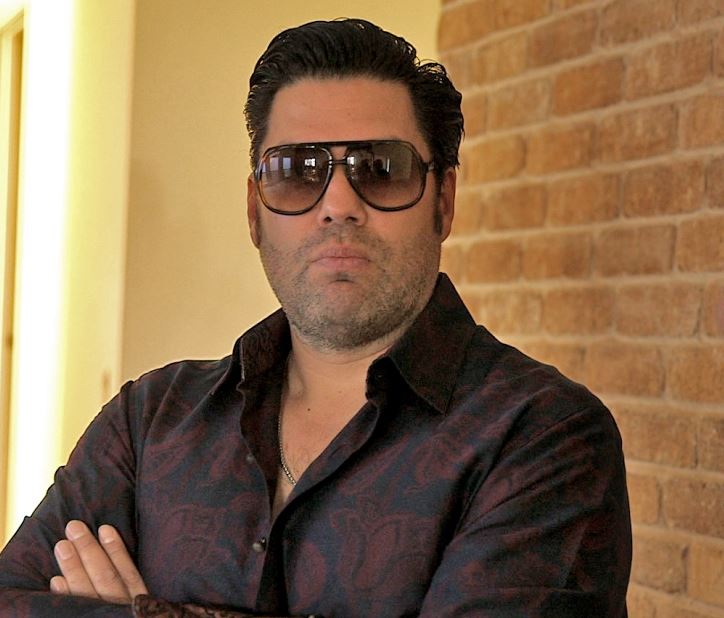
As of 2026, the financial legacy of Armando Sotres remains a subject of significant interest, particularly for those tracing the history of Mexico’s "Golden Age" of tourism and the origins of its elite social circles. While Armando Sotres passed away in 2017, his estate—built upon a foundation of luxury hospitality, prime Acapulco real estate, and high-society branding—continues to be valued in the multi-million dollar range. During the height of his career in the 1960s and 70s, Sotres was the undisputed king of Acapulco’s nightlife, catering to Hollywood icons and global royalty, which allowed him to amass a fortune that transcended simple business revenue.
The Architect of Acapulco’s Golden Era
To understand the net worth of Armando Sotres, one must first analyze the economic landscape of Acapulco between 1960 and 1980. During this period, the city was not merely a resort town; it was the global epicenter of luxury. Sotres was the primary architect of this scene. His flagship establishment, Armando’s Le Club, was the first disco-style nightclub in Mexico, predating the international explosion of the genre.
The revenue generated by Le Club was unprecedented for its time. Unlike modern franchises, Le Club relied on extreme exclusivity. Sotres pioneered the "membership" model in Mexican nightlife, where entry wasn’t just about the price of a cover charge, but about social standing. This exclusivity allowed for high-margin pricing on premium spirits and services, creating a cash-flow-heavy business that served as the engine for his broader investments.
Diversification into Real Estate and Hospitality
Sotres did not keep his wealth static. He understood that the real value in a booming tourist destination lay in the soil. Throughout the 1970s, he invested heavily in residential and commercial real estate along the Acapulco bay. In 2026, these land holdings—many of which remain within his family estate or have been liquidated into diversified portfolios—represent a substantial portion of his historical net worth.
The valuation of Acapulco real estate from that era has seen multiple cycles of volatility. However, the prime "Diamond Zone" and the traditional bay-front properties acquired during Sotres’ peak years have maintained their status as high-value assets. Financial analysts estimating the Sotres estate often look at the appreciation of these land parcels, which have increased in value by over 1,000% since their initial acquisition.
Estimating the Total Asset Value
Pinpointing an exact figure for a private individual's net worth after their passing requires looking at estate disclosures and the scale of their business operations. At his peak, Armando Sotres’ net worth was estimated to be between $15 million and $30 million USD (adjusted for inflation to contemporary 2026 standards). This wealth was distributed across several key categories:
| Asset Category | Estimated Value Contribution | Primary Sources |
|---|---|---|
| Hospitality Brands | High | Armando's Le Club, Barbarella, Armando's Taj Mahal |
| Prime Real Estate | Very High | Acapulco Bayfront properties, Mexico City holdings |
| Intellectual Property | Moderate | Licensing of the "Armando's" name and legacy |
| Private Investments | Moderate | Diversified equities and early tourism ventures |
The Revenue Power of "Armando's"
The brand name "Armando’s" was, for decades, synonymous with the highest tier of luxury. Even after the original clubs closed or changed hands, the intellectual property associated with the name carried significant weight. In the 2020s, there has been a resurgence in "vintage luxury" branding, which has kept the intangible value of his estate relevant.
The operational revenue of his businesses was boosted by his personal relationships. Sotres was more than a manager; he was a socialite who counted Frank Sinatra, Elizabeth Taylor, and Teddy Kennedy among his frequent guests. This celebrity endorsement—unpaid but incredibly lucrative—ensured that his establishments were always at 100% capacity during the high season, with profit margins that far exceeded the industry standard for the mid-20th century.
Family Connections and Wealth Transition
A significant portion of the public’s fascination with Armando Sotres’ net worth stems from his connection to other prominent Mexican families. Sotres was the father of Issabela Camil (born Erika Ellice Sotres Starr), a well-known actress and socialite. Following his divorce from Tony Starr, who later married the billionaire businessman Jaime Camil Sr., the family dynamics became a focal point of Mexican media.
While the wealth of the Camil family is often cited in the hundreds of millions, the Sotres estate remains a distinct entity. The inheritance and transition of Armando’s assets were handled through private family trusts. In 2026, the beneficiaries of his estate continue to benefit from the long-term appreciation of his real estate holdings and the residual income from his past business ventures.
Impact of the Acapulco Decline and Rebirth
The late 1990s and early 2000s saw a shift in Acapulco’s status, which affected the valuation of many local businesses. As security concerns and competition from Cancun grew, the immediate liquidity of Acapulco-based assets decreased. However, Sotres was known for having a diversified portfolio that included assets in Mexico City and international investments. This diversification protected his total net worth from the localized economic downturn of the Acapulco tourism sector.
The Lifestyle of a Jet-Set Mogul
Armando Sotres lived a life that mirrored the luxury he sold. His personal expenditures—including high-end automobiles, international travel, and hosting lavish parties—were a form of marketing in themselves. In the world of high-society hospitality, the owner must be the "First Guest."
This lifestyle necessitated a high liquid net worth. Sotres was known for his impeccable fashion and his ability to move through the highest circles of European and American society. This "social capital" is often overlooked in net worth calculations, but for a man in the hospitality industry, it was his most valuable asset. It allowed him to secure favorable terms on loans, attract elite investors, and maintain a brand that never required traditional advertising.
Historical Milestones of the Sotres Empire
To grasp the magnitude of his wealth, one must look at the timeline of his most successful ventures:
- The Opening of Armando’s (1960s): This marked the shift from traditional dining to "entertainment dining." The margins on alcohol and the prestige of the guest list set the foundation for his fortune.
- Expansion to Barbarella: As the disco era took hold, Sotres expanded his footprint, capturing a younger, equally wealthy demographic.
- Real Estate Acquisition Phase: Utilizing the profits from his clubs, Sotres acquired land that would later become some of the most expensive real estate in Mexico.
- Legacy Phase (Post-2000): Transitioning from active management to estate management, focusing on the preservation of wealth for the next generation.
Comparing the Wealth: Sotres vs. Modern Moguls
When comparing Armando Sotres’ net worth to modern hospitality giants, it is important to adjust for the era. In 1975, a net worth of $10 million was equivalent to having over $50 million today. Sotres operated in an era of "boutique luxury," where personal ownership was more common than corporate conglomerates. While he may not have reached the multi-billionaire status of modern hotel magnates, his influence over the luxury sector in Mexico was arguably greater than any single individual today.
His wealth was not just in the bank; it was in his ability to dictate the tastes of a nation’s elite. When Armando Sotres decided a specific beach or a specific drink was "in," the market followed, providing him with early-mover advantages that translated directly into financial gain.
FAQs About Armando Sotres and His Estate
Who inherited Armando Sotres' fortune?
The estate was primarily divided among his children, including Issabela Camil (Erika Sotres) and her siblings. The transition was managed through private legal structures to ensure the continued management of his real estate assets and brand legacy.
Was Armando Sotres richer than Jaime Camil Sr.?
No, Jaime Camil Sr. was a diversified industrialist and investor with a significantly larger net worth, often estimated in the hundreds of millions. However, Armando Sotres held a different kind of "social wealth" and was a pioneer in the industry that the Camil family eventually moved within.
Does Armando's Le Club still exist in 2026?
The original Armando's Le Club is a piece of history, but the brand lives on through various tribute projects and historical retrospectives. The physical location has undergone various transformations over the decades, reflecting the changing landscape of Acapulco.
How did Armando Sotres make his first million?
His initial wealth was generated through the success of his first restaurant and nightclub in Acapulco. By identifying a gap in the market for high-end, exclusive nightlife that appealed to international travelers, he was able to generate high returns very quickly.
What happened to his properties in Acapulco?
Many of his properties remain part of the family estate or have been sold to developers for the construction of modern luxury condominiums. The value of these land parcels remains high due to their historical location and panoramic views of the bay.
Final Recommendation: Lessons from a Legacy
For those studying the life of Armando Sotres, the primary takeaway is the importance of asset diversification. Sotres succeeded because he leveraged a high-cash-flow business (nightclubs) to purchase appreciating assets (real estate). In 2026, his story serves as a blueprint for entrepreneurs in the hospitality sector: the business creates the wealth, but the real estate preserves it.
If you are looking to build a legacy similar to Sotres, focus on building a brand that defines an era, but ensure that the profits are redirected into tangible assets that can withstand economic shifts. The "Armando Sotres net worth" is more than just a number; it is a testament to the power of cultural influence and strategic investment in the luxury market.