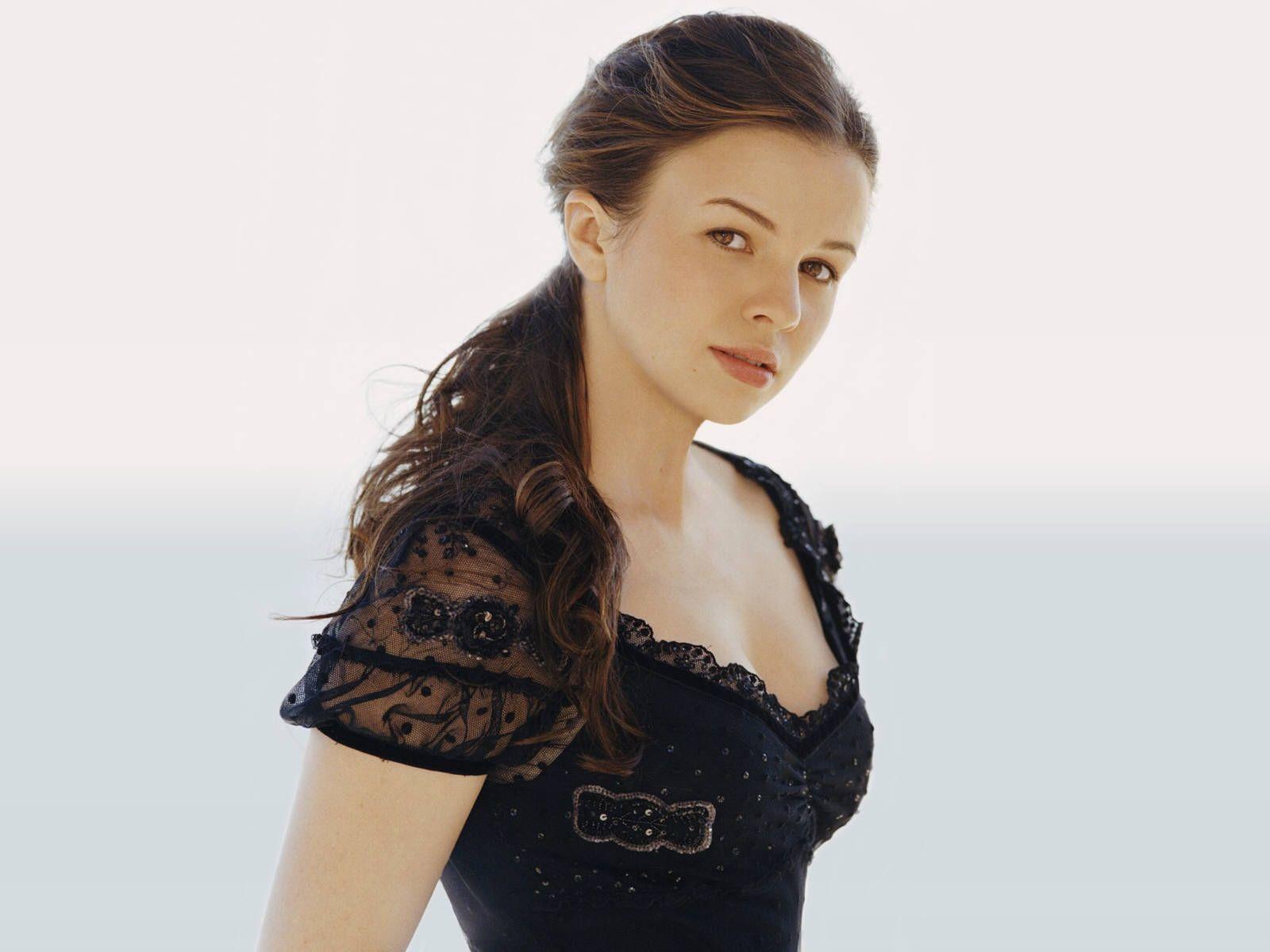
Amber Tamblyn is an acclaimed American actress, author, director, and activist whose public career spans decades of cultural commentary. The phrase "Amber Tamblyn the witch advocate" highlights her distinct body of literary work, public speaking, and political activism that deconstructs how society historically demonizes autonomous women—often labeled as "witches"—while advocating for female intuition, bodily autonomy, and systemic gender equity.
Defining Amber Tamblyn’s Advocacy and Cultural Impact
To understand Amber Tamblyn’s role as a cultural advocate, one must look beyond her screen credits in productions such as Joan of Arcadia, The Sisterhood of the Traveling Pants, and House. Over the past decade, Tamblyn has established herself as a formidable voice in third- and fourth-wave feminist activism, poetry, and essay collection.
Her advocacy operates at the intersection of political activism, literary curation, and cultural critique. Rather than promoting literal occult practice, her work frequently engages with the "witch" as a historical, political, and psychological metaphor. Throughout history, the label of "witch" was systematically applied to women who possessed unapproved knowledge, held economic independence, practiced non-traditional healing, or challenged patriarchal authority. Tamblyn’s commentary reclaims this archetype, framing female intuition, anger, and solidarity as vital tools for modern social justice.
- Historical Trope: Labeling Autonomous Women as "Witches" / Threats
- Modern Advocacy: Reclaiming Intuition & Agency Through Art & Activism
Her public engagement gained national prominence during the emergence of the #MeToo movement and the founding of Time’s Up in late 2017. As a co-founder of Time’s Up, Tamblyn worked alongside industry peers to address workplace harassment, gender pay disparities, and systemic abuse within Hollywood and broader labor sectors. This structural activism directly informs her writing, where she frequently examines how society attempts to silence vocal women.
Literary Works Exploring Intuition, Anger, and Reclamation
Tamblyn’s published bibliographies provide the primary foundation for her intellectual advocacy. Through poetry, memoirs, and curated anthologies, she explores themes of female agency, performance pressure, and the internal wisdom that traditional structures attempt to suppress.
Dark Sparkler (2015)
In Dark Sparkler, Tamblyn published a poignant collection of poetry exploring the tragic, short lives of child stars and young actresses who died prematurely in Hollywood. The book acts as an investigation into how the entertainment industry consumes young women. By combining poetic biographies with personal journal entries detailing her own psychological toll while writing the book, Tamblyn exposes the dark mechanics of fame, objectification, and institutional neglect.
Era of Ignition: Coming of Age in a Time of Rage and Revolution (2019)
Part memoir and part political manifesto, Era of Ignition documents Tamblyn’s personal and political awakening during a period of massive cultural upheaval. In this work, she addresses:
- The illusion of Hollywood success: Navigating an industry designed to commodify youth and enforce silence.
- Political mobilization: Moving from passive awareness to active organizing in the wake of pivotal elections and systemic reckonings.
- Intersectional feminism: Recognizing the necessity of centering marginalized, Black, Indigenous, and LGBTQ+ voices in broader gender-equity movements.
Listening in the Dark: Women on Intuition (2022)
Perhaps her most direct engagement with the concept of "the witch" and inner knowing is the anthology Listening in the Dark, edited by Tamblyn. The collection features essays from prominent writers, activists, and thinkers—including Amy Poehler, Jessica Valenti, Congresswoman Ayanna Pressley, and Lidia Yuknavitch—exploring the concept of female intuition.
In her introduction and commentary, Tamblyn argues that female intuition has historically been dismissed as irrational, hysterical, or dangerous—the very traits once used to condemn women during historical witch trials. By reframing intuition as a sharp, intellectual, and protective instinct, the anthology functions as a guide for women to trust their internal authority in a world that routinely gaslights female experience.
| Title / Project | Publication / Era | Primary Focus & Advocacy Themes |
|---|---|---|
| Dark Sparkler | 2015 | Exploitation of young women in media and Hollywood |
| Time's Up Movement | Co-founded 2017 | Anti-harassment, workplace equity, legal defense funds |
| Era of Ignition | 2019 | Personal activism, systemic power, political reform |
| Listening in the Dark (Editor) | 2022 | Reclaiming intuition, female agency, rejecting stigma |
| Cultural Commentary & Columns | Ongoing | Reproductive rights, gender violence, body autonomy |
Deconstructing the "Witch Hunt" Narrative in Modern Politics
A central theme in Tamblyn’s advocacy is the public critique of how the phrase "witch hunt" is weaponized in modern political discourse. Historically, actual witch hunts targeted vulnerable, marginalized individuals—overwhelmingly women—who lacked legal defense or political power.
In contrast, contemporary public discourse often sees powerful figures co-opting the term "witch hunt" to shield themselves from accountability when facing lawful investigation or public criticism. Tamblyn has repeatedly pointed out this rhetorical inversion:
- Historical Reality vs. Modern Rhetoric: Historical witch trials were state-sanctioned persecutions of the powerless. Modern invocations by high-profile men invert the metaphor to portray accountability as unfair persecution.
- The Demonization of Female Anger: When women organize, protest, or speak publicly against institutional abuse, public commentary frequently relies on ancient tropes of the "crazed," "hysterics," or "wicked" woman.
- Reclaiming the Symbolic Witch: Rather than rejecting the label, feminist advocates like Tamblyn encourage embracing the qualities historically condemned: independence, deep intuition, community care outside state structures, and uncompromising truth-telling.
Key Pillars of Tamblyn’s Social and Political Advocacy
Tamblyn’s activism spans multiple structural causes within the contemporary human rights landscape. Her work connects theoretical literature to practical civic engagement.
1. Reproductive Freedom and Bodily Autonomy
Tamblyn has been an outspoken champion for reproductive rights, healthcare access, and bodily autonomy. Following legislative shifts and legal challenges surrounding reproductive healthcare in the United States, she has utilized op-eds, social media platforms, and public demonstrations to mobilize support for abortion access and maternal healthcare resources.
2. Supporting Survivors of Gender-Based Violence
Through her involvement with activist networks and independent writing, Tamblyn emphasizes trauma-informed support for survivors of sexual assault and domestic violence. Her advocacy stresses the importance of structural reforms—such as ending nondisclosure agreements (NDAs) that conceal systemic abuse in corporate and entertainment environments.
3. Intersectional Solidarity and Curation
In her editorial projects and speaking engagements, Tamblyn prioritizes platforming historically underrepresented voices. Recognizing that early feminist movements often excluded women of color, lower-income workers, and disabled individuals, her work attempts to center intersectionality as a prerequisite for any meaningful progress.
Practical Application: How to Engage with Intuitive Advocacy
For readers looking to translate the themes found in Tamblyn's writing into practical civic or personal steps, modern advocacy offers several actionable avenues.
- Identify Systemic Issues
- Trust Internal Intuition/Data
- Implementation Pathways:
- Community Organizing
- Local mutual aid
- Supporting reproductive rights
- Literary & Cultural
- Amplifying marginalized voices
- Rejecting silence & shame
- Community Organizing
Cultivating Personal Intuition as a Decision Tool
- Recognize Internal Signals: Practice distinguishing between anxiety and gut-level intuition when assessing professional or personal safety.
- Document Experiences: Keep detailed records of workplace misconduct, boundary violations, or discriminatory practices, trusting your initial perception rather than second-guessing your reality.
Engaging in Structural Advocacy
- Support Legal Defense Funds: Contribute to or volunteer with organizations providing legal aid to survivors of harassment and workplace discrimination.
- Amplify Independent Media and Authors: Read and share literature by women, non-binary authors, and marginalized creators who challenge prevailing social narratives.
- Participate in Local Governance: Attend city council meetings, school board sessions, and legislative hearings where decisions regarding bodily autonomy and community welfare are made.
Frequently Asked Questions
Is Amber Tamblyn a practicing witch or Wiccan?
Amber Tamblyn’s public work primarily uses the archetype of the "witch" as a historical, political, and literary metaphor for female autonomy, intuition, and resistance against patriarchal structures. While she engages deeply with feminist spirituality, intuition, and historical witch-hunt symbolism, her primary public role is that of an author, activist, director, and cultural commentator.
What is Amber Tamblyn’s book Listening in the Dark about?
Listening in the Dark: Women on Intuition (2022) is an essay collection edited by Amber Tamblyn. It brings together contributions from female writers, politicians, actors, and activists to discuss how women can reclaim and trust their intuition. The book challenges the historical dismissal of female instinct as "irrational" or "dangerous," reframing it as a vital form of knowledge.
How was Amber Tamblyn involved with the Time’s Up movement?
Amber Tamblyn was one of the key co-founders of Time’s Up, an organization launched in late 2017 by prominent women in Hollywood. The movement was formed to combat sexual harassment, assault, and systemic inequality in entertainment and other industries, establishing a legal defense fund to support low-income workers facing workplace abuse.
What does "the witch advocate" signify in contemporary feminist literature?
In modern feminist literature, advocating for "the witch" signifies reclaiming an archetype that was historically demonized. It refers to defending women's independence, bodily autonomy, esoteric or non-traditional knowledge, and right to express anger without being branded as dangerous, hysterical, or subversive by societal institutions.
Next Steps for Exploration
To deepen your understanding of these literary and activist themes:
- Read Core Texts: Examine Amber Tamblyn's Listening in the Dark alongside historical texts like Silvia Federici’s Caliban and the Witch to understand the historical connection between gender, labor, and witch trials.
- Track Local Healthcare Policy: Stay informed on state and national legislation concerning reproductive autonomy and workplace anti-harassment protections.
- Engage with Feminist Curation: Follow contemporary essayists, poets, and organizers who utilize art and literature as primary mechanisms for civic reform.