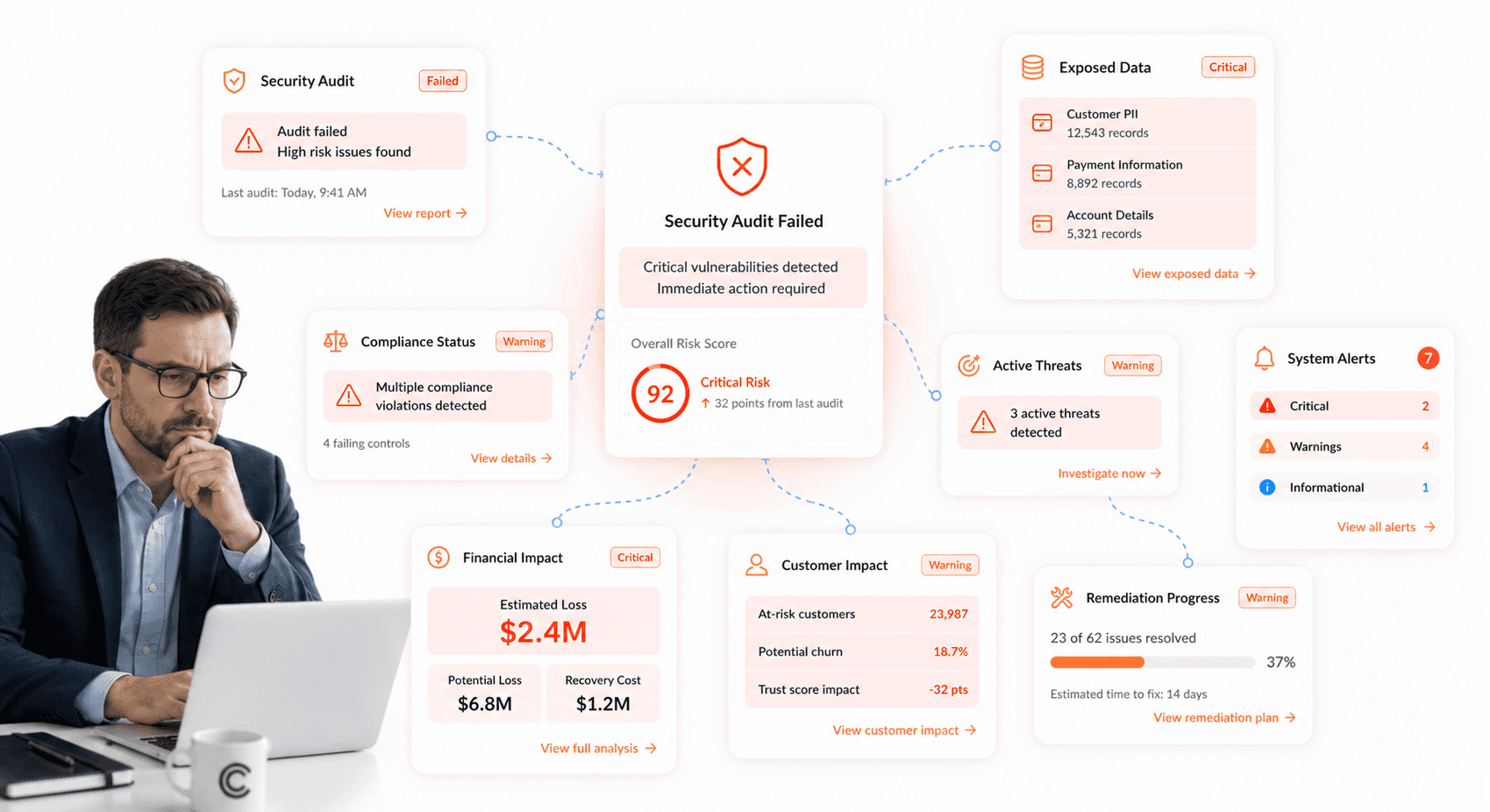
AllWebs (All Web Leads) fails consumer trust primarily through its high-volume data-sharing model, where a single inquiry for an insurance quote triggers an overwhelming influx of unsolicited telemarketing calls. This "avalanche effect," combined with perceived lack of transparency regarding third-party data distribution, creates significant friction between the platform's utility and user privacy expectations.
Understanding the AllWebs Business Model and Ecosystem
To understand why trust issues permeate the AllWebs experience, one must first examine the mechanics of the insurance lead generation industry. AllWebs, operating under the corporate banner of All Web Leads (AWL), functions as a massive clearinghouse for consumer intent. They do not typically provide insurance themselves; rather, they operate a network of consumer-facing websites designed to capture Personal Identifiable Information (PII) from individuals searching for auto, home, health, or life insurance.
By 2026, the landscape of lead generation has shifted toward stricter data privacy, yet the core objective remains the same: capturing a "lead" and selling it to as many interested parties as possible. When a consumer enters their details on an AllWebs-owned property, they are often unaware that they are not just requesting a quote from one provider, but are instead consenting to have their information auctioned in real-time.
The platform's failure in the eyes of the consumer often begins at the point of capture. The websites are designed with high-conversion UI/UX patterns that prioritize speed and ease of entry. However, the legal disclosures—often buried in "click-wrap" agreements or fine print—grant the platform permission to share that data with a "network of partners." To a consumer, "partners" might imply a few reputable insurance carriers. In reality, this can include dozens of independent agents, secondary lead brokers, and marketing firms.
The Primary Drivers of Consumer Mistrust
The erosion of trust is rarely the result of a single interaction but rather a systemic failure to align the platform’s business goals with the consumer’s desire for a streamlined, private shopping experience.
The "Avalanche Effect" of Unsolicited Contact
The most common complaint regarding AllWebs involves the immediate and aggressive volume of phone calls, SMS messages, and emails that follow a quote request. Because the leads are sold to multiple competing agents simultaneously, the "speed to lead" becomes a race. In 2026, automated dialing technology has only become more efficient, meaning a consumer might receive ten or more calls within the first five minutes of clicking "Submit."
This experience feels predatory to the average user. While the platform may have obtained legal consent through its Terms of Service, the spirit of that consent is often violated in the user's mind. They expect a quote; they receive a barrage of interruptions. This disconnect is the fundamental catalyst for the failure of trust.
Ambiguity in Data Sharing Agreements
Transparency is the cornerstone of digital trust. AllWebs and similar aggregators often utilize broad language in their privacy policies. In 2026, while state-level regulations like the CCPA/CPRA (California) and various other state privacy acts have forced more disclosure, the sheer complexity of "Partner Lists" remains a barrier.
When a user sees a list of 500+ potential "marketing partners," the concept of informed consent becomes functionally impossible. Consumers feel misled when they realize their data isn't just going to a provider like State Farm or Geico, but is being traded in a secondary market where its ultimate destination is untraceable.
The "Bait and Switch" Pricing Perception
Another technical friction point involves the accuracy of the quotes provided on the initial landing pages. Lead generation sites often use "teaser" rates or estimates based on minimal data to keep the user engaged. When an actual insurance agent calls the consumer and runs a full underwriting report—including MVR (Motor Vehicle Record) and credit-based insurance scores—the price almost inevitably increases.
The consumer does not blame the agent for this discrepancy; they blame the platform that provided the initial "low" quote. This perceived "bait and switch" undermines the platform's credibility as a reliable source of financial information.
Regulatory Shifts and the Impact on Platform Integrity
The year 2025 marked a significant turning point for platforms like AllWebs due to the Federal Communications Commission (FCC) ruling on "One-to-One Consent." Before this shift, lead generators could use a single "I agree" checkbox to authorize calls from hundreds of "marketing partners."
By 2026, the regulation requires that a consumer must give express written consent to each individual caller. While this was intended to restore trust, the implementation has been messy. Many platforms have attempted to circumvent the spirit of the law through complex "cascading" checkboxes or hidden menus. When consumers encounter these "dark patterns," their trust in the platform's integrity diminishes further. They perceive the platform as an entity that prioritizes loophole-finding over user protection.
The Impact of Lead Decay and Technical Friction
Trust is also compromised by the technical reality of how leads are handled. In many cases, AllWebs sells "aged leads" or recycled data.
- Lead Decay: If a consumer's information is sold weeks or months after the initial inquiry, the subsequent calls feel even more intrusive because the consumer has often already purchased a policy or moved on.
- Data Integrity: Errors in data transmission—such as incorrect phone numbers or misspelled names—result in "wrong number" calls. When a consumer receives a call for "John" when their name is "Sarah," and this happens repeatedly, they view the platform as incompetent or fraudulent.
- Opt-Out Difficulty: While AllWebs provides mechanisms to opt-out, the decentralized nature of their "partner network" means that opting out with AllWebs does not stop the calls from the agents who already purchased the data. This creates a "whack-a-mole" scenario for the consumer, leading to long-term brand resentment.
Comparative Analysis: AllWebs vs. Privacy-First Models
To understand why AllWebs is failing, it is useful to compare it against the emerging "Privacy-First" or "Direct-to-Consumer" (DTC) models that have gained traction by 2026.
| Feature | AllWebs / Traditional Aggregator | Modern Privacy-First Platforms |
|---|---|---|
| Data Distribution | Sold to multiple third parties (Multi-fill) | Shared only with selected carriers |
| Initial Contact | Immediate automated phone barrage | User-initiated contact or scheduled calls |
| Consent Model | Broad, multi-partner "blanket" consent | Granular, one-to-one selection |
| Pricing Accuracy | Low (Estimated/Teaser rates) | High (Real-time API integration) |
| User Control | Limited after data is sold | Full data deletion/revocation tools |
| Transparency | Complex, buried legal disclosures | Clear, "plain English" privacy summaries |
The "Middleman" Problem: Agent vs. Consumer
A unique aspect of the AllWebs trust failure is that it often fails both the consumer and the insurance agent, creating a cycle of mutual frustration.
- For the Consumer: The platform is a source of harassment and privacy invasion.
- For the Agent: The platform often provides "shared leads" that are sold to five other agents. The agent, having paid for the lead, feels pressured to call the consumer 20 times a day just to get them on the phone before a competitor does.
Because the agent is frustrated, their tone on the phone may be aggressive or desperate. The consumer associates this negative interaction with the AllWebs platform that started the chain reaction. In 2026, the "death of the shared lead" is a frequent topic in industry journals, as consumers move toward platforms that offer a "concierge" or "one-on-one" experience.
How Consumers Can Protect Their Privacy on Lead Platforms
If a user must use an aggregator like AllWebs, there are several technical steps they can take to mitigate the loss of trust and privacy. By 2026, these have become standard operating procedures for savvy digital shoppers.
- Use a Burner Number: Utilizing services like Google Voice or specialized privacy apps allows users to provide a functional phone number that can be muted or deleted once the shopping process is complete.
- Secondary Email Addresses: Providing a dedicated "spam" email prevents the primary inbox from being overwhelmed by automated marketing sequences.
- Explicit "Do Not Call" Requests: Consumers should know that even if they "consented" initially, stating "Put me on your internal do-not-call list" to every caller is a legal requirement that agents must honor under TCPA guidelines.
- State Privacy Rights: Residents of states like California, Virginia, and Colorado should use their "Right to Delete" or "Right to Opt-Out of Sale" immediately after receiving their initial quotes.
Frequently Asked Questions
Is AllWebs (All Web Leads) a legitimate company?
Yes, AllWebs is a legitimate business and one of the largest insurance lead generators in the United States. However, "legitimate" does not necessarily mean "consumer-friendly." Their business model is built on the high-volume sale of consumer data, which often results in an experience that many users find intrusive or deceptive.
Why did I start getting dozens of calls after visiting an AllWebs site?
When you submit your information, you are likely agreeing to a "Consent to Contact" provision. This allows the platform to sell your data to multiple insurance agents and marketing firms. Each of these entities uses automated dialing systems to contact you as quickly as possible, leading to the sudden surge in calls.
Can I stop the calls once they have started?
Stopping the calls is difficult because your data has already been distributed to multiple independent parties. You must ask each individual caller to put you on their "Internal Do-Not-Call List." Opting out on the main AllWebs website will generally stop them from selling your data again, but it will not recall the data already sold.
Does AllWebs sell my Social Security Number?
Generally, lead generators like AllWebs do not ask for or sell Social Security Numbers on initial quote forms. They primarily deal in "contact leads" (name, address, phone, email, and basic vehicle/home info). However, the information they do collect is enough for insurance companies to run "soft" credit pulls to estimate your rates.
How does the 2025 FCC "One-to-One" rule affect AllWebs?
The ruling requires lead generators to obtain specific consent for each individual company that wants to call you. In theory, this should mean you only get calls from the companies you specifically check a box for. In practice, platforms are still refining their interfaces, and users should be extremely careful about which boxes they check during the quote process in 2026.
Are the quotes provided by AllWebs accurate?
Rarely. The quotes shown on the website are typically estimates based on generalized data. Your actual insurance premium can only be determined after a licensed agent runs a comprehensive report on your driving history, claims history, and credit score. The "gap" between the web quote and the final price is a major source of consumer dissatisfaction.
Final Recommendation for Consumers
In the 2026 insurance market, the most effective way to maintain privacy and avoid the trust pitfalls of AllWebs is to bypass "multi-quote" aggregators entirely. Instead, identify 3–4 reputable insurance carriers and visit their websites directly. While this takes slightly more time, it ensures your data is not sold on the open market and limits your contact to companies you have specifically chosen. If you do use an aggregator, always look for the "Marketing Partners" link before clicking submit and use a secondary phone number to shield your primary line from the inevitable telemarketing surge.