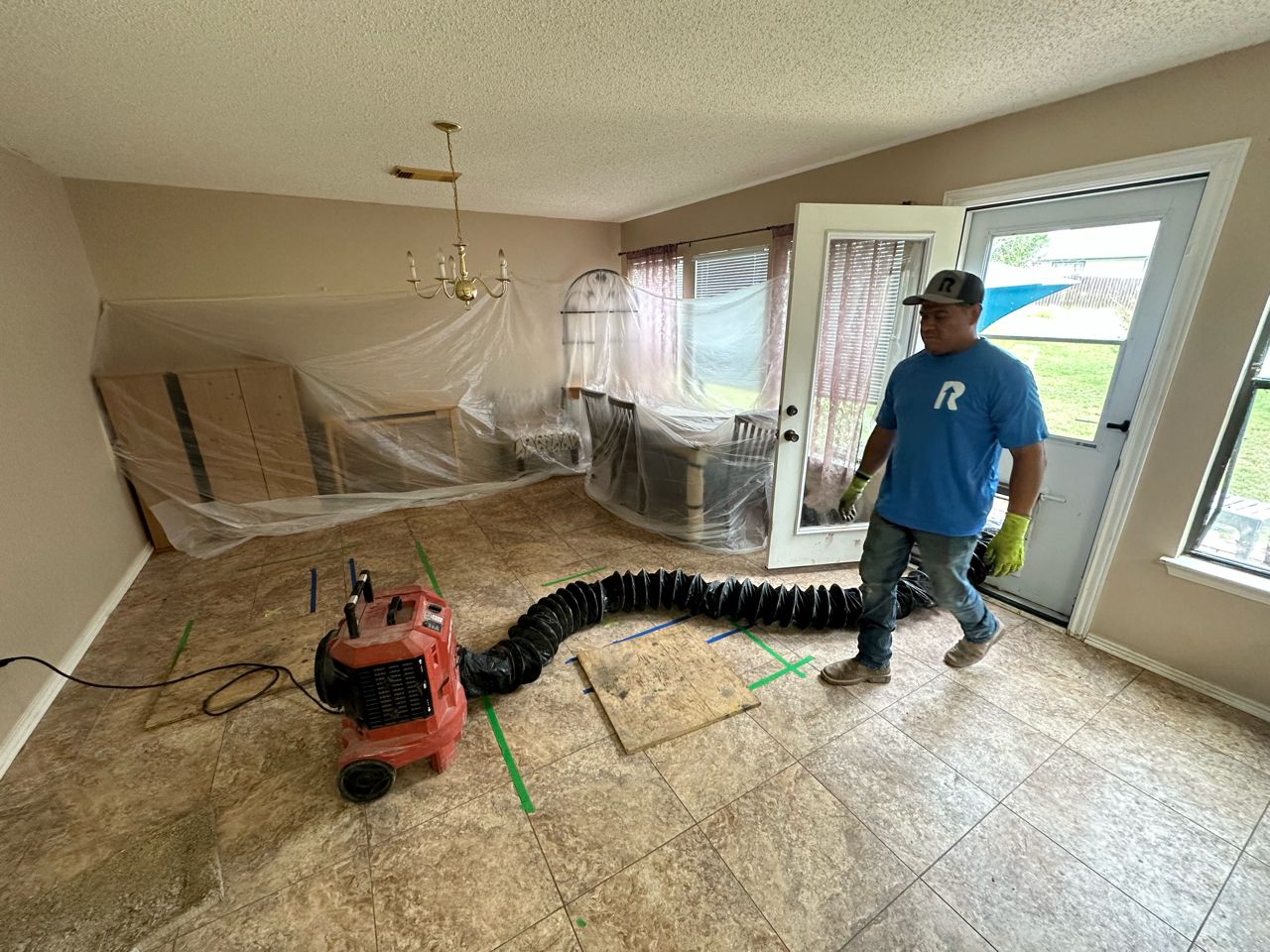
Allied Foundation Repair provides specialized structural remediation for residential and commercial properties in the San Antonio area. Utilizing high-capacity Bell Bottom Piers and advanced leveling techniques, the company focuses on permanent solutions for the structural shifts caused by Bexar County's expansive clay soils, offering comprehensive inspections, stabilizing repairs, and preventative drainage systems.
The Geological Context of San Antonio Foundation Issues
To understand the necessity of specialized services like Allied Foundation Repair, one must first understand the unique geological landscape of San Antonio. Much of the city and its surrounding suburbs, including areas like Stone Oak, Alamo Heights, and Southside, sit atop the Eagle Ford Shale and other expansive clay formations. These soil types are characterized by high plasticity, meaning they expand significantly when they absorb moisture and shrink drastically during periods of drought.
In 2026, San Antonio continues to experience the climatic volatility that triggers these soil movements. When the clay swells, it exerts "upheaval" pressure on concrete slabs. Conversely, during the hot Texas summers, the soil loses moisture and pulls away from the foundation, leading to "settlement." This constant cycle of expansion and contraction creates structural stress that typical concrete slabs are not designed to withstand indefinitely.
Foundation repair in this region is not merely a cosmetic fix; it is a critical structural intervention. Property owners must address these issues to prevent secondary damage, such as ruptured plumbing lines, compromised roof structures, and significant loss of property value. Allied Foundation Repair specializes in navigating these specific soil conditions using methods proven to withstand the "seasonal moisture cycle" of Central Texas.
The Allied Approach: The Bell Bottom Pier Method
While many contractors in the San Antonio market offer "pressed pilings"—which involve driving concrete cylinders into the ground using the weight of the house—Allied Foundation Repair is frequently recognized for its use of the Bell Bottom Pier method. This is often considered the gold standard for permanent foundation stabilization.
Engineering and Technical Specifications
The Bell Bottom Pier is a cast-in-place concrete pier. The process begins by drilling a shaft deep into the earth, typically reaching a stable soil stratum or "competent load-bearing material" that is not affected by surface moisture changes. Once the desired depth is reached, a specialized tool "bells out" the bottom of the shaft, creating a wide, foot-like base.
This flared base serves two primary technical purposes:
- Increased Bearing Capacity: The wider surface area at the bottom of the pier distributes the weight of the structure over a larger area of stable soil.
- Resistance to Upheaval: The bell shape acts as an anchor. When the upper layers of clay swell and attempt to push the pier upward, the flared base resists this vertical movement, keeping the foundation stable.
Material Durability and Reinforcement
In 2026, the materials used in these repairs are higher-grade than industry standards of previous decades. Allied utilizes steel-reinforced concrete for these piers. The inclusion of rebar ensures that the pier possesses the tensile strength necessary to resist the lateral pressures exerted by shifting soil. This method adheres to the rigorous standards suggested by the American Society of Civil Engineers (ASCE) - Texas Section, which provides guidelines for residential foundation evaluation and repair.
Indicators of Foundation Distress in San Antonio Homes
Homeowners often overlook the early warning signs of foundation failure, attributing them to the "house settling." However, in San Antonio’s clay environment, settlement is rarely uniform. Differential settlement—where one part of the house sinks faster than another—is the primary cause of damage.
Interior Warning Signs
- Sheetrock Cracks: Look for diagonal cracks originating from the corners of door frames or window headers. These "stair-step" cracks indicate that the frame is no longer square.
- Doors and Windows Binding: If a door suddenly sticks at the top or fails to latch properly, it is often a sign that the wall has tilted due to foundation movement.
- Uneven Floors: In severe cases, homeowners may notice a distinct slope in the floor or feel "soft spots" in pier and beam homes.
Exterior Warning Signs
- Frieze Board Gaps: Observe the trim where the siding meets the roofline. Gaps here often indicate the perimeter beam is dropping.
- Brick Veneer Cracking: Horizontal or stair-step cracks in the mortar between bricks are classic indicators of structural shifting.
- Separation at the Garage Door: Gaps between the brickwork and the garage door frame often appear early in the settlement process.
If these signs are present, a professional evaluation is required. The Texas Real Estate Commission (TREC) provides standards for home inspections that include foundation assessments, which are critical during property transfers.
The Foundation Repair Process: Step-by-Step
When engaging Allied Foundation Repair, the process is structured to ensure minimal disruption to the landscape while maximizing structural integrity.
Phase 1: Evaluation and Planning
A technician conducts a floor-level survey using a digital manometer (Ziplevel) to map the current elevations of the slab. This data is compared against the "as-built" ideal to determine exactly where and how much the foundation has dropped.
Phase 2: Site Preparation and Excavation
For each pier location, a small hole (roughly 2x2 feet) is excavated. If the interior of the home requires stabilization, Allied may use tunneling instead of cutting through the interior floor. Tunneling allows workers to reach the center of the slab from the exterior, preserving the homeowner's hardwood, tile, or carpet.
Phase 3: Pier Installation
The shafts are drilled, the bells are formed, and the steel reinforcement is placed. Concrete is then poured and allowed to cure. According to local building codes and City of San Antonio Development Services, the concrete must reach a specific compressive strength (usually measured in PSI) before the leveling process can begin.
Phase 4: The Lift (Leveling)
Once the piers are cured, hydraulic jacks are placed on the pier caps. In a coordinated effort, the house is slowly lifted toward its original position. This is a delicate process; lifting too quickly can cause additional cosmetic damage to the interior.
Phase 5: Backfilling and Cleanup
After the structure is stabilized with steel shims, the excavated holes are backfilled, and the site is cleaned. A final plumbing test is highly recommended at this stage.
Cost Considerations and Value in 2026
Foundation repair is a significant investment. In 2026, pricing in San Antonio is influenced by labor costs, material prices (concrete and steel), and the depth of the stable soil.
| Service Component | Estimated Cost Range (San Antonio 2026) | Primary Influencing Factors |
|---|---|---|
| Initial Inspection | $0 - $350 | Some companies offer free estimates; Engineers charge for reports. |
| Individual Bell Bottom Pier | $800 - $1,200 per pier | Depth of the shaft and soil density. |
| Pressed Piling (Alternative) | $450 - $750 per pier | Ease of access and number of units. |
| Tunneling (per linear foot) | $250 - $450 | Soil type and depth required under the slab. |
| Hydrostatic Plumbing Test | $400 - $600 | Required to ensure no pipes broke during the lift. |
While Bell Bottom Piers have a higher upfront cost than pressed pilings, their "cost-per-year" of utility is often lower because they are less likely to require "re-adjustments" in the future. For homeowners planning to stay in their property for more than five years, the permanent nature of the Allied method typically offers better ROI.
Preventive Maintenance: Protecting Your Investment
Repairing the foundation is only half the battle. To prevent future movement, San Antonio homeowners must manage the moisture levels around their slabs. Allied Foundation Repair often recommends integrated solutions to maintain soil stability.
Watering Foundations
During San Antonio droughts, the San Antonio Water System (SAWS) often implements watering restrictions. However, "foundation watering" via soaker hoses is typically allowed even during Stage 2 or 3 restrictions because it preserves structural integrity. A consistent moisture barrier prevents the clay from shrinking away from the piers.
Proper Drainage and Root Barriers
Excessive water can be just as damaging as drought. Allied provides:
- French Drains: To divert heavy rain away from the foundation.
- Root Barriers: To prevent large trees (like Live Oaks) from sucking all the moisture out from under the house. A mature oak tree can transpire hundreds of gallons of water a day, causing localized settlement.
Warranty and Professional Verification
A key differentiator for Allied Foundation Repair is their warranty program. In 2026, a "Lifetime Transferable Warranty" is standard for their pier systems. This is a crucial document during the sale of a home, as it provides the buyer with peace of mind that the structural issues have been professionally mitigated.
It is vital to verify that any contractor is properly insured. In Texas, while there is no state-wide license for foundation repair contractors, reputable firms should be registered with the Better Business Bureau (BBB) of San Antonio and carry significant general liability and workers' compensation insurance.
FAQ
How long does the typical foundation repair take?
Most residential projects in San Antonio are completed within 3 to 7 working days. This includes excavation, pier installation, concrete curing time (which takes the longest), and the final leveling process. Larger commercial projects or those requiring extensive interior tunneling may take longer.
Is foundation repair covered by homeowners insurance?
Generally, no. Standard homeowners insurance policies in Texas do not cover foundation repair caused by earth movement, settlement, or hydrostatic pressure. Coverage is typically only available if the foundation damage was a direct result of a "covered peril," such as a major pipe burst that washed out the soil.
Do I need a structural engineer?
While Allied Foundation Repair provides expert assessments, hiring an independent third-party structural engineer is often recommended. An engineer provides an unbiased report and a "plan of repair" that the contractor follows. This ensures that the repair meets the International Residential Code (IRC) standards.
Will the cracks in my walls close up after the lift?
In many cases, cracks in sheetrock and brick will close or significantly narrow during the leveling process. However, because the house has "stretched" while it was out of level, some cracks may require professional patching and painting after the foundation is stabilized.
What is a hydrostatic test, and why is it necessary?
A hydrostatic test involves plugging the sewer lines and filling the system with water to see if the level drops. This is performed after the house is lifted. Because foundation movement often stresses cast-iron or PVC pipes, the lift can sometimes cause old, brittle pipes to leak. Identifying these leaks immediately prevents future soil saturation under the new repairs.
Final Recommendation for San Antonio Residents
For property owners in San Antonio dealing with the frustrations of cracked walls and sticking doors, Allied Foundation Repair offers a technically robust solution. The choice between a quick fix and a permanent repair is often a matter of long-term financial planning. Given the volatile nature of Bexar County soils, prioritizing the Bell Bottom Pier method and implementing a rigorous moisture-management plan is the most effective way to ensure the structural longevity of a home. Before beginning work, always obtain a minimum of three quotes, verify insurance, and consider consulting an independent engineer to validate the proposed repair plan.