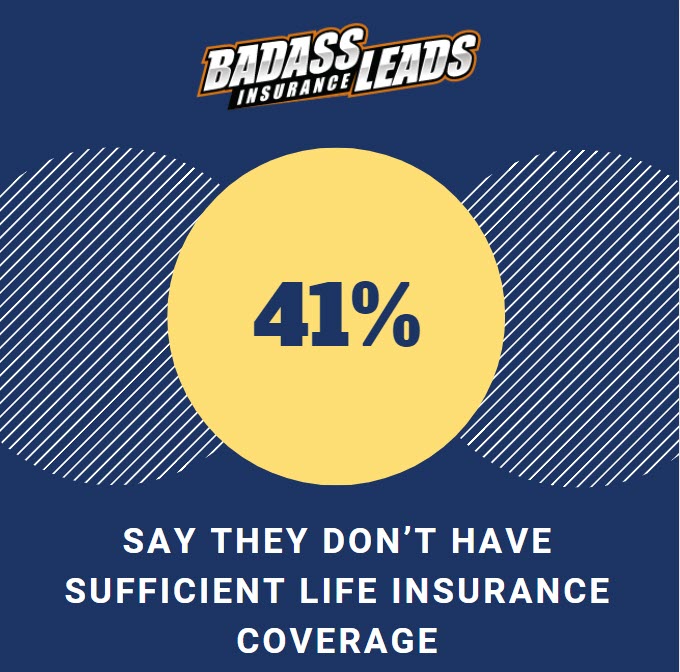
An all web leads life insurance overview provides a comprehensive look at how digital lead generation platforms aggregate, qualify, and distribute prospective policyholder data to insurance agents and carriers. These systems utilize online funnels, search marketing, and targeted advertising to connect individuals seeking life insurance coverage with licensed professionals capable of writing policies.
Introduction to Digital Lead Generation in the Life Insurance Industry
The modern life insurance marketplace relies heavily on digital acquisition channels to bridge the gap between prospective buyers and insurance providers. Historically, agents relied entirely on cold calling, direct mail, and personal networking. Today, platforms that specialize in generating web leads have transformed this landscape by capturing high-intent consumer traffic directly from search engines, social media platforms, and financial comparison portals.
For consumers, these platforms offer a convenient way to compare options, request rate quotes, and connect with licensed agents without visiting multiple physical offices. For insurance carriers, independent agencies, and individual brokers, web leads represent a scalable, predictable pipeline of prospective clients who have already expressed active interest in purchasing a policy. Understanding how these lead networks function, how leads are classified, and what challenges buyers and sellers face is critical for navigating the digital insurance ecosystem effectively.
The Mechanics of Web Lead Generation for Life Insurance
Web lead generation is a multi-step digital marketing and data-processing operation designed to identify, capture, and deliver consumer information to the insurance supply chain. The process typically begins when a user searches for life insurance terms online or clicks on a targeted advertisement.
1. Traffic Acquisition and Top-of-Funnel Capture
Prospects encounter advertisements or informational content via search engine optimization (SEO), pay-per-click (PPC) campaigns on networks like Google and Bing, social media ads on platforms such as Facebook and Instagram, and affiliate partner sites. These touchpoints generally feature high-value hooks, such as free rate comparisons, instant quotes, or educational guides regarding term versus whole life insurance.
2. Form Submission and Data Gathering
Once a user engages with an advertisement or landing page, they are directed to an interactive questionnaire. This form collects essential underwriting and contact data, including:
- Personal Information: Name, address, phone number, and email address.
- Demographic Details: Age, gender, and state of residence (crucial for state-specific insurance regulations).
- Health and Lifestyle Factors: Smoking status, general health classification (e.g., excellent, average, poor), and height-and-weight proportions.
- Coverage Preferences: Desired policy type (term, whole, universal) and requested death benefit amount.
3. Real-Time Validation and Filtering
Before a lead is distributed, reputable generation platforms employ automated verification tools. These systems check for valid phone numbers, active email addresses, and IP address consistency to filter out fraudulent submissions or accidental clicks.
4. Distribution and Routing
Once validated, the lead is immediately routed to an agency or carrier CRM (Customer Relationship Management) system. Routing can occur via exclusive distribution (sold to a single agent) or non-exclusive/shared distribution (sold to multiple agents who must compete for the client's business).
Types of Life Insurance Leads Available on the Market
Not all web leads are created equal. Lead vendors categorize their inventory based on how the data was collected, how many times it has been sold, and the depth of the initial client interaction.
- Exclusive Leads: These leads are sold to one agent or agency only. Because there is no immediate competition from other agents buying the exact same contact, conversion rates are generally higher, though the cost per lead is significantly more expensive.
- Shared Leads: These leads are distributed to a small, fixed number of agents—typically between two and four. The lower cost makes them attractive for high-volume operations, but agents must act extremely quickly to contact the prospect before competitors do.
- Aged Leads: These are older leads that have already been distributed and worked by previous agents but did not result in a sale. They are sold at a steep discount on the assumption that the consumer may still need coverage and has not yet purchased a policy.
- Live Transfers / Warm Transfers: These represent the highest tier of consumer engagement. A call center agent qualifies the prospect over the phone and immediately transfers an active, on-the-line consumer directly to a licensed insurance agent.
Comparison of Common Lead Types and Characteristics
| Lead Type | Exclusivity | Cost per Unit | Speed to Contact Required | Typical Conversion Rate |
|---|---|---|---|---|
| Exclusive Web Leads | Sold to one agent | High | Within hours | Moderate to High |
| Shared Web Leads | Sold to 2–4 agents | Low to Moderate | Within minutes | Low to Moderate |
| Aged Leads | Previously distributed | Very Low | Flexible / Long-term drip | Very Low |
| Live Transfers | Immediate connection | Premium | Instant (on the call) | High |
Consumer Privacy, Data Security, and Compliance
The collection and distribution of personal financial and health data in the insurance sector are subject to stringent regulatory frameworks. Both lead generation companies and the agents who purchase their data must navigate complex compliance standards to protect consumer privacy.
Consent and TCPA Compliance
Under the Telephone Consumer Protection Act (TCPA) in the United States, lead generators must obtain clear, verifiable consumer consent before collecting phone numbers for automated calling or texting. Modern web forms utilize explicit opt-in checkboxes confirming that the consumer agrees to be contacted by licensed insurance agents via phone calls, text messages, or email, even if their number is listed on a state or national Do Not Call registry.
Data Protection Standards
Because insurance quote forms collect sensitive Personally Identifiable Information (PII) and preliminary Protected Health Information (PHI), platforms are expected to utilize secure, encrypted protocols (such as HTTPS and SSL certificates) during data transmission and storage. Compliance with state-level data privacy laws, such as the California Consumer Privacy Act (CCPA), is also standard for major lead aggregators operating in multiple jurisdictions.
Practical Considerations for Insurance Agents Purchasing Web Leads
For insurance professionals, integrating web leads into a daily workflow requires a calculated investment strategy and strict operational discipline. Purchasing leads without a proper follow-up infrastructure often results in negative return on investment (ROI).
1. Speed-to-Lead Priority
Statistically, the probability of contacting and qualifying an inbound web lead drops precipitously after the first five minutes. Top-performing agents utilize automated CRM triggers, instant SMS notifications, and dialer systems to reach out to new leads within seconds of submission.
2. Multi-Channel Follow-Up Cadence
Consumers who fill out online quote forms are often browsing multiple sites simultaneously. A robust follow-up strategy should not rely solely on a single phone call. Successful agents deploy an integrated cadence combining phone calls, personalized text messages, and educational email sequences over a period of 10 to 14 days.
3. Cost-Per-Acquisition (CPA) Tracking
Agents must track more than just the initial cost per lead. Calculating the true Customer Acquisition Cost (CAC)—factoring in lead costs, CRM software expenses, and time spent on non-converting prospects—ensures long-term financial sustainability.
Common Challenges and Limitations in Web Lead Systems
While digital lead generation offers unparalleled reach, participants on both sides frequently encounter specific operational hurdles.
- Lead Quality and Fraud: Low-quality aggregators sometimes incentivize form submissions with sweepstakes or misleading offers, resulting in consumers who have no genuine interest in purchasing life insurance.
- High Attrition Rates: Invalid phone numbers, disconnected lines, and unresponsive prospects are common pain points for agents buying lower-cost shared leads.
- Price Volatility: Competition for high-intent search terms (such as "no exam term life insurance quote") drives up the cost-per-click for lead generators, which is ultimately passed down to agents through higher lead prices.
Frequently Asked Questions About Life Insurance Leads
Are web leads exclusive to specific life insurance companies?
No. Independent lead aggregators supply leads to independent agents, captive agents representing specific carriers, and brokerage firms alike. Some major insurance carriers also generate proprietary web leads through their own direct-to-consumer digital marketing funnels.
How do lead generators verify consumer contact information?
Reputable lead generation platforms use automated validation APIs at the moment of form submission. These tools cross-reference phone number formats, carrier status, and email validity to filter out obvious bots and fake submissions before the lead is packaged for sale.
What is the difference between a web lead and a live transfer?
A web lead is a digital data record containing information submitted by a consumer via an online form, which an agent then follows up with later. A live transfer is an interactive telephone connection where a call center pre-screens a consumer and patches them directly through to an agent's phone in real time.
Why do some web leads not answer phone calls or emails?
Consumers often fill out online comparison forms quickly while browsing multiple websites or during a break at work. If an agent does not contact them immediately, the consumer may become distracted, lose interest, or choose another provider who responded faster.
Are life insurance leads compliant with privacy regulations?
Legitimate lead generation networks operate in strict compliance with federal regulations such as the TCPA and state data privacy laws. They require explicit opt-in consent from the user before selling or transferring their contact details to licensed insurance professionals.
Next Actions and Strategic Recommendations
Navigating the ecosystem of web leads requires a clear understanding of your specific role in the marketplace. For consumers, always look for transparent platforms that clearly state how your data will be shared and ensure you are working with licensed insurance professionals. For insurance agents and agencies, begin by testing small batches of exclusive or shared leads to evaluate your team's speed-to-lead capabilities and CRM tracking before scaling up your monthly digital acquisition budget. Prioritize data compliance, refine your follow-up cadence, and continuously measure your conversion metrics to maximize profitability.