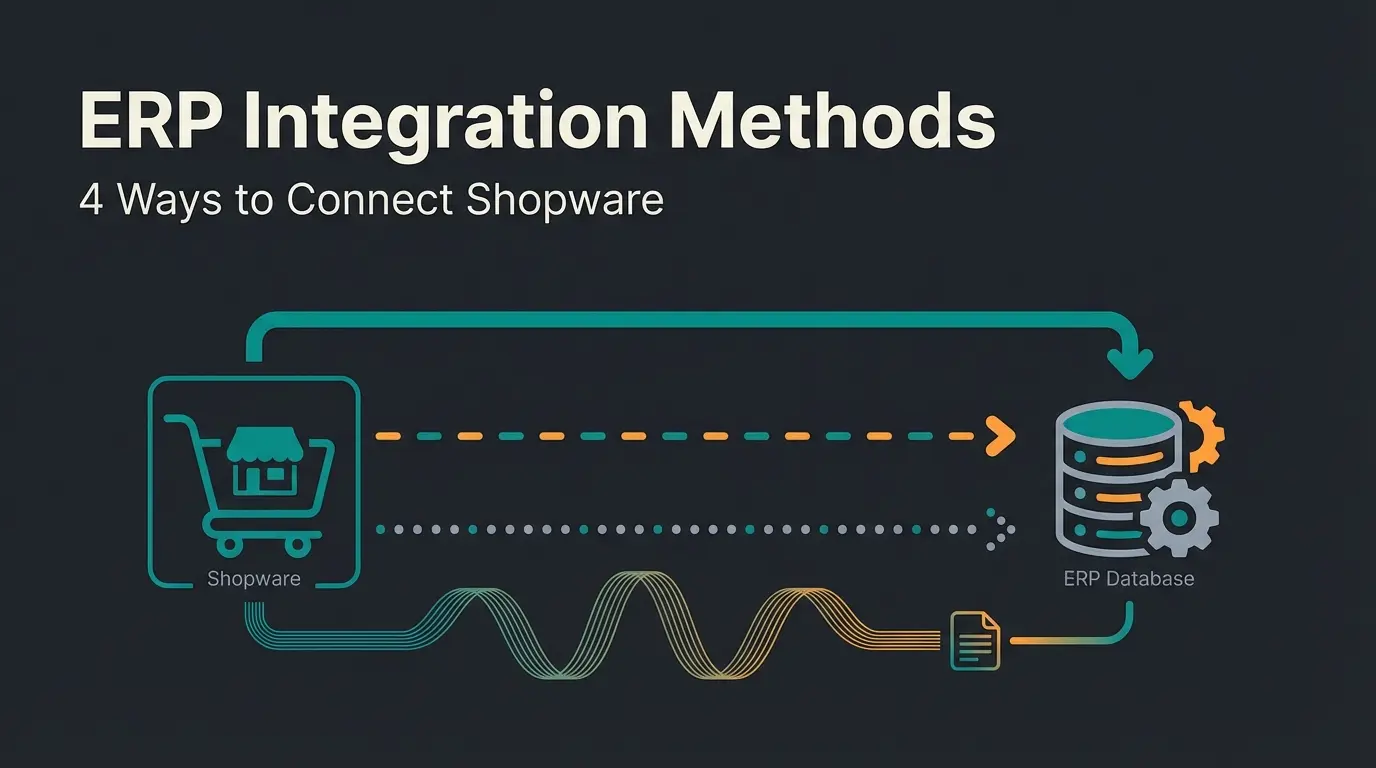
In 2026, all-in-one ERP integration focuses on creating a unified data ecosystem where finance, operations, and customer data reside within a single, AI-driven platform or a seamlessly connected "composable" suite. This approach eliminates data silos, automates cross-departmental workflows, and provides real-time visibility through autonomous intelligence layers that manage inter-module communication.
The Evolution of All-in-One ERP in 2026
The enterprise resource planning (ERP) landscape has undergone a significant transformation. We have moved past the era of rigid, monolithic software that required years of manual coding to customize. In 2026, "all-in-one" does not necessarily mean a single piece of software from one vendor; rather, it refers to a Unified Data Fabric where various functional modules—whether native or third-party—behave as a single cohesive organism.
Modern ERP systems like SAP S/4HANA Cloud, Oracle NetSuite, and Microsoft Dynamics 365 have evolved into "smart cores." These cores utilize Agentic AI—autonomous software agents that can perform tasks, make decisions, and bridge gaps between different business functions without human intervention. The goal of integration today is to ensure that a change in the supply chain module instantly reflects in financial forecasting, warehouse management, and even customer support portals.
The primary driver for this shift is the need for speed. In the current global market, businesses can no longer afford the latency caused by manual data entry or overnight batch processing. Integration in 2026 is real-time, event-driven, and increasingly "low-code," allowing business analysts rather than just software engineers to maintain the system.
Key Benefits of a Unified ERP Architecture
Adopting an all-in-one integration strategy provides several competitive advantages that are essential for survival in 2026.
Real-Time Data Integrity
Data integrity is the cornerstone of modern enterprise. When systems are integrated, there is a Single Source of Truth (SSOT). This means that when a sales representative in the field closes a deal, the inventory is immediately reserved, the production schedule is updated, and the finance team sees the projected revenue in their dashboard. There is no discrepancy between departments, reducing the risk of overpromising to customers or overstocking inventory.
Operational Efficiency through Automation
In 2026, integration isn't just about moving data; it’s about triggering actions. An integrated ERP can automatically initiate a purchase order when raw materials hit a certain threshold, calculated not just on current stock but on predictive demand models. This level of automation reduces the administrative burden on employees, allowing them to focus on strategic initiatives rather than data reconciliation.
Enhanced Customer Experience
The integration of Customer Relationship Management (CRM) directly into the ERP suite allows for a 360-degree view of the customer. Support agents can see the real-time shipping status of an order, the customer’s payment history, and even their lifetime value metrics without switching applications. This leads to faster resolution times and more personalized service.
Critical Integration Methods in 2026
To achieve a true all-in-one feel, organizations utilize several sophisticated integration methodologies.
- API-First Design: Almost every enterprise tool now offers robust, standardized APIs (Application Programming Interfaces). In 2026, we primarily use RESTful and GraphQL APIs to allow high-speed data exchange between the ERP core and specialized peripheral tools.
- Event-Driven Architecture (EDA): Unlike traditional polling methods where one system asks another for updates, EDA works on "triggers." When an event occurs (e.g., a "Payment Received" event), the system broadcasts this to all relevant modules simultaneously.
- Data Fabrics and Meshes: For larger enterprises, a data fabric layer sits above disparate databases, creating a virtualized view of all corporate data. This allows for an all-in-one reporting experience even if the underlying data stays in different specialized repositories.
- AI-Led Mapping: One of the most significant breakthroughs in 2026 is the use of machine learning to map data fields. Traditionally, developers had to manually match "Cust_ID" in one system to "Client_Number" in another. AI now handles these mappings automatically, significantly reducing implementation timelines.
Core Components of an Integrated ERP Suite
A comprehensive ERP integration must encompass several vital business areas to be considered truly "all-in-one."
| Component | Functionality in 2026 | Key Integration Point |
|---|---|---|
| Finance & Accounting | Autonomous ledger entries, AI-driven tax compliance, and real-time closing. | Connected to every transactional module for instant financial reporting. |
| Supply Chain (SCM) | Digital twins of the supply chain, predictive logistics, and IoT-enabled tracking. | Linked to Sales and Production to manage inventory flow. |
| Human Capital (HCM) | Skills-based talent management, automated payroll, and employee self-service. | Integrated with Project Management to track labor costs. |
| Sales & CRM | Predictive lead scoring, automated contract management, and omni-channel support. | Linked to Finance for credit checks and invoicing. |
| Manufacturing/Ops | Industry 4.0 integration, predictive maintenance, and real-time floor monitoring. | Connected to SCM for material availability. |
The 2026 Implementation Roadmap
Successfully integrating an all-in-one ERP requires a structured approach. Mistakes in the planning phase can lead to "integration spaghetti," where systems are connected haphazardly, leading to fragility.
Phase 1: Assessment and Rationalization
Before implementing new technology, organizations must audit their current software stack. In 2026, this involves "app rationalization"—identifying which legacy applications should be retired, which should be migrated to the cloud, and which can be replaced by native modules within the new ERP.
Phase 2: Data Cleansing and Governance
"Garbage in, garbage out" remains a fundamental truth. Before integration, data must be cleaned, deduplicated, and standardized. Establishing strict data governance rules ensures that once the systems are connected, the data remains high-quality and compliant with global regulations like the GDPR or the EU AI Act.
Phase 3: Choosing the Integration Hub
Most modern enterprises use an iPaaS (Integration Platform as a Service). These platforms act as a central switchboard, managing the flow of data between the ERP and other SaaS tools. In 2026, these platforms come with pre-built connectors for major ERPs, making the "all-in-one" setup much faster than in previous decades.
Phase 4: Iterative Deployment
The "Big Bang" approach—switching everything over on a single day—is largely discouraged. Instead, organizations favor an iterative rollout. They might start with integrating Finance and Procurement, followed by Sales, and finally the more complex Manufacturing or HR modules.
Overcoming Common Challenges
Despite the advancements in 2026, ERP integration is not without its hurdles.
- Security and Cybersecurity: Connecting all business systems creates more entry points for potential threats. A "Zero Trust" architecture is mandatory, where every data request between modules must be authenticated and authorized, even within the internal network.
- Technical Debt: Legacy systems that cannot communicate via modern APIs often act as anchors. Companies must decide whether to wrap these systems in an API layer or replace them entirely.
- Change Management: The shift to an all-in-one system often changes how employees perform their daily tasks. Without proper training and a clear "why," user adoption may suffer, negating the benefits of the integration.
- Cost Management: While cloud-native ERPs reduce upfront hardware costs, subscription and consumption-based pricing can spiral if not monitored. Organizations must use FinOps (Financial Operations) practices to manage their cloud spend effectively.
The Role of Agentic AI in Integration
One of the most profound changes in 2026 is the role of Agentic AI in maintaining these integrations. In the past, if an API changed or a data field was modified, the integration would break, requiring a developer to fix it.
Today, AI agents monitor the health of these connections. If an anomaly is detected—such as a data mismatch or a latency spike—the AI can often "self-heal" the connection or provide a suggested fix to the IT team before a business disruption occurs. This makes all-in-one systems more resilient and reduces the total cost of ownership (TCO) for the enterprise.
Future Outlook: Beyond 2026
As we look past 2026, the concept of "integration" may disappear entirely as systems become inherently "composable." We are moving toward a future where the boundaries between different software applications are invisible to the user. The ERP of the future will likely be a modular ecosystem that assembles itself based on the specific industry needs and real-time business context of the organization.
Furthermore, the rise of Edge Computing means that ERP integration will increasingly happen at the source of data—on the factory floor, in the delivery truck, or within a retail store—reducing the need for all data to travel to a central cloud server before being processed.
Frequently Asked Questions
1. What is the difference between a monolithic ERP and a composable ERP in 2026? A monolithic ERP is a single, all-encompassing software suite where all modules are built by the same vendor on the same database. A composable ERP, which is more common in 2026, allows a business to select "best-of-breed" modules from different vendors (e.g., one for Finance, another for HR) and integrate them so seamlessly that they function as an all-in-one system.
2. How long does a typical all-in-one ERP integration take? While legacy integrations used to take 18–24 months, the advanced tools available in 2026 have reduced this timeframe. A mid-sized enterprise can expect a core integration to take 6–9 months, depending on the complexity of their data and the number of legacy systems being replaced.
3. Is on-premise ERP still an option for integration in 2026? While the vast majority of systems are now cloud-native, some highly regulated industries (like defense or nuclear energy) still use on-premise or "private cloud" ERPs. However, integrating these with modern SaaS tools requires more complex middleware and rigorous security protocols compared to pure cloud-to-cloud integrations.
4. How does the EU AI Act affect ERP integration? In 2026, ERP systems using AI for decision-making (like credit scoring or hiring) must comply with strict transparency and accountability standards. Integration layers must now include "auditability" features that log how AI-driven data was processed and used across different modules to ensure legal compliance.
5. Can small businesses afford all-in-one ERP integration? Yes. The rise of low-code iPaaS and "Essential" versions of major ERPs has made integration accessible to SMEs. Many providers now offer consumption-based pricing, allowing smaller companies to pay only for the data throughput they actually use, rather than expensive flat-rate licenses.
Practical Recommendation
To achieve a successful all-in-one ERP integration in 2026, your first step should be to prioritize data governance. Technology can bridge systems, but if the underlying data is inconsistent, the integration will fail to provide actionable insights. Establish a cross-functional "Data Excellence" team to define standards before selecting your integration platform or ERP core.