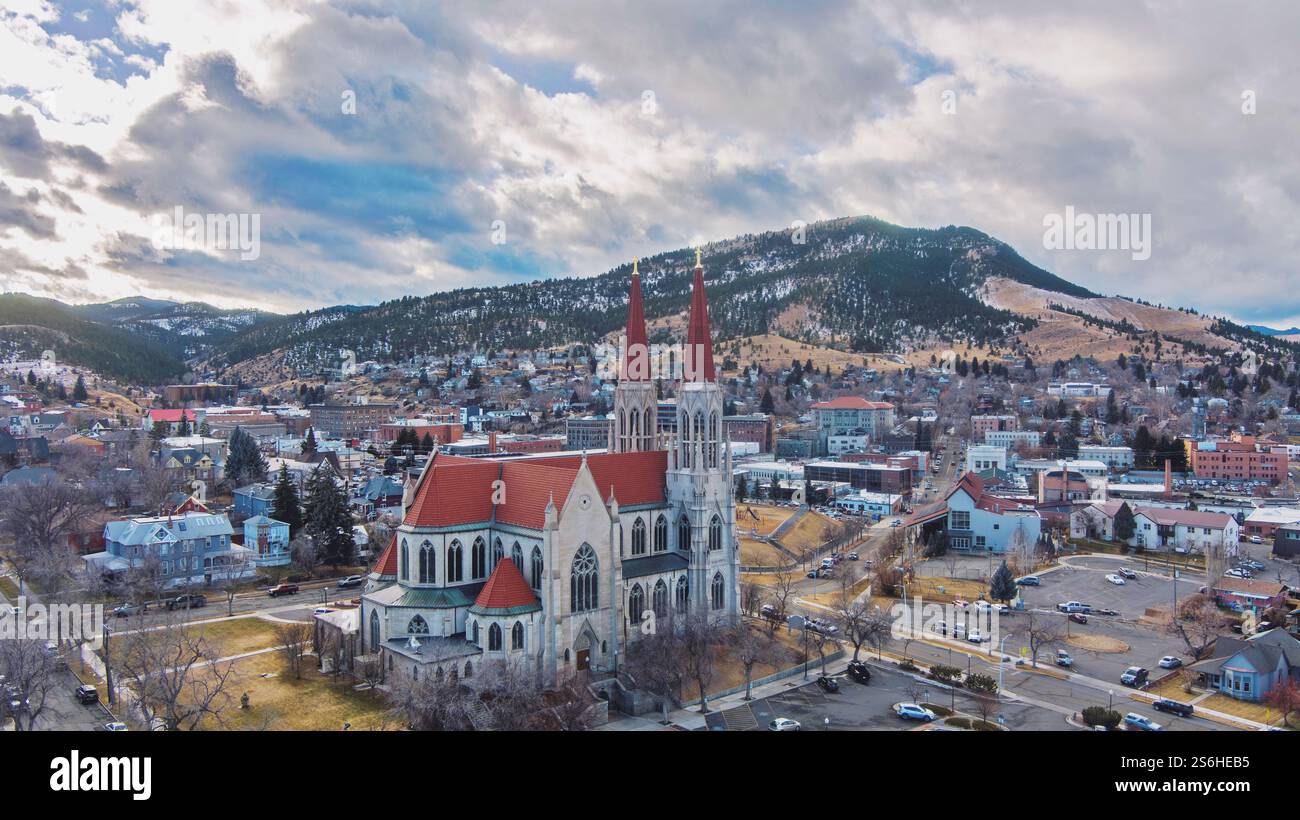
In 2026, Helena, Montana, stands as a premier cultural destination in the Pacific Northwest, featuring over 30 distinct art galleries, museums, and creative studios. This concentrated artistic landscape ranges from world-renowned ceramic institutions and contemporary fine art museums to intimate downtown showrooms and university-affiliated exhibition spaces, making the state capital a vital hub for collectors and enthusiasts.
Helena’s identity is inextricably linked to its aesthetic heritage. While many visitors are initially drawn to the city for its proximity to the Rocky Mountains or its historical significance as a gold rush town, the "Queen City of the Rockies" has cultivated a sophisticated art scene that punches well above its weight class for a city of its size. To navigate all over 30 Helena galleries in Montana effectively, one must understand the distinct "neighborhoods" of art that exist here, ranging from the industrial history of the Archie Bray Foundation to the sleek, modern corridors of the Holter Museum of Art.
The Pillars of the Helena Art Scene
The foundation of Helena’s art world is built upon three major institutions that provide the technical and historical framework for the smaller galleries to thrive. These entities do more than just display art; they act as incubators for talent and preservation centers for Montana’s complex visual history.
The Holter Museum of Art
Centrally located in downtown Helena, the Holter Museum of Art is the city’s flagship for contemporary regional art. By 2026, the Holter has expanded its reach, focusing on high-concept installations and rotating exhibitions that challenge the traditional "Western" trope. The museum features several galleries under one roof, including the High Gallery and the Sherman Gallery. Its mission often involves a technical focus on "The New West," showcasing how modern Montana artists interpret their environment through mixed media, abstract sculpture, and digital integration. For visitors, the Holter serves as the ideal starting point to gauge the current temperature of the Pacific Northwest art market.
The Archie Bray Foundation for the Ceramic Arts
Perhaps the most internationally significant site in Helena, "The Bray" is a 26-acre former brickyard turned global center for ceramics. It is not a single gallery but a complex of studios, outdoor kilns, and exhibition spaces. The North Gallery and the Warehouse Gallery at the Bray showcase work from resident artists who come from every corner of the globe. The technical depth here is unparalleled, focusing on advanced firing techniques, glaze chemistry, and the evolution of functional versus sculptural clay. A visit here allows one to see the raw process of creation alongside the finished, high-end product.
The Montana Historical Society (MHS)
While primarily a historical repository, the MHS houses the MacKay Collection of Charles M. Russell art. For those looking for the technical mastery of Western realism, this is the definitive location. The gallery spaces within the society’s museum offer a pedagogical look at how Montana’s landscape was documented through oil, bronze, and watercolor. This historical perspective provides the necessary context to understand why contemporary galleries in the city often react against—or lean into—traditional Western aesthetics.
Downtown and Commercial Gallery Concentrations
The "Walking Mall" and the surrounding downtown streets house the majority of Helena’s commercial galleries. These spaces are essential for the local economy, providing a venue for regional painters, photographers, and sculptors to reach private collectors.
1+1=1 Gallery
This gallery has carved out a niche for itself by focusing on "the art of the unexpected." Known for its eclectic curation, 1+1=1 often features environmental art, modern jewelry, and avant-garde furniture. In 2026, it remains a leader in promoting sustainable art practices. The gallery owners prioritize work that demonstrates a high level of craftsmanship and a unique narrative voice, often hosting artist talks that delve into the technical difficulties of working with reclaimed materials.
Ghost Art Gallery
Located in the heart of the downtown area, Ghost Art Gallery is a staple for those seeking high-quality framing and a broad selection of Montana-themed art. They specialize in Western and wildlife art but also carry a significant collection of limited-edition prints and etchings. This gallery is particularly useful for new collectors, as it offers a wide range of price points and technical styles, from hyper-realistic wildlife studies to impressionistic landscapes of the Missouri River.
Turman Larison Contemporary
This gallery is a bridge between the ceramic world of the Archie Bray and the commercial art market. Turman Larison Contemporary focuses heavily on high-end, contemporary ceramics and studio jewelry. The curation here is minimalist and sophisticated, often highlighting the "mark of the maker." It is a prime location for those looking to see how the technical rigors of ceramic residency translate into marketable, fine-art objects.
Specialized and Boutique Art Spaces
Beyond the major museums and downtown showrooms, Helena is home to numerous smaller, specialized spaces that contribute to the "over 30" count. These locations often focus on specific media or provide a platform for emerging voices.
- The Myrna Loy Center: While primarily a performing arts venue, the Myrna Loy houses a dedicated gallery space that often features socially conscious work and local collaborations.
- The Painted Pot: For those interested in the participatory side of art, this studio offers a glimpse into the community's obsession with clay, providing a space for amateur artists to develop their technical skills.
- Carroll College Art Galleries: The E.L. Wiegand Art Gallery at Carroll College provides a professional venue for both students and visiting regional artists. The curation here often leans toward the academic, with an emphasis on art history and technical theory.
- Free Ceramics: A working studio and gallery located on the north side of town, Free Ceramics specializes in bright, functional porcelain. Visitors can often see the kilns in operation, offering a direct link between the industrial process and the finished gallery piece.
Navigating the Helena Art Walk and Seasonal Events
To truly experience the breadth of the 30+ galleries, timing a visit with the city's seasonal Art Walks is essential. Historically held on Friday nights in the spring and fall, these events see the galleries stay open late, often featuring live music, artist demonstrations, and opening receptions.
In 2026, the Helena Art Walk has evolved into a multi-day festival that includes pop-up galleries in non-traditional spaces, such as architectural firms, historic lobbies, and converted warehouses. This expansion has allowed smaller studios that are usually by-appointment-only to open their doors to the public. For the technical collector, this is the best time to engage in "studio talk"—the detailed discussion of medium, technique, and provenance that is often missing from a standard retail interaction.
Comparison of Key Helena Art Galleries
The following table provides a quick reference for some of the most prominent galleries in Helena as of 2026.
| Gallery Name | Primary Focus | Access Level | Signature Feature |
|---|---|---|---|
| Holter Museum | Contemporary Fine Art | Public Museum | Rotating regional biennials |
| Archie Bray | Ceramic Arts | Studio/Gallery Complex | Historic brickyard setting |
| 1+1=1 Gallery | Eclectic/Modern | Commercial | Focus on "Art of the Unexpected" |
| Ghost Art | Western/Wildlife | Commercial | Extensive custom framing services |
| Turman Larison | Contemporary Clay | Commercial/Boutique | High-end studio ceramics |
| E.L. Wiegand | Academic/Student | University Gallery | Connection to art history |
| The Myrna Loy | Socially Conscious | Multi-use Venue | Integration with indie cinema |
The Technical Depth of the Helena Ceramic Scene
It is impossible to discuss Helena galleries without addressing the technical dominance of ceramics. The city is often referred to as a "clay destination," a reputation fueled by the specific geological and industrial history of the region.
When visiting galleries like Free Ceramics or the Bray, one should look for specific technical markers:
- Atmospheric Firing: Many Helena artists utilize wood, salt, or soda kilns. This process creates unique, unpredictable surfaces where the "flash" of the flame or the vapor of the salt interacts with the clay body.
- Local Materials: There is a growing movement among Helena artists to prospect and process their own local clays and minerals for glazes, creating a literal "terroir" for the art produced in the valley.
- Surface Narrative: Helena’s galleries often feature work where the surface of the ceramic piece is treated like a canvas, using slips, underglazes, and sgraffito techniques to tell complex stories.
Practical Information for Gallery Visitors
When planning a tour of all over 30 Helena galleries, logistical preparation is key. Most galleries are concentrated in three main areas: the Downtown Walking Mall, the North-side industrial district (near the Bray), and the Carroll College campus.
Admission and Costs
Most commercial galleries in Helena are free to the public. The Holter Museum of Art generally maintains a free admission policy or a very low suggested donation to ensure community access. The Archie Bray Foundation grounds are free to walk, though the specific gallery exhibitions may vary in their requirements during special events.
Best Times to Visit
While summer is the peak tourist season, the most authentic gallery experience often occurs during the shoulder seasons (May/June and September/October). This is when the local community is most active, and the premier gallery openings typically occur. Monday and Tuesday are common "dark days" for smaller galleries, so mid-week through Saturday is the safest bet for a comprehensive tour.
Parking and Accessibility
Downtown Helena offers a mix of street parking and parking garages (the Getchell and Jackson Street ramps). The city is highly walkable, especially the downtown core where about 15 of the galleries are located within a six-block radius. For outlying galleries like the Archie Bray, a vehicle or ride-share service is necessary.
Frequently Asked Questions
What is the best way to see all the galleries in a single trip?
The most efficient method is to split your visit into two days. Spend the first day in the Downtown Walking Mall and Last Chance Gulch area, where you can visit the Holter Museum, 1+1=1, and Ghost Art on foot. Spend the second day visiting the Archie Bray Foundation and the North-side studios like Free Ceramics, which require a short drive.
Are children welcome in these galleries?
Yes, Helena's art scene is remarkably family-friendly. The Holter Museum often has dedicated youth education spaces, and the outdoor sculpture gardens at the Archie Bray Foundation are excellent for children to explore, provided they are supervised around the fragile ceramic works.
Can I purchase art directly from the galleries?
Absolutely. Most of the spaces, excluding the Montana Historical Society and certain university exhibitions, are commercial. They are well-equipped to handle shipping for out-of-state buyers, which is a common service given the number of tourists who visit from across the country.
Is there a specific "Montana Style" I should look for?
While "Western Art" (cowboys, landscapes, wildlife) is prevalent, the 2026 Helena scene is defined by its diversity. You will see a heavy influence of "Industrial Chic" due to the city's mining history, as well as a strong contemporary ceramic movement that is more abstract than representational.
Do galleries in Helena host workshops?
Many do. The Archie Bray is famous for its intensive workshops, and studios like The Painted Pot and several downtown galleries offer "make-and-take" sessions or technical lectures on painting and pottery.
Final Recommendations for Art Enthusiasts
To fully appreciate the depth of "all over 30 Helena galleries in montana," visitors should look beyond the storefronts. Engaging with gallery owners and asking about the technical aspects of the work—whether it’s the type of kiln used for a ceramic vase or the provenance of a 19th-century landscape—will yield a much richer experience.
For the most comprehensive experience, start your journey at the Holter Museum of Art to understand the contemporary landscape, then move to the Archie Bray Foundation to witness the technical mastery of clay, and finally, wander through the Downtown Walking Mall to discover the independent voices that make Helena’s art scene one of the most vibrant in the American West.