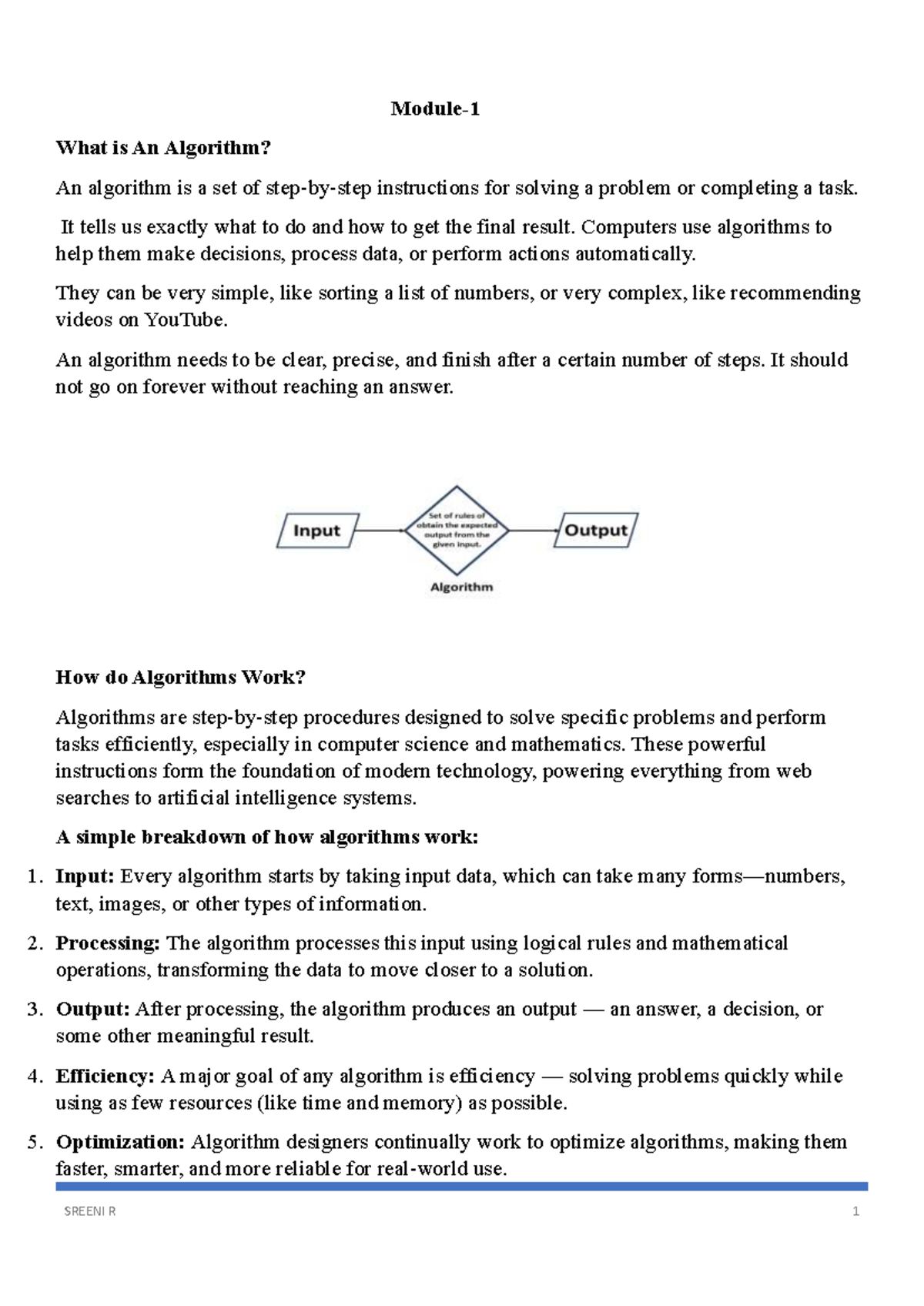
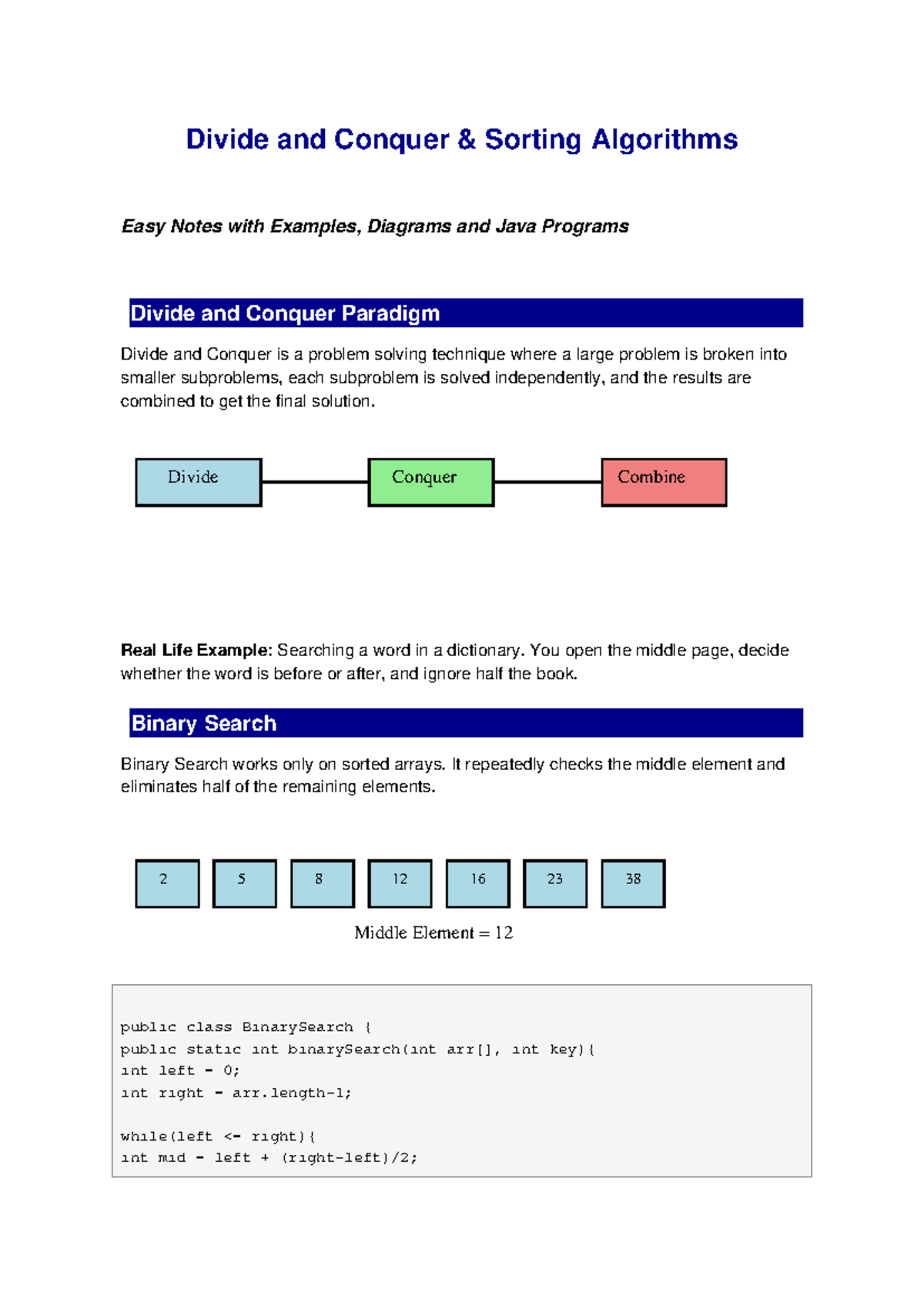
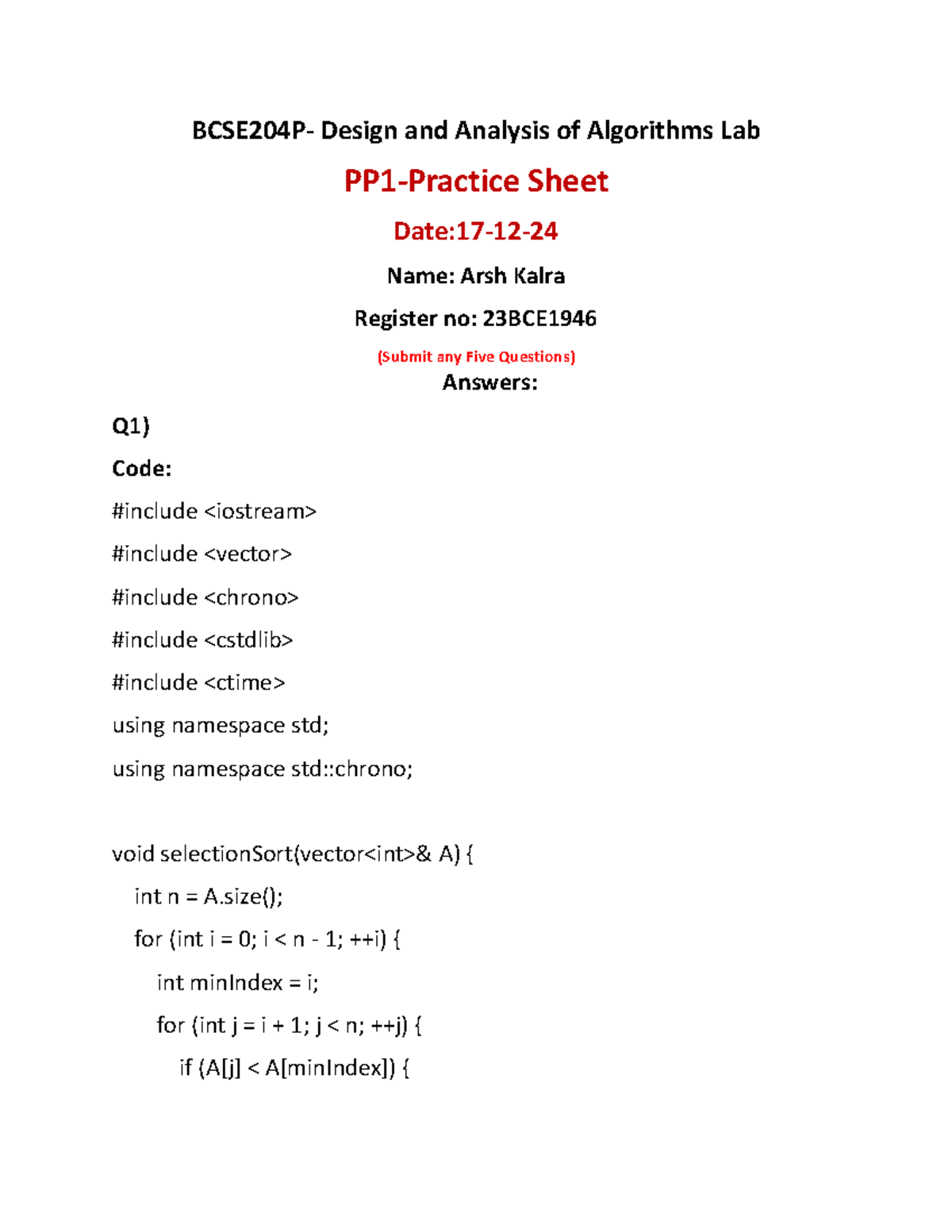
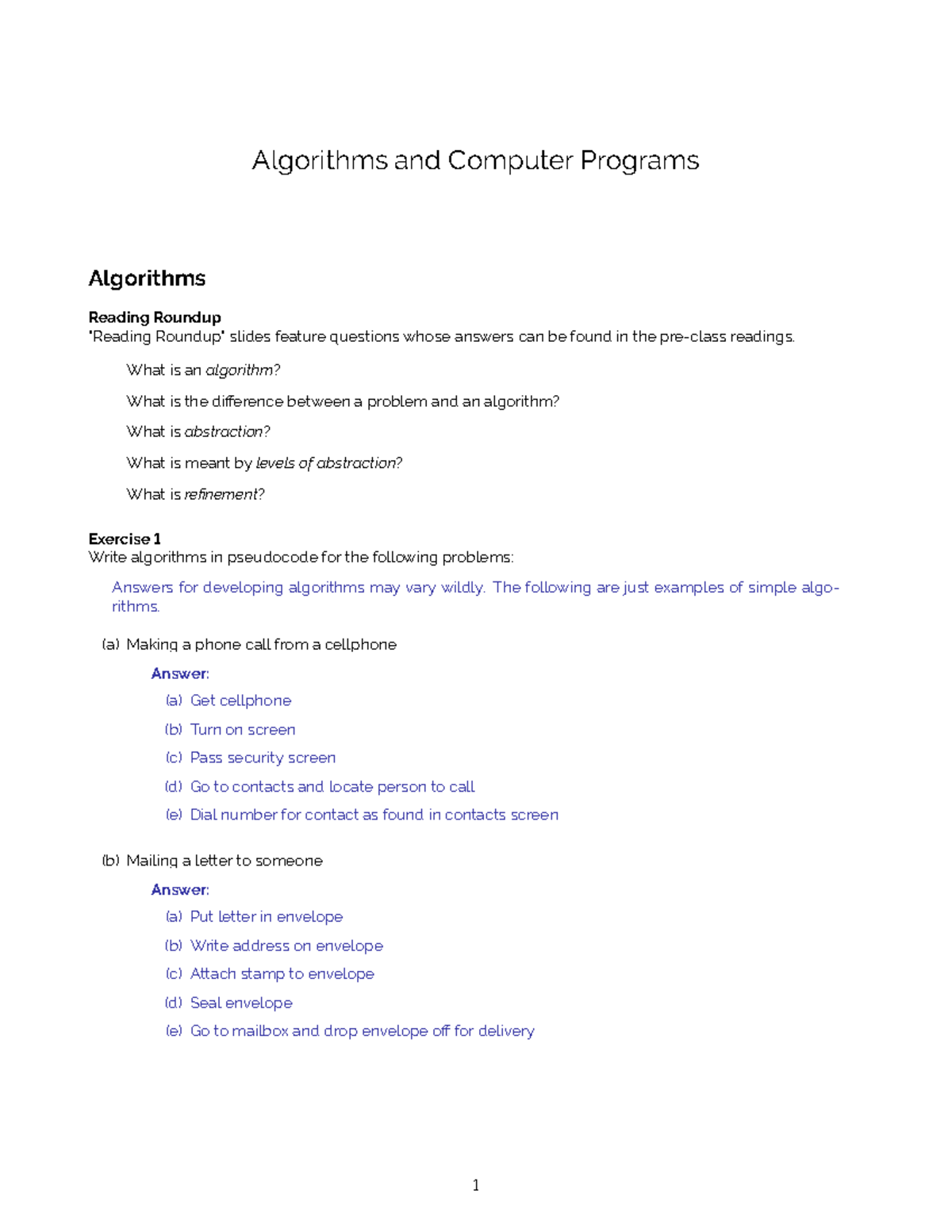
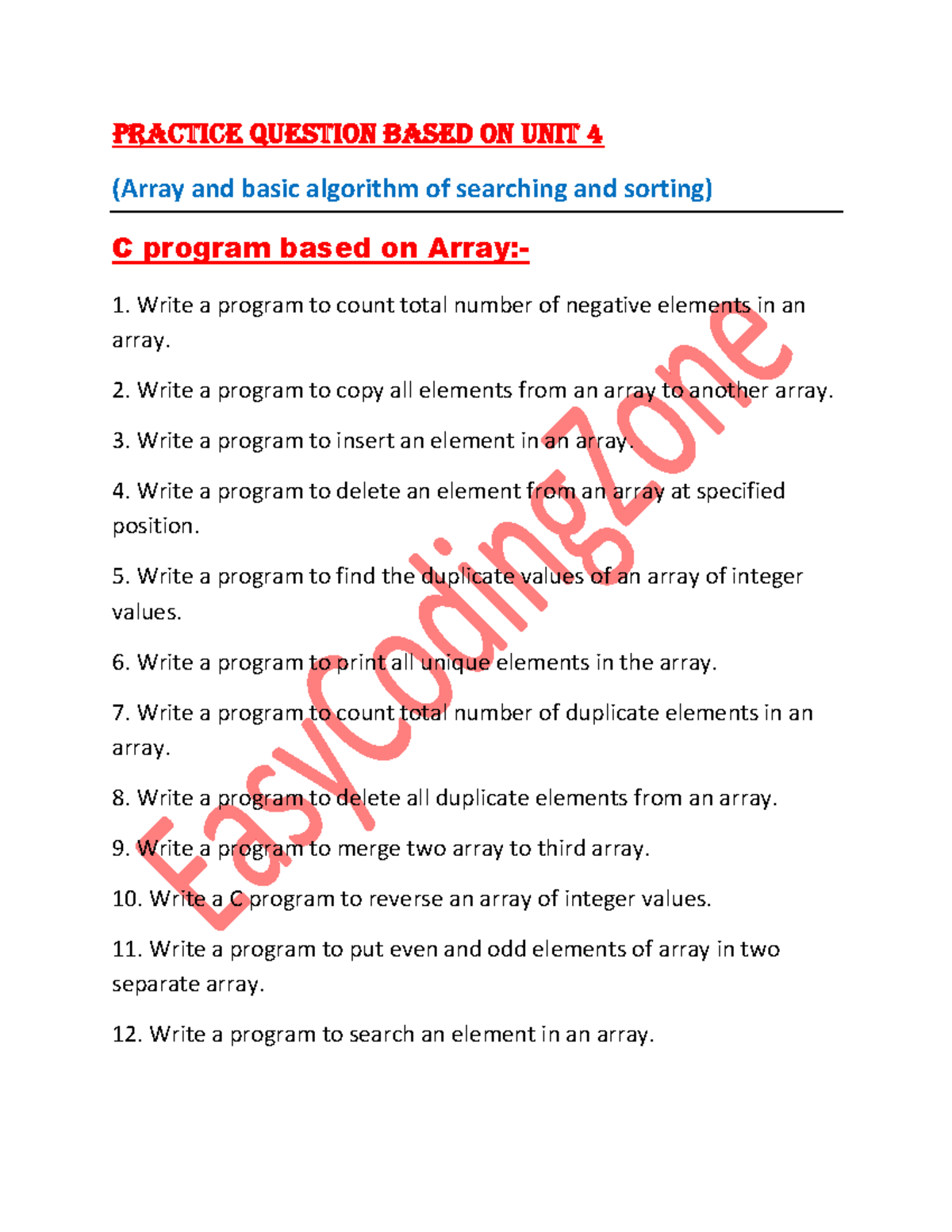
An algorithm is a step-by-step set of instructions designed to solve a specific problem or perform a computation. In practice, algorithms power everything from e-commerce product recommendations and route optimization on GPS maps to fraud detection in financial transactions and sorting data in enterprise software.
Understanding how abstract computer science concepts translate into functioning systems requires looking at algorithms example in practice across multiple industries. Software engineers, data scientists, and system architects constantly evaluate computational complexity, time efficiency, and memory consumption to ensure that theoretical models scale efficiently under real-world loads. This guide explores the mechanics of practical algorithms, examines common implementation patterns, contrasts different approaches, and provides structural insights into deploying them effectively.
The Foundations of Practical Algorithms
Before examining specific use cases, it is necessary to understand what distinguishes theoretical computer science from real-world software engineering. An algorithm on a whiteboard is judged by its asymptotic behavior—typically expressed using Big O notation to describe how execution time or space requirements grow as the input size increases. In practice, however, developers must contend with hardware constraints, caching behavior, parallel processing, and network latency.
A practical algorithm must handle messy, incomplete, or malformed data. While textbook examples often assume pristine arrays and well-formed integers, production systems encounter null values, type mismatches, and sudden spikes in concurrency. Therefore, building an algorithm into a robust application involves adding input validation, error handling, and graceful degradation strategies.
Characteristics of Production-Ready Code
- Determinism and Reproducibility: Given the same input, a deterministic algorithm must yield the exact same output, which is crucial for debugging and auditing.
- Time and Space Efficiency: Production systems operate under strict latency budgets and memory ceilings. An algorithm with $O(n^2)$ time complexity might work for ten items, but fail catastrophically when $n$ reaches one million.
- Scalability: The ability to maintain performance characteristics as data volumes expand horizontally across distributed clusters or vertically on high-performance hardware.
- Maintainability: Clean, well-documented code that allows other engineers to understand, refactor, and extend the underlying logic without introducing regressions.
Classic Algorithms and Their Real-World Counterparts
Different computational problems require distinct algorithmic paradigms. The following sections examine how fundamental categories of algorithms solve practical problems in modern software engineering.
Searching and Sorting in Enterprise Databases
Searching and sorting form the bedrock of data processing. When a user queries a database containing millions of records, linear search ($O(n)$) is far too slow. Instead, database management systems rely on balanced tree structures—such as B-Trees—and hashing algorithms to achieve logarithmic ($O(\log n)$) or constant ($O(1)$) lookup times.
For example, when an e-commerce platform filters products by price range, the underlying database does not scan every row sequentially. It traverses a B-Tree index, isolating the subset of data matching the criteria almost instantaneously. Similarly, sorting algorithms like Timsort (a hybrid sorting algorithm derived from merge sort and insertion sort, used in languages like Python and Java) efficiently organize search results by customer rating or delivery speed before rendering them to the client interface.
Graph Traversal and Pathfinding in Logistics
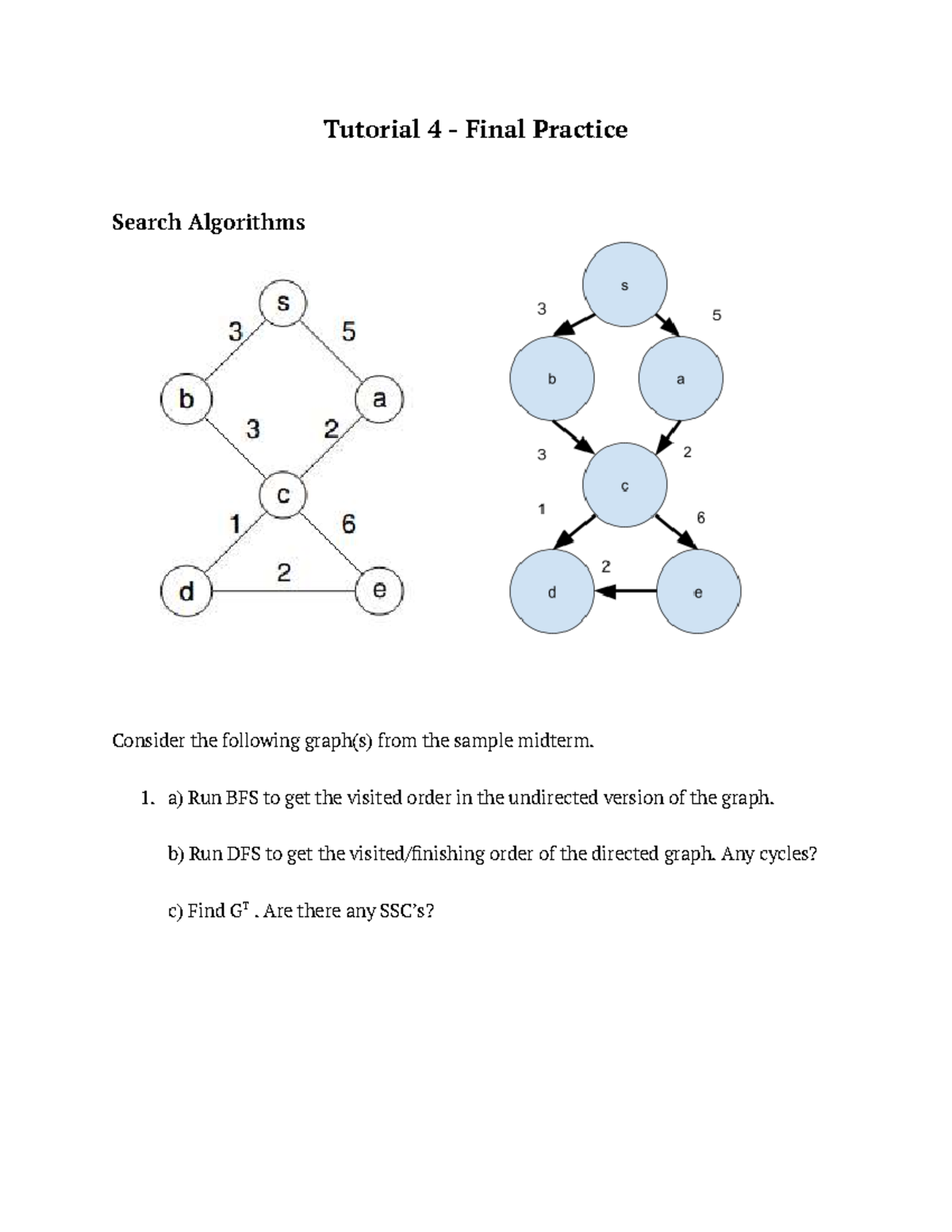
Graph algorithms model relationships between objects, making them indispensable for logistics, telecommunications, and social network analysis. A classic algorithms example in practice is Dijkstra's algorithm or the $A^*$ (A-star) search algorithm used in navigation software like Google Maps or OpenStreetMap.
In this context, intersections represent nodes, and roads represent weighted edges where the weight corresponds to distance, speed limits, or current traffic congestion.
- Node Initialization: The algorithm sets the starting node's tentative distance to zero and all other nodes to infinity.
- Priority Queue Processing: It visits the unvisited node with the lowest tentative distance, examining its neighbors.
- Edge Relaxation: For each neighbor, it calculates the distance through the current node. If this distance is less than the currently recorded value, it updates the shortest path.
- Termination: The process repeats until the destination node is reached or all reachable nodes are evaluated.
This process allows a delivery fleet to recalculate optimal routes dynamically when road closures or accidents occur, saving fuel and time.
Machine Learning and Recommendation Systems
Modern recommendation engines—such as those powering Netflix, Spotify, or Amazon—rely on collaborative filtering and clustering algorithms. Rather than manually categorizing user preferences, these systems analyze behavioral patterns across millions of users.
- K-Means Clustering: Groups users with similar viewing or purchasing habits into distinct clusters to target promotional content.
- Matrix Factorization: Decomposes user-item interaction matrices to predict how a specific user would rate an unrated product or movie.
- Collaborative Filtering: Recommends items based on the preferences of users who exhibit similar historical behavior.
These algorithms run asynchronously in batch processing pipelines or in real-time streaming architectures to update recommendations instantly as users interact with the platform.
Comparing Algorithmic Paradigms in Practice
Selecting the right algorithmic approach depends heavily on the operational constraints of the project. The table below compares common algorithmic categories across key operational dimensions.
| Algorithmic Paradigm | Primary Use Case | Time Complexity (Average) | Space Complexity | Real-World Trade-Offs |
|---|---|---|---|---|
| Hash Tables / Lookup | Database indexing, caching | $O(1)$ | $O(n)$ | Extremely fast lookups, but vulnerable to hash collisions and memory overhead. |
| Tree-Based (B-Trees) | Range queries, file systems | $O(\log n)$ | $O(n)$ | Excellent for sorted data and disk reads, requires rebalancing overhead on writes. |
| Graph Search ($A^*$) | Navigation, routing, game AI | $O(E \log V)$ | $O(V + E)$ | Highly accurate pathfinding, but memory-intensive on massive graphs. |
| Greedy Algorithms | Huffman coding, currency change | $O(n \log n)$ | $O(1)$ to $O(n)$ | Fast and simple to implement, but does not always yield the globally optimal solution. |
| Dynamic Programming | Knapsack problem, sequence alignment | $O(n \times m)$ | $O(n \times m)$ | Guarantees optimal solutions by storing sub-problem results, but consumes high memory. |
Implementation Challenges and Common Pitfalls
Translating a conceptual algorithm into production code introduces several operational risks. Even if an algorithm is mathematically sound, poor implementation can lead to severe performance bottlenecks or system outages.
Memory Leaks and Garbage Collection Pressure
Algorithms that create excessive intermediate objects during execution—such as recursive implementations without tail-call optimization or deep object cloning—can overwhelm garbage collectors in languages like Java, JavaScript, or C#. In high-throughput backend systems, this leads to "stop-the-world" garbage collection pauses, spiking latency percentiles (e.g., p99 latency).
Concurrency and Thread Safety
When multiple threads execute an algorithm against shared data structures (such as updating a shared cache or modifying a graph during traversal), race conditions can corrupt data. Implementing proper synchronization mechanisms—such as mutexes, read-write locks, or lock-free data structures—is essential, though synchronization introduces its own overhead and risk of deadlocks.
Worst-Case Complexity Realization
While an algorithm may perform exceptionally well on average, certain input distributions can trigger its worst-case complexity. A classic example is Quicksort operating on an already-sorted array with a poor pivot selection strategy, degrading performance from $O(n \log n)$ to $O(n^2)$ and causing stack overflow errors due to excessive recursion depth.
Troubleshooting and Optimizing Practical Algorithms
When a deployed algorithm fails to meet performance expectations, systematic profiling and optimization are required.
Identify Performance Bottleneck
- Run Profiling Tool (e.g., CPU / Memory Profiler)
- Analyze Big O vs. Real-World Hardware Limits
- Optimize Code
- Scale Hardware
- Verify Results via Load Testing
- Analyze Big O vs. Real-World Hardware Limits
- Run Profiling Tool (e.g., CPU / Memory Profiler)
Profile Before Optimizing: Never guess where a bottleneck lies. Use application performance monitoring (APM) tools and profilers to measure CPU cycles, memory allocation, and I/O wait times.
Examine Data Structures: Often, poor algorithmic performance stems from using the wrong data structure. For instance, checking membership in a standard list takes $O(n)$ time, whereas using a hash set reduces it to $O(1)$.
Implement Caching (Memoization): For algorithms with overlapping sub-problems (such as dynamic programming or recursive calculations), cache previous results to avoid redundant computations.
Consider Parallelism: If an algorithm can be broken down into independent tasks (e.g., map-reduce operations or matrix multiplications), offload execution to multi-core processors or distributed worker nodes.
Frequently Asked Questions
What is a real-world example of an algorithm?
An everyday example of an algorithm is the GPS navigation system on a smartphone. It takes your current location and destination as inputs, processes road maps and live traffic data using graph search algorithms like $A^*$, and outputs the fastest route and turn-by-turn directions.
Why do software engineers need to know algorithms if libraries already implement them?
While standard libraries provide robust implementations of common algorithms (like sorting and hashing), engineers must understand underlying mechanics to choose the correct data structure, avoid performance bottlenecks, troubleshoot scaling issues, and design custom algorithms for novel business logic.
How do I know if my algorithm is scalable?
Scalability is evaluated by analyzing how execution time and memory consumption grow as the input size ($n$) increases, using Big O notation. Load testing your application with production-scale data volumes and monitoring resource utilization under peak concurrency confirms theoretical projections.
What is the difference between a heuristic algorithm and an exact algorithm?
An exact algorithm guarantees finding the absolute optimal solution to a problem, but may take an unacceptably long time for large inputs (NP-hard problems). A heuristic algorithm sacrifices absolute optimality to find a sufficiently good solution quickly, making it practical for real-time systems.
Can algorithms be patented or copyrighted?
In most jurisdictions, pure abstract mathematical algorithms cannot be patented. However, software that implements an algorithm to achieve a specific technical effect or solve a practical industrial problem may be eligible for patent protection or protected as trade secrets and proprietary source code.
Next Actions and Implementation Guidance
To apply these concepts effectively in your projects, start by auditing your current codebase for performance bottlenecks using lightweight profiling tools. Review database queries to ensure proper indexing is in place, replacing sequential scans with tree or hash-based lookups where appropriate. When designing new features, evaluate data volumes early to select algorithms with scalable time and space complexities, ensuring your systems remain responsive as user bases and datasets grow.