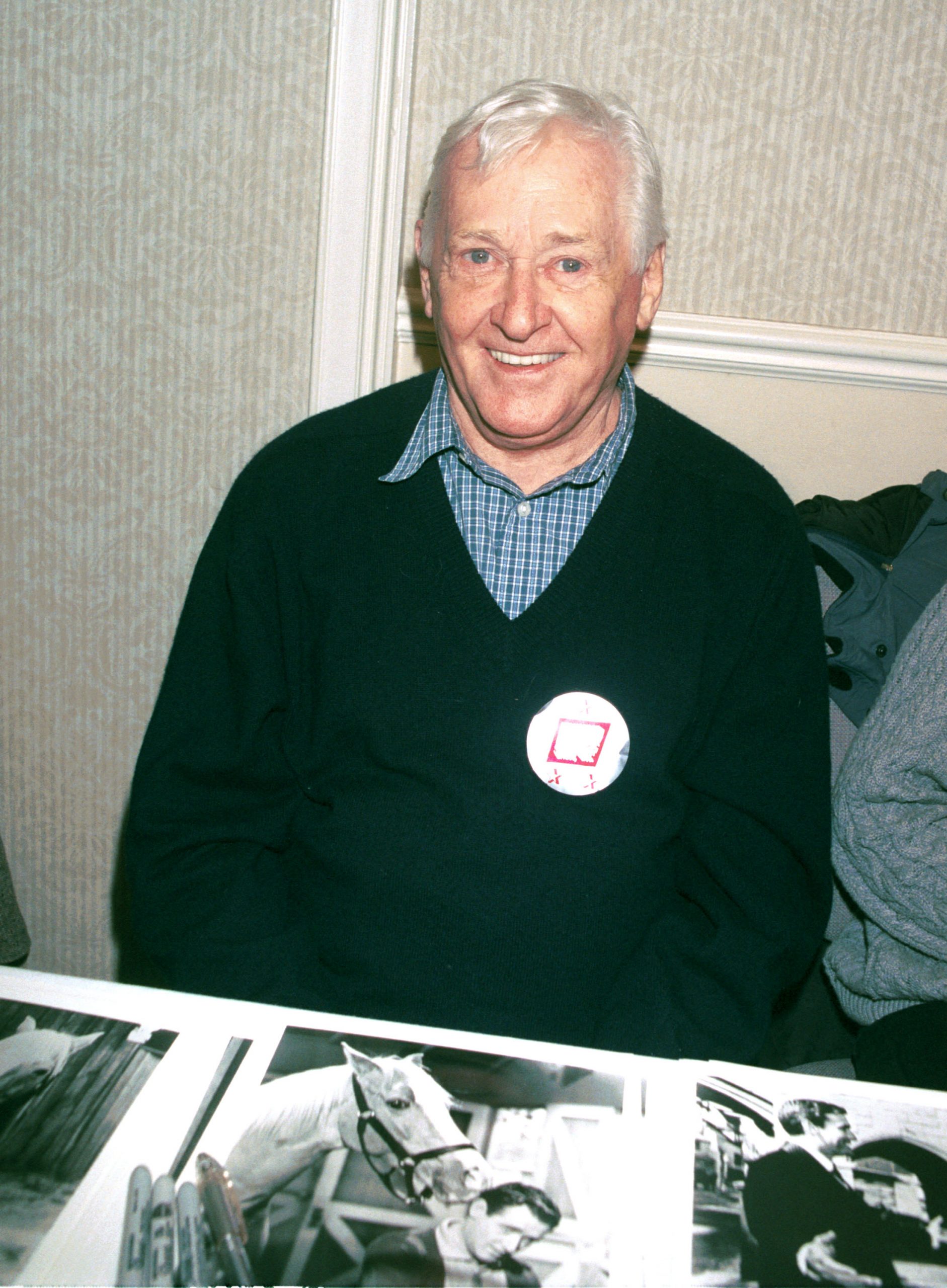
At the time of his passing in 2016, the estimated net worth of Alan Young was reported to be approximately $2 million. This valuation reflects a lifetime of consistent work in film, television, radio, and voice acting, most notably recognized for his role as Wilbur Post in the classic television series Mister Ed and his long-standing tenure as the voice of Scrooge McDuck for The Walt Disney Company.
The Career Foundations of Alan Young
Alan Young, born Angus Young in 1919 in North Shields, England, possessed a career that spanned over seven decades. His path to financial stability in the entertainment industry was not built on a single blockbuster success, but rather on a sustained ability to adapt across multiple mediums. Before he became a household name in American television, Young established himself in the Canadian radio circuit. During the 1940s, his radio variety show, The Alan Young Show, became a significant cultural touchstone, showcasing his talent for comedy and voice characterization.
This early success in radio provided the leverage necessary to transition into film. By the late 1940s and throughout the 1950s, he secured roles in major motion pictures, including Margie (1946) and Androcles and the Lion (1952). In an era before the massive salary inflation seen in modern Hollywood, Young’s income was derived from consistent acting contracts and residuals. His financial management during this period was characterized by the standard practices of the mid-20th-century studio system, where talent was often under long-term, stable, but lower-ceiling contracts compared to the independent agent-driven models of today.
The Financial Impact of Mister Ed
The most significant financial milestone in Alan Young’s professional life was arguably his casting in Mister Ed. Running from 1961 to 1966, the show became an iconic piece of American television history. As the series lead, Wilbur Post, Young was the central figure around which the entire production revolved.
In terms of net worth, the impact of Mister Ed was twofold. First, the per-episode salary provided a high level of liquidity during the mid-1960s. Second, and perhaps more importantly for his long-term financial health, the success of the show ensured his professional relevance for the subsequent decades. While television actors of the 1960s rarely enjoyed the lucrative syndication backend deals seen in later decades (such as those for Seinfeld or Friends), the prestige of leading a successful, multi-season network series allowed Young to command higher appearance fees for guest roles and voice-over work throughout the 1970s and 1980s.
Longevity through Voice Acting
While many actors see their earnings decline as they age, Alan Young’s financial trajectory was bolstered by his transition into voice acting—a medium where age and physical appearance are not primary constraints. His association with The Walt Disney Company, specifically as the voice of Scrooge McDuck, introduced his work to entirely new generations.
Starting with Mickey's Christmas Carol in 1983 and continuing through DuckTales and various video game appearances, Young solidified his status as a legendary voice talent. Voice acting work is generally compensated through scale-plus contracts, but the sheer volume of work provided by Disney over three decades created a reliable revenue stream. For an actor in the latter half of his career, this steady income from voice-over work serves as a prime example of professional diversification, mitigating the volatility often associated with on-camera acting.
Asset Management and Historical Financial Context
To understand the figure of $2 million, one must consider the historical context of wealth accumulation for actors of Young’s generation. In the 1960s, 70s, and 80s, the tax landscape and investment vehicles available to performers were significantly different from those in 2026.
- Taxation: High marginal tax rates in the mid-20th century meant that a significant portion of an actor's gross income was paid to the federal government, limiting the potential for massive wealth accumulation compared to modern stars.
- Residuals: The Screen Actors Guild (SAG) residual structure was less comprehensive in the early years of television than it is today. While Young did benefit from these payments, the historical inflation-adjusted value of those residuals is often lower than the public perceives.
- Real Estate and Lifestyle: Like many professionals in the Los Angeles area during his active years, a significant portion of Young’s net worth was likely tied up in his primary residence. Fluctuations in the California real estate market over the decades would have played a role in his total net worth at the time of his passing.
Comparison of Financial Milestones
The following table outlines the major phases of Alan Young’s career and the primary sources of his professional income during those periods.
| Career Phase | Primary Medium | Income Source | Economic Context |
|---|---|---|---|
| 1940s | Radio | Variety Show Salary | Post-war radio peak |
| 1950s | Film | Studio Contracts | Classical Hollywood era |
| 1961–1966 | Television | Mister Ed Lead Salary | Network television golden age |
| 1970s–2000s | Voice Acting | Per-session/Scale fees | Shift toward animation/Voice work |
Frequently Asked Questions
How was Alan Young's net worth calculated at the time of his passing? Net worth estimates for public figures are typically based on a combination of documented real estate holdings, known salary histories from public records, and estimations of residual income from long-running series like Mister Ed and DuckTales. The $2 million figure represents his estimated liquid and fixed assets after accounting for liabilities.
Did Alan Young receive significant residuals from DuckTales? While exact private contracts remain confidential, actors involved in long-running animation franchises generally receive ongoing compensation through union-mandated residuals. Given the immense success and frequent rebroadcasting of DuckTales, this was a consistent, albeit modest, component of his annual income for many years.
How does his net worth compare to other actors of the Mister Ed era? Compared to the high-earning stars of today, $2 million is modest; however, for a television actor from the early 1960s, it represents a successful career of consistent employment. Many actors from that era did not transition into the lucrative voice-over work that Young successfully maintained for decades.
Is it common for voice actors to accumulate significant wealth? Voice acting provides high stability compared to on-camera work, but it rarely hits the "megastar" wealth levels of leading film actors. Success in voice acting is usually defined by "work volume"—being the voice of a single, popular character for many years—which allows for a comfortable, stable financial lifestyle.
Did he have other business ventures outside of acting? Alan Young was primarily a career performer. Unlike many modern celebrities who leverage their fame for entrepreneurial ventures or equity stakes in companies, Young maintained a relatively traditional career path, focusing on his craft as an actor and voice artist.
Conclusion and Next Steps
The financial legacy of Alan Young is a testament to the power of longevity and medium-versatility in the entertainment industry. While his estimated net worth of $2 million might seem small by the standards of modern A-list celebrities, it represents a sustained, successful career that avoided the common pitfalls of bankruptcy or extreme financial volatility.
For those looking to research the financial history of actors from the mid-20th century, the best next steps include reviewing archival records from the Screen Actors Guild and examining public property records in Los Angeles County, which often serve as the most accurate indicators of historical wealth for individuals of his era. Understanding these figures requires looking past the glitz of Hollywood and focusing on the consistency of the underlying work contracts and long-term asset retention.