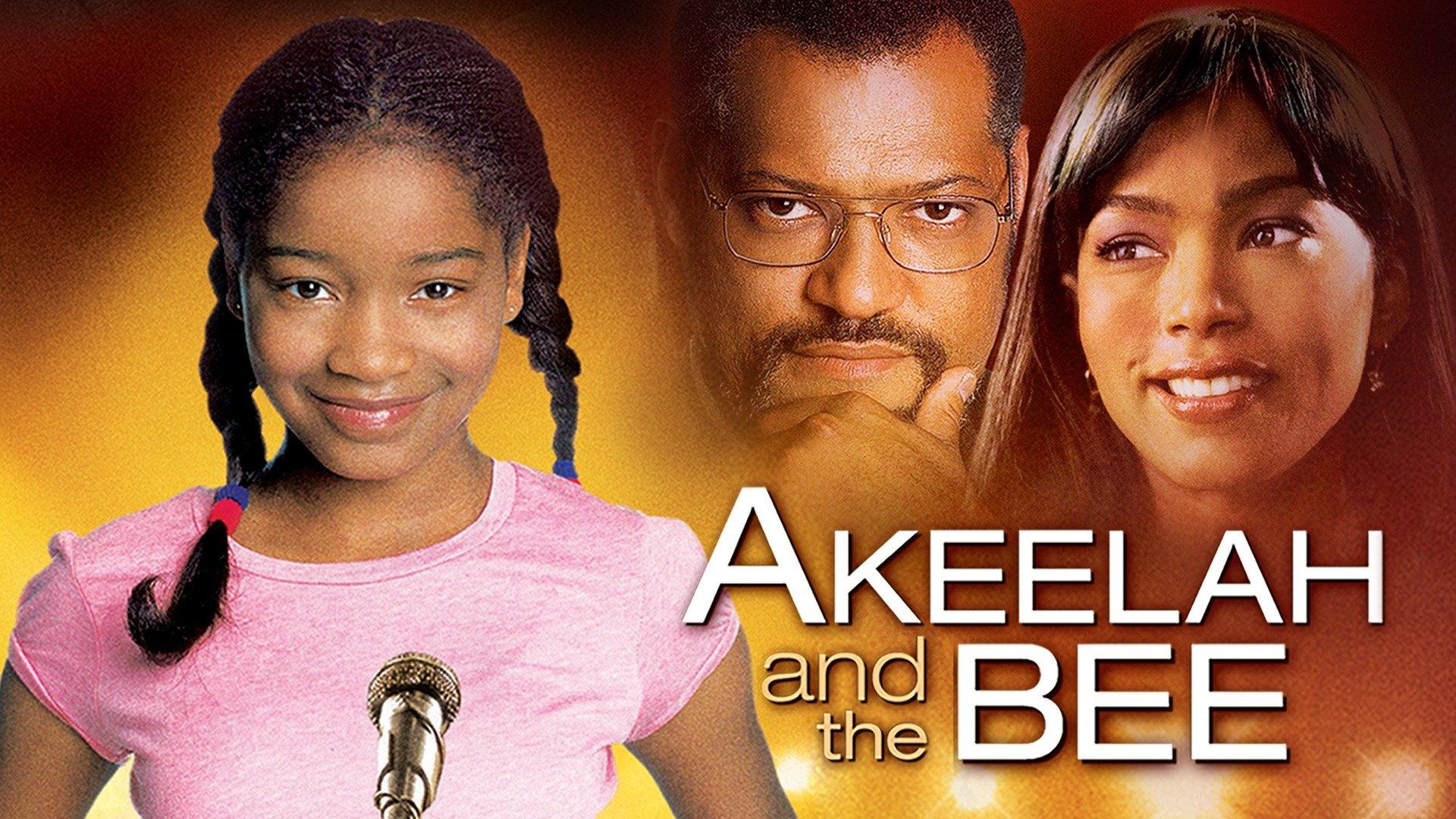
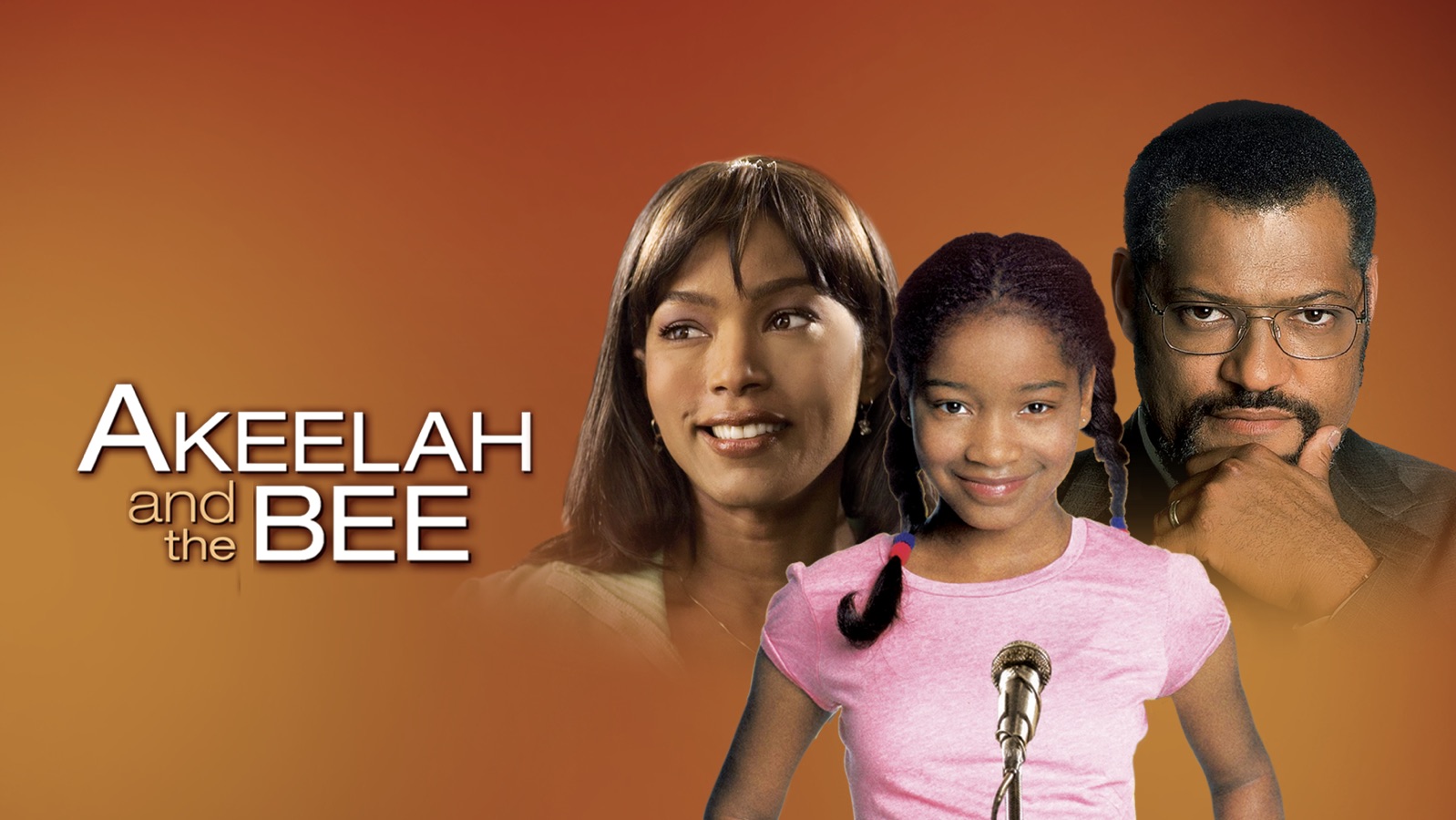
In the climax of the 2006 film Akeelah and the Bee, protagonist Akeelah Anderson wins the Scripps National Spelling Bee after correctly spelling the word pulchritude. She shares the championship title with her rival-turned-friend, Dylan Chiu, in a display of sportsmanship that redefined educational dramas for a generation.
The 2006 film, which remains a staple of educational cinema as of 2026, tells the story of an 11-year-old girl from South Los Angeles who overcomes socioeconomic barriers and personal grief to compete at the highest level of linguistic skill. While Akeelah Anderson is a fictional character, her journey mirrors the real-world intensity, technical rigor, and emotional stakes of the Scripps National Spelling Bee. Understanding how Akeelah wins requires an analysis of her coaching, the linguistic strategies she employed, and the unique rules of the competition that allowed for a dual championship.
The Narrative Path to the National Stage
Akeelah’s journey begins in a classroom in Crenshaw, where her teacher notices her innate talent for spelling. However, the path from a local middle school to the national stage in Washington, D.C., involves more than just memorizing letters. It requires navigating a complex ecosystem of regional qualifiers and intensive academic preparation.
Overcoming the "Crenshaw" Stigma
One of the primary obstacles Akeelah faces is the lack of resources and the social pressure within her community. Initially, she hides her intelligence to avoid being labeled a "brainiac" or "nerd" by her peers. The film highlights the "acting white" trope, where academic success is sometimes unfairly stigmatized in underserved communities. Akeelah’s victory is significant because it represents a collective triumph for her neighborhood, which eventually rallies behind her, helping her study and providing the emotional support necessary to reach the finals.
The Mentorship of Dr. Joshua Larabee
Akeelah’s success is inseparable from her coach, Dr. Joshua Larabee (played by Laurence Fishburne). Dr. Larabee, a former spelling bee contestant himself, introduces Akeelah to a more sophisticated method of learning. Instead of rote memorization, he teaches her:
- Etymology: Understanding the Greek, Latin, and French roots of English words.
- Phonetics: Recognizing how different languages of origin influence the sound-to-letter mapping (e.g., the "sh" sound in a French-derived word vs. a German-derived word).
- Discipline: Using a metronome to establish a rhythmic "tapping" technique on her thigh, which helps her focus and pace her spelling during high-pressure rounds.
Breaking Down the Final Round: The Spelling of "Pulchritude"
The climax of the film takes place at the Scripps National Spelling Bee. After several grueling rounds, only Akeelah and Dylan Chiu remain. The tension in the final round is not just about the difficulty of the words, but the psychological pressure of the "Championship Word" rule.
The Word: Pulchritude
The winning word, pulchritude, is derived from the Latin pulcher (beautiful) and the suffix -tude (indicating a state or condition). It means physical beauty or comeliness. In the film, Akeelah pauses before spelling the word, reflecting on the lessons she learned from Dr. Larabee and the support of her community.
To spell it correctly, a contestant must navigate the "ch" which produces a "k" sound (common in Latin/Greek roots) and ensure the "i" is used rather than a "y" or "e" in the middle syllable. Akeelah’s successful spelling—P-U-L-C-H-R-I-T-U-D-E—secures her place in history.
The Shared Victory with Dylan Chiu
In a poignant moment of the film, Dylan Chiu is pressured by his father to win at all costs. Akeelah, recognizing Dylan’s distress, intentionally attempts to miss a word so Dylan can win. However, Dylan catches on and refuses to win by default. He intentionally misses a word as well, forcing the competition into a tie-break situation where both contestants eventually emerge as co-champions.
This narrative choice reflects a real-world phenomenon in spelling bees where the "word list" is exhausted, or the remaining finalists are so evenly matched that they are declared co-winners.
Technical Mechanics of the Scripps National Spelling Bee
To understand the magnitude of Akeelah's win, one must look at the technical requirements of the real-world competition that the movie depicts. The Scripps National Spelling Bee is governed by strict procedural rules that have evolved significantly over the decades.
Eligibility and Regional Rounds
Contestants must be under a certain age (typically not having passed the eighth grade) and must win their school and regional bees. In the movie, Akeelah must first win her school bee, then place in the district and regional bees before qualifying for the national finals. In 2026, these regional pathways often involve digital testing components and "word-meaning" rounds that were less prominent in 2006.
The Role of the Pronouncer
In the film, the interaction between Akeelah and the pronouncer is crucial. Contestants are allowed to ask for:
- Definition: The official meaning of the word.
- Part of Speech: Whether it is a noun, verb, or adjective.
- Language of Origin: The etymological history (Latin, Greek, Old English, etc.).
- Alternate Pronunciations: To hear if the word has different regional accents.
- Use in a Sentence: To provide context and disambiguate homonyms.
Akeelah uses these tools strategically to narrow down the spelling of unfamiliar words, a technique used by all elite spellers to derive the spelling through logic rather than just memory.
Comparison: Fictional vs. Real National Spelling Bee Wins
While Akeelah and the Bee is a dramatization, its portrayal of the competition is grounded in the reality of the early 2000s. Since the film's release, the Scripps National Spelling Bee has seen several notable real-world milestones that echo the themes of the movie.
| Feature | Akeelah Anderson's Win (Movie) | Real-World Scripps Bee Context |
|---|---|---|
| Winning Word | Pulchritude | Historically used words include succedaneum, guetapens, and erysipelas. |
| Number of Winners | 2 (Akeelah and Dylan) | Co-champions occurred in 2014, 2015, 2016, and an "Octochamp" 8-way tie in 2019. |
| Preparation Style | Etymology and rhythmic tapping | Intensive study of the "Words of the Champions" and etymological databases. |
| Winning Prize | Trophy and prestige | Large cash prizes, scholarships, and media appearances. |
| Key Conflict | Socioeconomic and family pressure | Extreme academic pressure and "spelling bee parents." |
Linguistic Strategies for High-Level Spelling
Akeelah’s victory was not a fluke; it was built on linguistic science. For those looking to replicate her success or understand the technical depth of the competition, several key strategies are employed by national-level champions.
Understanding Word Roots
Most difficult words in the English language are not "English" in origin. For example, if a word is French, the "sh" sound is often spelled ch (as in chef). If the word is Greek, the "k" sound is often ch (as in character). Akeelah’s ability to ask for the language of origin allowed her to apply these rules in real-time.
The Schwa Sound Challenge
The "schwa" (represented as /ə/) is the most common vowel sound in English, often sounding like a muffled "uh." It can be represented by any vowel (a, e, i, o, u). For a speller, this is the most dangerous sound. In the word pulchritude, the 'i' can sometimes sound like a schwa. A speller must know the Latin root pulchritudo to know that the vowel is an 'i' and not an 'a' or 'u'.
Mastery of Suffixes and Prefixes
Knowing that -tude is a common Latin suffix for abstract nouns (like fortitude, solitude, or gratitude) helps a speller deduce the end of a word once they have identified the root. Akeelah’s training with Dr. Larabee focused heavily on these patterns, reducing the amount of "raw" memorization needed.
The Cultural Legacy of Akeelah’s Victory
As of 2026, Akeelah and the Bee is celebrated for its 20th anniversary. Its legacy is found in how it humanized the "spelling bee kid" archetype. Before the film, spelling bees were often seen as niche competitions for a specific demographic. Akeelah showed that linguistic excellence could emerge from any zip code, regardless of background.
The film also highlighted the importance of the Scripps National Spelling Bee as a vehicle for social mobility and self-discovery. By winning the bee, Akeelah didn't just get a trophy; she gained the confidence to stand up for herself and the academic foundation to pursue higher education.
Influence on Later Media
The success of the movie paved the way for other documentaries and films about academic competitions, such as Spellbound (2002 documentary) and various series that highlight the "mental athlete." It proved that the intellectual rigors of spelling could be as cinematically compelling as any sports movie.
Common Mistakes to Avoid in Spelling Competitions
Aspiring spellers can learn from the errors of Akeelah's competitors in the film. Common pitfalls in the national bee include:
- Rushing: Starting to spell before fully understanding the word’s origin or definition.
- Assuming English Phonetics: Trying to spell a foreign-derived word as if it were a standard English word.
- Forgetting to ask for a sentence: Misunderstanding a homonym (e.g., spelling discrete when the word was discreet).
- Mental Fatigue: Losing focus during the late-night rounds of the competition.
Akeelah’s use of the rhythmic tapping served as a "grounding" mechanism to prevent these mistakes, keeping her pulse steady and her mind clear.
Frequently Asked Questions
Is Akeelah Anderson a real person?
No, Akeelah Anderson is a fictional character portrayed by Keke Palmer in the 2006 film Akeelah and the Bee. While the character is fictional, the Scripps National Spelling Bee depicted in the movie is a real and highly prestigious annual event in the United States.
What was the final word Akeelah spelled to win?
The final word Akeelah spelled to win the championship was pulchritude. She spelled it correctly as P-U-L-C-H-R-I-T-U-D-E. This word means physical beauty and is derived from Latin.
Who coached Akeelah for the national spelling bee?
Akeelah was coached by Dr. Joshua Larabee, a professor and former speller played by Laurence Fishburne. His coaching focused on the etymology of words and the use of rhythmic tapping to manage the stress of the competition.
Can there be two winners in the real Scripps National Spelling Bee?
Yes, it is possible for there to be multiple winners. In the real Scripps National Spelling Bee, co-championships have occurred several times, most notably between 2014 and 2016, and a historic eight-way tie in 2019. The rules allow for co-champions if the word list is exhausted or if a specific set of championship rounds is completed.
Why is the word "pulchritude" significant in the movie?
"Pulchritude" is significant because it represents the culmination of Akeelah’s academic and emotional growth. The word's meaning (beauty) also serves as a metaphor for Akeelah finding the beauty in herself, her community, and her intellect, despite the hardships she faced.
Recommendations for Aspiring Spellers
For students inspired by Akeelah's victory, the first step is to engage with the official resources provided by the Merriam-Webster Unabridged Dictionary, which serves as the final authority for the Scripps Bee. Building a foundation in Latin and Greek roots is essential, as approximately 60% of the English language is derived from these sources.
Furthermore, participating in local library programs and school bees is the most effective way to build the "stage presence" required for the national finals. Like Akeelah, successful spellers must balance intense individual study with a supportive community that values academic achievement.