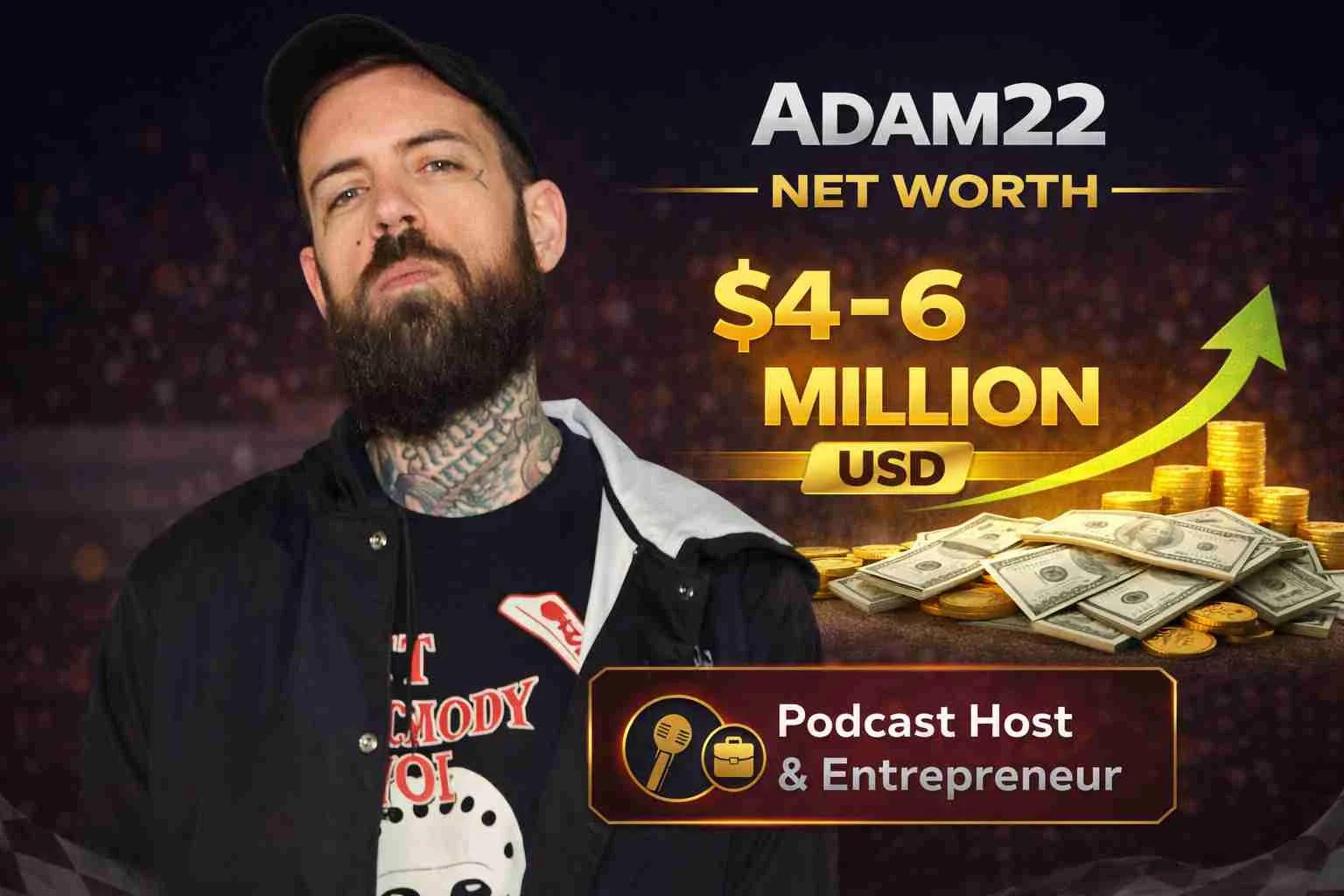
AJ Catanzaro’s net worth reflects a multifaceted career as a professional motocross racer, prominent riding coach, and entrepreneur within the motorsports industry, estimated by various independent industry watchers to fall within the range of $1 million to $5 million. Because private individuals in the action sports industry are not legally required to publicly disclose their private financial portfolios, exact figures remain speculative. His financial standing is primarily built through professional racing earnings, specialized training camps, sponsorship agreements, and the operation of his high-profile training business.
Understanding the financial architecture of professional athletes in niche sports like motocross requires looking beyond base salaries. While top-tier premier class riders in fields like Monster Energy AMA Supercross command substantial factory contracts, riders who transition into coaching, management, and private business ventures often create diversified, long-term revenue streams. AJ Catanzaro’s path illustrates how modern professional riders leverage athletic expertise, digital media, and specialized instruction to build sustainable commercial success long after stepping away from full-time premier racing.
The Professional Motocross and Supercross Foundation
The financial journey of any professional motorcycle racer begins in the competitive crucible of the American Motorcyclist Association (AMA) Supercross and Motocross championships. AJ Catanzaro competed as a professional racer for over a decade, racing against the fastest dirt bike riders in the world.
Entering the professional ranks requires immense financial investment during the amateur years. Families often spend tens of thousands of dollars annually on equipment, travel, entry fees, and specialized training before a rider ever earns a professional license. Once a rider turns professional, income structures vary wildly based on team support:
- Factory-Supported Riders: Elite riders signed to major factory teams (such as Honda, Yamaha, Kawasaki, or KTM) receive substantial base salaries, healthcare, and fully funded machinery.
- Privateer Riders: The vast majority of professional racers, often classified as privateers, rely heavily on personal sponsors, contingency payouts (bonus money paid by manufacturers for finishing in specific positions), and out-of-pocket expenses.
During his racing career, Catanzaro navigated the challenging landscape of professional competition, earning crucial results, securing regional sponsorships, and building the industry reputation that would later serve as the bedrock for his business ventures. While racing purses and contingency checks contributed to his initial earnings, the competitive arena primarily functioned as a credential-building phase for his long-term career.
Transition from Racer to Elite Motocross Coach
The most significant driver of long-term revenue for career athletes often occurs off the track. For AJ Catanzaro, the strategic pivot from competing to coaching proved to be a pivotal financial turning point. Motocross is a hyper-technical sport requiring precise body positioning, throttle control, psychological resilience, and bike setup knowledge. Many amateur riders and parents are willing to invest heavily in professional instruction to accelerate learning curves and prevent injuries.
Catanzaro established himself as a premier riding coach, eventually founding Moto Academy. This venture transformed individual coaching sessions into a structured, scalable business model. Coaching revenue in the motorsports industry typically stems from several distinct streams:
- Private Training Sessions: One-on-one coaching allows trainers to command premium hourly or daily rates.
- Group Motocross Camps: Multi-day riding camps held at various tracks across the country generate high-volume revenue through registration fees, facility partnerships, and brand sponsorships.
- Digital Training Platforms: Subscription-based video libraries, online technique guides, and virtual coaching consultations allow trainers to scale their expertise globally without physical attendance constraints.
By building a recognized brand around coaching, Catanzaro created an asset that generates continuous revenue independent of his personal racing participation. This shift from labor-based trading of time for money to building proprietary instructional systems is a hallmark of successful athletic entrepreneurship.
Sponsorships, Brand Partnerships, and Industry Influence
In the action sports ecosystem, personal brand equity translates directly into commercial value. AJ Catanzaro maintained relationships with numerous prominent brands within the motorcycle industry, ranging from apparel and helmet manufacturers to aftermarket performance parts companies.
Sponsorship revenue in motorsports rarely relies on a single contract. Instead, it is typically a mosaic of cash retainers, product supply agreements (free or heavily discounted equipment), and affiliate marketing commissions. A rider with a strong reputation for professionalism, technical knowledge, and media engagement commands higher endorsement values.
Furthermore, digital media has altered how athletes monetize their influence. Platforms like YouTube, Instagram, and specialized training websites allow figures like Catanzaro to capture direct advertising revenue, sponsored content fees, and merchandise sales. The integration of high-definition instructional content and vlogs creates an engaged audience that supports ancillary product lines, further stabilizing personal net worth.
Financial Breakdown of a Motocross Entrepreneur
To understand the composition of an industry professional's wealth, financial analysts evaluate liquid assets, business valuations, real estate holdings, and recurring revenue streams. While exact figures for Catanzaro are private, the table below outlines the general financial categories typical of successful motorsports entrepreneurs and coaches.
| Asset Category | Revenue / Value Source | Financial Impact |
|---|---|---|
| Business Equity | Moto Academy and training infrastructure | High potential valuation based on recurring digital subscriptions and camp revenue. |
| Coaching & Camps | Multi-day riding events and private lessons | Consistent cash flow driven by high demand for specialized action sports instruction. |
| Sponsorships & Media | Brand endorsements, digital ads, and affiliate sales | Variable income scaling directly with social media reach and industry reputation. |
| Racing Career Earnings | AMA purses, contingency bonuses, and team salaries | Historical foundational capital acquired during active professional racing years. |
| Real Estate & Assets | Personal property, training equipment, and vehicles | Long-term tangible assets providing stability and operational utility. |
Common Misconceptions About Motocross Net Worth
Public interest in celebrity and athlete net worth often leads to widespread misinformation across online aggregator websites. Numerous unauthorized biography and finance blogs publish entirely fabricated figures regarding athletes, actors, and motorsports figures.
It is essential to distinguish between verified business revenue and speculative estimates. Common errors in online net worth reporting include:
- Confusing Gross Business Revenue with Personal Net Worth: A training academy or business entity may generate hundreds of thousands of dollars in gross annual revenue, but operational overhead, employee wages, insurance, track rentals, and taxes significantly reduce the owner's actual take-home income and personal net worth.
- Overestimating Racing Purses: Unlike stick-and-ball sports (such as the NFL or NBA), where minimum salaries are guaranteed in the millions, professional motocross racing features a very steep financial pyramid. Only the top five to ten riders in the country secure multi-million dollar annual compensation packages; the rest rely heavily on supplementary income sources.
- Ignoring Asset Liquidity: Much of an entrepreneur's wealth is tied up in non-liquid assets, such as training property, specialized equipment, inventory, and business intellectual property.
Frequently Asked Questions
Who is AJ Catanzaro?
AJ Catanzaro is a former professional AMA Supercross and Motocross racer who has transitioned into a prominent industry entrepreneur, professional riding coach, and the founder of Moto Academy. He is widely recognized in the American dirt bike community for his technical riding instruction and instructional media content.
What is AJ Catanzaro’s estimated net worth?
Independent industry analysts estimate AJ Catanzaro’s net worth to be between $1 million and $5 million. This estimate accounts for his career racing earnings, long-term coaching revenue, business ownership of Moto Academy, and various brand partnerships within the motorsports sector.
How does Moto Academy generate revenue?
Moto Academy generates revenue through a combination of live multi-day motocross training camps held at various tracks, private coaching sessions, branded merchandise sales, and digital subscription platforms offering instructional videos and technical riding breakdowns.
Did AJ Catanzaro race in the premier AMA Supercross class?
Yes, Catanzaro competed in the professional ranks of American motocross and supercross for over a decade, racing against top-tier competitors in regional and national events before focusing full-time on coaching and business ventures.
Why do online net worth figures for athletes often vary?
Online finance and biography sites frequently publish unverified, algorithmic estimates without access to private tax returns, corporate ledgers, or real estate portfolios. Consequently, published figures for niche sports figures should be viewed as generalized estimates rather than audited financial facts.
Summary and Practical Next Actions
Evaluating the financial standing of figures like AJ Catanzaro demonstrates that long-term financial stability in action sports requires a successful pivot from athletic competition to entrepreneurship. By leveraging his competitive credentials to build a scalable training business, Catanzaro created a diversified asset portfolio that extends far beyond the lifespan of a traditional racing career.
For aspiring riders, entrepreneurs, and motorsports enthusiasts studying industry economics, the primary takeaway is the importance of diversification. Relying solely on competitive prize money is financially precarious; building proprietary educational content, strong brand partnerships, and scalable service-oriented businesses offers a sustainable blueprint for long-term commercial success in specialized industries.