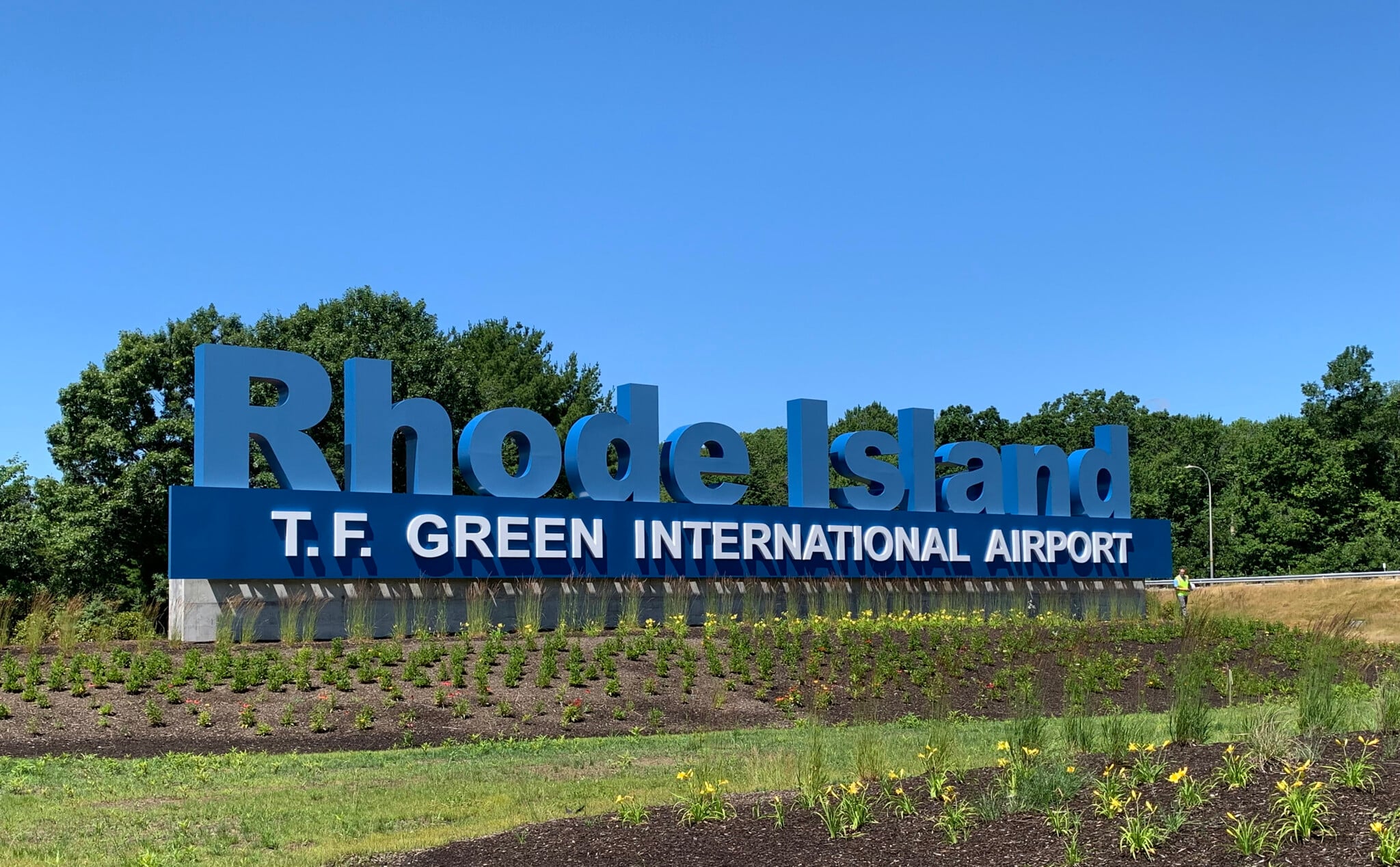
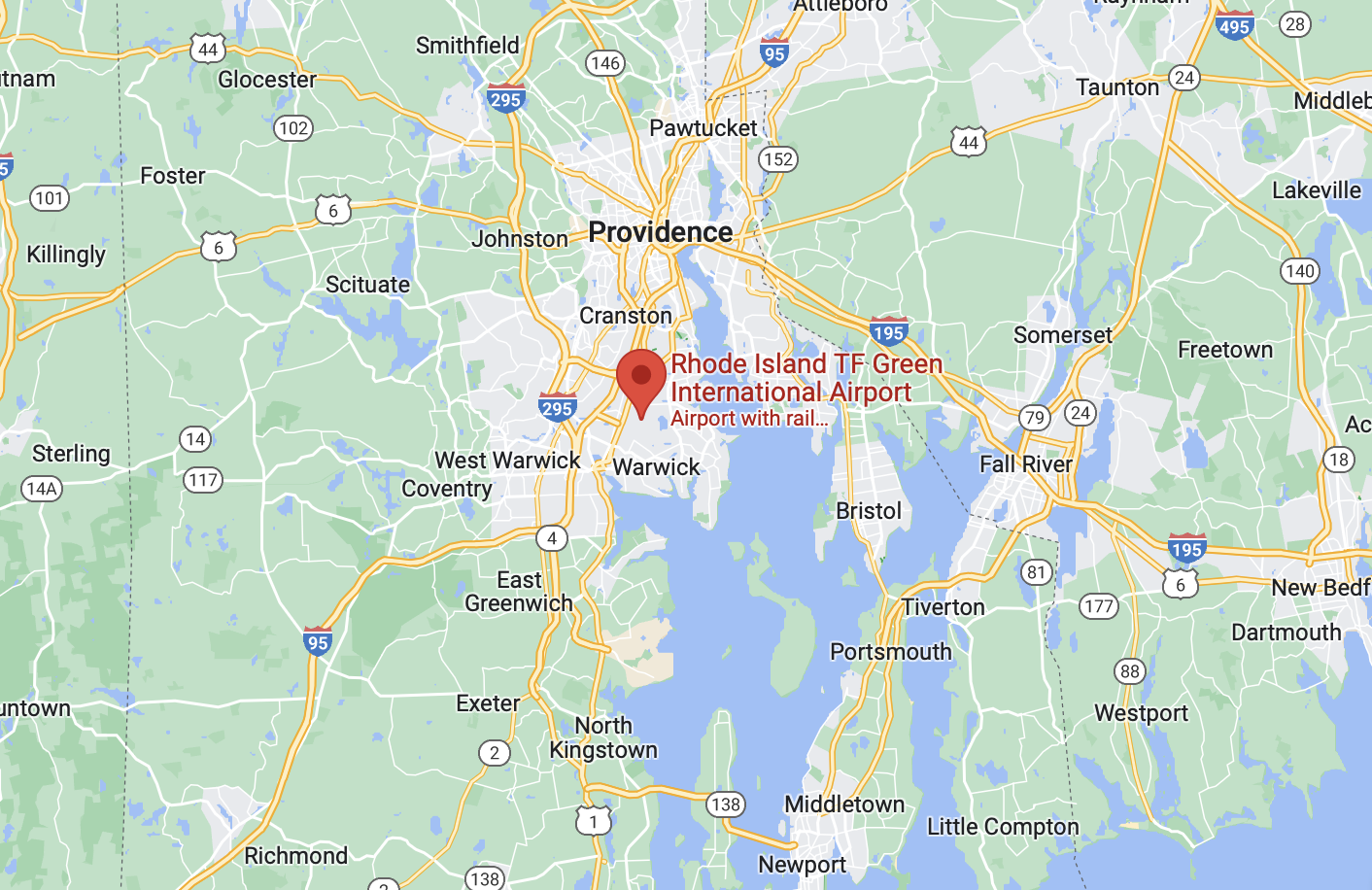
Rhode Island features six primary state-owned airports managed by the Rhode Island Airport Corporation (RIAC). The system is anchored by Rhode Island T.F. Green International Airport (PVD) in Warwick, which serves as the state’s sole commercial hub. Five additional general aviation airports—North Central, Quonset State, Westerly, Newport, and Block Island—provide essential links for private pilots, regional charters, and seasonal tourism.
Rhode Island may be the smallest state in the U.S., but its aviation infrastructure is outsized in its efficiency and strategic importance. For travelers, the state offers a streamlined alternative to the congestion of Boston’s Logan International Airport. For pilots and businesses, the decentralized network of general aviation (GA) fields ensures that no point in the state is more than a 20-minute drive from an airfield. As of 2026, these facilities have seen significant infrastructure investments, focusing on sustainable energy integration, terminal modernization, and expanded regional connectivity.
Rhode Island T.F. Green International Airport (PVD): The Primary Gateway
Located in Warwick, just south of the capital city of Providence, Rhode Island T.F. Green International Airport (PVD) is the crown jewel of the state's aviation system. For decades, it has positioned itself as the "hassle-free" alternative to larger hubs in the Northeast.
Terminal Layout and Passenger Experience
The airport operates out of a single, highly efficient terminal building. This layout minimizes walking distances between security checkpoints and gates, a feature often cited by regular travelers as a primary reason for choosing PVD. By 2026, the terminal has undergone several modular renovations to incorporate touchless biometric boarding and expanded lounge areas for frequent flyers.
The terminal is divided into two concourses (North and South). While it handles millions of passengers annually, the design maintains a sense of local identity, featuring Rhode Island-based eateries and retail shops. The "green" in T.F. Green is increasingly literal; the airport has implemented extensive LEED-certified upgrades to its HVAC and lighting systems as part of its 2030 carbon-neutrality goals.
Airline Carriers and Destinations
PVD serves as a significant base for several low-cost and legacy carriers. Southwest Airlines remains a dominant player, offering frequent "point-to-point" service to major hubs in the Midwest and South. Breeze Airways, which established a base of operations at PVD in the early 2020s, has significantly expanded its footprint by 2026, connecting Rhode Island to underserved markets across the U.S. West and South.
Major legacy carriers, including American Airlines, Delta Air Lines, and United Airlines, provide multiple daily flights to their respective hubs in Philadelphia, Charlotte, Atlanta, and Washington D.C. International service, while more seasonal, typically includes routes to Canada and the Caribbean, with ongoing efforts to secure year-round European connections using long-range, narrow-body aircraft.
The InterLink: Multi-Modal Connectivity
One of PVD’s greatest strengths is its integration with regional transit through the InterLink facility. This multi-modal hub connects the airport terminal to a consolidated rental car center and a commuter rail station.
The MBTA (Massachusetts Bay Transportation Authority) Providence/Stoughton Line stops here, providing direct rail service to downtown Providence and Boston’s South Station. This makes Rhode Island T.F. Green a viable "secondary" airport for the Greater Boston area, especially for travelers looking to avoid the high parking costs and traffic density of the Massachusetts capital.
The General Aviation Network: Rhode Island’s Five State Airports
Beyond the commercial success of T.F. Green, the Rhode Island Airport Corporation manages five general aviation airports. These facilities are vital for disaster relief, corporate travel, flight training, and the state's robust tourism economy.
1. North Central State Airport (SFZ)
Located in Smithfield and Lincoln, North Central State Airport serves as the primary "reliever" airport for PVD. Its proximity to Providence makes it a preferred choice for corporate executives and private jet owners who need quick access to the city's financial district.
The facility features two runways and offers comprehensive Fixed Base Operator (FBO) services, including aircraft maintenance, fueling, and hangar storage. SFZ is also a hub for flight training, hosting several schools that train the next generation of commercial pilots.
2. Quonset State Airport (OQU)
Quonset State Airport, located in North Kingstown, is a unique hybrid facility. It serves both civilian and military functions, being the home of the Rhode Island Air National Guard (143rd Airlift Wing).
Technically, OQU is one of the most capable airports in the state, featuring a massive 7,504-foot runway capable of handling large cargo aircraft and military transports. It sits within the Quonset Business Park, one of the premier industrial parks in the Northeast. This makes it an essential asset for logistics companies and high-tech manufacturing firms that require immediate air-freight access.
3. Westerly State Airport (WST)
Westerly State serves the southwestern corner of the state and is the primary jumping-off point for visitors headed to the upscale coastal communities of Watch Hill and Misquamicut.
More importantly, Westerly is the mainland hub for New England Airlines, which provides the only scheduled commuter service to Block Island. The flight is one of the shortest scheduled commercial routes in the United States, taking approximately 12 minutes. The airport also supports significant seasonal private traffic during the summer months.
4. Newport State Airport (UUU)
Located in Middletown, just minutes from the historic City by the Sea, Newport State Airport is the quintessential tourist airfield. It caters almost exclusively to general aviation and charter services.
During the peak summer season, Newport State sees a high volume of helicopters and light twin-engine aircraft bringing visitors to the Newport Jazz and Folk Festivals. Due to the noise-sensitive nature of the surrounding residential areas, the airport operates under strict voluntary noise abatement procedures. It lacks a control tower, so pilots operate via Common Traffic Advisory Frequency (CTAF).
5. Block Island State Airport (BID)
Block Island State is the lifeline for the island's residents and a major destination for weekend aviators. Located in the center of the island, the airport features a single 2,502-foot runway.
Because the island is only accessible by ferry or air, BID is critical for the delivery of mail, emergency medical evacuations (Medevac), and light freight. The airport environment is challenging due to frequent coastal fog and crosswinds, making it a "bucket list" destination for experienced private pilots.
Comparative Overview of Rhode Island Airports
The following table summarizes the key technical specifications and primary roles of the six airports within the state system.
| Airport Name | Code | City/Town | Main Runway Length | Primary Function |
|---|---|---|---|---|
| T.F. Green International | PVD | Warwick | 8,700 ft | Commercial / International |
| Quonset State | OQU | North Kingstown | 7,504 ft | Military / Industrial / Cargo |
| North Central State | SFZ | Smithfield | 5,000 ft | Corporate / Reliever / Training |
| Westerly State | WST | Westerly | 4,010 ft | Regional Commuter / Tourism |
| Newport State | UUU | Middletown | 2,999 ft | Charter / Private / Tourism |
| Block Island State | BID | New Shoreham | 2,502 ft | Essential Island Access |
Strategic Advantages of Rhode Island Aviation
Choosing Rhode Island’s airports over larger regional neighbors like Boston Logan (BOS) or New York’s John F. Kennedy (JFK) offers several distinct advantages for both passengers and operators.
Operational Efficiency
At PVD, the average time from the curb to the gate is significantly lower than at major hubs. The airport's smaller footprint allows for faster taxi times for aircraft, which translates to fewer delays and better on-time performance. For 2026, PVD continues to rank as one of the most "user-friendly" airports in the nation in various travel surveys.
Economic Impact and Business Integration
The Rhode Island Airport Corporation is a major economic engine for the state. By maintaining a network of GA airports, the state attracts businesses that value executive mobility. Quonset State, in particular, is a model for how an airport can anchor an industrial ecosystem, supporting thousands of jobs in shipbuilding, logistics, and ocean technology.
Sustainable Aviation Initiatives
By 2026, the RIAC has implemented several forward-looking environmental policies. This includes the installation of electric charging stations for future e-VTOL (electric Vertical Take-Off and Landing) aircraft at PVD and Newport. Furthermore, the state has invested in solar arrays located on airport property to offset the electrical demands of terminal operations.
Pilot and General Aviation Considerations
For the private pilot community, Rhode Island offers a diverse flying environment within a very small geographic area.
- Airspace Complexity: Much of the state sits under the outer shelves of the Class C airspace surrounding PVD. Pilots must be diligent with radio communications and transponder requirements when navigating the corridor between Providence and the coast.
- Weather Patterns: Coastal fog is a significant factor, particularly for Block Island (BID) and Newport (UUU). IFR (Instrument Flight Rules) capability is highly recommended for pilots flying into the islands during the spring and fall.
- FBO Services: Most GA airports in the state are serviced by reputable FBOs that offer fuel (100LL and Jet-A), oxygen, and pilot lounges. North Central (SFZ) is generally regarded as having the most robust maintenance facilities for piston and light turbine aircraft.
Frequently Asked Questions
What is the main airport in Rhode Island?
The primary airport is Rhode Island T.F. Green International Airport (PVD), located in Warwick. It handles all major commercial airline traffic and provides international connections. It is situated about 10 miles south of downtown Providence.
Can you fly internationally from Rhode Island?
Yes, T.F. Green International (PVD) offers international flights. While the destinations vary by season, there are typically direct or one-stop connections to Canada, the Caribbean, and occasionally European destinations. Most international travel from RI involves a connection through major hubs like Atlanta or Philadelphia.
How do I get from T.F. Green Airport to Boston?
The most efficient way is via the MBTA Commuter Rail, which accessible directly through the airport's InterLink facility. The Providence/Stoughton Line connects the airport to Boston's South Station. Alternatively, several shuttle services and car rentals are available, with the drive taking approximately 60 to 90 minutes depending on traffic.
Is there a flight to Block Island?
Yes, New England Airlines operates scheduled flights between Westerly State Airport (WST) and Block Island State Airport (BID). The flight takes roughly 12 minutes. Charters are also available from other airports like PVD or Newport, but Westerly is the standard departure point.
Which airport is closest to Newport, RI?
Newport State Airport (UUU) in Middletown is the closest, located just three miles from the center of Newport. However, this airport does not serve major commercial airlines. If you are flying on a commercial carrier like Delta or Southwest, you must fly into T.F. Green International (PVD) and then drive or take a shuttle approximately 30-40 minutes to Newport.
Are there private jet facilities in Rhode Island?
All six state airports support private aviation, but North Central State (SFZ) and Quonset State (OQU) are the most frequently used for corporate jets due to their longer runways and specialized FBO services. T.F. Green (PVD) also has a dedicated general aviation ramp for private arrivals.
Practical Recommendation for Travelers
If you are planning a trip to the Rhode Island or South Coast Massachusetts region in 2026, prioritize flying into T.F. Green International (PVD) over Boston Logan. The ease of navigation, shorter security lines, and the integrated rail link to both Providence and Boston make it a significantly more efficient choice. For those visiting the islands or coastal Newport, consider booking a regional charter or the Westerly-to-Block Island shuttle to bypass summer ferry traffic, which can be considerable during peak months.
Always check the Rhode Island Airport Corporation (RIAC) official website for the latest updates on airline routes, parking rates, and facility upgrades before your departure.