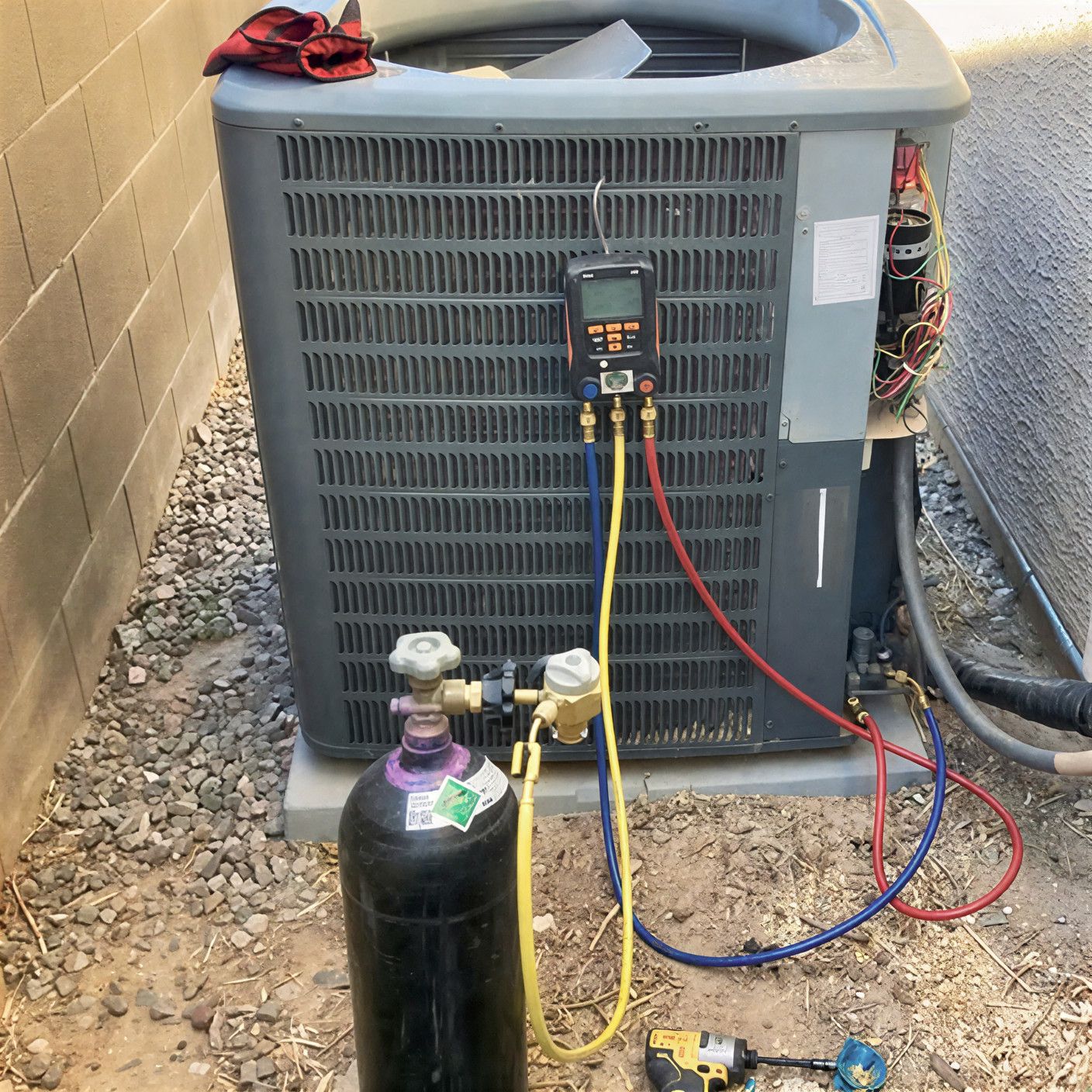
Effective air conditioning in Scottsdale requires high-efficiency systems capable of performing under extreme Sonoran Desert heat, where summer temperatures frequently exceed 110°F. In 2026, homeowners prioritize SEER2-compliant units, advanced filtration to combat seasonal dust, and smart integration with local utility demand-response programs to manage high cooling costs and ensure equipment longevity.
In Scottsdale, Arizona, an air conditioning system is not a luxury; it is life-support infrastructure. The region’s unique climatic profile—characterized by intense UV radiation, low humidity for much of the year, and localized "haboob" dust storms—places extraordinary physical stress on HVAC (Heating, Ventilation, and Air Conditioning) hardware. Navigating the complexities of system selection, maintenance, and energy management is essential for any resident looking to maintain indoor comfort without incurring prohibitive utility bills.
The Technical Reality of Cooling the Sonoran Desert
The primary challenge for air conditioning in Scottsdale is the extreme temperature differential. When outdoor ambient temperatures hit 115°F, a residential AC unit must work significantly harder to reject heat from the indoors to the outdoors. This process is governed by the second law of thermodynamics, which states that heat naturally flows from a warmer space to a cooler one. To reverse this, the system uses a refrigerant cycle that requires substantial electrical energy and robust mechanical components.
In 2026, the transition to A2L refrigerants (such as R-454B and R-32) is fully realized in the consumer market. These refrigerants replaced the older R-410A standard due to global warming potential (GWP) regulations. For Scottsdale homeowners, this means that new installations utilize more environmentally friendly chemicals, though these systems require specific handling procedures and specialized tools during installation and repair.
Heat Load and Manual J Calculations
Before installing or replacing a unit, a "Manual J" load calculation is the industry standard required to determine the precise cooling needs of a home. In Scottsdale, this calculation must account for:
- Solar Gain: The amount of heat entering through windows, particularly those facing west and south.
- Insulation R-Values: The effectiveness of attic and wall insulation in resisting heat flow.
- Air Infiltration: How much hot, dry desert air leaks into the home through gaps in doors or windows.
- Occupancy and Appliances: Internal heat generated by residents and electronic equipment.
An oversized unit will "short cycle," turning on and off too frequently, which leads to uneven cooling and premature compressor failure. Conversely, an undersized unit will run continuously, failing to reach the thermostat setpoint and drastically shortening the lifespan of the motor.
Understanding Efficiency: SEER2 Standards in 2026
Efficiency is measured by the Seasonal Energy Efficiency Ratio 2 (SEER2). As of the current 2026 standards, the Department of Energy (DOE) mandates higher minimum efficiencies for the Southwest region compared to northern states.
The U.S. Department of Energy established SEER2 to provide a more accurate reflection of real-world performance by testing equipment against higher external static pressures. In Scottsdale, where AC units run for thousands of hours per year, investing in a unit that exceeds the minimum requirement (typically 14.3 SEER2 for split systems in this region) often results in a "payback period" of less than five years through reduced energy consumption.
Variable-Speed vs. Single-Stage Systems
For the Scottsdale climate, the distinction between compressor types is critical:
- Single-Stage: These units are either 100% on or 100% off. They are the most affordable but are less efficient and can lead to temperature swings.
- Two-Stage: These offer a "high" and "low" setting. The low setting handles cooling on 90°F days, while the high setting kicks in during the 110°F+ peaks.
- Variable-Speed (Inverter): These systems can adjust their output in increments of 1%, matching the cooling demand precisely. In 2026, inverter technology is the gold standard for Scottsdale, as it provides the most consistent dehumidification and efficiency during the "Monsoon" season.
System Types and Their Suitability for Scottsdale
| System Type | Best Suited For | Pros | Cons |
|---|---|---|---|
| Central Split System | Standard single-family homes | Highly effective, uses existing ductwork | Requires extensive duct maintenance |
| Heat Pump | Modern energy-efficient homes | Provides both heating and cooling; highly efficient | Higher upfront cost than AC-only units |
| Ductless Mini-Split | Home offices, casitas, or additions | Targeted cooling, no duct loss, very quiet | Visible wall-mounted indoor units |
| Packaged Unit | Homes with roof-mounted systems | Saves ground space, easier to access for some | Exposed to direct desert sun and heat |
The Rise of Heat Pumps in Arizona
While "air conditioning" is the common term, many Scottsdale residents are switching to high-performance heat pumps. In 2026, modern heat pumps are remarkably efficient even in the desert. Because Scottsdale winters are mild, a heat pump eliminates the need for a separate gas furnace, reducing the home's carbon footprint and simplifying the mechanical infrastructure. Organizations like the Air Conditioning, Heating, and Refrigeration Institute (AHRI) provide certified performance data that helps homeowners compare the cooling capacity of these units in high-heat environments.
The Impact of Scottsdale’s Environment on Maintenance
The environment in Scottsdale is uniquely hostile to mechanical equipment. Two factors, in particular, dictate the maintenance schedule: heat and dust.
The "Monsoon Factor" and Dust Management
During the summer monsoon season (typically July through September), Scottsdale experiences high winds and "haboobs" (massive dust storms). This fine particulate matter coats the outdoor condenser coils. When coils are dirty, they cannot effectively release heat, causing the system to overheat and consume more electricity.
Professional maintenance should include a chemical coil cleaning at least once a year. Additionally, high-MERV (Minimum Efficiency Reporting Value) filters are recommended to protect indoor air quality, though they must be changed more frequently—often every 30 days during peak summer—to prevent airflow restriction.
Indoor Air Quality (IAQ) and Filtration
Beyond simple cooling, AC systems in Scottsdale play a vital role in managing indoor air quality. With high pollen counts and desert dust, many 2026 systems are equipped with:
- UV-C Germicidal Lights: Installed inside the air handler to prevent mold growth on the evaporator coil.
- HEPA Filtration: Often integrated into the return air path to capture microscopic allergens.
- ERVs (Energy Recovery Ventilators): These allow for fresh air exchange without losing the "cool" energy of the indoor air, which is essential for tightly sealed modern homes.
Cost Considerations and Utility Programs in 2026
The cost of air conditioning in Scottsdale is split into two categories: capital expenditure (installation) and operational expenditure (monthly bills).
Installation Costs
In 2026, the average cost for a full system replacement in a 2,000-square-foot Scottsdale home ranges from $8,500 to $15,000, depending on the efficiency rating and the complexity of the ductwork. This price includes the outdoor condenser, indoor air handler/furnace, and basic thermostat integration.
Managing Operational Costs with SRP and APS
Scottsdale is served primarily by two utility providers: Arizona Public Service (APS) and Salt River Project (SRP). Both utilities offer complex rate plans and incentive programs that significantly impact how residents use their AC.
- Time-of-Use (TOU) Plans: These plans offer lower rates during "off-peak" hours but much higher rates during the late afternoon (typically 4 PM to 7 PM). Homeowners often use "pre-cooling" strategies—dropping the temperature to 70°F before 4 PM and then letting it rise to 78°F during peak hours.
- Demand Response: Many 2026 smart thermostats can communicate directly with the utility provider. During grid emergencies, the utility may slightly adjust the thermostat to reduce the load, often providing the homeowner with an annual bill credit.
- Rebates: Both APS and SRP provide substantial rebates for upgrading to high-efficiency SEER2 units or installing smart thermostats. It is advisable to consult their official websites for current 2026 rebate levels before purchasing.
Common Pitfalls and Solutions
When dealing with Scottsdale HVAC systems, certain mistakes can lead to unnecessary expenses:
- Neglecting the Condensate Line: In the humid monsoon season, AC units produce significant amounts of water. If the drain line clogs with algae or dust, it can cause water damage to the ceiling or floor. Installing an automated float switch can prevent this.
- Using Incorrect Refrigerant: With the 2025/2026 phase-out of R-410A, ensuring that a technician uses the correct new-generation refrigerant is vital for system safety and performance.
- Ignoring Duct Leaks: The Air Conditioning Contractors of America (ACCA) notes that the average home loses 20% to 30% of its conditioned air through leaks in the ductwork. In an attic that reaches 150°F, leaky ducts are a massive energy drain. Duct sealing (using mastic or aerosol-based sealants) is often as important as the unit itself.
FAQs
What is the ideal thermostat setting for a Scottsdale summer?
The Department of Energy generally recommends 78°F when you are home and higher when you are away. However, due to the extreme heat in Scottsdale, many residents find 75°F to 76°F more comfortable. Using a smart thermostat to "pre-cool" the home during off-peak hours can help maintain comfort while lowering costs.
How often should I service my AC in Scottsdale?
Systems in Scottsdale should be professionally serviced twice a year: once in the spring before the heat hits, and once in the fall before the heating season begins. The spring service is the most critical, as it ensures the system is chemically cleaned and the refrigerant levels are optimal for the 110°F+ days.
Can I repair an old R-22 or R-410A system in 2026?
While repairs are technically possible, they have become increasingly expensive. R-22 is no longer manufactured, and R-410A production has been significantly curtailed by 2026. If an older system has a major component failure (like a compressor or evaporator coil leak), the cost of the refrigerant alone often makes a full system replacement more economically viable.
Do I really need a high-SEER2 unit?
Yes. Because the cooling season in Scottsdale lasts for 6 to 8 months, the energy savings from a higher SEER2 rating accumulate quickly. A 18-SEER2 unit can reduce cooling costs by up to 20-30% compared to a 14-SEER2 unit, which can equate to hundreds of dollars in savings annually in the Arizona climate.
Why is my AC running constantly but the house isn't getting cooler?
This is usually caused by a dirty condenser coil, a frozen evaporator coil (often due to a dirty filter), or low refrigerant levels. In the Scottsdale heat, if the system cannot "reject" the heat outdoors because of dirt or mechanical failure, it will run indefinitely without lowering the temperature.
Practical Recommendation for Homeowners
For the most reliable and cost-effective air conditioning in Scottsdale, prioritize a variable-speed heat pump system with a rating of at least 16 SEER2. Ensure the installation includes a comprehensive duct inspection and sealing. To maximize your investment, enroll in a recurring maintenance plan with a licensed contractor that includes semi-annual cleanings specifically focused on removing Sonoran desert silt from the outdoor coils. Finally, utilize your utility provider's Time-of-Use plan in conjunction with a smart thermostat to shift your heaviest cooling loads to off-peak hours.