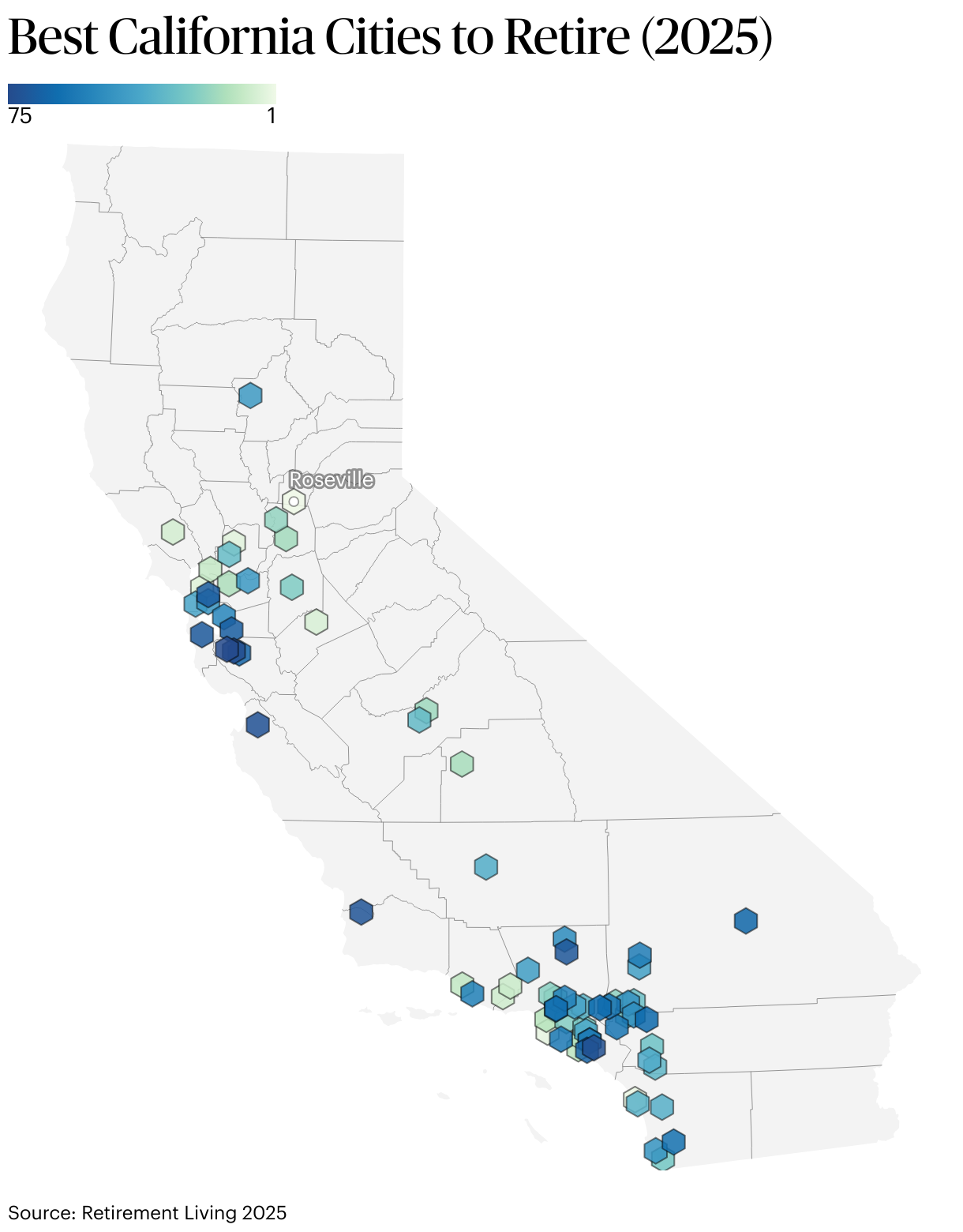
Retiring in California requires a careful balancing act between the state’s unmatched climate and cultural amenities and the realities of its high cost of living. While median home prices in coastal hubs remain prohibitive for many, retirees can successfully maintain a high quality of life by targeting inland regions, smaller agricultural communities, and mountainous areas where local housing markets and tax burdens are significantly more manageable.
Understanding the Financial Reality of California Retirement
California is often categorized as an expensive state, but this is a generalization that masks extreme local variation. As of 2026, the cost of living index in major metropolitan areas like San Francisco or Los Angeles is driven primarily by housing demand and local taxation. However, for retirees, the financial landscape is shaped by three primary factors: state income tax treatment, local property tax assessments, and the regional cost of essential goods and services.
California exempts Social Security benefits from state income tax, which provides a meaningful baseline of relief for most retirees. Additionally, the state offers property tax relief for seniors through programs like the California Property Tax Postponement Program, which allows eligible homeowners to defer payment of all or part of the property taxes on their principal residence. Understanding these structural financial benefits is the first step toward determining whether your retirement budget can thrive in the Golden State.
Evaluating Locations: The Inland Advantage
The search for affordability usually leads retirees away from the Pacific coastline and into the state’s interior. These regions often feature lower density, a slower pace of life, and housing options that reflect the local median income rather than international luxury demand.
The Central Valley Corridor
The Central Valley remains one of the most accessible regions for retirees looking for value. Cities like Fresno, Visalia, and Bakersfield offer housing costs that are significantly lower than the California state average.
- Climate: Hot, dry summers and mild winters.
- Lifestyle: Access to high-quality healthcare systems and proximity to national parks like Yosemite and Sequoia.
- Infrastructure: Extensive medical networks are present, though public transit is more limited compared to the Bay Area or Los Angeles.
The Foothills and Sierra Nevada Communities
For those prioritizing outdoor recreation, the Sierra Nevada foothills—specifically towns like Grass Valley or Auburn—provide a mid-tier cost of living. While home prices here have risen, they remain more attainable than urban centers. These communities offer a distinct four-season climate and a strong sense of small-town community, which is often a priority for retirees looking for social connection.
Northern California’s Rural Outposts
Regions north of Sacramento, such as Redding or Chico, offer a high degree of affordability. These areas are characterized by a lower cost of land, making them ideal for retirees interested in single-family homes with more space. The primary trade-off is distance from specialized metropolitan medical centers; however, these regions are increasingly investing in regional telehealth and senior-focused outpatient facilities.
Comparative Overview of Retirement Regions
To assess where you might best fit, consider the following trade-offs between different California regions. This data reflects general regional trends as of early 2026.
| Region | Cost of Housing | Healthcare Access | Climate Profile |
|---|---|---|---|
| Central Valley | Low | High | Hot/Dry |
| Sierra Foothills | Moderate | Moderate | Seasonal/Varied |
| Far North (Redding/Chico) | Low-Moderate | Moderate | Moderate/Hot |
| Central Coast (Inland) | High | Moderate | Mild/Temperate |
| Desert Communities | Low | Low-Moderate | Very Hot/Dry |
Essential Factors for Selecting a Location
Affordability is not merely the price of a house; it is the total cost of your ongoing lifestyle. When evaluating potential retirement spots, prioritize these three technical considerations:
1. Healthcare Proximity and Quality
As retirement progresses, the frequency of medical visits typically increases. Even if a town is affordable, you must evaluate the distance to the nearest "Level 1" trauma center or specialized geriatric care facility. If you choose a rural location, confirm that your health insurance network (specifically Medicare Advantage plans, if applicable) has adequate coverage in that specific zip code.
2. The Tax Burden Beyond Income Tax
While California does not tax Social Security, it does have a robust sales tax and local property tax structure. When viewing potential cities, use the California State Board of Equalization resources to check local sales tax rates. A town with lower housing costs but a significantly higher local sales tax can erode your monthly budget over time.
3. Transportation and Mobility
Many "affordable" areas in California are car-dependent. Consider how your retirement budget will change if you are required to maintain a vehicle, pay for insurance, and handle rising fuel costs. If a town lacks walkable infrastructure, you must factor the "hidden tax" of transportation into your overall affordability assessment.
Common Mistakes to Avoid
Retirees often encounter pitfalls that can quickly destabilize their financial plans. Avoiding these common errors is critical:
- Ignoring Homeowners Insurance Costs: Due to wildfire risk in many of California’s affordable mountain and foothill communities, homeowners insurance premiums have risen sharply. Always obtain a formal insurance quote for a specific property before finalizing a purchase; in some regions, the cost of insurance can mimic a second mortgage payment.
- Overestimating Rental Income: If you plan to rent part of your property or a secondary unit to supplement income, research local ordinances. Many California municipalities have strict regulations on Accessory Dwelling Units (ADUs) and short-term rentals that could impede your financial strategy.
- Assuming Uniformity: Do not assume that a neighboring town shares the same tax rate or service level as the city you are currently researching. In California, special tax districts can cause significant discrepancies in property tax bills between locations only a few miles apart.
Steps for Verifying Your Choice
Before making a move, apply a "trial run" methodology to verify the reality of the location:
- Map the Medical Grid: Identify the closest primary care physicians and specialists you will require. Contact your insurance provider to confirm they are "in-network."
- Verify the Fire Hazard Zone: Consult the California Department of Forestry and Fire Protection (CAL FIRE) map for your target address. Properties in high-fire-hazard severity zones often face increased insurance premiums and stricter building codes.
- Evaluate Local Government Stability: Check the municipal website for the city’s most recent budget. Look for mentions of "Measure" taxes—local parcel taxes or sales tax increases that are frequently used to bridge budget gaps in smaller California cities.
- Short-Term Residency: Rent an apartment or stay in an extended-stay accommodation for two weeks during the "off-season" of that location. If you are looking at the desert in summer or the mountains in winter, ensure you can tolerate the environmental extremes before committing to a permanent purchase.
Frequently Asked Questions
Are there any specific California cities that are "senior-friendly" yet affordable?
Yes, cities like Visalia in the Central Valley and Grass Valley in the foothills are frequently cited for having high concentrations of senior services relative to their housing costs. These areas often feature dedicated senior community centers and specialized transit services, which help maintain independence for older residents.
Does California’s property tax system favor retirees?
California’s Proposition 13 limits the growth of the assessed value of property to a maximum of 2% per year. This is highly favorable for retirees because it ensures that your property tax bill remains predictable, preventing sudden, massive increases even if market values in your area surge.
How do I find the fire risk for a specific home?
You can use the California Department of Forestry and Fire Protection (CAL FIRE) "Fire Hazard Severity Zone" (FHSZ) viewer. By entering a specific address, you can determine if the property is located in a State Responsibility Area (SRA) or a Local Responsibility Area (LRA) high-hazard zone.
Can I get professional help with my retirement relocation?
You may consult with a fee-only financial planner who specializes in California tax law to discuss how moving to a specific city might impact your tax liability. Ensure they have experience specifically with the California Franchise Tax Board rules regarding retirement distributions and property tax exemptions.
Is it cheaper to retire in a rural area or a small city?
Rural areas generally offer cheaper land, but small cities offer cheaper access to essential services. If you live in a rural area, you may spend more on gas, car maintenance, and potentially specialized insurance. Often, a "small city" (15,000–50,000 residents) provides the best balance between affordability and lower logistical overhead.
Final Recommendation
Your most effective next step is to create a "Total Cost of Ownership" spreadsheet for your top three potential locations. Do not stop at the home price; include estimated monthly utility costs, local property tax rates, homeowners insurance premiums, and the distance to your required medical specialists. Compare these figures against your projected monthly retirement income. If the gap is narrow, consider renting in your top choice for six months to stress-test your budget against the reality of day-to-day expenses before liquidating assets to purchase property.