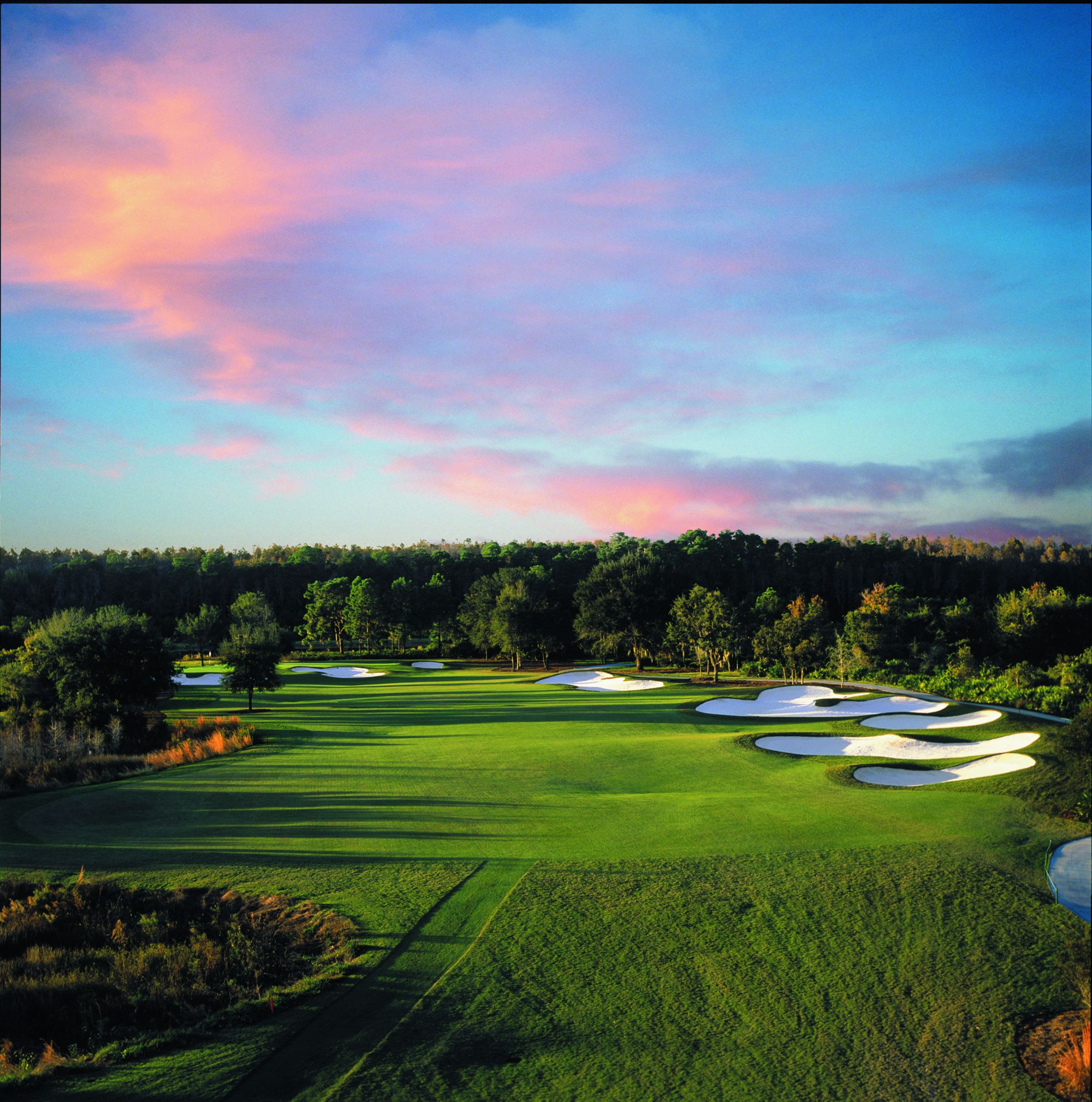
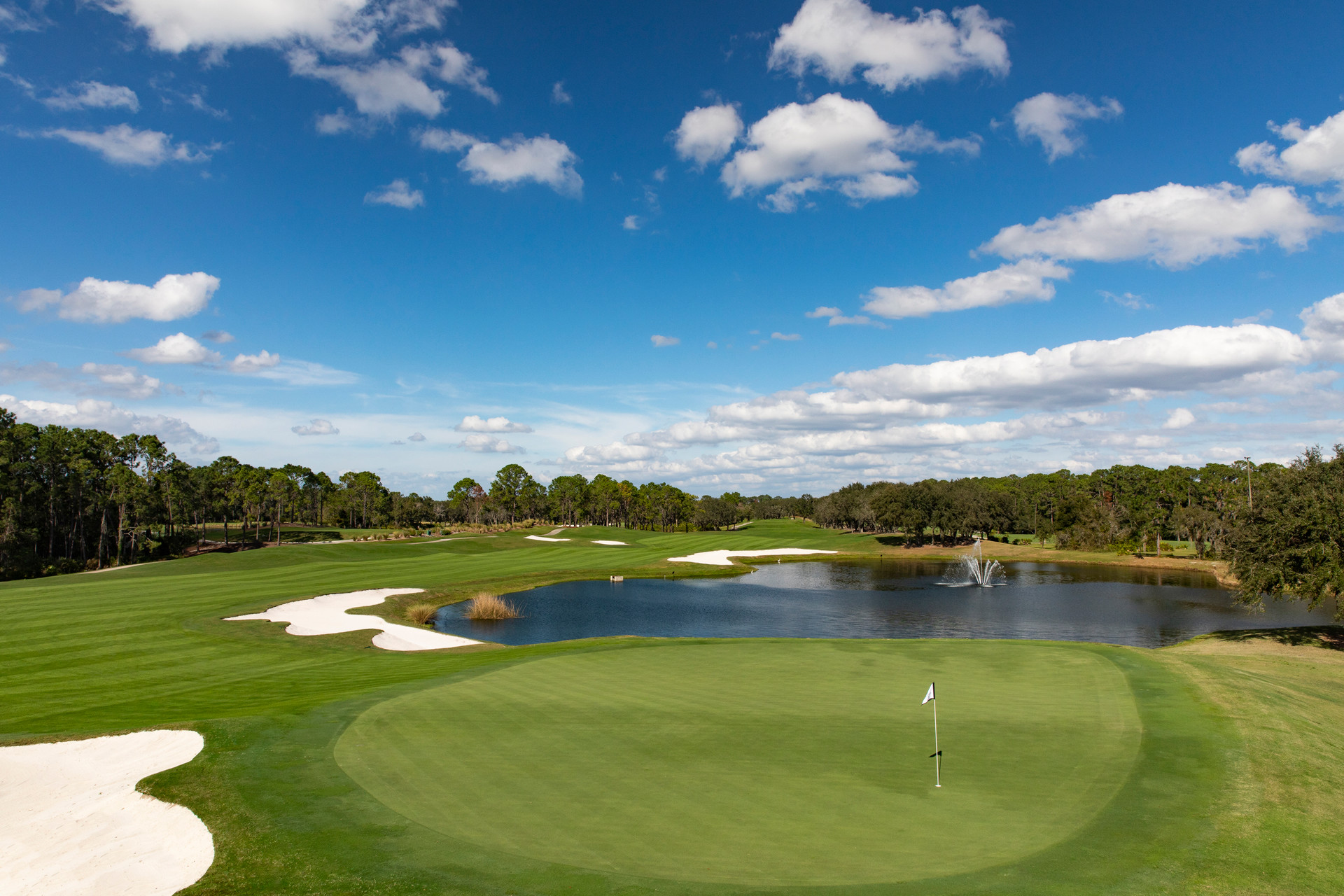
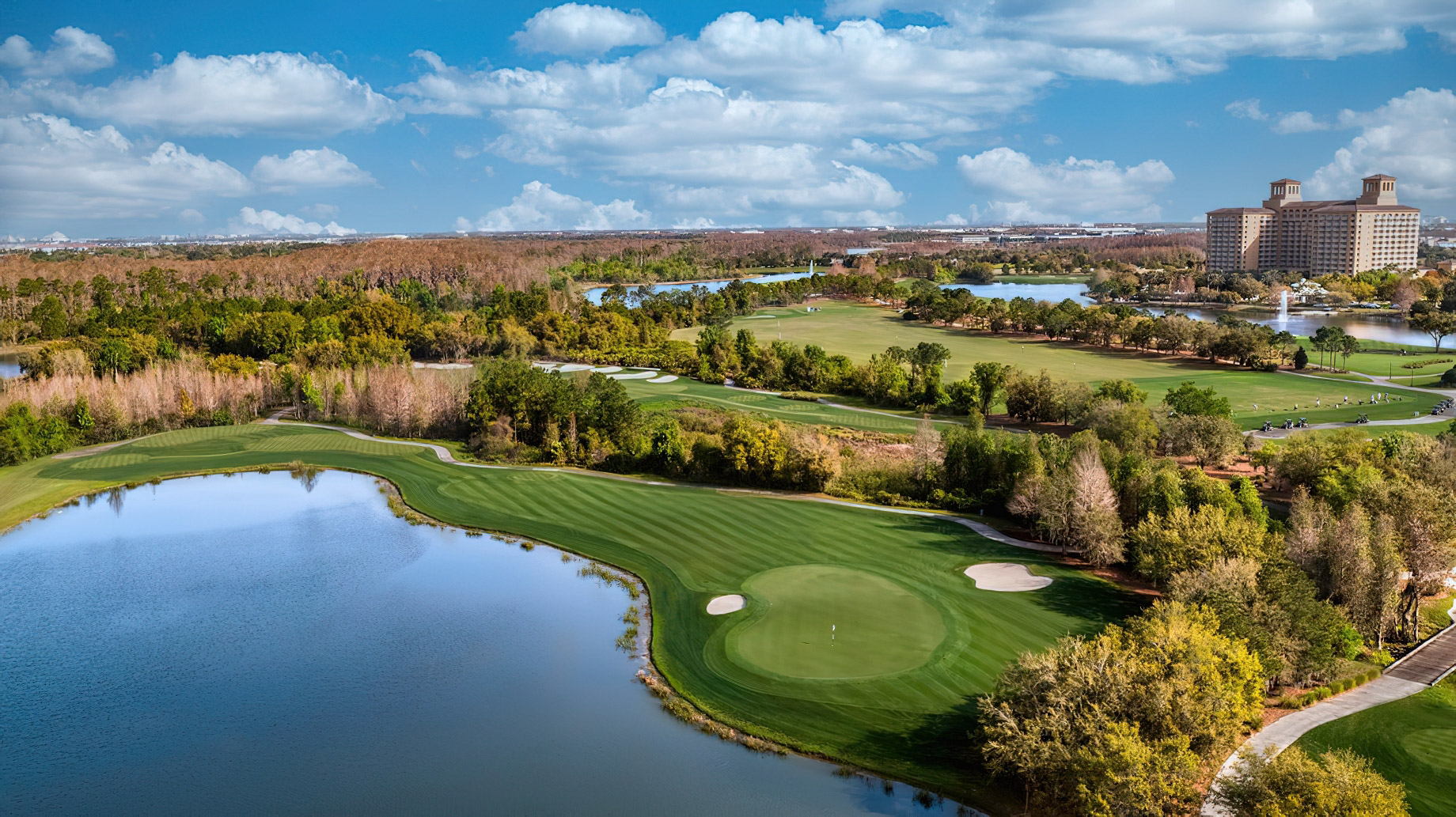
Finding affordable Orlando golf courses requires balancing proximity to major attractions with the nuances of seasonal demand, local municipal offerings, and the distinction between premier resort fees and public-access value. While Orlando is internationally recognized for luxury golf resorts that often charge premium rates, golfers can consistently secure high-quality rounds by leveraging public municipal facilities, choosing strategic tee times, and understanding the regional pricing structures that shift based on the calendar.
Understanding the Orlando Golf Landscape
The Greater Orlando area functions as a two-tier golf market. The first tier consists of high-end resort courses often associated with PGA-level facilities, which cater to a tourist demographic and command premium pricing. The second tier, and the focus for value-conscious players, includes municipal courses, semi-private clubs that offer public access, and older, well-established tracks that provide essential golf experiences without the added costs of expansive resort amenities, five-star clubhouse services, or high-end dining requirements.
Golfers must recognize that "affordable" in Orlando is relative. During the peak season (typically January through April), even entry-level courses experience increased demand and pricing. Conversely, the summer months—characterized by higher humidity and the potential for afternoon thundershowers—often see significantly reduced green fees, allowing players to access higher-caliber courses at a fraction of the winter cost.
Leveraging Municipal Golf Facilities
The most reliable source for consistent, affordable golf in Orlando is the municipal course system. These facilities are owned or operated by local government entities and are mandated to provide recreational opportunities for the public at accessible price points.
- Dubsdread Golf Course: Located near the historic College Park neighborhood, Dubsdread is one of Orlando’s oldest and most iconic public courses. While it has undergone several renovations to modernize the layout, it remains committed to providing an accessible golf experience. It is a premier choice for those seeking a traditional course design without the "resort tax" associated with newer developments.
- Winter Park Golf Course: This nine-hole course is a masterclass in efficiency and accessibility. By offering a shorter, high-quality layout, it allows for a faster round and a lower price point compared to full 18-hole championship courses. It serves as an excellent option for golfers looking to practice their short game or enjoy a casual, lower-cost outing.
Strategic Booking and Cost Optimization
Securing the best rates at any course, regardless of its baseline pricing, requires a proactive approach to booking. Golf management software and third-party booking platforms have changed the landscape of golf pricing, making it more dynamic than ever before.
- Dynamic Pricing Models: Most courses now use automated pricing algorithms. Booking three to seven days in advance is often the "sweet spot" for finding the best rates. Last-minute bookings can sometimes lead to steep discounts if a course has high inventory, but relying on this is risky for popular weekend slots.
- The "Twilight" Advantage: Afternoon tee times, often referred to as "twilight" or "super twilight" rates, are the single most effective way to lower the cost of a round. While you may risk not finishing all 18 holes due to sunset, the savings can exceed 40% compared to morning rates.
- Weekday vs. Weekend: The discrepancy between weekday and weekend rates in Orlando is significant. If your schedule allows, prioritizing Tuesday through Thursday golf can save a golfer hundreds of dollars over the course of a multi-day trip.
- Loyalty and Resident Programs: If you are a local resident or a frequent visitor, inquire about annual memberships or discount cards. Many courses offer "Player’s Cards" that provide a set percentage off green fees, range balls, and sometimes pro-shop merchandise for a small upfront fee.
Comparison of Value-Oriented Golf Options
The following table provides a breakdown of considerations for selecting a course based on your specific needs for affordability and layout quality.
| Course Type | Price Point | Best For | Notable Feature |
|---|---|---|---|
| Municipal (City) | Low | Budget-conscious players | Predictable, stable pricing |
| Semi-Private | Moderate | Golfers seeking better conditions | Public access to private-quality greens |
| Executive/9-Hole | Low-Moderate | Time-efficiency and practice | Faster pace of play |
| Resort (Off-Peak) | Moderate-High | Quality and scenery seekers | Value found during summer months |
Navigating Seasonal Pricing and Weather Constraints
It is a common misconception that golf in Orlando is priced uniformly throughout the year. The reality is that the "off-season" offers the best value. From late May through September, temperatures rise and the afternoon rain becomes more frequent. For the budget-conscious golfer, this is the ideal time to play.
Courses often bundle "replay rates," allowing you to play a second round on the same day for a nominal fee. Always ask the pro shop staff about the "replay rate" when checking in, as this is rarely advertised online. Additionally, monitor the local weather forecasts. While lightning is a valid safety concern in Florida, a passing 20-minute shower often clears the course and results in much faster playing conditions afterward.
Common Mistakes to Avoid
Many golfers overpay due to avoidable errors in their planning process:
- Ignoring Transaction Fees: When booking through third-party travel sites, check the final checkout screen. Sometimes, the convenience fee offsets any discount the site promised. Booking directly through the course's official website is almost always the safest and cheapest route.
- Overlooking Rental Gear Costs: If you are traveling, the cost of renting a full set of clubs can sometimes exceed the cost of the green fee itself. If you plan on playing multiple rounds, inquire if the course offers a lower rate for club rentals over consecutive days.
- Neglecting the "Early Bird" vs. "Twilight" Trade-off: Golfers often assume mornings are the only time to play. However, in the peak of summer, mornings are the most expensive and crowded. Shifting to an afternoon round can save money and often results in a more relaxed pace of play.
Frequently Asked Questions
Are there truly public courses in Orlando, or are they all resort-owned? Yes, there are several municipal and public-access courses. While many of the famous courses in the region are linked to massive resorts, the city of Orlando and surrounding municipalities operate high-quality public tracks that prioritize local access over tourist-driven pricing.
Does a lower green fee always mean the course is in poor condition? Not necessarily. Many affordable courses, such as those run by municipal governments, maintain high standards for greens and fairways. The lower price usually reflects a lack of luxury amenities—such as elaborate clubhouse locker rooms, high-end dining, or expansive practice facilities—rather than the quality of the turf itself.
Is it worth playing "executive" courses if I am an experienced golfer? Executive courses, which feature more par-3s and shorter par-4s, are excellent for working on your short game and iron accuracy. Even low-handicap golfers benefit from the "target golf" experience that shorter courses provide. They are often a fraction of the price of full 18-hole championship courses.
How far in advance should I book to guarantee the best price? For most affordable courses, booking 5–7 days in advance is optimal. This timeframe is when the course management typically adjusts rates based on current weather forecasts and booking demand.
Are there hidden costs beyond the green fee? Always clarify if the green fee includes a cart. While most Florida courses include a cart in the rate, some budget-friendly tracks may charge separately for carts or push-carts. Furthermore, if you are playing in the summer, consider the cost of hydration; buying water at the pro shop adds up, so bringing your own is a simple way to save.
Final Recommendation
To maximize value, target the municipal courses like Dubsdread for your primary rounds, and utilize afternoon twilight rates to mitigate costs at semi-private facilities. Always call the pro shop directly to ask about local resident discounts or "replay" offers, as these are often the best-kept secrets for local golf savings. Prioritize early morning or late afternoon play during the shoulder seasons to achieve the best balance between course conditions and total out-of-pocket expense.