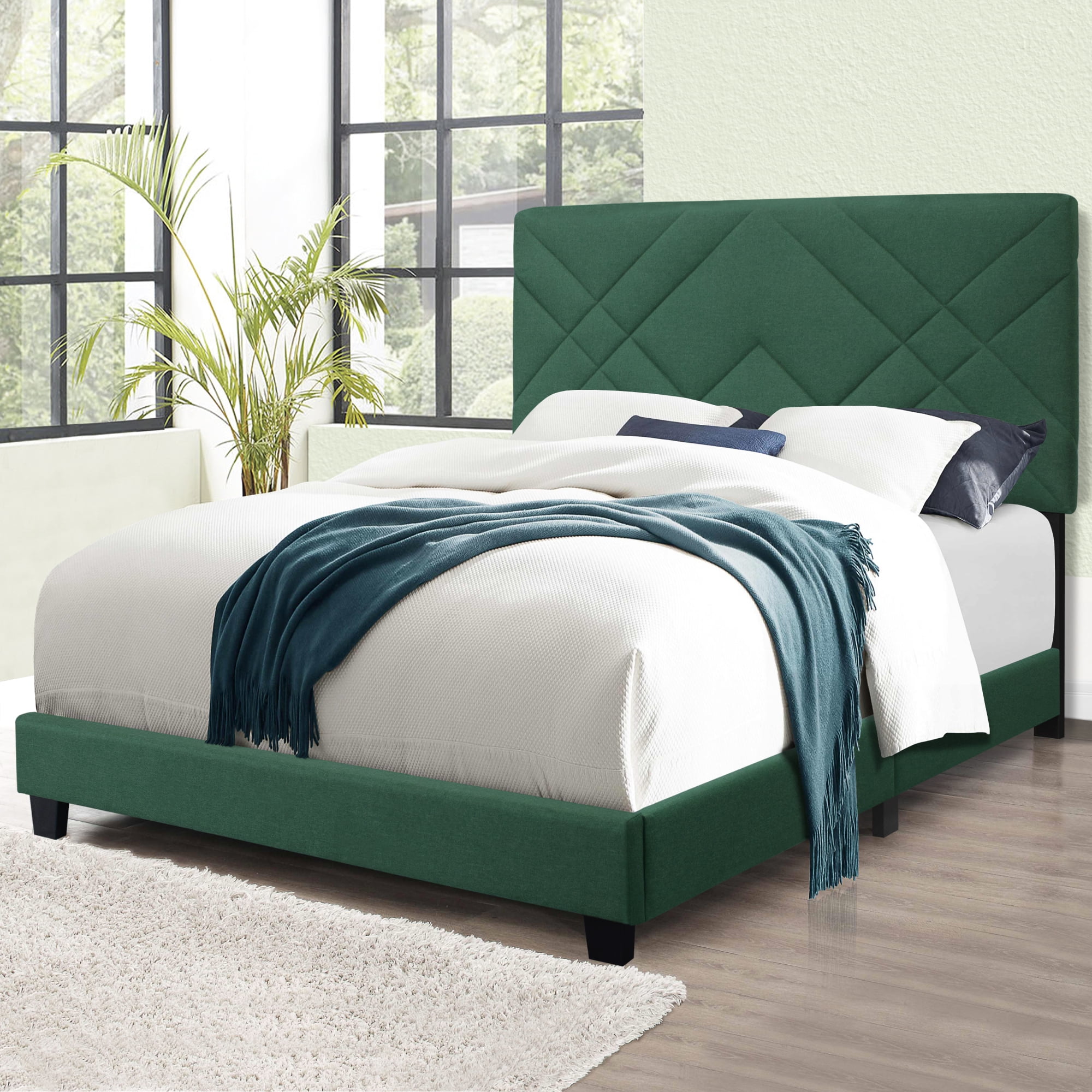
Finding an affordable bed requires matching your personal financial constraints with structural durability, adequate anatomical support, and material safety. By categorizing options into budget ($100–$300), mid-range ($300–$750), and high-value tiers ($750–$1,500+), consumers can identify quality platform frames and mattresses that offer proper spinal alignment and longevity without overspending.
Defining Bed Budgets: What to Expect at Every Price Tier
Shopping for a bed involves evaluating both the bed frame and the mattress, whether purchased as a combined set or as individual components. Market standards in 2026 offer diverse options across all price points, but structural materials, manufacturing techniques, and internal padding vary significantly depending on the price bracket.
| Tier | Details |
|---|---|
| ENTRY LEVEL ($100 – $300) | - Steel platform frames- High-density foam mattresses- Essential functionality |
| MID-RANGE ($300 – $750) | - Solid wood & veneers- Pocket-coil hybrids- Enhanced ergonomics |
| HIGH-VALUE / FLEXIBLE LUXURY ($750 – $1,500+) | - Kiln-dried hardwoods & upholstery- Multi-zone latex/hybrid designs- Decadal longevity & premium aesthetics |
Budget-Tier Beds ($100 – $300)
In the lowest price bracket, simplicity and functional utility take priority over decorative accents and natural materials.
- Bed Frames: Heavy-duty steel platform frames dominate this category. Powder-coated steel tubing, minimal folding mechanisms, and basic wooden slat kits provide sturdy foundation support without needing a traditional box spring.
- Mattresses: Entry-level mattresses usually consist of standard polyurethane foam or basic continuous-coil innersprings with thin comfort layers. All-foam "bed-in-a-box" models under 8 to 10 inches in thickness are common here.
- Best Used For: Guest rooms, temporary housing, rental properties, student dormitories, or children's bedrooms where long-term daily wear is not the primary concern.
Mid-Range Beds ($300 – $750)
The mid-range segment represents the ideal sweet spot for the majority of shoppers looking for daily-use primary beds.
- Bed Frames: This tier features solid pine or engineered wood with high-grade veneers, upholstered headboards wrapped in linen or polyester weaves, and reinforced metal center-support beams.
- Mattresses: Hybrid designs combine individually wrapped pocketed coils with gel-infused memory foam comfort layers. These mattresses usually measure between 10 and 12 inches thick, offering targeted spinal support and improved heat dissipation.
- Best Used For: Primary bedrooms, young professionals, and couples seeking balanced support, motion isolation, and a lifespan of 7 to 10 years.
High-Value / Flexible Luxury Beds ($750 – $1,500+)
While entering higher price points, this tier focuses on maximum durability and eco-certified materials, delivering performance comparable to luxury retail brands at direct-to-consumer prices.
- Bed Frames: Constructed from kiln-dried hardwoods (such as oak, maple, or walnut), featuring mortise-and-tenon joinery, heavy-gauge steel hardware, and performance-upholstered storage bases.
- Mattresses: Premium hybrid mattresses incorporating natural Dunlop or Talalay latex, multi-zone pocketed coil networks, and organic cotton or wool quilted covers.
- Best Used For: Homeowners desiring long-term investments, back-pain sufferers requiring specialized spinal alignment, and master bedrooms.
Essential Bed Components: Frames, Supports, and Mattresses
Understanding how different bed components work together helps you allocate your budget efficiently. A high-end mattress will fail prematurely if placed on a sagging frame, while an expensive frame cannot offset a supportive mattress that has worn out.
- MATTRESS LAYER (Memory Foam / Pocket Coils / Natural Latex / Hybrids)
- SLAT SYSTEM (Solid Wood or Steel Slats - Max 3" Gap Spacing)
- FRAME STRUCTURE (Steel Perimeter, Center Beam, & Support Legs)
Bed Frame Architecture
The frame serves as the foundation for your sleep setup. The primary frame styles available across budget levels include:
- Platform Beds: Eliminates the need for a box spring by using an integrated slat network. Platform beds provide solid overall support, lower profile height, and built-in under-bed storage clearance.
- Upholstered Frames: Feature padded headboards and side rails wrapped in fabric, faux leather, or velvet. While aesthetically pleasing, budget upholstered frames require regular vacuuming and spot-cleaning.
- Metal Grid Frames: Ultra-minimalist steel structures designed for maximum durability and high weight capacities (often exceeding 1,000 lbs). They assemble quickly but lack integrated decorative headboards.
- Storage Beds: Incorporate hydraulic lift-up platforms or built-in sliding drawers beneath the mattress deck. These maximize spatial efficiency in smaller apartments, though they carry higher price tags due to added mechanical hardware.
Slat Systems and Center Supports
The base support under the mattress dictates its lifespan and warranty validity:
- Slat Spacing: Modern foam and hybrid mattresses require slat gaps no wider than 3 inches. Gaps exceeding this width cause foam material to sag between slats under load, damaging internal structures and voiding manufacturer warranties.
- Solid vs. Sprung Slats: Flat, solid wooden or steel slats offer rigid support and a firmer sleeping feel. Flexible curved birch wooden slats absorb weight dynamics, providing a slightly softer cushioning effect.
- Center Legs: Queen, King, and California King frames must feature at least one central support rail with 2 to 4 vertical legs touching the floor to prevent middle structural sag.
Mattress Construction Types
Selecting the right mattress technology impacts daily comfort and long-term value:
- Polyurethane / Memory Foam: Conforms tightly to body contours, relieving pressure points along the hips and shoulders. High-density foam bases (1.8 lbs/cu ft or higher) offer good resistance against sagging.
- Innerspring (Bonnell / Continuous Coils): Traditional interconnected coil networks. Highly breathable and affordable, but prone to motion transfer across the sleep surface.
- Pocketed Coils: Individually encased steel coils that compress independently. They limit motion transfer between partners while providing targeted zone support.
- Hybrids: Combine a pocketed-coil core with top layers of memory foam, polyfoam, or natural latex. Hybrids offer a balanced blend of pressure relief, responsiveness, edge support, and airflow.
Comprehensive Comparison: Bed Tiers, Materials, and Longevity
The following matrix compares standard specifications, material profiles, and performance metrics across price segments:
| Tier | Frame Price | Mattress Price | Primary Frame Materials | Primary Mattress Core | Expected Lifespan | Best Value Feature |
|---|---|---|---|---|---|---|
| Budget | $70 – $150 | $100 – $250 | Tubular steel, engineered board, pine slats | High-density polyfoam, Bonnell coils | 3 – 5 Years | Low upfront cost, fast assembly |
| Mid-Range | $150 – $350 | $250 – $500 | Solid pine, steel center beams, polyester fabric | Pocketed coils + gel memory foam | 6 – 9 Years | Balanced pressure relief & airflow |
| High-Value | $350 – $700 | $500 – $1,000+ | Kiln-dried oak/walnut, reinforced steel joints | Multi-zone coils, natural latex | 8 – 12+ Years | Exceptional durability, eco-certifications |
Key Factors to Evaluate Before Buying an Affordable Bed
Finding a cost-effective bed involves looking past low initial prices to assess build quality, safety ratings, and ergonomics.
- STRUCTURAL INTEGRITY: Steel Gauge & Joint Fasteners
- SAFETY & EMISSIONS: CertiPUR-US / OEKO-TEX Standard 100
- SLAT CLEARANCE: <= 3" Gap Width for Warranty
- THERMAL/MOTION: Open-Cell Foam & Pocket Coils
1. Structural Integrity and Weight Capacity
Never rely solely on overall dimensions when purchasing a bed frame. Review the total static and dynamic weight capacity ratings:
- Standard Utility: 400 – 600 lbs total capacity (suitable for single sleepers or lightweight couples).
- Reinforced Utility: 1,000 – 2,400 lbs total capacity (essential for heavier couples, thick hybrid mattresses, or active households).
Check the joinery methods: bolt-and-nut assemblies with metal brackets provide greater lateral stability over time than plastic clips or simple wood screws inserted directly into raw particle board.
2. Material Safety and Off-Gassing Certifications
Budget synthetic foams can release volatile organic compounds (VOCs) during initial unpacking. Ensure any foam-containing mattress carries independent health and environmental certifications:
- CertiPUR-US®: Guarantees that flexible polyurethane foam is made without ozone depleters, heavy metals (lead, mercury), formaldehyde, or regulated phthalates, with low VOC emissions (less than 0.5 parts per million).
- OEKO-TEX® Standard 100: Verifies that fabrics and textiles have been tested for harmful chemical substances.
- GREENGUARD Gold: Ensures low chemical emissions for indoor air purity, ideal for children and sensitive individuals.
3. Motion Isolation, Edge Support, and Temperature Control
- Edge Support: Low-cost foam mattresses often suffer from weak peripheral edges, creating a roll-off feeling near the sides. Look for mattresses featuring high-density foam encasements or heavy-gauge border coils.
- Temperature Regulation: Traditional memory foam traps body heat. Seek out open-cell structures, gel infusions, or hybrid designs that promote continuous ambient airflow through internal coil cavities.
Smart Strategies to Save Money on Beds Without Sacrificing Quality
Maximizing your budget requires strategic timing, direct-to-consumer sourcing, and smart combination buying.
| Category | Value-Maximization Strategy |
|---|---|
| SOURCING | Direct-to-Consumer (DTC) bypasses retail fees. |
| TIMING | Promotional windows (President's Day, Memorial Day, Labor Day, Black Friday). |
| BUNDLING | Combine frame + mattress for package savings. |
| VERIFICATION | Confirm 90+ night sleep trials & free returns. |
Direct-to-Consumer (DTC) Sourcing
Traditional brick-and-mortar mattress showrooms incur high commercial real estate overheads and distributor markups, often raising consumer costs by 40% to 60%. Direct-to-consumer manufacturers ship products straight from factories, passing those operational savings directly to buyers.
Strategic Sales Cycles
Furniture manufacturers run substantial promotional discounts during major holiday shopping windows:
- February: President's Day Sales (clearance of previous-year mattress inventories).
- May: Memorial Day Sales (introduction of new summer product lineups).
- September: Labor Day Sales (end-of-season furniture promotions).
- November: Black Friday / Cyber Monday (deepest site-wide discounts of the calendar year).
Sleep Trials, Warranties, and Return Policies
Always review trial period terms before purchasing online:
- Risk-Free Sleep Trials: Reputable online mattress brands offer 90 to 120-night trial periods. Ensure the company provides full refunds with free home pickup if the comfort level proves unsuitable.
- Warranty Coverage: Look for a non-prorated warranty lasting at least 10 years. Read the fine print to confirm what depth of body indentation (typically 0.75 to 1.5 inches) triggers structural coverage.
Common Pitfalls to Avoid When Shopping for Low-Cost Beds
- Ignoring Slat Spacing Specifications: Placing a heavy foam mattress onto a cheap frame with 4- to 5-inch slat gaps will cause the mattress to sag, causing back stiffness and instantly voiding your mattress warranty.
- Skipping the Center Support Leg: Purchasing a Queen or King bed frame without vertical center support legs leads to permanent sagging in the center of the frame within 6 to 12 months.
- Focusing Solely on Mattress Thickness: Mattress depth does not equal support. A 14-inch mattress built with low-density 1.2 lb foam will break down much faster than a 10-inch mattress built with high-density 1.8 lb foam and robust steel pocket coils.
- Buying Uncertified Foams: Unbranded, ultra-cheap mattresses imported without verifiable safety certifications may contain hazardous flame retardants or high VOC levels that cause lingering chemical odours.
Frequently Asked Questions
How much should I spend on a durable daily-use bed?
For a reliable daily-use bed set (frame plus mattress), plan to spend between $500 and $900 total. In this mid-range tier, you can secure a sturdy steel-reinforced or solid pine platform frame ($150–$300) along with an eco-certified hybrid or high-density foam mattress ($350–$600) designed to last 7 to 10 years.
Do platform beds eliminate the need for a box spring?
Yes, platform beds completely eliminate the need for a box spring. Platform frames use closely spaced wooden or steel slats (or a solid flat surface) that provide full support directly underneath your mattress, saving you $100 to $200 on unnecessary foundations.
What is the most durable frame material for a tight budget?
Powder-coated tubular steel is the most durable material available in lower price tiers ($100–$200). Steel frames do not warp, crack, or split like low-cost particleboard, and many budget metal designs support upwards of 1,000 pounds without structural fatigue.
How can I make a firm, low-cost mattress more comfortable?
If a budget mattress feels too firm, add a 2- to 3-inch memory foam, gel foam, or latex mattress topper. Purchasing a supportive firm mattress ($200–$300) and adding a soft plush topper ($60–$120) is often significantly cheaper than buying an expensive luxury pillow-top mattress.
What certificates guarantee a mattress is free from harmful chemicals?
Look for CertiPUR-US® for polyurethane memory foams, OEKO-TEX® Standard 100 for outer cover textiles, and GOLS (Global Organic Latex Standard) or GOTS (Global Organic Textile Standard) for natural latex and organic cotton. These certifications ensure the product is free from heavy metals, toxic flame retardants, and high VOC emissions.
Final Recommendation: Selecting the Best Value Bed for Your Needs
To secure the best value when shopping for a bed:
- Calculate Your Combined Budget: Set a realistic total expenditure, allocating approximately 35% of your funds to the bed frame and 65% to the mattress.
- Verify Mattress Specs: For daily sleep, choose a mattress with at least a 1.8 lb/cu ft foam core density or pocketed steel coils, and ensure it carries CertiPUR-US certification.
- Check the Frame Base: Select a platform frame with center support legs and slat spacing under 3 inches to protect your investment and preserve warranty coverage.
- Take Advantage of Trials: Purchase from brands that offer a minimum 90-night risk-free trial with clear return terms.