A smartphone provides an all-in-one platform for global communication, real-time information access, and personal productivity. By integrating high-resolution cameras, GPS, financial tools, and AI-driven assistants into a single portable device, smartphones have become indispensable tools for modern life, streamlining daily tasks and enhancing professional efficiency through constant connectivity and advanced computational power.
The Unified Communication Hub: Beyond Voice Calls
The most fundamental advantage of a smartphone is its ability to serve as a centralized hub for all forms of human interaction. Unlike the traditional mobile phones of the early 2000s, which focused primarily on SMS and voice, the 2026 smartphone ecosystem leverages high-speed 5G and nascent 6G networks to facilitate multi-modal communication.
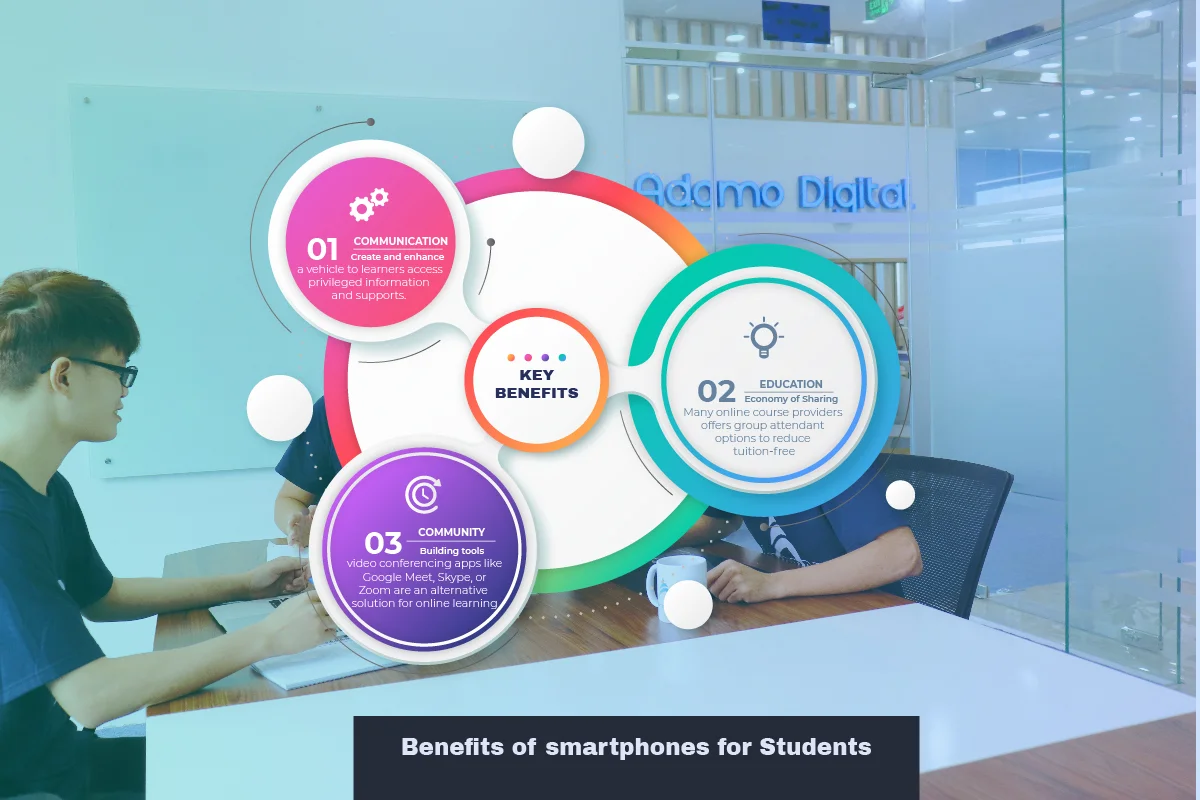
Through Voice over Internet Protocol (VoIP) and Rich Communication Services (RCS), users can engage in high-definition video conferencing, encrypted messaging, and collaborative workspace communication. This versatility ensures that whether a person is in a professional setting using platforms like Microsoft Teams or Slack, or connecting with family via WhatsApp or Signal, the barrier of distance is effectively neutralized. The integration of real-time translation tools—powered by on-device Neural Processing Units (NPUs)—now allows individuals to communicate across language barriers instantly, fostering global cooperation and social cohesion.
Furthermore, the "always-on" nature of smartphones ensures that critical information is delivered via push notifications. This immediacy is vital for emergency alerts, time-sensitive work updates, and maintaining social ties in an increasingly mobile society. The ability to synchronize these communications across multiple devices via the cloud ensures that a conversation started on a smartphone can continue seamlessly on a tablet or desktop, creating a cohesive digital experience.
Mobile Productivity and the Evolution of the Pocket Office
In 2026, the smartphone has matured into a powerful workstation capable of handling tasks that previously required a desktop computer. The primary advantage here is the decoupling of productivity from a fixed location. With the advent of sophisticated mobile operating systems, professional-grade software—including advanced spreadsheet editors, CAD viewers, and video editing suites—is now optimized for touch and stylus input.
The integration of Generative AI assistants directly into the OS has further amplified this advantage. These AI agents can draft emails, summarize lengthy documents, and schedule meetings with minimal user intervention. For the modern workforce, this means "dead time" during commutes or travel is transformed into productive windows. Cloud storage integration with services like Google Drive, Dropbox, and iCloud allows for instantaneous file retrieval and version control, ensuring that the most recent iteration of a project is always in the palm of one's hand.
Moreover, the smartphone serves as a secure authentication device for corporate environments. Through multi-factor authentication (MFA) and hardware-backed security modules, the smartphone acts as a digital key, granting access to secure servers and physical office spaces. This synergy between hardware security and software flexibility makes the smartphone the cornerstone of the modern hybrid work model.
Instant Access to Information and Lifelong Learning
One of the most profound advantages of a smartphone is the democratization of knowledge. Having the internet available at all times means that the answer to virtually any question is seconds away. This has shifted the human cognitive burden from memorizing facts to analyzing and applying information.
For students and lifelong learners, smartphones provide access to Massive Open Online Courses (MOOCs) through platforms like Coursera, Khan Academy, and edX. Educational apps use gamification to teach languages (e.g., Duolingo) or complex mathematics, making learning more engaging and accessible to various age groups. In 2026, augmented reality (AR) has further enhanced this by allowing students to overlay digital information onto the physical world—for instance, pointing a phone at a star to identify constellations or at a historical monument to see a digital reconstruction of its original state.
This access extends to real-time navigation and local discovery. Global Positioning System (GPS) technology, combined with real-time traffic data from Google Maps or Apple Maps, saves users significant time and fuel. Beyond mere navigation, these tools provide data on business hours, reviews, and environmental conditions, allowing individuals to make informed decisions about their physical movements and consumer choices.
The Transformation of Personal Finance and Digital Identity
The smartphone has effectively replaced the physical wallet for millions of users worldwide. The primary advantage in this sector is the combination of convenience and enhanced security. Contactless payment systems like Apple Pay and Google Wallet utilize Near Field Communication (NFC) and tokenization to ensure that actual credit card numbers are never shared with merchants, significantly reducing the risk of fraud.
Beyond simple transactions, smartphones facilitate comprehensive financial management:
- Mobile Banking: Users can deposit checks via image capture, transfer funds internationally, and manage investments in real-time.
- Cryptocurrency and Digital Assets: Integrated digital wallets allow for the secure storage and trading of various digital currencies and NFTs.
- Budget Tracking: Apps automatically categorize spending, providing users with a granular view of their financial health and helping them reach savings goals.
In many jurisdictions in 2026, the smartphone also hosts digital versions of government-issued identification, such as driver's licenses and passports. This centralization of identity management simplifies interactions with law enforcement and travel authorities, provided that robust biometric security—such as ultrasonic fingerprint scanners and 3D facial recognition—is active.
Multimedia Mastery: Photography, Videography, and Entertainment
The integration of high-end optics and computational photography has rendered the standalone "point-and-shoot" camera obsolete. A major advantage of the smartphone is the ability to capture, edit, and publish high-quality media within a single interface. Modern smartphones feature multiple lenses (telephoto, wide, and periscope zoom) and large sensors that rival entry-level DSLRs.
This capability has fueled the creator economy. High-resolution 8K video recording and multi-mic directional audio allow users to produce professional-grade content for platforms like YouTube, TikTok, and Instagram without expensive gear. The "advantage" here is the lowering of the entry barrier for creative expression and journalism.
From a consumption perspective, smartphones are the ultimate portable entertainment centers. High-refresh-rate OLED displays and spatial audio support provide an immersive experience for streaming movies, playing AAA games via cloud gaming services like Xbox Cloud Gaming or NVIDIA GeForce NOW, and listening to lossless audio. This 24/7 access to a global library of media ensures that entertainment is always available, regardless of the user's location.
Health Monitoring and Personal Safety
In 2026, the smartphone has become a proactive tool for health and wellness. Equipped with an array of sensors, smartphones (often in tandem with wearables) monitor heart rate, blood oxygen levels, sleep patterns, and even ECG readings. This data is not just for fitness tracking; it is increasingly used in "telehealth" to provide doctors with longitudinal data that can lead to earlier diagnoses of chronic conditions.
Personal safety is another critical advantage. Features such as "Emergency SOS via Satellite" allow users in remote areas without cellular coverage to contact emergency services. Automatic crash detection uses accelerometers and gyroscopes to identify severe vehicular accidents and notify first responders with the user's exact coordinates. For personal security, features like "Check In" in iOS or "Safety Check" in Android allow users to notify trusted contacts of their location and status when traveling alone, providing a digital safety net that was previously impossible.
The Central Hub for the Internet of Things (IoT)
As homes and cities become "smarter," the smartphone serves as the primary remote control for the physical world. Through protocols like Matter and Thread, which have become industry standards by 2026, a smartphone can control lighting, climate, security cameras, and kitchen appliances from across the room or across the globe.
The advantage of this integration is twofold: energy efficiency and convenience. Users can monitor their energy consumption in real-time and adjust their smart thermostats to reduce costs. They can also receive alerts if a leak is detected or if a door is left unlocked. This level of control provides peace of mind and operational efficiency in managing a modern household.
Comparison: Traditional Tools vs. Smartphone Integration
To understand the magnitude of the smartphone's advantages, it is helpful to compare how tasks were performed using traditional hardware versus the modern integrated approach.
| Traditional Tool/Method | Smartphone Integration Feature | Key Advantage |
|---|---|---|
| Landline & SMS | VoIP, RCS, Video Conferencing | Global, multi-modal, and free over data. |
| Paper Maps & Standalone GPS | Real-time GPS with Traffic Data | Dynamic routing and instant updates. |
| Physical Wallet & Cash | NFC Mobile Payments & Digital ID | Enhanced security and less bulk. |
| Point-and-Shoot Camera | Computational Photography (AI) | Professional quality with zero setup. |
| Desktop Computer | Mobile OS with NPU-driven AI | Portability and "always-on" productivity. |
| Physical Books/Library | E-readers and Web Browsers | Instant access to the world's knowledge. |
| Radio & MP3 Players | High-Res Streaming Services | Infinite library available on-demand. |
| Medical Monitors | Biometric Sensors & Telehealth | Proactive, 24/7 health tracking. |
Frequently Asked Questions
Are the advantages of a smartphone outweighed by security risks?
While smartphones introduce risks such as malware and data breaches, the advantages generally outweigh the risks when proper security protocols are followed. In 2026, smartphones use hardware-level encryption and biometrics (fingerprint/face) that are significantly more secure than traditional passwords. Users should maintain software updates and use reputable app stores to mitigate these risks. The security advantage of being able to remotely wipe a lost phone also exceeds the security of a lost physical wallet.
How has the smartphone improved professional networking?
The smartphone has revolutionized networking through platforms like LinkedIn and digital business cards. Near Field Communication (NFC) allows two users to tap their phones together to exchange contact information instantly. Additionally, the ability to respond to professional inquiries in real-time via mobile apps ensures that opportunities are not missed, which is a significant advantage in the fast-paced 2026 economy.
Does the cost of a smartphone justify its benefits?
For most users, the cost is justified because the smartphone replaces a dozen other devices (camera, GPS, laptop, music player, etc.). When the cost of these individual items is aggregated, a single high-quality smartphone is often a more economical investment. Furthermore, the advent of trade-in programs and long-term software support (now often exceeding 7 years) has lowered the total cost of ownership over the device's lifespan.
What is the primary environmental advantage of using a smartphone?
The "dematerialization" of products is the primary environmental benefit. By consolidating various physical goods—such as paper maps, plastic CDs, physical mail, and alkaline-battery-powered flashlights—into a single device, smartphones reduce the demand for raw materials and the waste associated with manufacturing and transporting multiple products. However, this must be balanced with the need for responsible recycling of the smartphone itself.
Can a smartphone really replace a laptop for all productivity tasks?
For many "light" and "medium" tasks—such as email, document editing, and project management—the answer is yes. However, for specialized tasks like heavy 3D rendering or complex software development, a laptop or desktop remains superior. The advantage of the smartphone is not necessarily as a total replacement, but as a "bridge" device that ensures productivity is never interrupted when away from a desk.
Practical Recommendation for Maximizing Smartphone Advantages
To truly leverage the advantages of a smartphone in 2026, users should move beyond basic app usage and embrace the ecosystem integration and automation features of their devices.
- Audit Your Security: Ensure that biometric locks are active and that you have a "Find My Device" protocol configured. Use a dedicated password manager that syncs across your mobile and desktop environments.
- Enable Cloud Syncing: Shift your workflow to the cloud (e.g., OneDrive, iCloud, or Google Workspace) so that your smartphone functions as a seamless extension of your primary workstation.
- Explore AI Automation: Use the built-in AI assistants to set "routines." For example, an "Office" routine can automatically silence notifications, open your calendar, and adjust your smart home's climate when you arrive at your workspace.
- Prioritize Digital Wellbeing: Use "Focus Modes" to ensure that the "always-on" connectivity of a smartphone does not lead to burnout. Configure your device to filter out non-essential notifications during personal time, ensuring the device remains a tool for your benefit rather than a source of constant distraction.
By treating the smartphone as a sophisticated personal assistant rather than just a communication device, you can unlock significant gains in efficiency, safety, and personal enrichment.