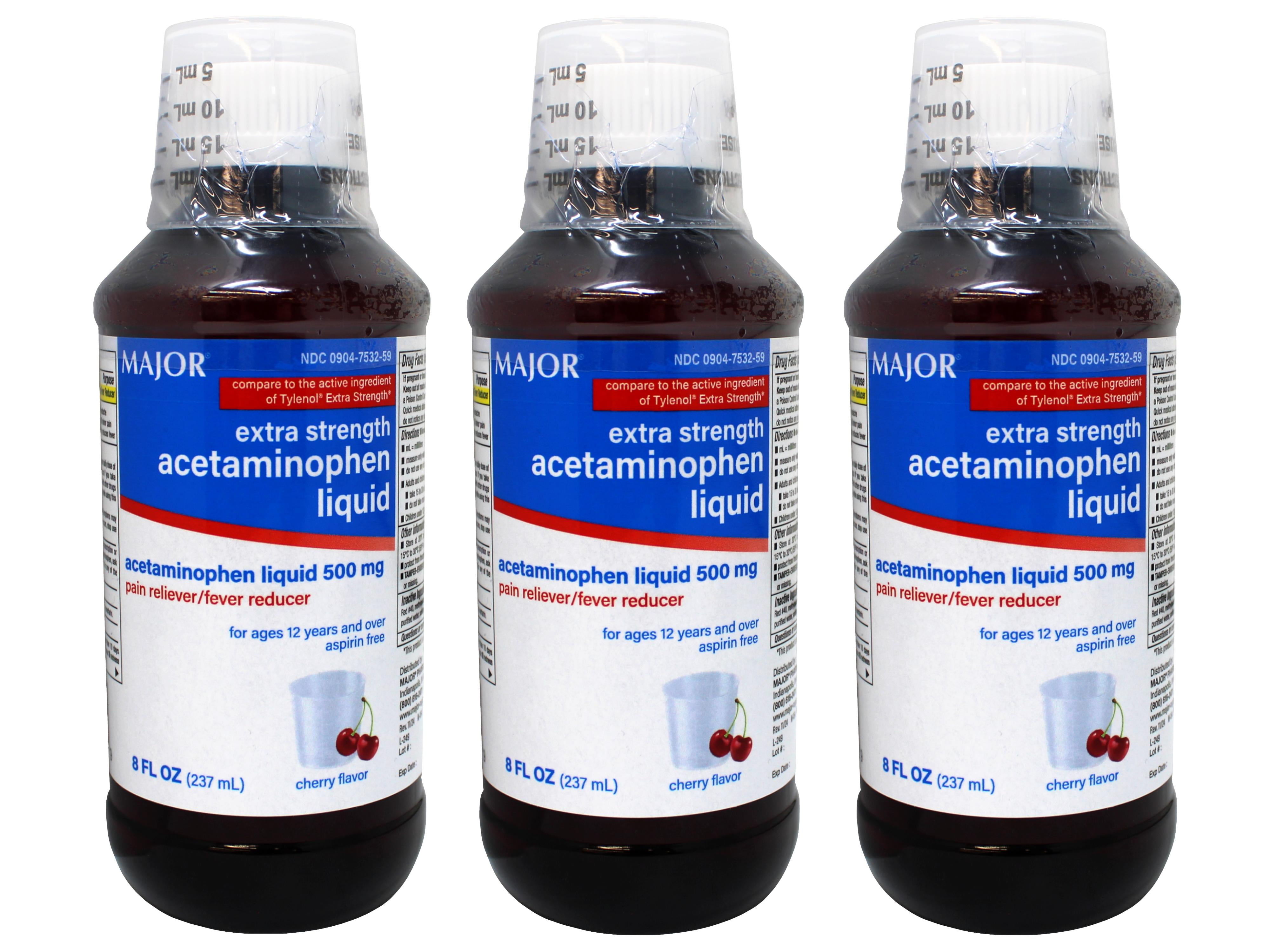
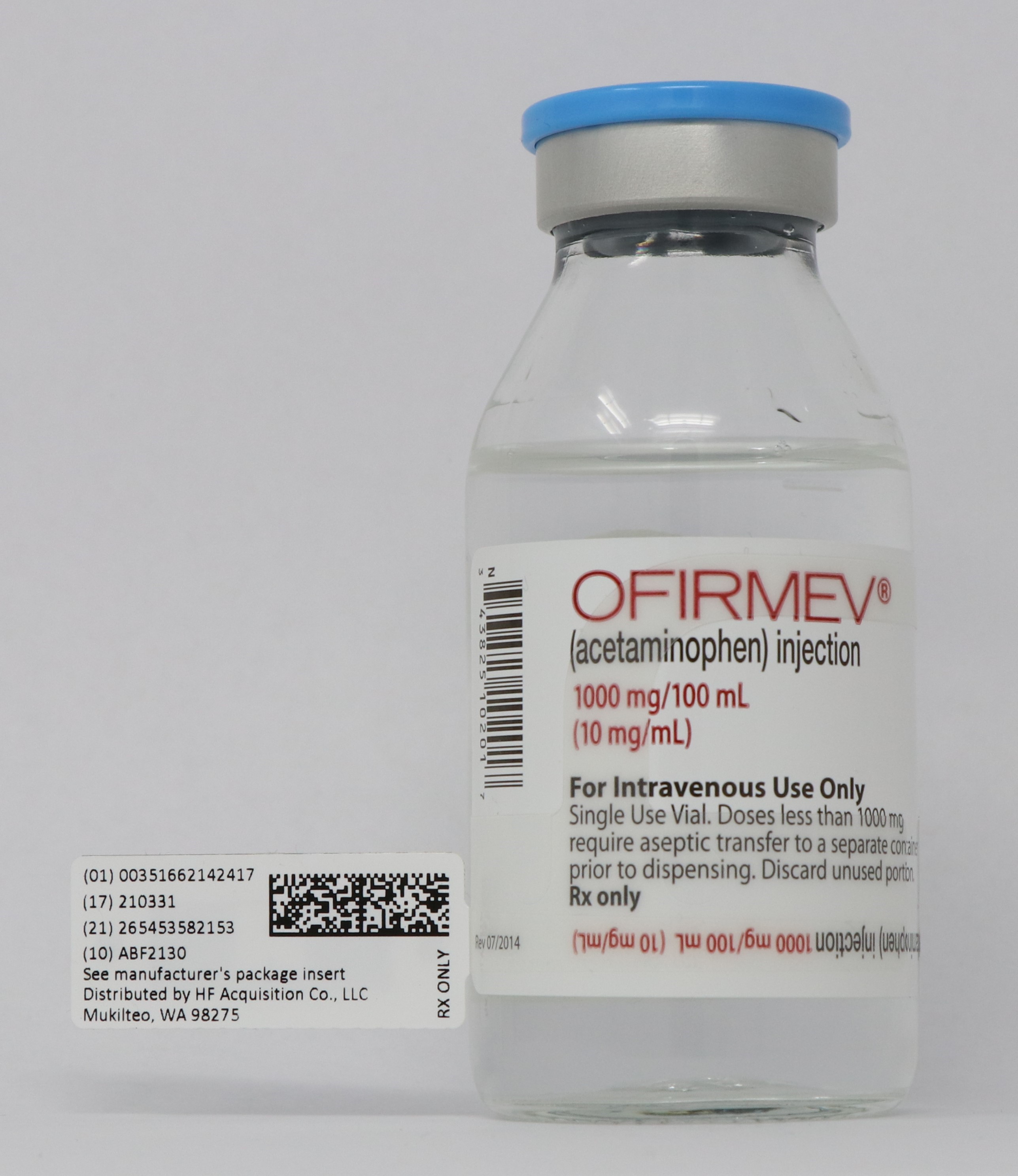
Acetaminophen 1000 mg IV is a prescription-strength, intravenous formulation of acetaminophen used in clinical settings to manage moderate to severe pain and to reduce fever in adult and adolescent patients. By bypassing the digestive system through direct venous administration, it provides a rapid onset of analgesia for patients who cannot tolerate oral medications or require immediate symptom control in a hospital environment.
The Role of Intravenous Acetaminophen in Modern Medicine
Acetaminophen, a widely recognized analgesic and antipyretic, has been a staple of medical care for decades. While oral formulations remain the standard for routine pain management, the development of an intravenous (IV) solution marked a significant shift in hospital-based care. The 1000 mg IV dose is specifically engineered for a single-use infusion, designed to provide a consistent therapeutic plasma concentration.
In a hospital or surgical setting, the ability to administer medication directly into the bloodstream is crucial. Patients who are recovering from surgery, suffering from severe trauma, or experiencing nausea and vomiting are often unable to ingest oral tablets. IV acetaminophen allows these patients to receive the benefits of a non-opioid pain management strategy, which is increasingly prioritized in clinical protocols to minimize dependence on narcotics and reduce side effects such as respiratory depression.
Clinical Indications and Proper Usage
The primary clinical indication for 1000 mg acetaminophen IV is the treatment of mild to moderate pain, moderate to severe pain with adjunctive opioid analgesics, and the reduction of fever. It is categorized as a non-opioid, non-salicylate analgesic.
Pharmacokinetics and Absorption
When administered intravenously, the drug achieves its peak concentration much faster than oral forms. Because it enters the systemic circulation immediately, there is no "first-pass" metabolism in the liver before it reaches the bloodstream. This ensures that the patient receives the full therapeutic benefit of the 1000 mg dose without the variability associated with gastric emptying or gastrointestinal absorption rates.
Administration Guidelines
The medication is typically delivered via a 15-minute infusion. It is essential for medical staff to ensure that the infusion is administered slowly and that the site of the IV is monitored for signs of irritation or infiltration.
- Dosing for Adults: For patients 50 kg and over, the dose is 1000 mg every 6 hours, or 650 mg every 4 hours, with a maximum daily dose not to exceed 4000 mg within a 24-hour period.
- Dosing for Patients Under 50 kg: Dosing must be weight-based to prevent liver toxicity. The standard limit is 15 mg/kg every 6 hours.
Safety Protocols and Hepatotoxicity Risks
The most critical safety concern regarding any acetaminophen product is the risk of hepatotoxicity. Acetaminophen is processed primarily by the liver. When consumed in excessive amounts—or when taken in combination with other products containing acetaminophen without accounting for the total daily dose—it can lead to severe liver injury or acute liver failure.
The 4000 mg Limit
The 4000 mg daily limit is not a recommendation for general usage but a ceiling for medical safety. In the hospital environment, clinicians must perform a "medication reconciliation" check before administering an IV dose to ensure the patient has not already received acetaminophen from other sources, such as combination pain relievers or oral tablets given earlier in the shift.
Signs of Toxicity
Early symptoms of acetaminophen overdose are often subtle and can be easily overlooked. They include:
- Nausea and vomiting.
- General malaise or loss of appetite.
- Sweating.
- Upper abdominal pain.
Medical staff monitor liver enzyme levels if there is suspicion of overdose or in cases where the patient has pre-existing hepatic impairment. If an overdose is suspected, the standard antidote, N-acetylcysteine, is readily available in clinical settings to replenish glutathione stores and prevent permanent liver damage.
Comparison of Administration Methods
It is important for both patients and healthcare providers to understand why a transition from IV to oral medication is standard protocol as soon as a patient's condition allows.
| Feature | Oral Acetaminophen | Intravenous Acetaminophen (1000 mg) |
|---|---|---|
| Onset of Action | 30–60 minutes | Immediate (systemic availability) |
| Route | Enteral (Digestive) | Parenteral (Direct to bloodstream) |
| Primary Use | Outpatient/Home Care | Hospital/Acute Surgery/Emergency |
| Absorption | Variable (Food/Gastric factors) | Complete/Predictable |
| Cost | Inexpensive | Higher (Requires sterile preparation) |
Managing Transitions and Multi-Modal Therapy
Intravenous acetaminophen is rarely used in isolation for major surgery. It is almost always part of a "multi-modal" analgesic regimen. This approach combines different classes of pain relievers—such as NSAIDs, nerve blocks, and acetaminophen—to target pain through multiple physiological pathways.
By using 1000 mg IV acetaminophen in a multi-modal approach, surgeons and anesthesiologists can often reduce the total amount of morphine or other opioids required by the patient. This is known as "opioid-sparing" therapy, which is highly effective in reducing the incidence of post-operative complications like constipation, sedation, and opioid-induced nausea.
Precautions for Special Populations
Certain patient groups require heightened vigilance when receiving 1000 mg IV acetaminophen:
- Patients with Hepatic Impairment: If a patient has severe active liver disease, the dosage may need to be reduced or the medication avoided entirely.
- Alcohol Users: Chronic alcohol consumption induces liver enzymes that can increase the conversion of acetaminophen into its toxic metabolite. These patients are at a higher risk of hepatotoxicity at lower doses.
- Malnourished Patients: Individuals with low glutathione levels are more susceptible to acetaminophen toxicity.
- Pediatric and Geriatric Patients: Weight-based dosing is mandatory for children, while elderly patients may require lower doses due to potential declines in renal or hepatic function.
Frequently Asked Questions
Is 1000 mg IV acetaminophen stronger than a 1000 mg tablet?
It is not necessarily "stronger" in terms of potency, but it is faster-acting. Because it is injected directly into the vein, 100% of the dose enters the bloodstream immediately, whereas oral tablets must be broken down by the stomach, absorbed through the intestines, and processed by the liver before entering systemic circulation.
Why does my doctor want to switch me to pills as soon as possible?
IV medications are designed for acute, short-term use in a hospital. Oral medications are safer for long-term use and are more cost-effective. Transitioning to pills also allows the patient to maintain a consistent pain management regimen that can be easily continued after discharge.
Can I get an IV dose if I have taken Tylenol at home?
If you have taken other acetaminophen products, it is vital to tell your nurse or doctor immediately. They must calculate the total amount of acetaminophen you have ingested within the last 24 hours to ensure that adding the 1000 mg IV dose will not exceed the safe daily limit.
Are there side effects specific to the IV route?
While the side effects are generally similar to oral acetaminophen, the most common site-specific side effect is local irritation at the injection site. Rarely, some patients may experience infusion-related hypotension, which is why the medication is administered slowly over 15 minutes.
Does 1000 mg IV acetaminophen treat inflammation?
No. Acetaminophen is an analgesic (pain reliever) and antipyretic (fever reducer). Unlike NSAIDs (such as ibuprofen or naproxen), it does not have significant anti-inflammatory properties.
Recommended Next Actions
If you are a patient preparing for a surgical procedure, discuss your pain management plan with your anesthesiologist or surgeon. Ask them if a multi-modal approach, including IV acetaminophen, is part of your care plan. Understanding how your pain will be managed before you arrive at the hospital can significantly reduce anxiety and help you feel more prepared for your recovery.
For healthcare providers, ensure that all electronic health records are updated with the patient's current weight and recent acetaminophen intake to prevent medication errors. When transitioning patients to home care, provide clear instructions on the total daily limits of acetaminophen from all over-the-counter sources to prevent accidental overdose post-discharge.