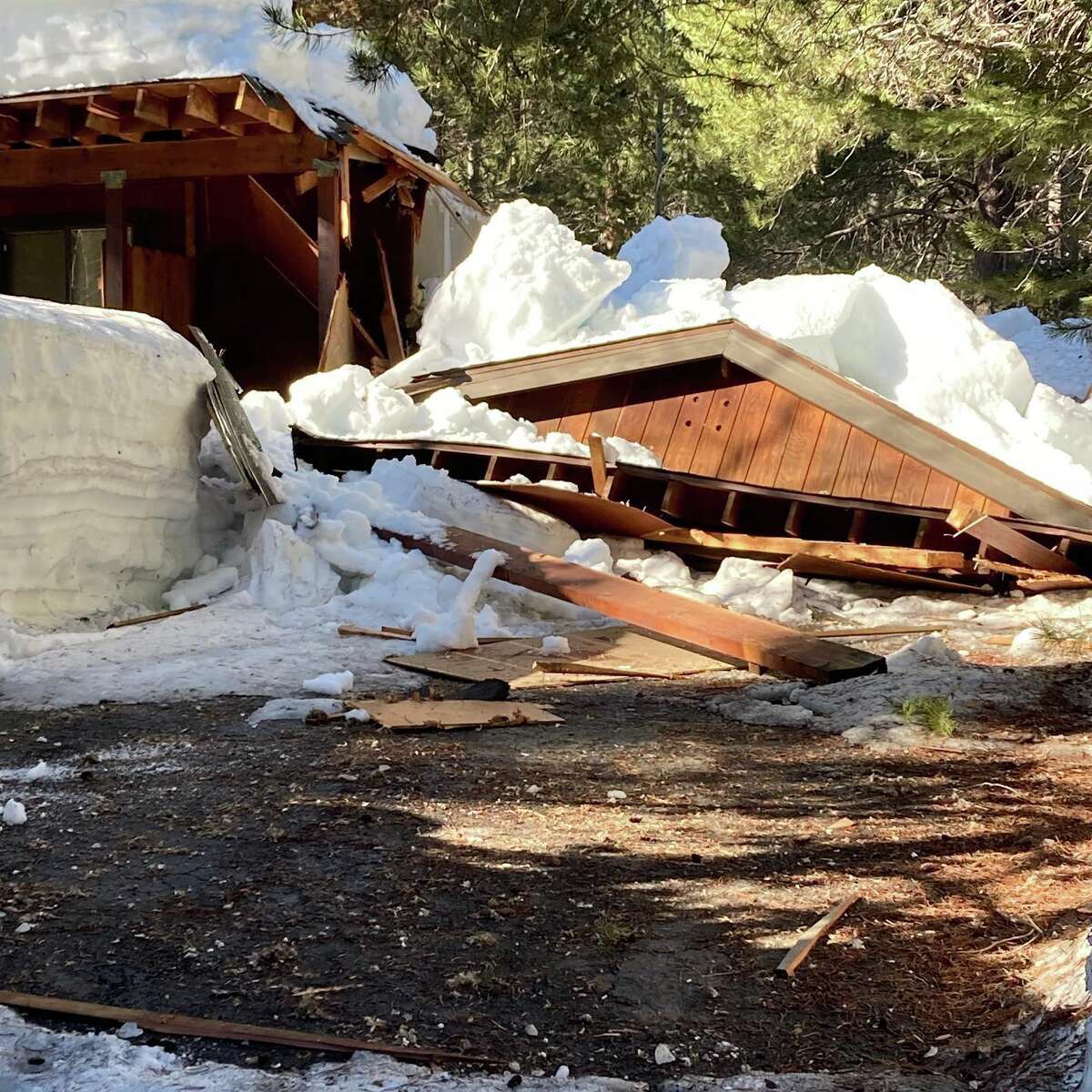
Accumulated snow refers to the depth and weight of snow layers that remain on a surface—typically a roof, deck, or structural canopy—without melting or being removed. Managing this accumulation is a critical maintenance task because, while fresh, fluffy snow is light, the transition to dense, compacted, or ice-laden snow creates significant structural loads that can lead to roof failure, collapse, or dangerous sliding conditions.
The Physics of Snow Accumulation
To understand the risk posed by accumulated snow, one must look beyond simple depth. Snow is dynamic; its weight is determined by its density, which changes constantly based on environmental conditions. Meteorologists and structural engineers categorize snow by its water equivalent. A fresh, dry snowfall might contain only 5% to 7% water, meaning 10 inches of snow translates to less than an inch of water. However, as snow settles, experiences freeze-thaw cycles, or is compressed by subsequent layers, its density can increase significantly.
Compacted snow or snow saturated by freezing rain can reach densities exceeding 20 pounds per cubic foot. When this accumulates on a flat or low-pitched roof, the dead load—the constant weight of the structure and its permanent components—is compounded by this "live load." If the drainage paths are blocked by ice dams or snow drift, the accumulation can become trapped, creating uneven stress points on rafters and trusses.
Identifying Structural Risk Thresholds
Most modern building codes are designed with a specific "ground snow load" in mind, based on historical climate data for a given region. However, these codes generally account for average expectations rather than extreme, once-in-a-decade, or once-in-a-century events. As a property owner, recognizing when your structure is reaching its limit is vital for safety.
Signs of Structural Distress
- Cracking or Popping Sounds: Audible stress in the attic or ceiling area often indicates that structural members are beginning to deflect under the weight of the accumulated snow.
- Deflection of Ceiling Surfaces: Visible sagging in the ceiling, particularly in the center of rooms or near load-bearing walls, suggests the trusses are struggling.
- Difficulty Operating Doors and Windows: If interior doors that previously functioned perfectly begin to stick or will not latch, the building frame may be warping due to extreme roof pressure.
- Leaking or Water Stains: While often mistaken for standard roof leaks, moisture intrusion after a heavy snowfall often indicates that the weight is causing the roof deck to deform, breaking the seals around chimneys, vents, or flashing.
Strategic Removal and Mitigation
Removal should always be considered a last resort, as the process itself carries significant risks to both the person performing the work and the roof membrane. If removal is deemed necessary, safety and mechanical protection must take precedence.
Professional vs. DIY Removal
For most homeowners, hiring a licensed, bonded, and insured professional is the only recommended path for roof snow removal. Professional contractors utilize specialized equipment, such as plastic-edged snow rakes or steam-based ice dam steamers, that prevent the gouging of shingles or metal roofing.
If you choose to attempt partial removal, follow these guidelines:
- Never Get on the Roof: Use a long-handled, roof-specific snow rake from the safety of the ground. Standing on a snow-covered roof is hazardous due to hidden ice patches and the risk of the snow sheet sliding off unexpectedly.
- Leave a Base Layer: Do not attempt to scrape the roof down to the shingles. Removing the final inch of snow often results in damage to the roofing material, which can lead to leaks later in the spring.
- Address Drainage: Focus your efforts on the eaves and the bottom three to six feet of the roof. By creating a clear path for meltwater to run off, you reduce the likelihood of ice dam formation, which keeps the bulk of the snowpack from becoming trapped.
Comparative Load and Removal Table
| Snow Condition | Relative Weight | Risk Profile | Recommended Action |
|---|---|---|---|
| Fresh/Powder | Low | Minimal | Monitor for drifting; rake if depth exceeds 12 inches. |
| Settled/Pack | Moderate | Moderate | Rake eaves; clear roof vents to prevent ice dams. |
| Ice-Crusted | High | Severe | Hire professionals; do not attempt DIY removal. |
| Saturated/Slush | Very High | Critical | Evacuate area; contact structural engineer immediately. |
The Role of Ice Dams in Accumulation
An ice dam is a ridge of ice that forms at the edge of a roof and prevents melting snow from draining off. This is a common consequence of poor attic insulation and ventilation. Heat from the living space escapes into the attic, warming the roof deck and causing the snow directly above the living area to melt. This water then runs down to the colder eaves, where it refreezes, creating a dam.
The accumulated snow behind this dam acts as a reservoir. Once an ice dam forms, the weight of the accumulated water and slush is substantially higher than that of simple snow. Preventing ice dams through proper attic air sealing and increasing R-value in insulation is the most effective way to manage long-term snow accumulation issues.
Legal and Insurance Considerations
In 2026, insurance policies vary significantly regarding snow-related damage. Many standard homeowner policies cover "sudden and accidental" damage caused by the weight of ice and snow. However, they rarely cover damage caused by long-term neglect or failure to maintain adequate roof drainage.
If you observe that your roof is nearing its weight capacity, documentation is essential. Take photos of the accumulation, note the weather conditions, and maintain records of any professional snow removal services contracted. If structural damage occurs, this evidence is critical for filing a claim. Note that professional advice regarding structural integrity should always come from a licensed civil or structural engineer, not a general contractor or roof installer.
Frequently Asked Questions
How much snow weight can a typical roof handle?
Most residential roofs are engineered to support 20 to 30 pounds per square foot (PSF), though this varies by climate zone. However, this includes the dead load of the roof materials themselves. It is rarely the total depth of the snow that causes collapse, but rather the density. When snow turns to ice or heavy slush, it can exceed the design limit of older or poorly maintained structures rapidly.
Is there a specific temperature where I should worry?
Temperature is a secondary factor to the state of the snow. When temperatures hover near the freezing point (32°F or 0°C), snow is much more likely to become saturated and heavy. Rapid warming trends following a cold snap are the most dangerous periods, as the moisture content of the accumulated snow increases drastically, adding massive weight without adding depth.
Can I use salt or chemical melters on my roof?
It is strongly discouraged to throw salt or chemical de-icers onto your roof. These substances can damage asphalt shingles, corrode metal flashing, and harm the vegetation surrounding your home when they inevitably wash off. If an ice dam is causing severe water backup, use calcium chloride pucks placed specifically in the dam area, but avoid wide-scale application.
Why do some roofs accumulate more snow than others?
Roof geometry plays a major role. Steeper pitches allow snow to shed naturally, while low-slope roofs retain it. Furthermore, valleys (where two roof planes meet) and areas near dormers often suffer from "drift," where wind carries snow and deposits it in concentrated, deep piles. These areas are usually the first to show signs of structural stress.
When should I call a professional?
Call a professional if you observe visible sagging, hear structural noises, or if ice dams have caused water to back up into the interior of your home. If your roof has an accumulation of three feet or more of heavy, wet snow, do not risk your own safety; consult a qualified snow removal specialist.
Does snow removal affect my roof warranty?
Improper removal methods, such as using metal shovels or power washers, will almost certainly void a manufacturer’s roof warranty. Always ensure your hired service uses equipment that does not compromise the integrity of the shingles or roofing material.
Next Actions
To ensure your home remains protected throughout the winter months, begin by conducting a visual inspection from the ground. Use binoculars to check for significant drift patterns or deep accumulations near chimneys and valleys. If you determine that the load is potentially dangerous, prioritize the hiring of a professional service that specializes in roof snow removal. Do not wait for signs of interior structural failure; preventative removal is significantly less costly than the repairs required after a partial or total collapse. Regularly maintain your attic insulation and ventilation to minimize the conditions that lead to heavy, trapped snowpack.