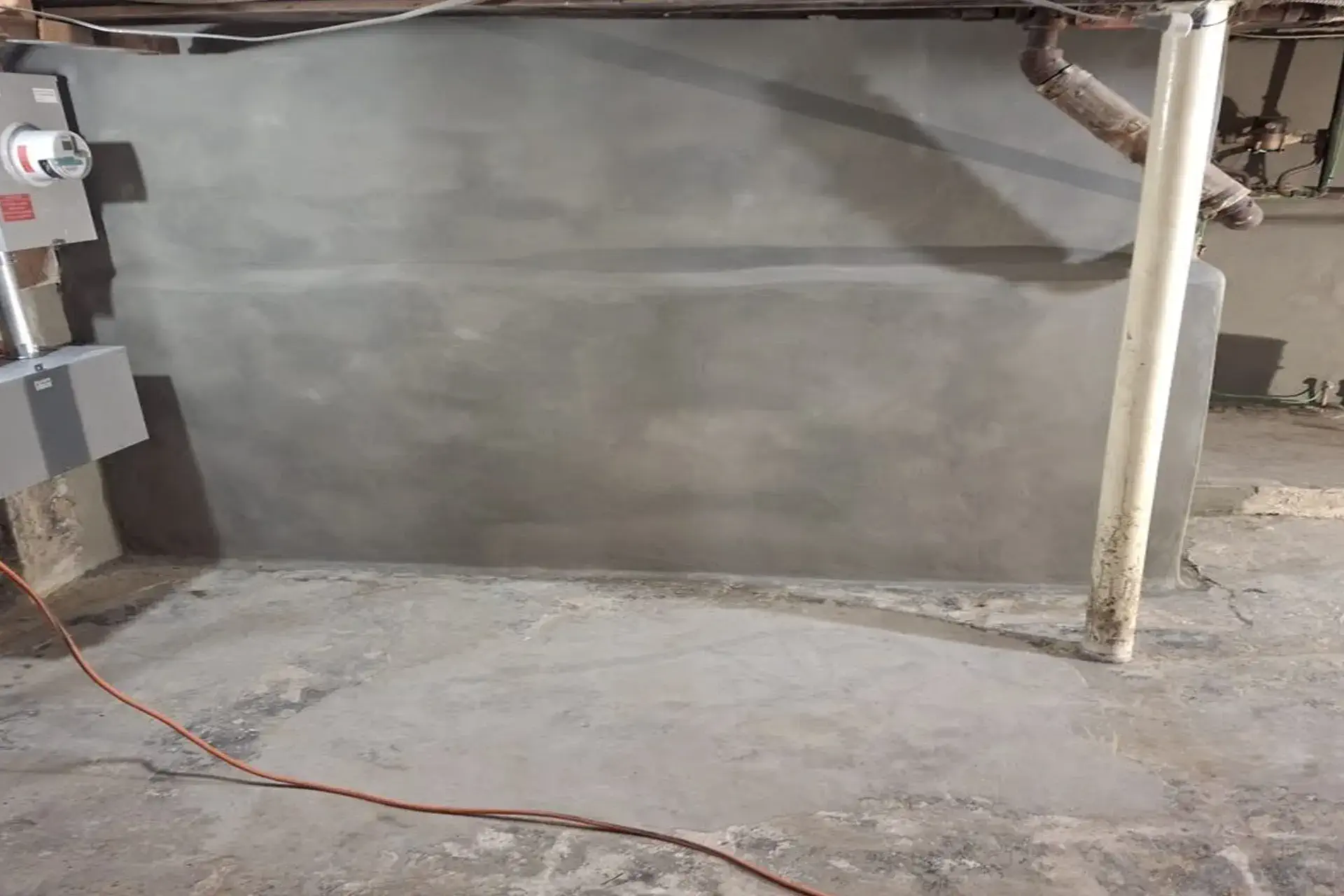
Effective management of basement moisture and structural integrity requires a specialized approach that addresses the root cause of water intrusion and geotechnical instability. ACCL Waterproofing services focus on the long-term preservation of residential and commercial foundations through a combination of interior and exterior drainage solutions, crack injection systems, and structural reinforcement techniques designed to stabilize the building envelope.
Understanding Foundation Failure and Water Intrusion
Foundation issues rarely occur in isolation. In most cases, structural degradation is the secondary effect of chronic water intrusion or soil-related movement. When water pools against a foundation wall, the hydrostatic pressure increases significantly. This pressure, compounded by the freeze-thaw cycles common in many climates, can push walls inward, lead to basement flooding, and cause micro-cracking in concrete masonry units (CMU) or poured foundations.
Waterproofing is not merely about stopping leaks; it is about managing the hydro-geological environment surrounding your property. Remediation services must account for the soil composition, the existing foundation material (poured concrete, cinder block, or brick), and the external drainage landscape. Without a professional assessment, surface-level patches often fail because they ignore the underlying pressure buildup or the shifting soil strata supporting the structure.
Core Waterproofing Methodologies
When professional remediators address foundation moisture, they generally utilize two distinct approaches: interior systems and exterior waterproofing. Choosing between them—or opting for a combination—depends on the nature of the leak and the site’s accessibility.
Exterior Excavation and Waterproofing
Exterior waterproofing is widely considered the "gold standard" for foundation protection. This process involves excavating the soil around the perimeter of the foundation down to the footing. Once exposed, the wall is cleaned, and a structural-grade waterproofing membrane or liquid-applied elastomeric coating is installed.
This method is highly effective because it prevents water from ever touching the masonry. To supplement the membrane, a new weeping tile (drainage pipe) system is often installed at the footing level to collect and divert water toward a sump pump or storm sewer, effectively relieving hydrostatic pressure.
Interior Perimeter Drainage and Membrane Systems
In scenarios where exterior excavation is physically impossible or cost-prohibitive due to existing landscaping or structures, interior perimeter drainage is the preferred alternative. This system involves removing a portion of the basement floor slab along the wall-floor joint. A drainage track is installed to catch water seeping through the wall or rising through the floor, which is then directed to a sump pump station. While this does not prevent water from entering the wall itself, it ensures the water is managed before it can accumulate as standing water on the basement floor.
Structural Remediation and Foundation Stabilization
Structural remediation goes beyond moisture management. If a foundation has experienced bowing, shear cracks, or sinking (settlement), simple waterproofing will not fix the integrity of the building. Structural remediation services often employ engineering-grade solutions to restore the building’s load-bearing capacity.
Carbon Fiber Reinforcement
Carbon fiber straps are an advanced solution for bowing or cracking walls that have not yet reached a state of catastrophic failure. These straps are epoxied directly to the interior surface of the wall. Because carbon fiber possesses a tensile strength significantly higher than steel, it prevents further inward movement of the foundation wall. It is a non-intrusive, low-profile alternative to heavy steel I-beam bracing.
Underpinning and Piering
If a building is experiencing differential settlement—where one part of the foundation sinks faster than another—underpinning is required. This involves installing steel piers (helical or push piers) deep into the soil until they reach load-bearing strata. The building’s weight is then transferred from the failing soil to these stable, deep-seated piers, essentially "re-leveling" the structure.
Comparison of Common Foundation Repair Techniques
| Technique | Primary Use Case | Installation Effort | Long-Term Durability |
|---|---|---|---|
| Interior Drainage | Minor seepage, wall-floor joint leaks | Moderate | High (if maintained) |
| Exterior Membrane | Severe water intrusion, basement finishing | High | Very High |
| Carbon Fiber | Bowing, vertical/stair-step cracks | Low | Very High |
| Helical Piering | Settlement, sinking foundation | Very High | Permanent |
Prerequisites for Professional Remediation
Before beginning any foundation work, property owners must ensure that the project is legally and technically feasible.
- Geotechnical Inspection: It is advisable to consult a structural engineer or a qualified geotechnical professional to identify if the issue is moisture-related or soil-related.
- Permitting: In most jurisdictions, structural work requires municipal building permits. Foundation excavation or significant stabilization alters the structural load paths of a building, and inspections are required to ensure code compliance.
- Utility Locates: Any project involving excavation must include an official request for utility locates to avoid hitting underground electrical, gas, or telecommunications lines.
- Site Preparation: For interior work, all stored items must be cleared from the basement. For exterior work, homeowners should plan for the temporary removal of decks, porches, or specialized landscaping features that impede equipment access.
Common Mistakes in Foundation Repairs
Homeowners often attempt "quick fixes" that prove detrimental in the long run. Common errors include:
- Hydraulic Cement Overuse: While hydraulic cement is useful for minor, localized leaks, applying it over a large surface area of a leaking wall can trap water pressure behind the masonry, potentially leading to spalling or further cracking.
- Ignoring Surface Drainage: Often, the primary cause of foundation water is ineffective downspouts. If roof runoff is deposited directly next to the foundation, no amount of internal waterproofing will compensate for the constant surge of water. Extending downspouts at least six feet away from the home is a critical, low-cost maintenance step.
- Surface-Level Grading Issues: If the ground surrounding the house slopes toward the foundation, water will always congregate at the base of the wall. Regrading the soil to create a positive slope (at least 5% grade away from the foundation) is a fundamental prerequisite for any waterproofing strategy.
Troubleshooting and Maintenance
Even after professional installation, foundations require periodic monitoring. Homeowners should conduct a seasonal inspection, particularly after heavy spring rains or during the winter thaw.
- Sump Pump Testing: Pour a bucket of water into the sump pit to ensure the pump engages and clears the basin. Ensure the discharge pipe is clear of debris and that water is not being pumped back toward the home.
- Wall Monitoring: If you have had carbon fiber or steel beams installed, observe for any new cracks or changes in the existing ones. Small hairline cracks in concrete are often normal due to settling, but wide, horizontal, or "stair-step" cracks should be evaluated by a professional immediately.
- Dehumidification: Waterproofing systems manage water, but they do not eliminate ambient humidity. Installing a high-capacity dehumidifier in the basement is essential to maintaining healthy air quality and preventing mold growth on organic materials.
Frequently Asked Questions
Is it safe to finish my basement if I have a history of minor water leaks?
You should never finish a basement until the foundation has been permanently waterproofed and moisture-tested. Moisture trapped behind drywall or under flooring will inevitably lead to toxic mold growth and expensive reconstruction costs.
Does a crack in my basement wall always indicate structural failure?
Not necessarily. Many cracks, such as shrinkage cracks in poured concrete, are cosmetic. However, horizontal cracks, cracks that are wider at the top than the bottom, or those that show displacement (one side of the crack is further out than the other) require professional structural assessment.
Can I perform foundation repairs myself?
While tasks like grading or extending downspouts are suitable for DIYers, structural repairs and comprehensive waterproofing are high-stakes tasks. An incorrectly installed drainage system or an improperly placed pier can lead to irreparable damage to the structural integrity of your home. Professional services carry insurance and warranties that protect your investment.
How often should a sump pump be replaced?
A high-quality primary sump pump typically lasts 7 to 10 years. However, this is heavily dependent on how often it runs. It is standard practice to test the pump annually and consider a battery-backup system to protect against power outages during severe storms.
What is the difference between waterproofing and dampproofing?
Dampproofing is a basic coating (often asphalt-based) intended to block damp soil moisture, while waterproofing creates a complete, monolithic barrier that prevents liquid water from penetrating the foundation, often paired with a drainage system to move that water away.
Recommendation for Next Actions
If you suspect foundation issues, your first step should be an independent visual audit of your exterior grading and roof drainage systems. If the grading is correct and the leaks persist, contact a reputable structural remediation firm. Request a site visit specifically focused on identifying the root cause of the moisture or structural movement. Ensure that the proposed remediation plan includes a written warranty on both materials and labor, and verify that the firm holds the appropriate licenses for structural work in your specific region. Prioritize companies that provide clear, engineering-backed explanations for their proposed solutions rather than those offering "one-size-fits-all" chemical injection quick-fixes.