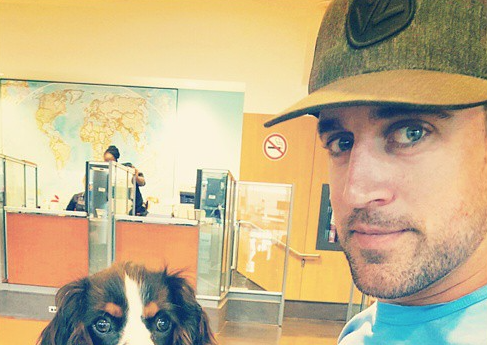
Aaron Rodgers, the veteran professional quarterback, has frequently shared his life with dogs throughout his high-profile career, most notably his rescue dog, a rescue mix named Rizzo. While Rodgers maintains a private personal life, his public appearances with his dogs have highlighted his commitment to animal companionship and advocacy for pet adoption, reflecting a significant personal interest outside of his professional football commitments.
Understanding the Public Interest in Aaron Rodgers’ Dogs
The public curiosity surrounding Aaron Rodgers’ pets stems from the broader fascination with the personal lives of high-profile athletes. Fans often seek to connect with the human side of sports figures, and pet ownership is a common bridge between celebrities and their audience. In the case of Rodgers, his dog ownership is not merely a social media footnote; it serves as a testament to his lifestyle choices and his support for animal welfare organizations.
For many, the appeal of celebrity pet ownership lies in the relatability it provides. When a public figure like Rodgers—whose professional life is defined by intense pressure, complex tactical maneuvers on the football field, and significant media scrutiny—is seen interacting with a pet, it offers a glimpse into a more grounded and nurturing side of his personality.
Identifying the Canine Companions
Throughout his time in the NFL, ranging from his tenure with the Green Bay Packers to his later years, Rodgers has been associated with a few specific animals. The most prominent of these is Rizzo, a rescue dog that gained significant attention when Rodgers appeared on various talk shows and interviews alongside the canine.
Rizzo, often described by media outlets as a rescue mix, became a symbolic part of Rodgers' life during his time in Wisconsin. The dog’s presence was frequently noted by fans who followed Rodgers’ off-field updates. It is important to distinguish between anecdotal reports and verified sightings; while there have been social media posts and media sightings, Rodgers has generally kept the specifics of his pets' daily routines and breeds out of the intense tabloid spotlight.
The Role of Rescue Adoption in Celebrity Culture
Aaron Rodgers’ vocal support for rescue dogs has helped normalize and encourage pet adoption among his fan base. By choosing to adopt a rescue animal rather than purchasing a dog from a breeder, he aligns himself with a growing movement in the United States that prioritizes animal welfare and the reduction of shelter populations.
Benefits of Adopting Rescues
Adoption is often cited by veterinary professionals as a socially responsible way to integrate a pet into a household. The benefits are multifold:
- Reduction of Shelter Strain: Every adoption frees up space and resources in shelters, allowing them to assist other animals in need.
- Health and Temperament: Many shelter animals are already socialized and house-trained, making them excellent companions for busy professionals.
- Support for Ethical Treatment: Adoption discourages support for potentially unethical breeding practices or puppy mills.
For a person with a schedule as demanding as a professional athlete, selecting a dog that fits their lifestyle is paramount. Research suggests that rescue organizations often conduct behavioral assessments, which can help potential owners identify a pet whose energy levels and temperament match their own.
Maintaining Pet Care for High-Profile Individuals
Managing the care of a pet while maintaining a demanding professional career presents unique logistical challenges. For athletes like Aaron Rodgers, ensuring the well-being of a dog requires a combination of personal commitment and the use of professional support systems.
Logistical Considerations for Pet Owners
- Consistency of Care: Dogs thrive on routines. Whether it is meal times, exercise schedules, or social interaction, consistency is the bedrock of canine health. High-profile owners often utilize professional pet sitters or trainers to maintain these routines during travel or training camps.
- Travel Requirements: Professional athletes frequently travel for games and team events. Ensuring that a dog is comfortable with travel, or has a stable home environment with trusted caretakers, is a primary requirement for responsible pet ownership in this bracket.
- Veterinary Coordination: Access to high-quality, specialized veterinary care is essential. Regular check-ups, vaccinations, and preventive treatments are necessary to ensure long-term health, regardless of the owner’s status.
Professional Pet Training
It is common for high-profile owners to enlist the help of professional trainers. Training is not just about obedience; it is about safety and socialization. A well-trained dog is less likely to experience stress when in public environments or around crowds, which is a frequent reality for pets associated with public figures.
Comparative Overview: Pet Ownership Factors
When considering the requirements of adopting or caring for a pet, prospective owners should evaluate their lifestyle against the needs of the animal. The table below outlines key considerations for maintaining a healthy relationship with a pet, drawing from standard veterinary and behavioral guidelines.
| Feature | Requirement | Impact on Lifestyle |
|---|---|---|
| Exercise | Daily physical activity | Promotes health and manages stress |
| Training | Regular reinforcement | Enhances safety and social integration |
| Dietary Needs | High-quality nutrition | Prevents chronic illness and obesity |
| Logistics | Reliable pet care network | Ensures stability during travel/work |
| Health Care | Annual exams and updates | Facilitates early detection of issues |
Frequently Asked Questions
What kind of dog is Aaron Rodgers’ dog, Rizzo?
Rizzo is a rescue dog. While the specific breed mix has not been formally documented through a DNA registry by the owner, media reports typically characterize the dog as a rescue mix. Rescue animals are often of mixed heritage, which can sometimes result in better genetic diversity and fewer breed-specific health issues.
Does Aaron Rodgers currently have other pets?
Rodgers is known for his privacy. While he has been linked to other animals over the years, he does not maintain a public "pet brand." His engagement with animals is personal rather than performative. Any updates regarding his pets usually come from limited social media engagement or off-the-cuff mentions in sports-related interviews.
How do professional athletes ensure their pets remain healthy during a season?
Athletes often employ a "team" approach to home life, similar to their professional teams. This includes hiring professional pet sitters, utilizing kennel services that specialize in high-care environments, and ensuring their primary residence has adequate space and access for the animal to receive exercise even when the owner is not physically present.
Are there specific benefits to adopting from a shelter?
Yes, beyond the ethical considerations, shelter dogs are often evaluated by professionals before adoption. This allows prospective owners to understand the personality and energy levels of the dog beforehand, ensuring a better match for the owner's lifestyle. Many shelter dogs are also already microchipped and vaccinated, providing a secure foundation for the transition into a new home.
Should fans look to emulate celebrity pet ownership?
While fans may look to celebrities for inspiration, it is important to remember that pet ownership is a personal commitment. Potential owners should research breeds or shelter availability based on their own living space, time availability, and financial capacity, rather than the choices of a public figure.
Next Steps for Prospective Pet Owners
If the interest in Aaron Rodgers’ dog has sparked a desire to adopt a pet, the most effective first step is to contact a local animal shelter or humane society. These organizations are equipped to help you evaluate your lifestyle, living situation, and time commitment to ensure that you and your potential new companion are a compatible match.
Before visiting a shelter, consider the following:
- Assess your time: Can you provide at least one to two hours of active time for your pet daily?
- Evaluate your space: Does your home have enough room for the dog's size and energy level?
- Budget for expenses: Beyond initial adoption fees, prepare for ongoing costs including high-quality food, monthly preventatives, and professional veterinary care.
By approaching pet adoption with the same level of preparation and research that one would apply to any significant life decision, you ensure a long, healthy, and mutually beneficial relationship with your future companion.