90 Day Fiancé has increasingly featured autistic cast members, most notably Cleo and Statler Riley, to highlight the unique challenges and strengths neurodivergent individuals face in international romance. This representation aims to foster understanding of sensory sensitivities, communication differences, and the importance of partner support within the neurodiverse community during the high-stakes K-1 visa process.
The Evolution of Neurodiversity in Reality Television
As of 2026, the landscape of reality television has shifted significantly toward inclusivity, with the "90 Day Fiancé" franchise leading many conversations regarding neurodiversity. Historically, reality TV relied on caricatures or high-conflict personalities to drive ratings. However, the inclusion of cast members who identify as autistic has forced a shift in how production companies and audiences approach the concept of "drama." For an autistic individual, the drama is often not found in manufactured conflict, but in the internal and external struggle to navigate a world—and a relationship—built for neurotypical standards.
The term "autistic" refers to a developmental profile characterized by challenges with social interaction and communication, as well as restricted or repetitive patterns of behavior. When applied to the high-pressure environment of international dating, these traits manifest in unique ways. In the context of 90 Day Fiancé, viewers have seen how international travel, language barriers, and the sudden integration of two lives can exacerbate sensory overload and communication breakdowns for neurodivergent participants.
Notable Autistic Cast Members in the 90 Day Franchise
While several cast members have been the subject of fan speculation regarding neurodivergence, a few have been open and transparent about their diagnoses, providing a platform for advocacy and awareness.
Cleo (90 Day Fiancé: Before the 90 Days)
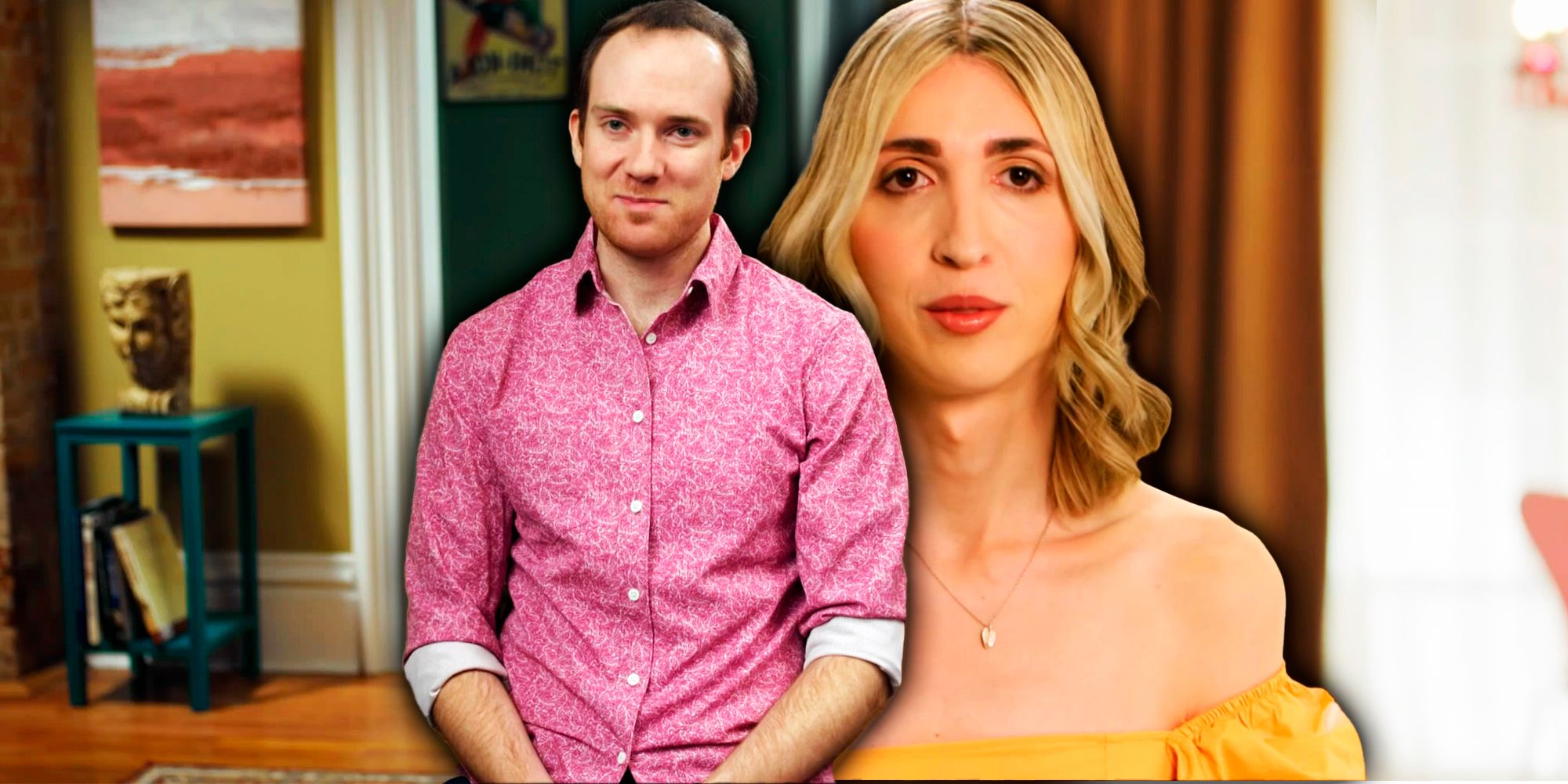
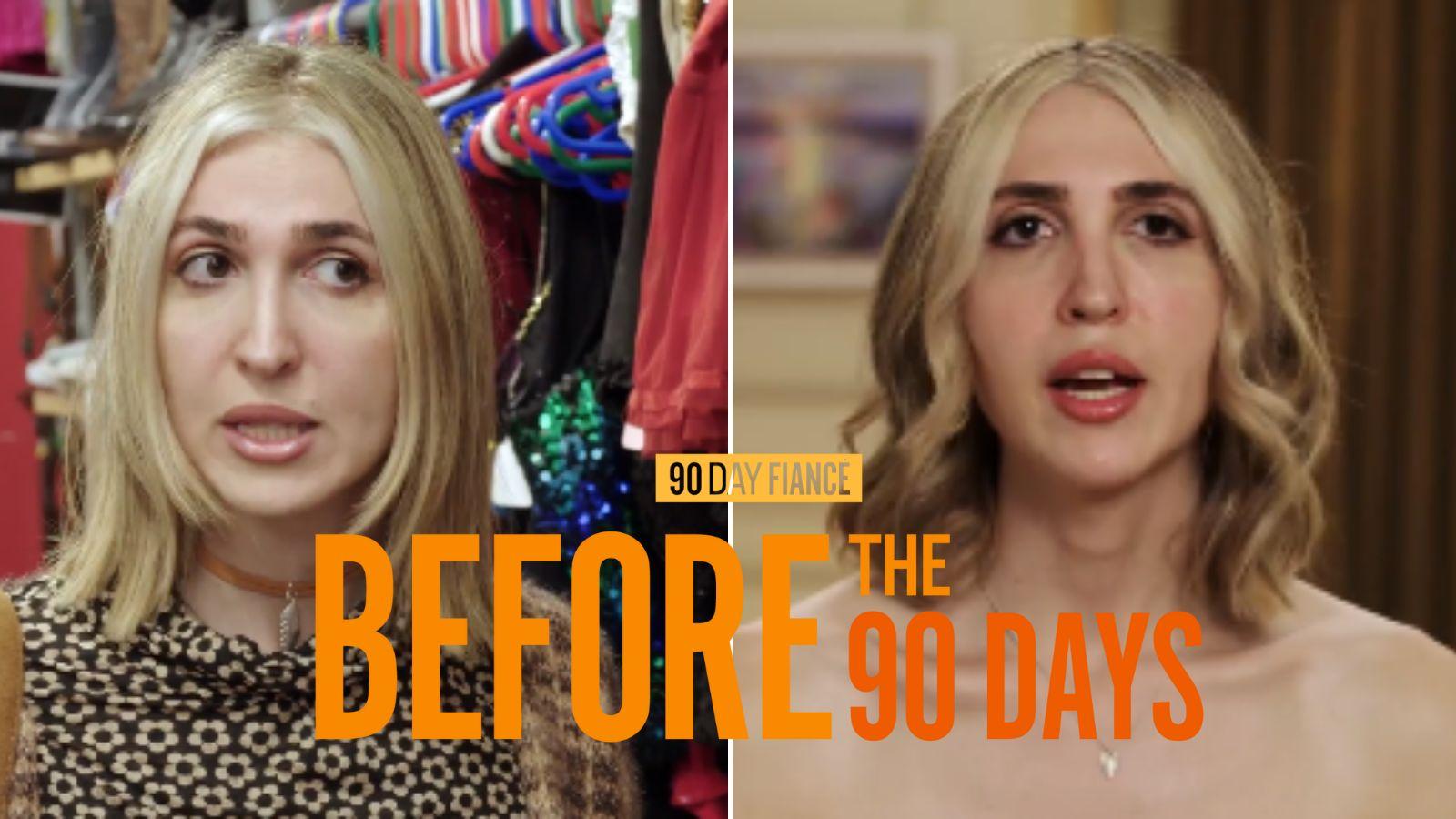
Cleo, a trans woman living in London, became one of the most prominent faces of autism in the franchise during her debut. Her journey with her American partner, Christian, highlighted the specific nuances of being an autistic adult in a long-distance relationship.
Cleo’s representation was particularly vital because she articulated her needs clearly to the cameras. She spoke openly about her "social battery," the exhaustion that comes from prolonged social interaction, and her sensitivity to environments. A key moment in her season involved a visit to a loud, crowded bar—a typical "first date" setting for many, but a source of intense sensory distress for her. This scene served as an educational moment for many viewers who may not have understood why a seemingly simple outing could be so taxing for an autistic person.
Statler Riley (90 Day Fiancé: Before the 90 Days)
Statler Riley introduced another facet of neurodiversity: the intersection of Autism and ADHD (often referred to as AuDHD). Statler was vocal about her late-in-life diagnosis and how it explained her history of feeling like an "outsider." Her storyline focused on her relationship with Dempsey, a woman living in the English countryside.
Statler’s presence on the show provided insight into "masking"—the process by which autistic individuals suppress their natural traits to fit into neurotypical society. She often used humor and hyper-verbal communication as a way to cope with anxiety, a trait that was sometimes misinterpreted by her partner and the audience as being "erratic" or "too much." Her transparency about her struggles with executive dysfunction and impulsivity added a layer of realism to the show’s portrayal of neurodivergent dating.
Navigating Sensory and Social Challenges in International Travel
For the autistic cast members of 90 Day Fiancé, the "90-day" timeline and the preceding "Before the 90 Days" trips represent a gauntlet of sensory triggers. International travel is inherently stressful, involving crowded airports, fluctuating schedules, and unfamiliar smells and sounds.
Sensory Processing and Environmental Factors
Autistic individuals often experience sensory processing differences. In the 90 Day universe, we see this play out when a cast member moves from a quiet, controlled environment to a chaotic city or a household with different cultural norms.
- Acoustic Sensitivity: Loud markets or bustling city centers can lead to "meltdowns" or "shutdowns."
- Tactile Sensitivity: Changes in climate, clothing textures, or even the physical touch of a new partner can be overwhelming.
- Routine Disruption: The loss of a familiar schedule is one of the biggest hurdles for autistic adults. Moving to a new country essentially erases an individual's coping mechanisms overnight.
Communication Styles: Literal vs. Nuanced
A common trait among autistic individuals is literal communication. In a show built on "he said, she said" drama, this can lead to significant misunderstandings. Autistic cast members may struggle to pick up on sarcasm, passive-aggressive cues, or the "unwritten rules" of their partner's culture. Conversely, their own directness is sometimes perceived as coldness or rudeness by partners who are used to more "socially cushioned" interactions.
Comparison of Neurodivergent Representation in the Franchise
The following table compares the experiences and themes highlighted by neurodivergent cast members across the 90 Day Fiancé seasons (up to 2026).
| Cast Member | Diagnosis Shared | Primary Theme | Key Relationship Challenge |
|---|---|---|---|
| Cleo | Autism | Sensory Processing & Identity | Managing social battery with an extroverted partner. |
| Statler | Autism & ADHD | Late Diagnosis & Masking | Balancing impulsivity with the need for security. |
| Erika Owens | ADHD (often discussed) | Neurodivergent Communication | Expressing emotional needs in a high-conflict dynamic. |
| David Dangerfield | Deaf (Disability Rep) | Non-Verbal Communication | Navigating life without auditory cues in a foreign land. |
The Role of the "Neurotypical" Partner
A critical element of the 90 Day Fiancé autistic experience is the reaction and adaptation of the partner. The show often acts as a litmus test for how well a neurotypical partner can accommodate their significant other’s needs.
The Importance of Validation
Successful segments of the show involve partners who do not dismiss the autistic individual's experience. For example, when a partner recognizes that a "shutdown" is a physiological response rather than a choice, the relationship tends to stabilize. When partners like Christian or Dempsey struggled to understand the depth of their partner's neurodivergence, it highlighted a common real-world issue: the burden of education often falls on the autistic person.
Misconceptions and "Fixing"
One recurring theme in the series is the neurotypical partner’s attempt to "fix" or "push" the autistic partner out of their comfort zone. While growth is part of any relationship, pushing an autistic person to endure sensory pain or social exhaustion is often depicted as a point of failure in the relationship's foundation. By 2026, fan discourse has become much more critical of partners who ignore these stated boundaries.
The Impact of Reality TV Editing on Autism Perception
The "edit" is a powerful tool in reality television. For autistic cast members, the way their behavior is framed can either humanize them or turn them into a "quirky" spectacle.
- The "Quirky" Trope: Early portrayals of neurodivergence often relied on whimsical music or "awkward" sound effects to highlight social differences.
- The "Difficult" Trope: Editing can sometimes frame an autistic person's need for routine or sensory control as being demanding or "high maintenance."
- Humanization: More recent seasons have allowed for "confessionals" where cast members explain the internal logic behind their actions, which bridges the gap between the viewer and the neurodivergent experience.
The franchise has faced criticism from advocacy groups for occasionally prioritizing conflict over the well-being of neurodivergent participants. However, the sheer visibility of autistic adults dating, traveling, and seeking love has been praised for breaking the stereotype that autistic people are uninterested in or incapable of romantic relationships.
Advocacy and the 90 Day Fan Community
The 90 Day Fiancé fan base is one of the most active online communities. On platforms like Reddit and Instagram, viewers often dissect episodes with a high degree of scrutiny. This has led to a fascinating phenomenon where the community often defends autistic cast members against unfair editing or insensitive partners.
This "armchair analysis" has its pros and cons. On the positive side, it spreads awareness of terms like "stimming," "sensory overload," and "executive dysfunction." On the negative side, it can lead to fans "diagnosing" other cast members who have not publicly shared their neurological status, which can be intrusive and stigmatizing.
Practical Advice for Navigating Neurodiverse International Relationships
Drawing from the lessons learned on 90 Day Fiancé, there are several steps couples can take when one or both partners are autistic and embarking on an international move.
Prioritize the "Safe Space"
Before the move, the couple should discuss what a "safe space" looks like in the new home. This includes:
- Light and Sound Control: Ensuring there are areas with dimmable lights and noise-canceling options.
- Safe Foods: Identifying local equivalents of "safe foods" to prevent nutritional or sensory issues during the transition.
- Predictable Routines: Establishing a new daily schedule as quickly as possible to provide a sense of grounding.
Education and Resources
The neurotypical partner should take the initiative to research autism rather than relying solely on their partner for information. This reduces the emotional labor for the autistic individual. Utilizing resources from organizations like the Autistic Self Advocacy Network (ASAN) can provide a perspective that focuses on empowerment rather than "treatment."
Clear Communication Protocols
Since autistic individuals often prefer direct communication, the couple should establish protocols for when things get "too much." This might include a "safe word" or a hand signal that indicates the autistic partner needs to leave a social situation immediately, no questions asked.
Frequently Asked Questions
Is Cleo from 90 Day Fiancé still with Christian?
As of late 2025 and moving into 2026, Cleo and Christian’s relationship status has been a subject of significant social media speculation. Following their season, they had several public ups and downs. Their journey highlighted that while autism wasn't the only factor in their relationship, the lack of alignment on social needs and public perception created significant hurdles.
How does autism affect the K-1 visa process?
The K-1 visa process involves rigorous interviews and medical examinations. While autism is not a disqualifying condition for a U.S. visa, the stress of the interviews and the sensory environment of government buildings can be challenging. Preparation, including bringing sensory tools (like fidgets) and practicing interview questions, is often recommended for neurodivergent applicants.
Was Statler Riley's diagnosis confirmed on the show?
Yes, Statler Riley explicitly discussed her Autism and ADHD diagnoses on "Before the 90 Days." She used her platform to discuss how her brain "fires differently" and how that influenced her rapid-fire dating style and her desire to move to England shortly after meeting Dempsey.
What is "masking" in the context of reality TV?
Masking occurs when an autistic cast member tries to hide their traits to appear "normal" for the cameras or their partner. This often leads to a "crash" later on, where the individual becomes extremely exhausted or prone to meltdowns. Viewers often see the "crash" but not the hours of masking that preceded it, which can lead to a misunderstanding of the cast member's character.
Does TLC provide support for neurodivergent cast members?
While TLC has not publicly detailed specific neurodiversity protocols, the industry trend in 2026 has moved toward providing "psychological producers" or therapists on set. These professionals help ensure that cast members—especially those with sensory or neurological sensitivities—are not pushed beyond their breaking points during filming.
Moving Forward with Inclusive Casting
The inclusion of autistic individuals on 90 Day Fiancé is more than just a casting choice; it is a reflection of a society that is beginning to recognize the validity of different neurological experiences. For viewers, these stories provide a window into the complexities of love that transcend borders and brain types. For the autistic community, seeing someone navigate the same world of heartbreak, excitement, and paperwork provides a sense of validation that was missing from television for decades.
As we look toward future seasons in 2026 and beyond, the hope is for even more nuanced portrayals that move away from "the struggle" and toward "the success" of neurodivergent love.