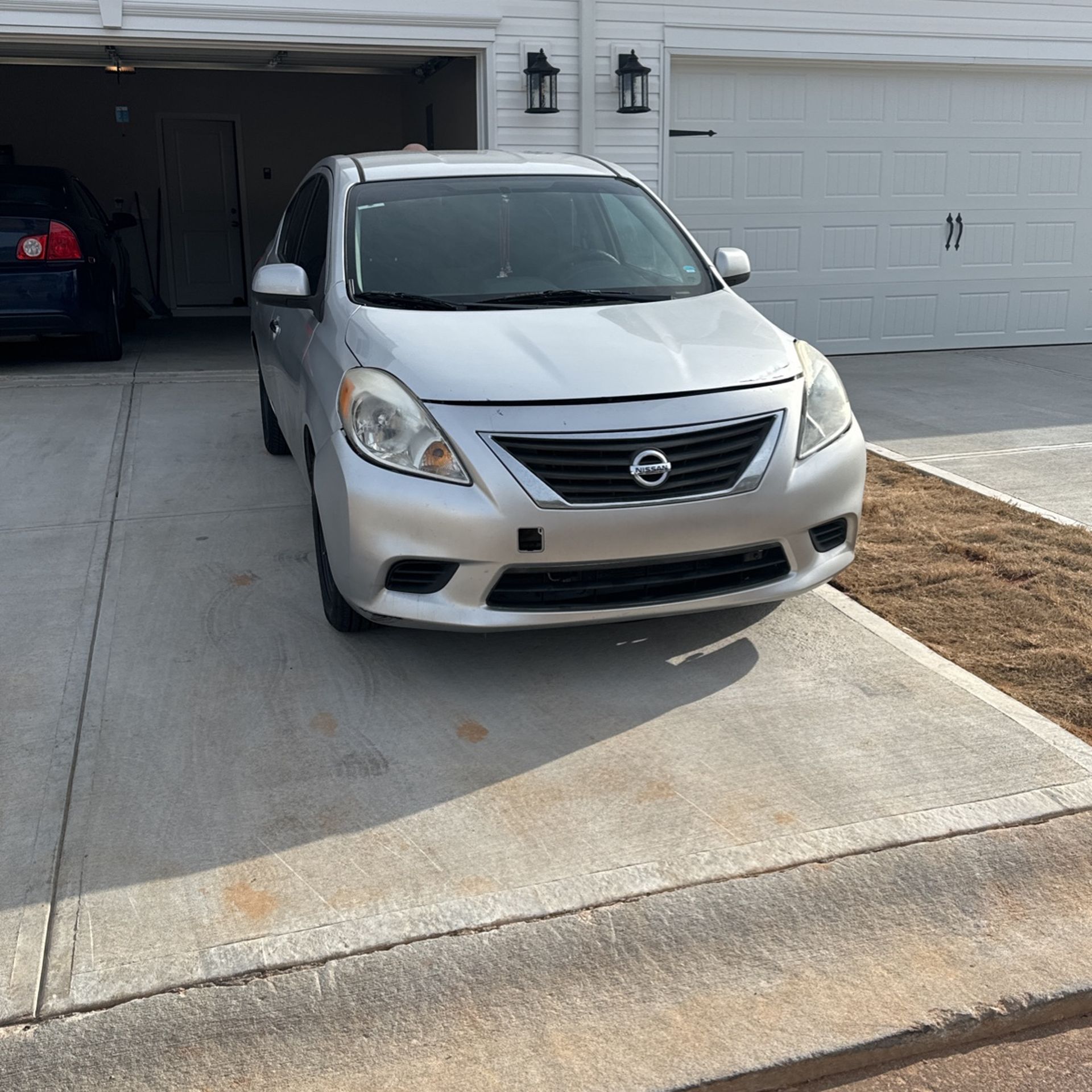
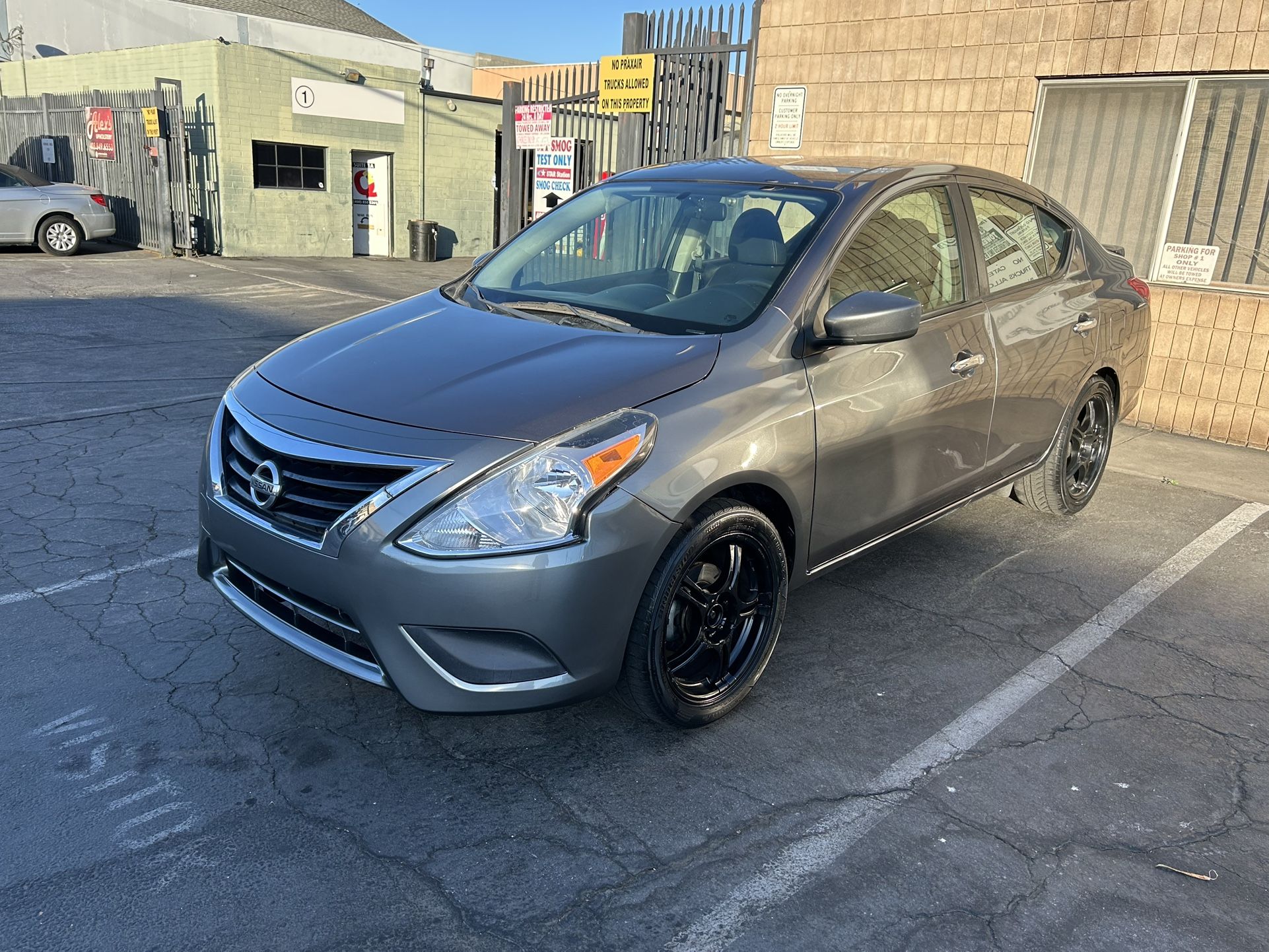
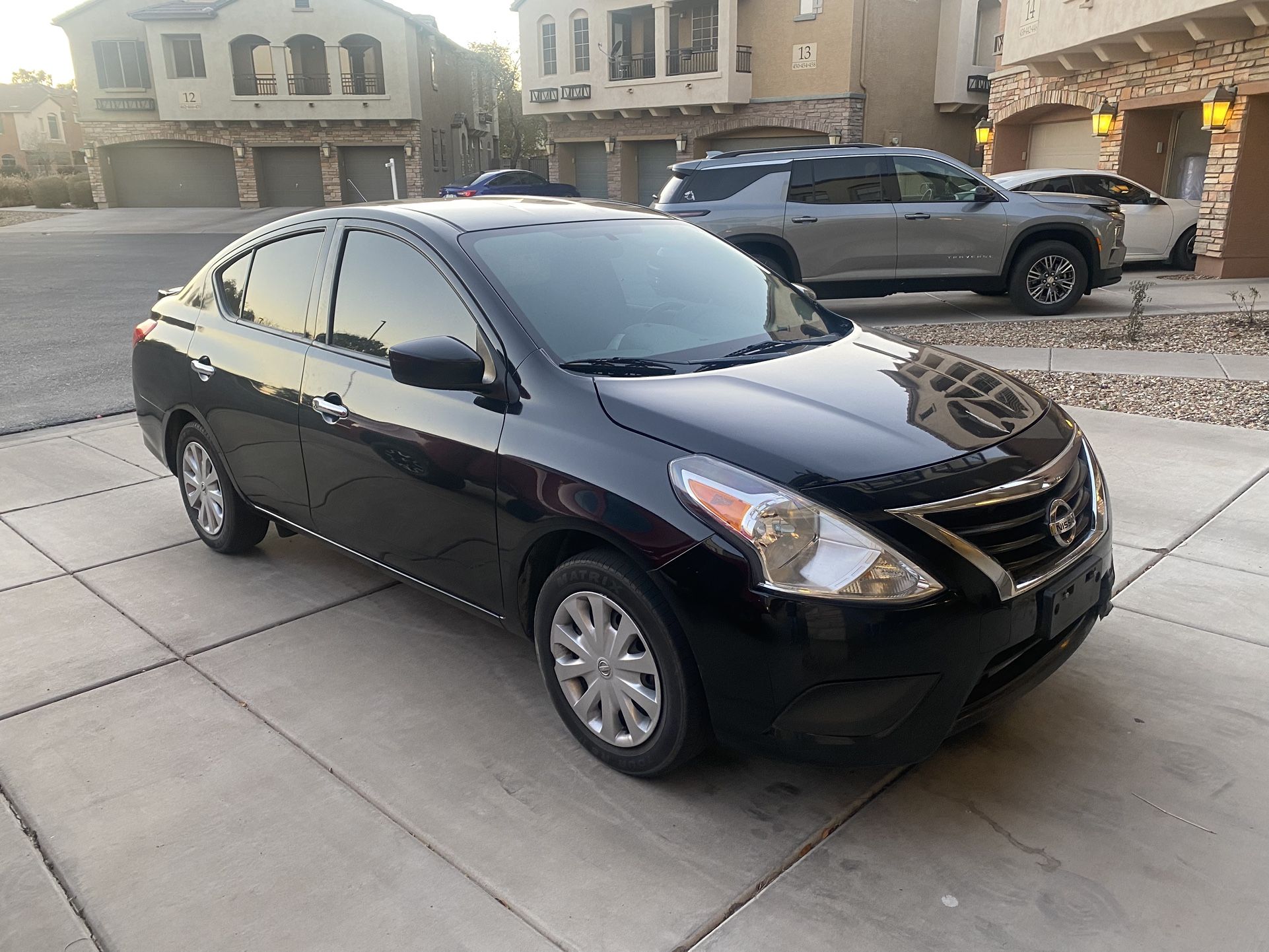
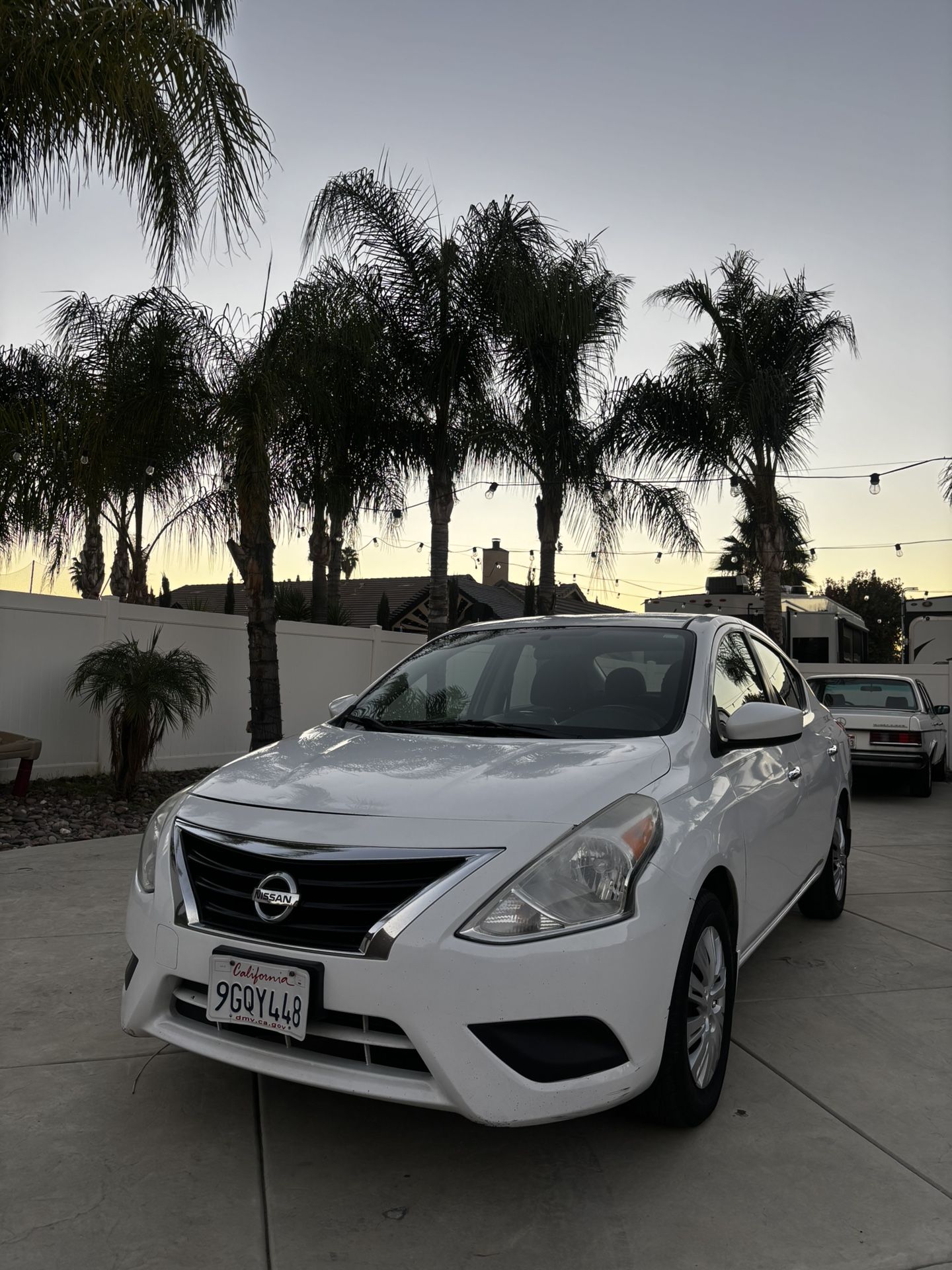
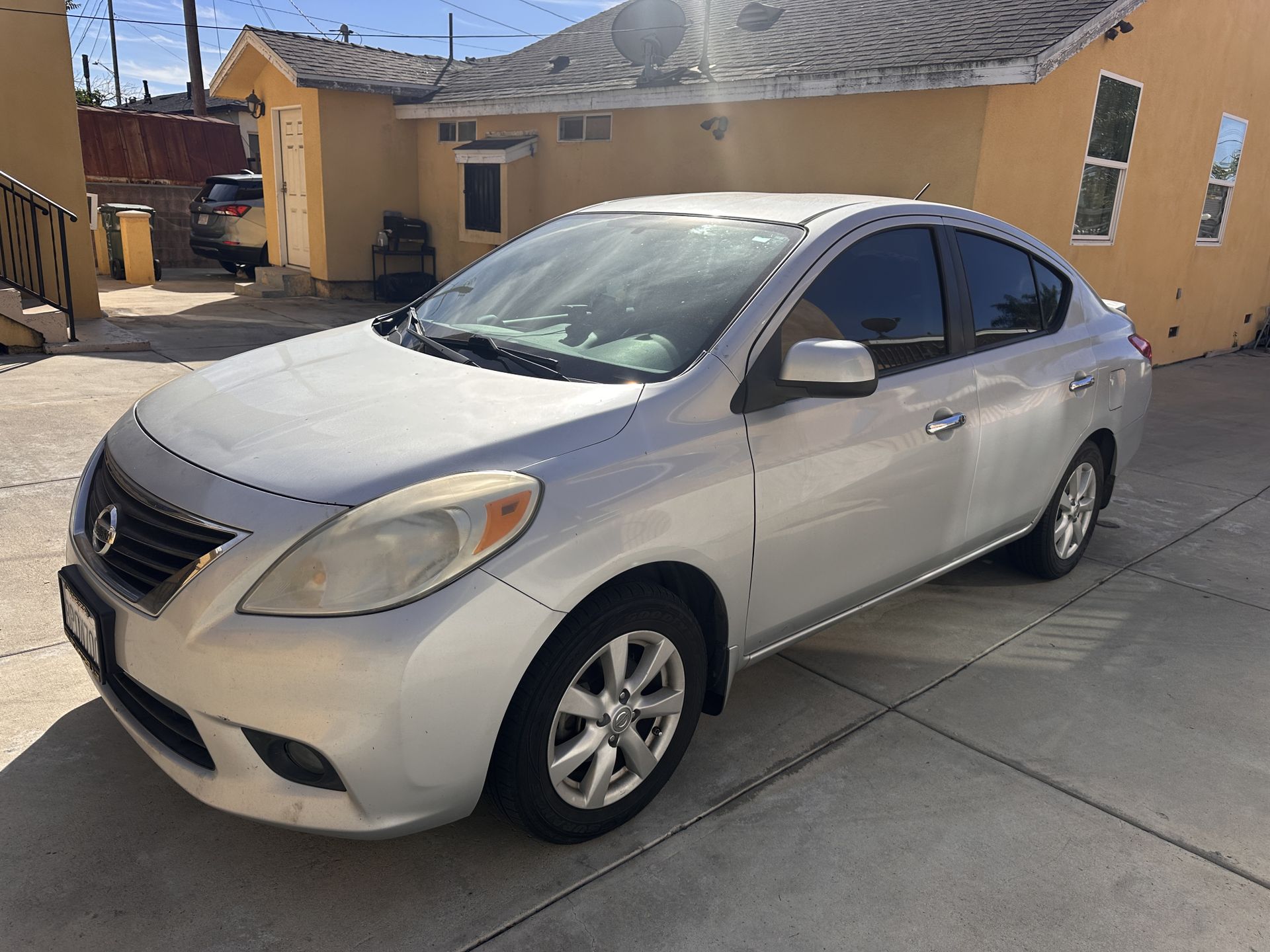
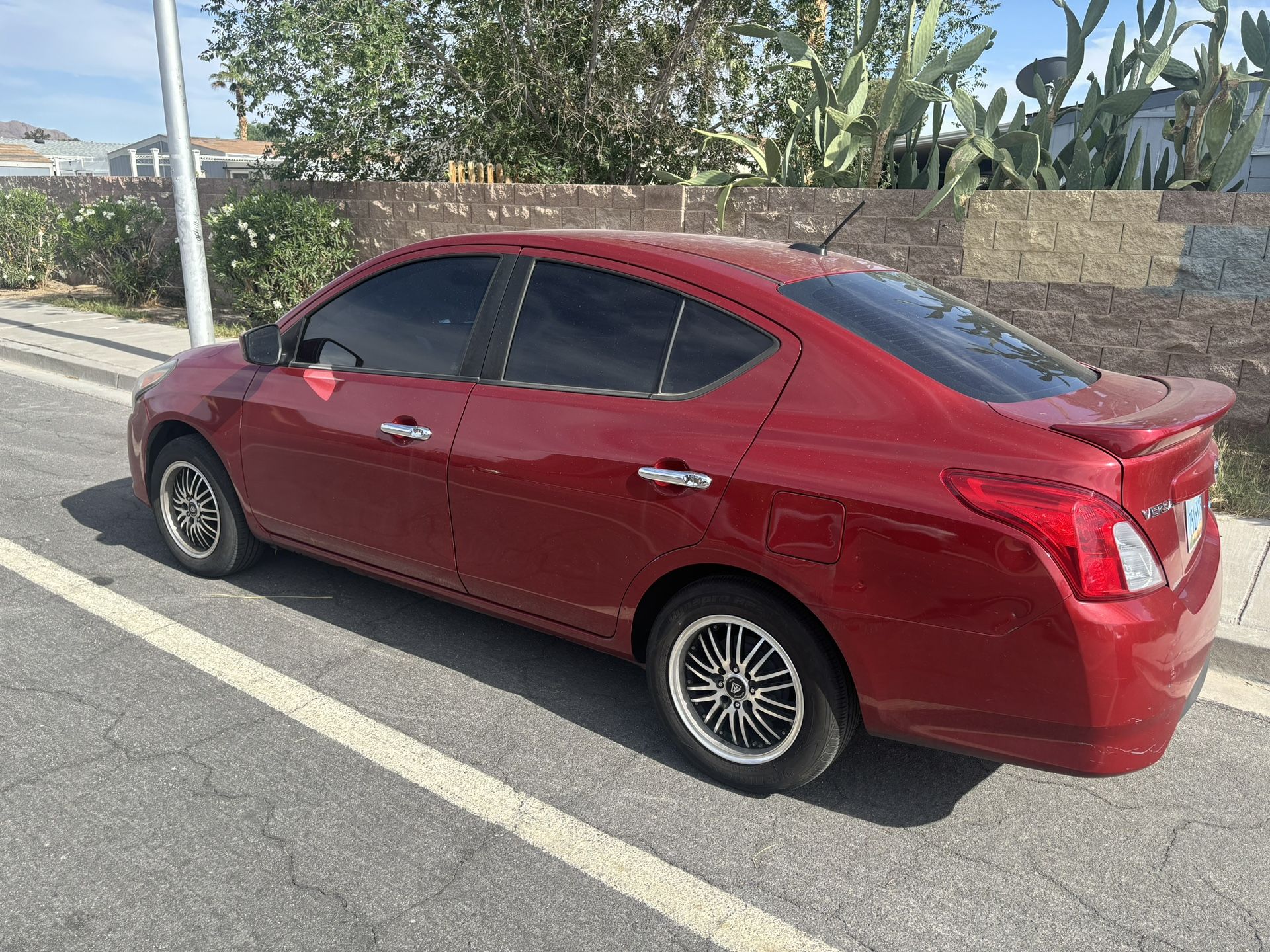
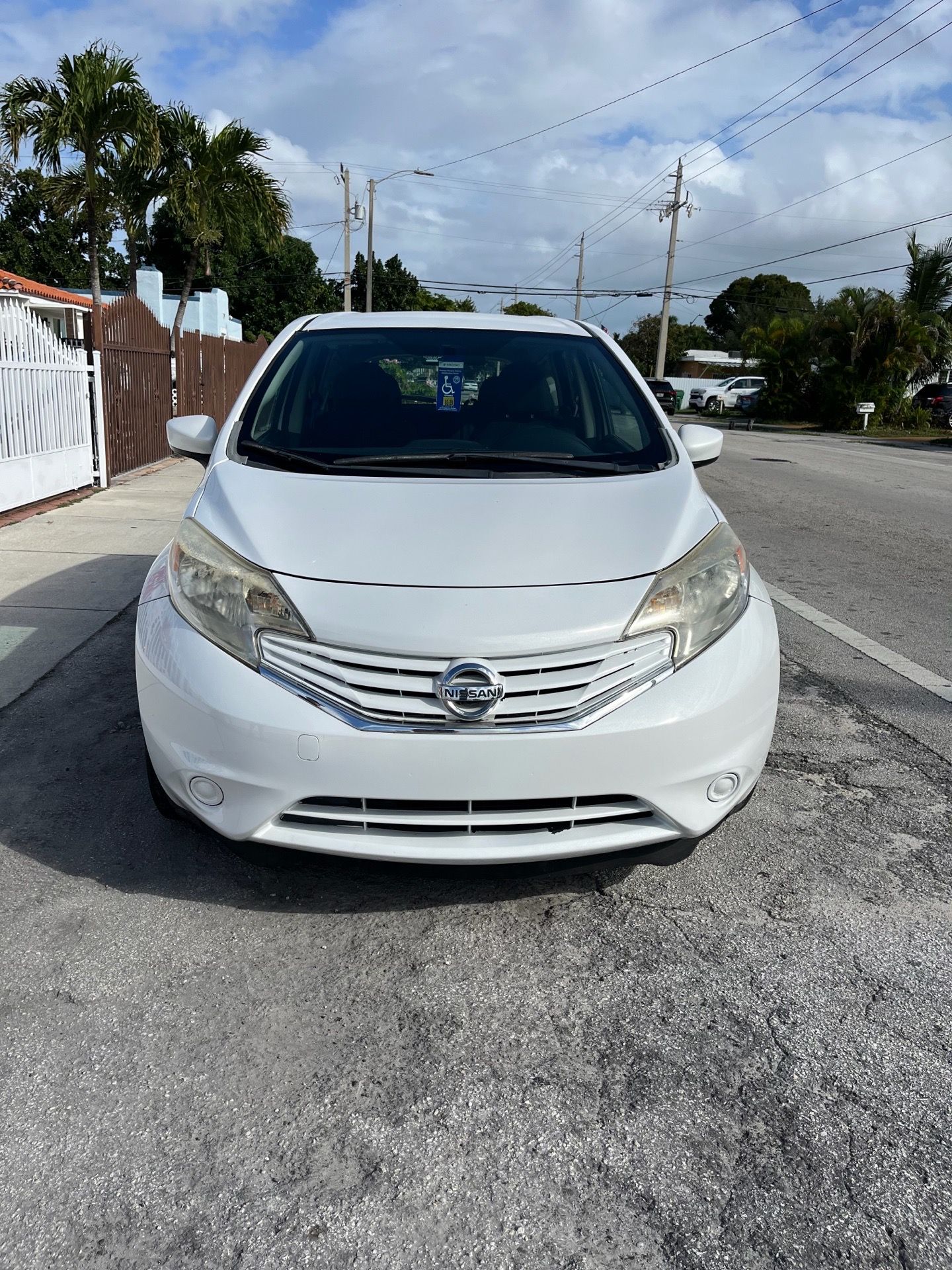
The Nissan Versa typically achieves a 0-60 mph acceleration time of approximately 9.5 seconds when equipped with the Xtronic Continuously Variable Transmission (CVT). This performance figure places the Versa in a competitive position within the subcompact sedan segment, offering sufficient power for urban commuting and steady highway merging while prioritizing fuel efficiency over raw speed.
The Nissan Versa has long been a staple of the entry-level automotive market, valued for its affordability and practicality. However, for many drivers in 2026, the question of performance remains a critical factor. While no one expects a subcompact sedan to rival a sports car, the ability to safely merge into fast-moving traffic or navigate steep inclines is essential. Understanding the mechanics behind the 9.5-second benchmark requires a deep dive into the vehicle’s powertrain, weight-to-power ratio, and the specific technology Nissan employs to extract maximum efficiency from a small-displacement engine.
The Engineering Behind the 9.5-Second Sprint
The heart of the Nissan Versa’s performance is its 1.6-liter DOHC 16-valve 4-cylinder engine, known internally as the HR16DE. As of 2026, this engine remains the workhorse of the Versa lineup, delivering 122 horsepower at 6,000 rpm and 114 lb-ft of torque at 4,400 rpm. While these numbers may seem modest, they are meticulously paired with a lightweight chassis that tips the scales at approximately 2,600 to 2,700 pounds, depending on the trim level.
The 9.5-second 0-60 mph time is largely achieved through the optimization of the engine’s torque curve. Because the Versa lacks a turbocharger, it relies on natural aspiration. This means the engine breathes air at atmospheric pressure, leading to a very linear delivery of power. To achieve the best possible acceleration, the engine must reach its peak power band quickly. The 9.5-second figure is generally recorded under ideal conditions: a flat surface, optimal ambient temperature, and a driver utilizing the CVT’s "Sport" mode to keep the engine RPMs high.
The Role of the Xtronic CVT
The Xtronic CVT (Continuously Variable Transmission) is the primary reason the Versa can maintain a sub-10-second 0-60 mph time. Unlike traditional automatic transmissions that have a fixed number of gears (6-speed, 8-speed, etc.), a CVT uses a system of belts and pulleys to provide an infinite number of gear ratios.
In a performance context, the CVT’s advantage is its ability to hold the engine at its most powerful RPM—exactly where the 122 horsepower is produced—without needing to "shift" and drop the revs. Nissan has refined this technology with D-Step Logic Control, which simulates traditional gear shifts during hard acceleration. This reduces the "rubber-band" sensation often criticized in older CVTs and provides a more engaging, linear acceleration feel that helps the vehicle reach 60 mph efficiently.
Comparing Transmission Options: Manual vs. CVT
While the 9.5-second mark is the standard for the CVT models, the Nissan Versa has historically offered a 5-speed manual transmission on its base (S) trim. Interestingly, in the hands of a professional driver, a manual transmission might sometimes match the CVT’s time, but for the average user, the CVT is often faster and more consistent.
- Consistency: The CVT removes human error from the equation. There is no risk of a missed shift or a slow clutch release.
- Gearing: The 5-speed manual has relatively "long" gears designed for fuel economy. This means that to hit 60 mph, the driver often has to shift into third gear, and the time spent during that second shift can actually make the manual slower than the CVT in a 0-60 mph sprint.
- Modern Tuning: By 2026, Nissan's software tuning for the Xtronic CVT has become so advanced that it can predict driver intent based on throttle position, adjusting the pulley ratio faster than a human can move a gear lever.
Real-World Performance Factors
A vehicle's 0-60 mph time is a laboratory-style measurement, but several real-world variables can influence whether a driver actually experiences that 9.5-second performance.
Curb Weight and Payload
The Versa’s power-to-weight ratio is delicate. With only 122 horsepower, adding passengers or heavy cargo has a significant impact. A Versa carrying four adults and luggage may see its 0-60 mph time drop to 11 or 12 seconds. For drivers who frequently haul heavy loads, the 9.5-second performance might feel out of reach.
Aerodynamics and Drag
The Versa is designed with a low coefficient of drag ($C_d$), which helps it cut through the air. However, at higher speeds, wind resistance becomes the primary enemy of acceleration. While the jump from 0 to 40 mph feels relatively brisk, the climb from 40 to 60 mph is where the 1.6-liter engine has to work the hardest to overcome aerodynamic drag.
Environmental Conditions
Temperature and altitude play massive roles in natural aspiration. At higher altitudes, such as in Denver, Colorado, the air is thinner and contains less oxygen. Without a turbocharger to force air into the cylinders, the Versa can lose up to 3% of its power for every 1,000 feet of elevation. In these environments, a 0-60 mph time might exceed 11 seconds. Conversely, cool, dense air at sea level provides the best conditions for the 9.5-second benchmark.
Competitive Analysis: How the Versa Stacks Up
To understand if 9.5 seconds is "good," it must be compared to its peers in the subcompact and entry-level segment. In 2026, the field of subcompact internal combustion engine (ICE) vehicles has narrowed as many manufacturers shift toward electric vehicles (EVs). However, the remaining competitors offer a clear picture of the Versa's standing.
| Vehicle Model | 0-60 MPH (Approx.) | Engine Type | Transmission |
|---|---|---|---|
| Nissan Versa | 9.5 Seconds | 1.6L 4-Cylinder | CVT |
| Mitsubishi Mirage | 12.0 Seconds | 1.2L 3-Cylinder | CVT |
| Kia Rio (Legacy Models) | 9.1 Seconds | 1.6L 4-Cylinder | IVT |
| Hyundai Accent (Legacy Models) | 8.9 Seconds | 1.6L 4-Cylinder | IVT |
| Used Honda Fit (Gen 3) | 8.4 Seconds | 1.5L 4-Cylinder | CVT |
As shown in the table, the Nissan Versa is significantly faster than the Mitsubishi Mirage, which is often considered its closest price competitor. While it trails slightly behind the discontinued Kia Rio and Hyundai Accent in raw speed, the Versa offers a more modern interior and safety suite, which many buyers prioritize over a half-second difference in acceleration.
Safety and Highway Merging: The Practical Side of 9.5 Seconds
The most common concern regarding a 9.5-second 0-60 mph time is highway safety. Specifically, can the car merge into 70+ mph traffic safely?
Modern highway on-ramps are generally designed to allow vehicles with even 12-second 0-60 mph times to reach cruising speeds. At 9.5 seconds, the Versa is more than capable of handling standard American and European highway entries. However, the driver must be willing to use the full range of the engine. This involves "flooring" the accelerator, which will cause the CVT to hold the engine at high RPMs, resulting in significant engine noise. While the noise can be startling to some, it is the intended behavior of a small-displacement engine under load.
Expert Tip: When merging, ensure the "Sport" mode button (located on the gear shifter) is engaged. This increases the engine's sensitivity to throttle inputs and keeps the RPMs higher, providing a more immediate response when you need to close a gap in traffic.
Maintenance and Longevity of Performance
To maintain that 9.5-second performance over the life of the vehicle, specific maintenance is required. Performance degradation in small engines is often the result of neglected subsystems.
- Air Filter Replacement: A clogged air filter restricts the engine's ability to breathe, directly impacting 0-60 mph times.
- Spark Plug Health: Worn spark plugs can lead to incomplete combustion, robbing the engine of those precious 122 horses.
- CVT Fluid Changes: The Xtronic CVT relies on high-quality fluid to maintain the friction necessary for the pulleys to work efficiently. Nissan typically recommends inspections every 30,000 miles.
- Tire Pressure: Under-inflated tires increase rolling resistance, which can add tenths of a second to acceleration times and decrease fuel economy.
Is Performance the Versa's Main Goal?
It is essential to contextualize the 9.5-second figure within the Versa's primary mission: Efficiency and Affordability. In 2026, the Versa remains one of the most fuel-efficient non-hybrid vehicles on the road, often achieving over 40 MPG on the highway.
The engineering trade-off for a 9.5-second 0-60 time is that the vehicle is geared for "just enough" performance to be safe, while allocating the rest of its mechanical potential to saving the owner money at the pump. For a first-time car buyer, a student, or a city dweller, the 9.5-second sprint is a reasonable compromise for a vehicle that costs significantly less to operate than a faster, thirstier SUV or sport sedan.
Frequently Asked Questions
Can I make my Nissan Versa faster than 9.5 seconds?
While aftermarket modifications like cold air intakes or exhaust systems exist, they provide very marginal gains on a naturally aspirated 1.6-liter engine—often less than 5 horsepower. The most effective way to improve the 0-60 mph time is to reduce weight by removing unnecessary items from the trunk and ensuring you are using high-quality tires with good grip.
Does the Nissan Versa have a "Turbo" mode?
No, the Versa does not have a turbocharger. It does, however, have a Sport Mode button on the shifter. This doesn't increase the engine's maximum power, but it changes the CVT's behavior to stay in the power band longer, making the car feel more responsive and helping it reach its 9.5-second potential more easily.
How does the Versa performance compare to an EV?
Most entry-level electric vehicles in 2026 have 0-60 mph times between 6 and 8 seconds due to the instant torque of electric motors. The Versa is slower than almost any EV. However, the Versa offers a much lower purchase price and a longer driving range than many "budget" EVs, making it a different value proposition.
Is the 9.5-second time the same for all trim levels?
The S, SV, and SR trims all use the same engine. However, the SR trim often comes with larger 17-inch wheels. These wheels are slightly heavier and have a different contact patch, which can sometimes lead to a very minor (0.1–0.2 second) difference in acceleration compared to the lighter 15-inch steel wheels on the S trim.
Is 9.5 seconds fast enough for mountain driving?
The Versa can handle mountain roads, but you will notice the engine working hard. On steep grades, the 0-60 mph time will increase significantly. The CVT is excellent for climbing because it doesn't "hunt" for gears like a traditional automatic; it simply finds the best ratio and stays there.
Final Recommendation
For drivers seeking a reliable, fuel-efficient, and budget-friendly sedan in 2026, the Nissan Versa’s 9.5-second 0-60 mph performance is entirely adequate. It provides enough punch for daily commuting and highway travel without the high costs associated with more powerful engines. If your driving style is aggressive or you frequently travel in high-altitude mountainous regions with a full load, you might find the acceleration lacking. However, for the vast majority of entry-level buyers, the Versa strikes a perfect balance between "enough power" and "maximum efficiency." To get the best out of the car, keep it well-maintained and don't be afraid to use the Sport mode when merging.